Inbunden, Engelska, 2022
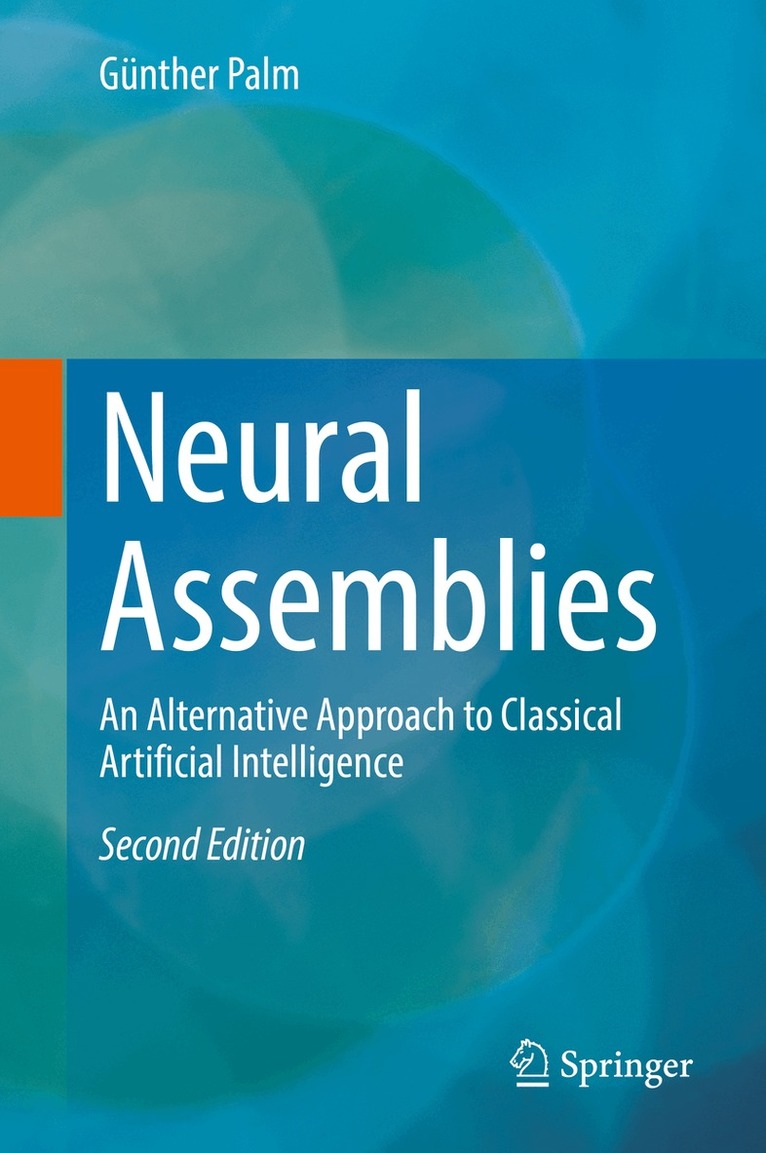
Neural Assemblies
Av Günther Palm
1636 kr
Beställningsvara. Skickas inom 10-15 vardagar. Fri frakt över 249 kr.
Beskrivning
In the new edition of Neural Assemblies, the author places his original ideas and motivations within the framework of modern and cognitive neuroscience and gives a short and focused overview of the development of computational neuroscience and artificial neural networks over the last 40 years. In this book the author develops a theory of how the human brain might function. Starting with a motivational introduction to the brain as an organ of information processing, he presents a computational perspective on the basic concepts and ideas of neuroscience research on the underlying principles of brain function. In addition, the reader is introduced to the most important methods from computer science and mathematical modeling that are required for a computational understanding of information processing in the brain. Written by an expert in the field of neural information processing, this book offers a personal historical view of the development of artificial intelligence, artificial neural networks, and computational cognitive neuroscience over the last 40 years, with a focus on the realization of higher cognitive functions rather than more peripheral sensory or motor organization. The book is therefore aimed at students and researchers who want to understand how the basic neuroscientific and computational concepts in the study of brain function have changed over the last decades.
Produktinformation
- Utgivningsdatum: 2022-07-29
- Mått: 155 x 235 x 21 mm
- Vikt: 542 g
- Format: Inbunden
- Språk: Engelska
- Antal sidor: 259
- Upplaga: 2
- Förlag: Springer International Publishing AG
- ISBN: 9783031003103
Utforska kategorier
Betyg & recensioner
0 recensioner
Inga recensioner tillgängliga.