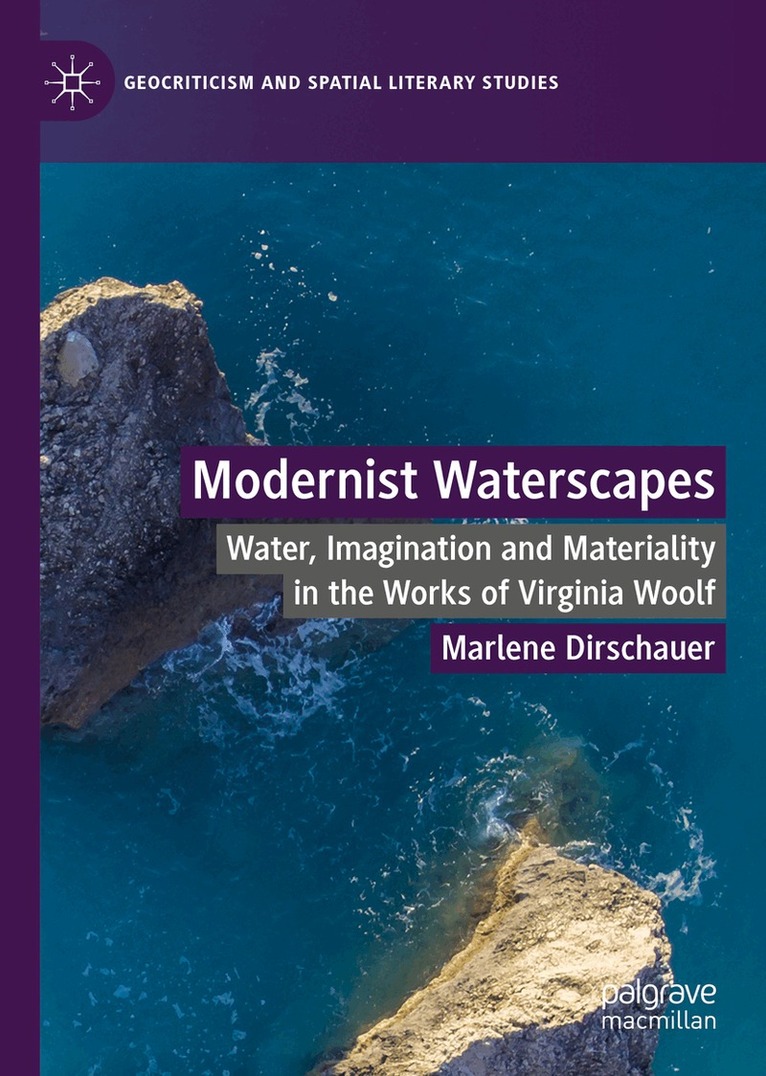
Inbunden, Engelska, 2023
Modernist Waterscapes
1439 kr
Beställningsvara. Skickas inom 10-15 vardagar. Fri frakt över 249 kr.
Beskrivning
This book identifies water as the key element of Virginia Woolf’s modernist poetics. The various forms, movements, and properties of water inspired Woolf’s writing of reality, time, and bodies and offered her an apt medium to reflect on the possibilities as well as on the exhaustion of her art. As a deeply intertextual writer, Woolf recognised how profoundly water has shaped human imagination and the landscape of the literary past. In line with recent ecocritical and ecofeminist assessments of her works, this book also shows Woolf’s attraction to water as part of an indifferent nature that exists prior to and beyond the symbolic. Through close analyses that span the whole of Woolf’s oeuvre, and that centre on the metaphorical and the material voices of water in her works, Modernist Waterscapes offers a fresh perspective on a writing that is as versatile as the element from which it draws. The monograph addresses postgraduate students and scholars working in modernist studies andWoolf studies in particular.
Produktinformation
- Utgivningsdatum: 2023-01-05
- Mått: 148 x 210 x 18 mm
- Vikt: 389 g
- Format: Inbunden
- Språk: Engelska
- Serie: Geocriticism and Spatial Literary Studies
- Antal sidor: 221
- Förlag: Springer International Publishing AG
- ISBN: 9783031134203
Utforska kategorier
Betyg & recensioner
0 recensioner
Inga recensioner tillgängliga.