

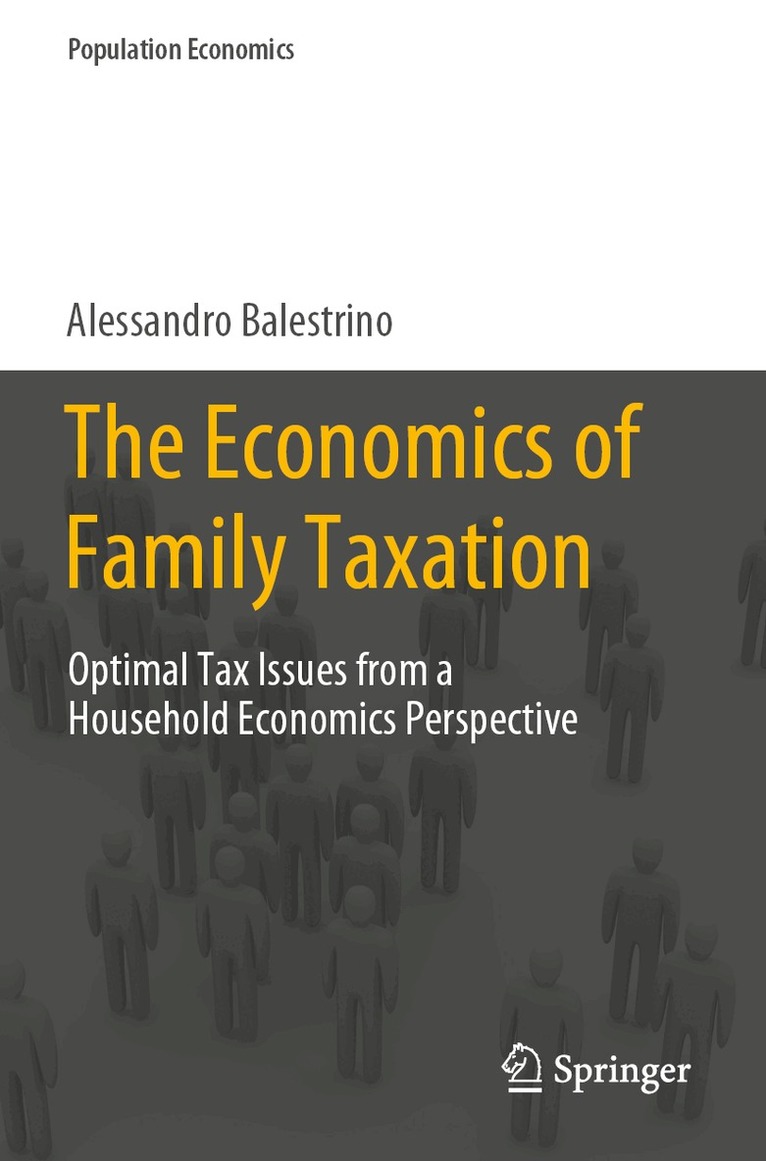
The Economics of Family Taxation : Optimal Tax Issues from a Household Economics Perspective
Alessandro Balestrino
652 kr
1 102 kr
Beställningsvara. Skickas inom 10-15 vardagar. Fri frakt över 249 kr.
Alessandro Balestrino
652 kr

Andrés Artal-Tur, Giovanni Peri, Francisco Requena-Silvente
Inbunden, 2014
1 102 kr
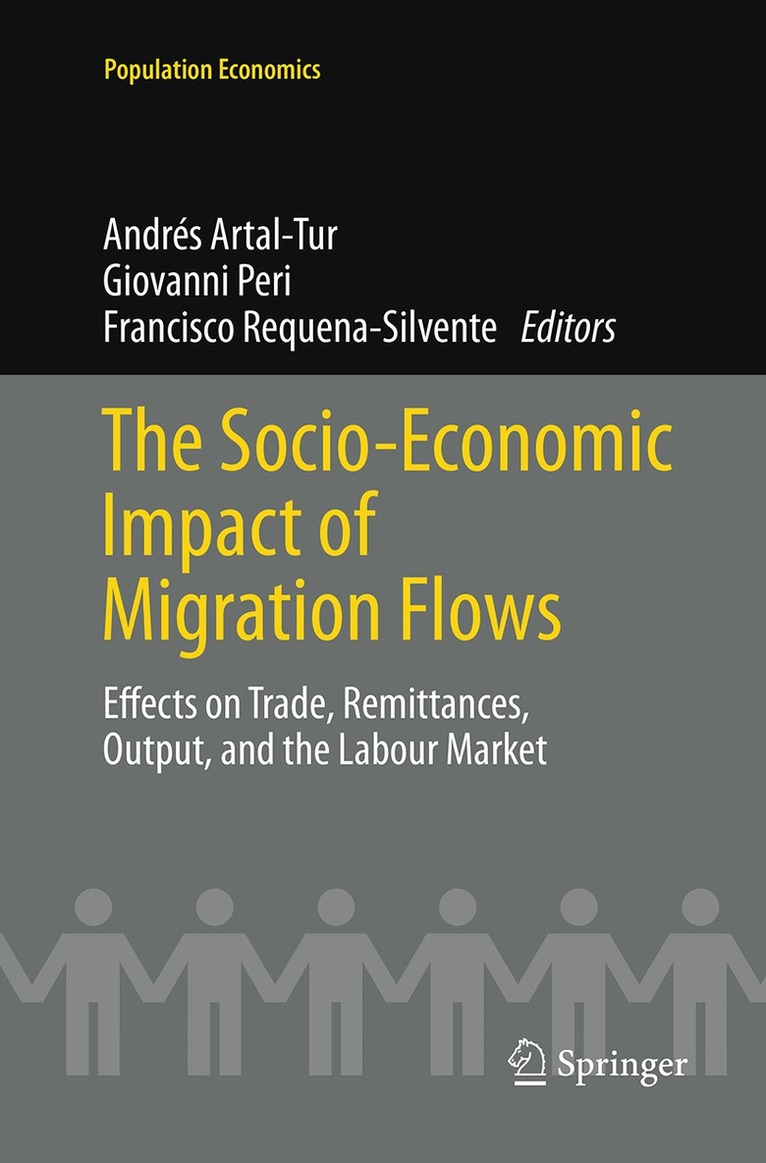
Andrés Artal-Tur, Giovanni Peri, Francisco Requena-Silvente
Häftad, 2016
1 102 kr
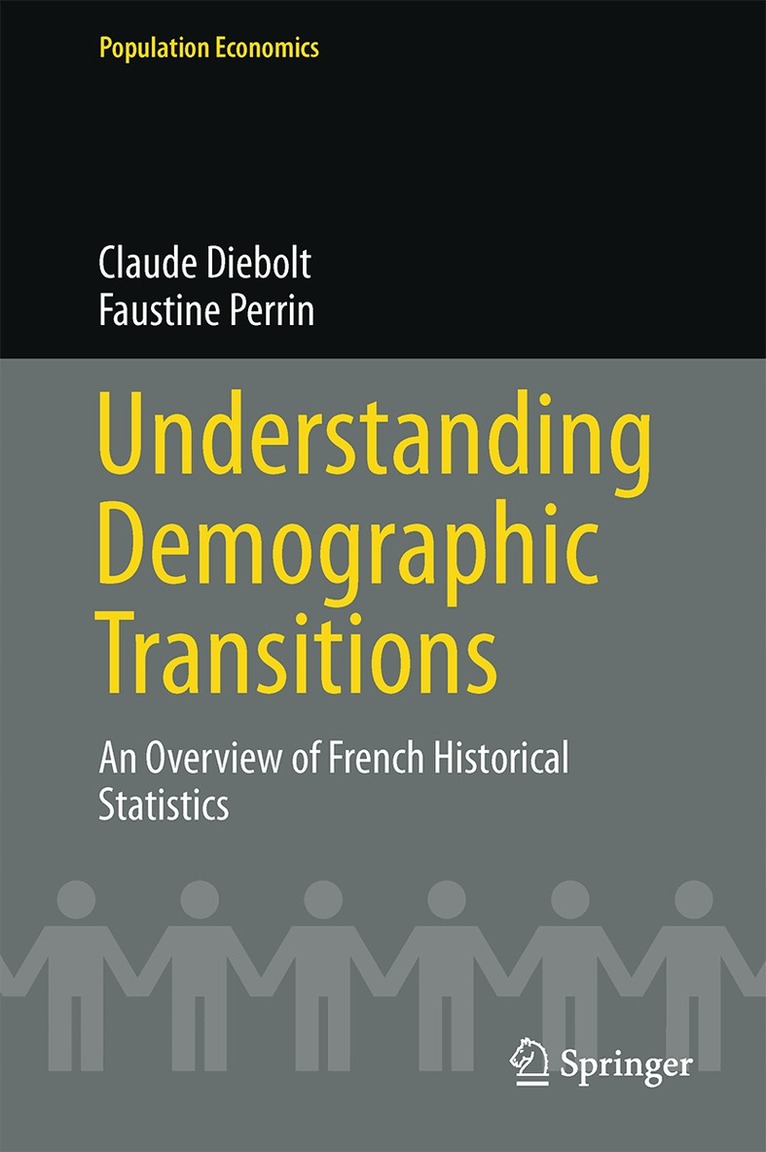
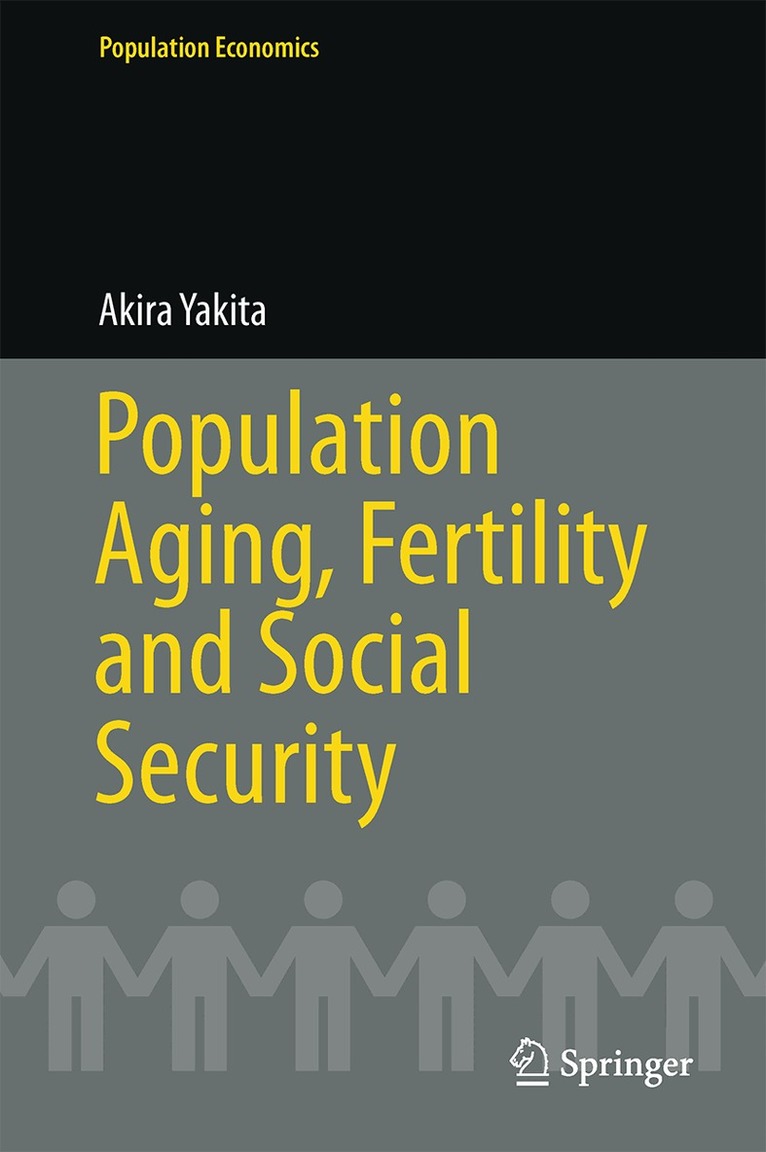
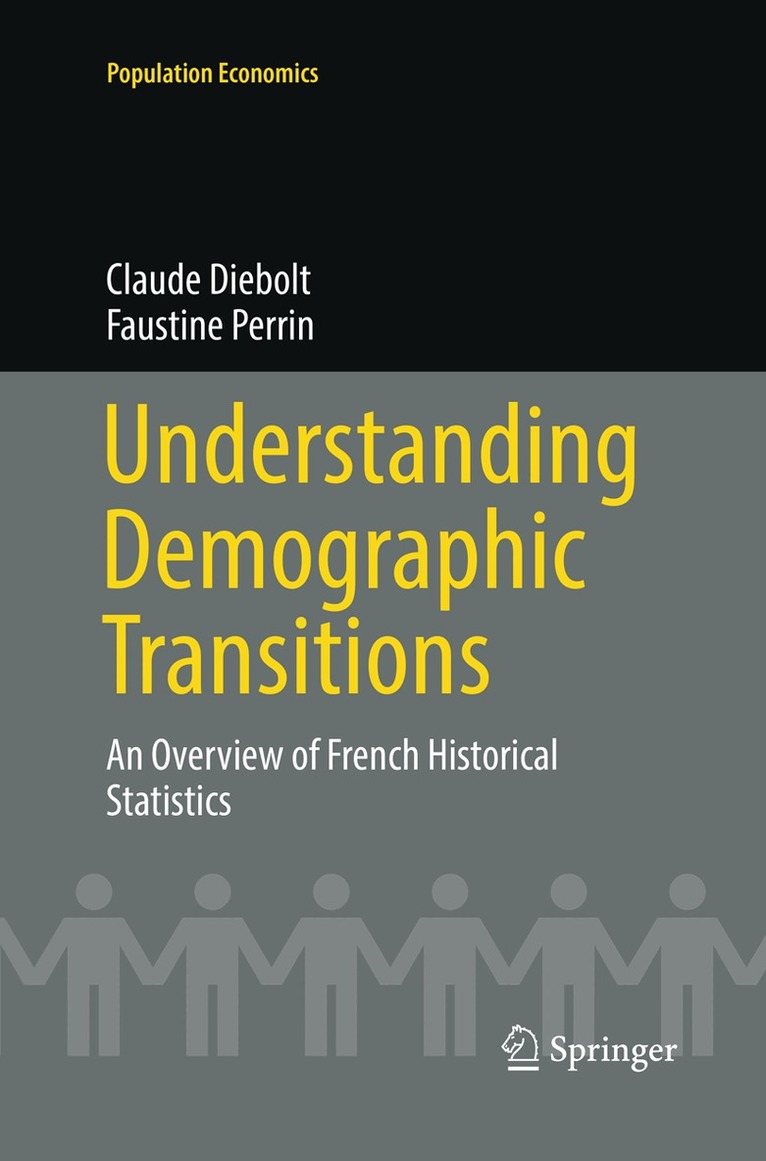

Alessandro Balestrino
652 kr
Andrés Artal-Tur, Giovanni Peri, Francisco Requena-Silvente
Häftad, 2016
1 102 kr
1 102 kr
Beställningsvara. Skickas inom 10-15 vardagar. Fri frakt över 249 kr.
Alessandro Balestrino
652 kr
Andrés Artal-Tur, Giovanni Peri, Francisco Requena-Silvente
Inbunden, 2014
1 102 kr
Andrés Artal-Tur, Giovanni Peri, Francisco Requena-Silvente
Häftad, 2016
1 102 kr
Alessandro Balestrino
652 kr
Andrés Artal-Tur, Giovanni Peri, Francisco Requena-Silvente
Häftad, 2016
1 102 kr
1 102 kr
Beställningsvara. Skickas inom 10-15 vardagar. Fri frakt över 249 kr.
Alessandro Balestrino
652 kr
Andrés Artal-Tur, Giovanni Peri, Francisco Requena-Silvente
Inbunden, 2014
1 102 kr
Andrés Artal-Tur, Giovanni Peri, Francisco Requena-Silvente
Häftad, 2016
1 102 kr
Alessandro Balestrino
652 kr
Andrés Artal-Tur, Giovanni Peri, Francisco Requena-Silvente
Häftad, 2016
1 102 kr