Inbunden, Engelska, 2027
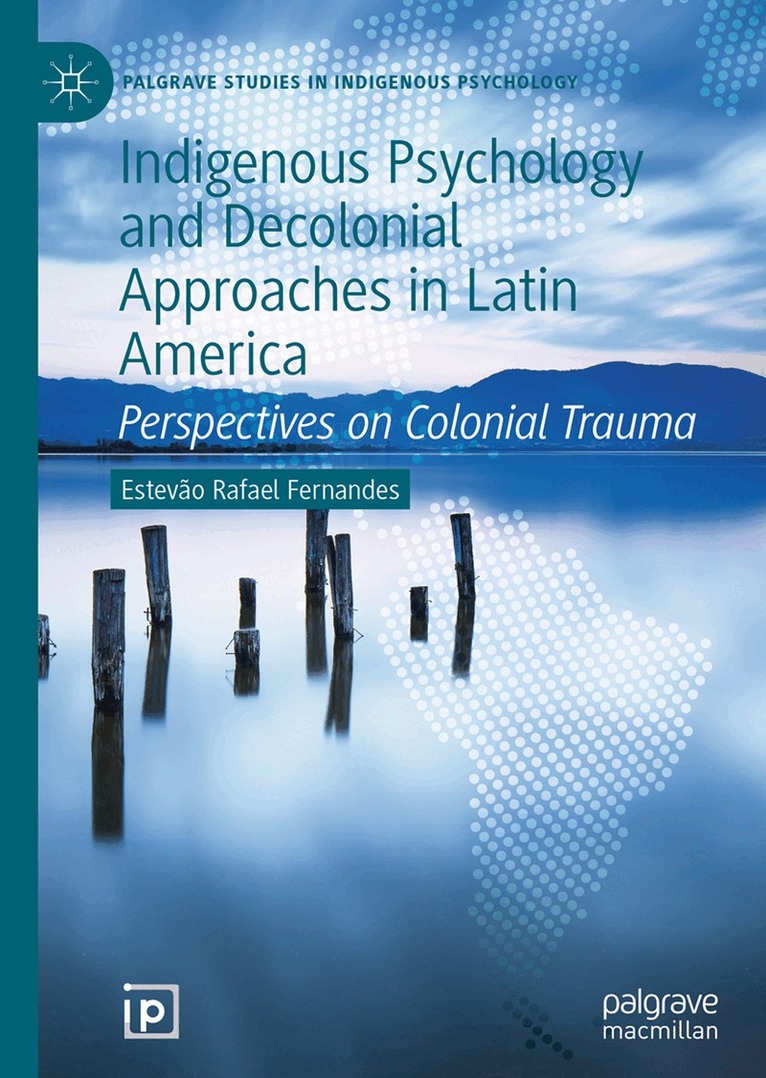
Indigenous Psychology and Decolonial Approaches in Latin America
621 kr
Kommande
Beskrivning
Indigenous Psychology and Decolonial Approaches in Latin America: Perspectives on Colonial Trauma offers a groundbreaking exploration of Indigenous psychological frameworks as tools of resistance, healing, and epistemological transformation in postcolonial Latin America. Estevão Rafael Fernandes, an anthropologist specializing in South American Indigenous communities, presents a richly interdisciplinary study that foregrounds the lived experiences of Indigenous, Afro-Latin, and Latina women across the continent.Drawing on decolonial theory and Indigenous epistemologies, the book examines how colonial trauma continues to shape psychological landscapes through systemic violence, cultural erasure, and environmental degradation. Fernandes engages with thinkers such as Aníbal Quijano, Lélia Gonzalez, and Gloria Anzaldúa to illuminate how Indigenous Psychology challenges Western paradigms and offers culturally grounded alternatives to dominant therapeutic models.Through case studies of Afro-diasporic religions, feminist resistance movements, and community-led healing initiatives, the book reveals how spiritual practices, embodied knowledge, and relational identity serve as powerful mechanisms for psychological resilience and cultural continuity. It also addresses the complexities of urban Indigenous youth, LGBTQ+ identities, and religious pluralism, emphasizing the dynamic adaptability of Indigenous psychological practices.This book contributes to the growing field of Indigenous Psychology by offering a situated, intersectional, and politically engaged analysis that resists universalizing frameworks. It is essential reading for scholars and practitioners seeking to understand the interplay between colonial histories, cultural identity, and mental health in Latin America. By centering marginalized voices and decolonial praxis, Fernandes provides a compelling vision for reimagining psychology as a tool for collective healing and social transformation.
Produktinformation
- Utgivningsdatum: 2027-01-05
- Mått: 148 x 210 x undefined mm
- Format: Inbunden
- Språk: Engelska
- Serie: Palgrave Studies in Indigenous Psychology
- Antal sidor: 94
- Förlag: Springer Nature Switzerland AG
- ISBN: 9783032293602
Utforska kategorier
Betyg & recensioner
0 recensioner
Inga recensioner tillgängliga.