Inbunden, Engelska, 2026
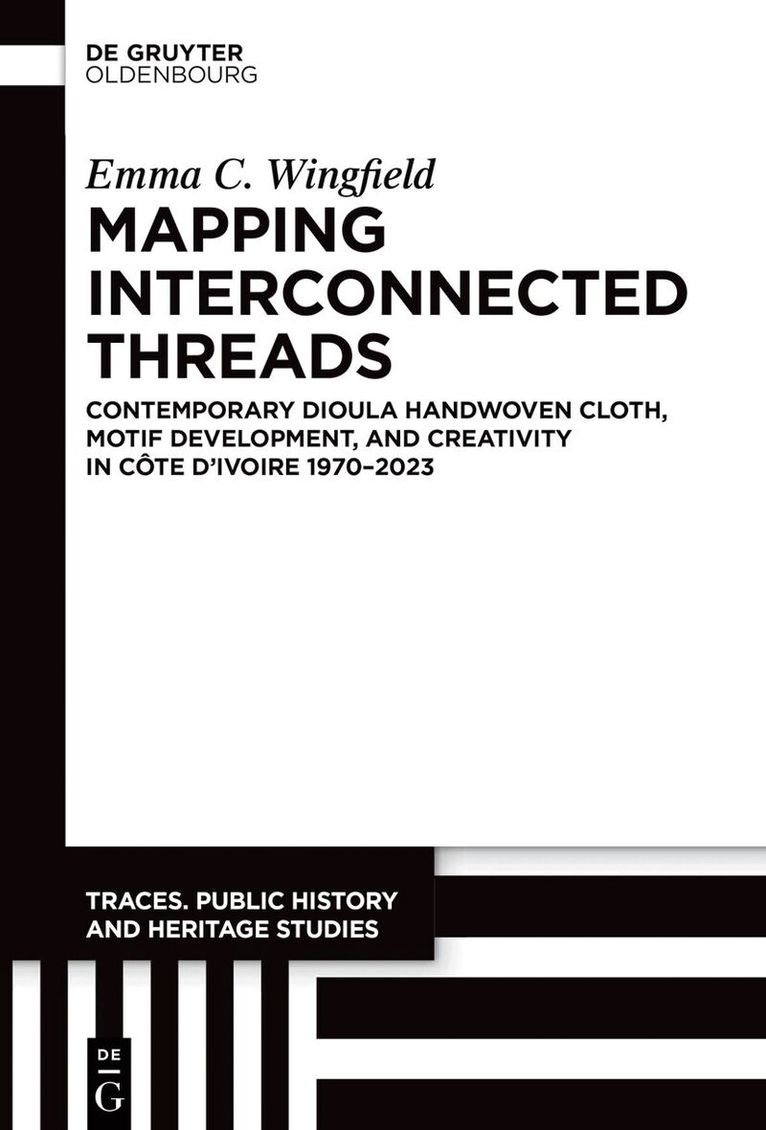
Mapping Interconnected Threads
1853 kr
Beställningsvara. Skickas inom 3-6 vardagar. Fri frakt över 249 kr.
Beskrivning
Contemporary handwoven textiles are the product of interconnected design processes, cultural influences, and economic contexts. Centering weaver creativity as a pluriversal lens, this book explores the external forces that drive change in contemporary Indigenous handwoven design. In collaboration with weavers from the village of Waraniéné, Côte d’Ivoire this study challenges conventional interpretations of commercial cloth woven between 1970 and 2023, highlighting the diverse knowledges, creative improvisations, and contexts that can be utilised to understand the diachronic changes in aesthetic pattern. Three concepts—haptic, rhapsodic, and gestural—form the basis of a critical practice developed specifically for this study called motif mapping. By systematically documenting the motif design process, motif mapping sheds light on the dynamic nature of textile design shaped by the improvisation of aesthetic forms and exchange of knowledge among weavers. Acknowledging the intricate interplay between local handwoven industries and global market dynamics, this book provides a platform to explore the challenges encountered by Indigenous craftspeople as they navigate their creative practices within the global marketplace.
Produktinformation
- Utgivningsdatum: 2026-08-31
- Mått: 160 x 240 x undefined mm
- Vikt: 630 g
- Format: Inbunden
- Språk: Engelska
- Serie: Traces. Public History and Heritage Studies
- Antal sidor: 338
- Förlag: De Gruyter
- ISBN: 9783111591582
Utforska kategorier
Betyg & recensioner
0 recensioner
Inga recensioner tillgängliga.