Häftad, Engelska, 2018
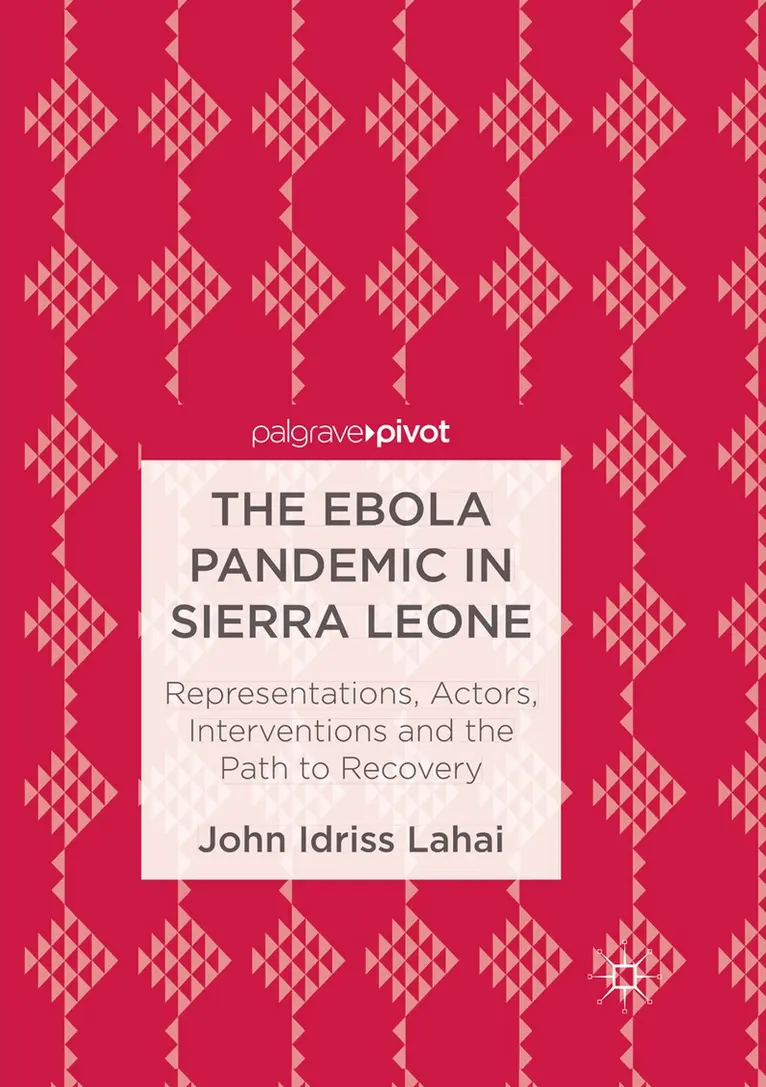
Ebola Pandemic in Sierra Leone
623 kr
Beställningsvara. Skickas inom 10-15 vardagar. Fri frakt över 249 kr.
Beskrivning
This book provides a timely examination of the Ebola pandemic in Sierra Leone from four different standpoints: 1) a social standpoint that focuses on the way in which the vulnerable Sierra Leonian population viewed the pandemic in light of their cultural beliefs, memories of past wars and narratives and actions of the government; 2) a good governance standpoint that exposes lapses in health governance and the general unpreparedness of the government and international community to deal with the outbreak; 3) a scientific research standpoint that looks at the role played by the Sierra Leone's Lassa Fever Research Laboratories as a main hub for the investigation, monitoring and evaluation of communicable diseases in the Mano River Union countries; and 4) an international politics standpoint that examines the development of a new bio-security international apparatus involving a wide range of international actors and institutions.
Produktinformation
- Utgivningsdatum: 2018-05-03
- Mått: 148 x 210 x 9 mm
- Vikt: 207 g
- Format: Häftad
- Språk: Engelska
- Antal sidor: 140
- Förlag: Springer International Publishing AG
- ISBN: 9783319833965
Utforska kategorier
Betyg & recensioner
0 recensioner
Inga recensioner tillgängliga.