Inbunden, Engelska, 2019
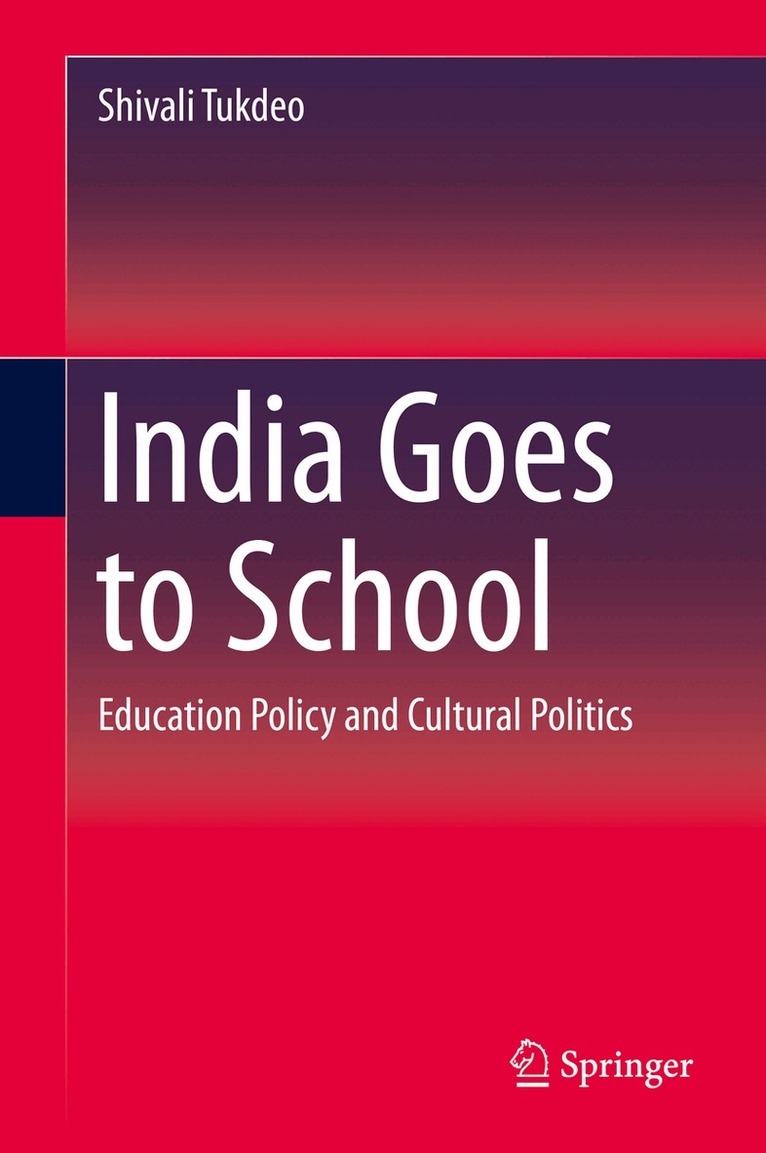
India Goes to School
1491 kr
Beställningsvara. Skickas inom 10-15 vardagar. Fri frakt över 249 kr.
Beskrivning
This book pays attention to education in India as part of several overlapping stories developed along different axes: stories of dissent, contestations, appropriation and social action. It historicises the enterprise of formal education by paying attention to the numerous policy shifts. Further, it theorises the education policy discourse by analysing the ways in which education is increasingly being shaped by international/transnational knowledge production, actors and norms. Focusing on the cultural politics of education policy production, circulation and translation across different contexts, the book revisits some of the long-standing and unresolved debates on social reforms, justice, nationalism and mobility. Evolution of ideas such as mass education, national education, adult literacy and education through public-private-partnerships showcase the momentous shifts in education policy over the course of last century. Ideas, institutional and economic arrangements, administrative formulations and frameworks for implementation make frequent appearances in the cultural as well as political reading of education policy. In a departure from the traditional policy research, this work sees policy as socially and culturally constructed; connected to questions of power, context and struggle; and part of a number of processes at large.
Produktinformation
- Utgivningsdatum: 2019-12-23
- Mått: 155 x 235 x 14 mm
- Vikt: 401 g
- Format: Inbunden
- Språk: Engelska
- Antal sidor: 138
- Upplaga: 19001
- Förlag: Springer, India, Private Ltd
- ISBN: 9788132239550
Utforska kategorier
Betyg & recensioner
0 recensioner
Inga recensioner tillgängliga.