Häftad, Engelska, 2026
Open World?
512 kr
Kommande
Beskrivning
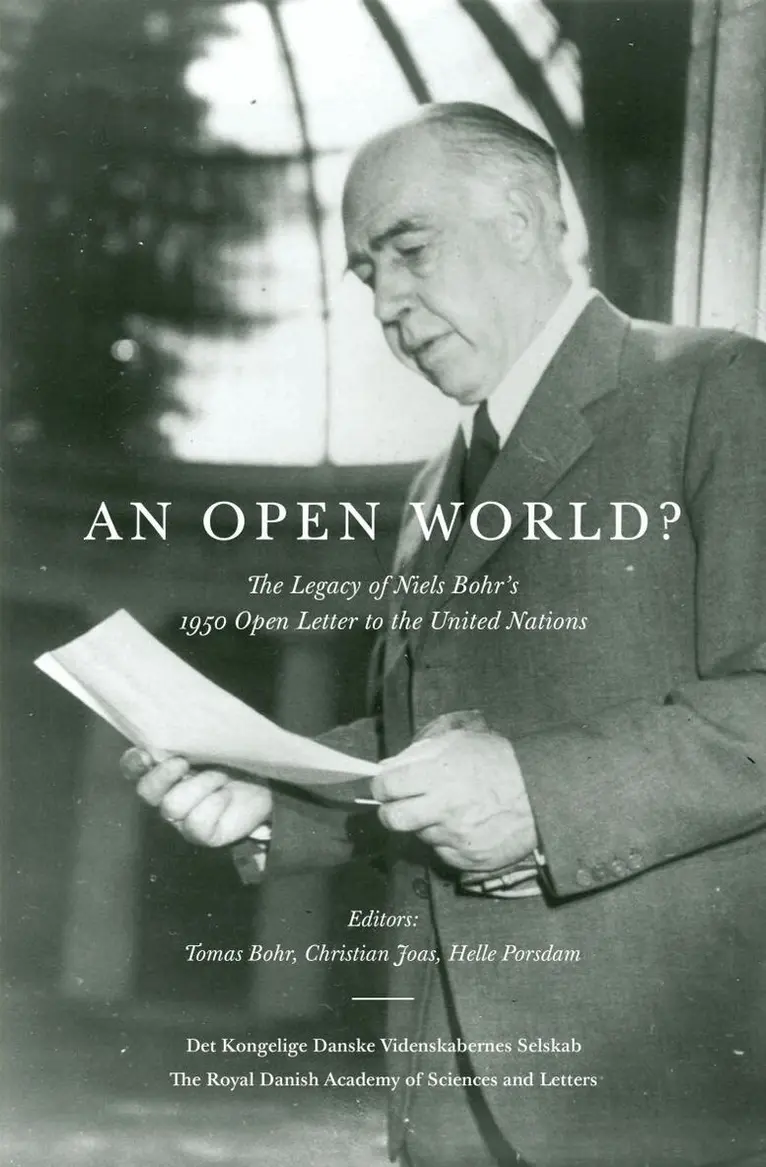
Why would any nation choose to share its most vital knowledge openly with others — even with potential adversaries? In the wake of World War II, Danish physicist Niels Bohr urged exactly this in a historic letter to the United Nations. The atomic bomb, with its unprecedented destructive power, had transformed the outlook on international conflict. Bohr argued that only radical openness could contain such a threat and build the trust needed to secure a peaceful future.This volume brings together contributions from leading scholars across disciplines, presented at a Copenhagen conference marking the 75th anniversary of Bohr’s Open Letter. Together, they explore the enduring relevance of Bohr’s call for openness in a world still grappling with global risk, technological upheaval, and the fragile foundations of international cooperation.
Produktinformation
- Utgivningsdatum: 2026-11-01
- Mått: 210 x 265 x undefined mm
- Format: Häftad
- Språk: Engelska
- Serie: Scientia Danica · Series M · Mathematica Et Physica
- Antal sidor: 220
- Förlag: Det Kongelige Danske Videnskabernes Selskab
- ISBN: 9788773044766
Betyg & recensioner
0 recensioner
Inga recensioner tillgängliga.