
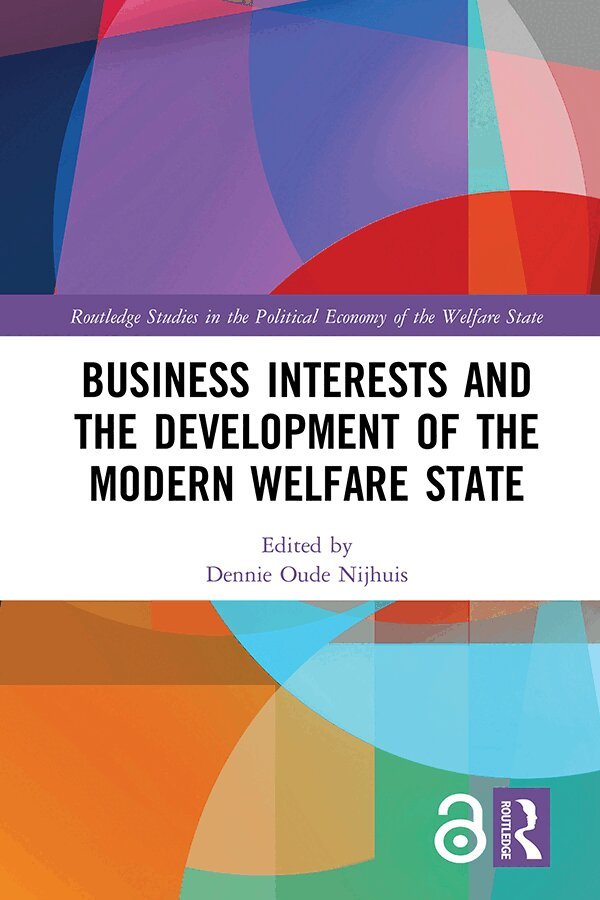
Business Interests and the Development of the Modern Welfare State
Dennie Oude Nijhuis
Inbunden, 2019
2 473 kr
2 100 kr
Beställningsvara. Skickas inom 10-15 vardagar. Fri frakt över 249 kr.
Dennie Oude Nijhuis
Inbunden, 2019
2 473 kr

Dennie Oude Nijhuis
Häftad, 2021
662 kr

Dennie Oude Nijhuis
692 kr
Dennie Oude Nijhuis
692 kr


Dennie Oude Nijhuis
Häftad, 2025
695 kr

Dennie Oude Nijhuis
813 kr

Dennie Oude Nijhuis
813 kr
Dennie Oude Nijhuis
692 kr
Dennie Oude Nijhuis
Inbunden, 2019
2 473 kr
Dennie Oude Nijhuis
Häftad, 2021
662 kr
Dennie Oude Nijhuis
692 kr

2 100 kr
Beställningsvara. Skickas inom 10-15 vardagar. Fri frakt över 249 kr.
Dennie Oude Nijhuis
Inbunden, 2019
2 473 kr
Dennie Oude Nijhuis
Häftad, 2021
662 kr
Dennie Oude Nijhuis
692 kr
Dennie Oude Nijhuis
692 kr
Dennie Oude Nijhuis
Häftad, 2025
695 kr
Dennie Oude Nijhuis
813 kr
Dennie Oude Nijhuis
813 kr
Dennie Oude Nijhuis
692 kr
Dennie Oude Nijhuis
Inbunden, 2019
2 473 kr
Dennie Oude Nijhuis
Häftad, 2021
662 kr
Dennie Oude Nijhuis
692 kr