Inbunden, Engelska, 2019
Fictions of Containment in the Spanish Female Picaresque
2343 kr
Beställningsvara. Skickas inom 10-15 vardagar. Fri frakt över 249 kr.
Beskrivning
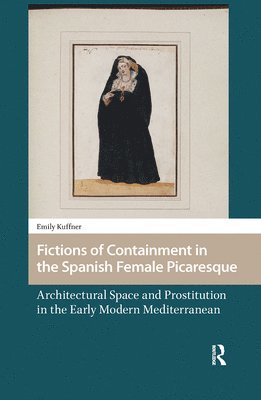
This study examines the interdependence of gender, sexuality and space in the early modern period, which saw the inception of architecture as a discipline and gave rise to the first custodial institutions for women, including convents for reformed prostitutes. Meanwhile, conduct manuals established prescriptive mandates for female use of space, concentrating especially on the liminal spaces of the home. This work traces literary prostitution in the Spanish Mediterranean through the sixteenth and seventeenth centuries, from the rise of courtesan culture in several key areas through the shift from tolerance of prostitution toward repression. Kuffner’s analysis pairs canonical and noncanonical works of fiction with didactic writing, architectural treatises, and legal mandates, tying the literary practice of prostitution to increasing control over female sexuality during the Counter Reformation. By tracing erotic negotiations in the female picaresque novel from its origins through later manifestations, she demonstrates that even as societal attitudes towards prostitution shifted dramatically, a countervailing tendency to view prostitution as an essential part of the social fabric undergirds many representations of literary prostitutes. Kuffner’s analysis reveals that the semblance of domestic enclosure figures as a primary erotic strategy in female picaresque fiction, allowing readers to assess the variety of strategies used by authors to comment on the relationship between unruly female sexuality and social order.
Produktinformation
- Utgivningsdatum: 2019-01-09
- Mått: 156 x 234 x 19 mm
- Vikt: 488 g
- Format: Inbunden
- Språk: Engelska
- Serie: Gendering the Late Medieval and Early Modern World
- Antal sidor: 222
- Upplaga: 0
- Förlag: Amsterdam University Press
- ISBN: 9789462986800
Utforska kategorier
Betyg & recensioner
0 recensioner
Inga recensioner tillgängliga.