Häftad, Engelska, 2021
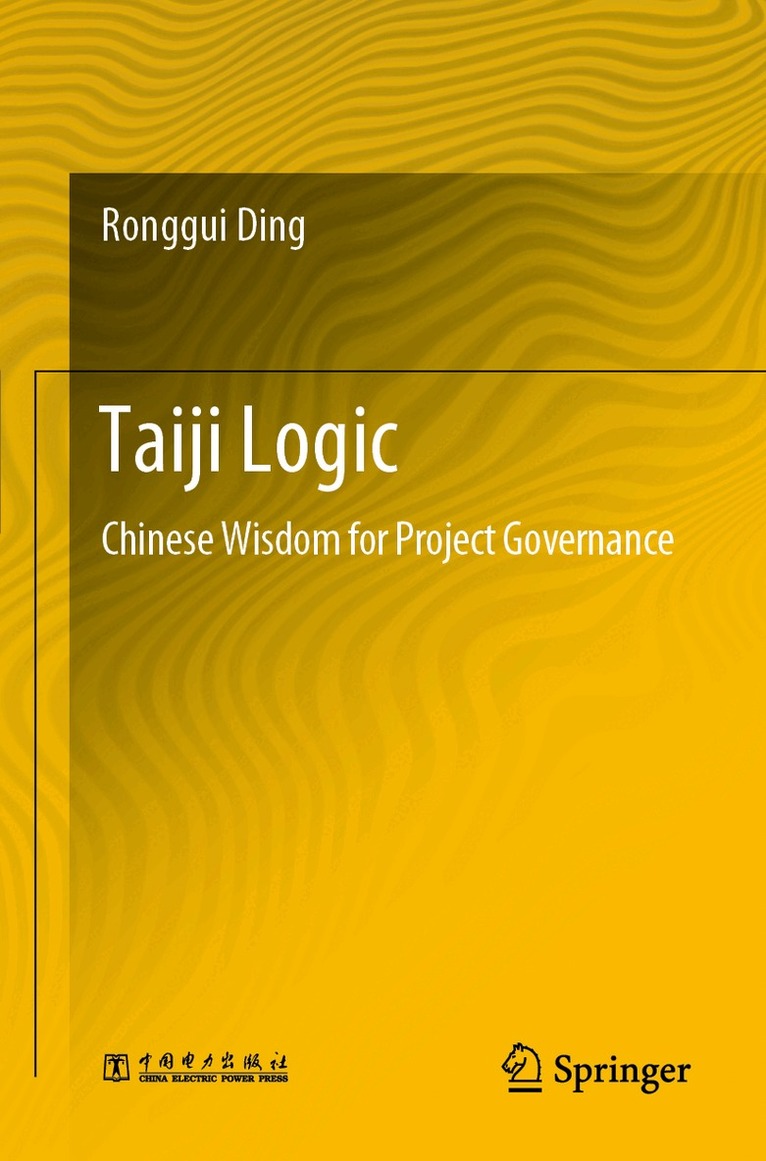
Taiji Logic
Av Ronggui Ding
1128 kr
Beställningsvara. Skickas inom 10-15 vardagar. Fri frakt över 249 kr.
Beskrivning
This book illustrates the Chinese wisdom hidden behind the project governance which is called “Taiji logic”. “Taiji logic” is a set of dialectical ideals and approaches that are unique in the Chinese culture. The three pillars of “Taiji logic” are: identifying the conflicts based on the principle that Yin - Yang are not only opposite but also unitary, capturing the best time to reconcile conflicts with the laws of transformations of Yin - Yang, and finally, symphonizing conflicts with “Zhong-Yong” ideas to balance the needs of various stakeholders. This book aims to solve key issues in project governance from a special Chinese perspective: What is the essence of “Taiji logic”? How should one identify the major conflicts across various phases of project governance and the best time to reconcile them? What are the essential forces that help one to reconcile major conflicts? The fusion and collision of various cultures has made our world full of variety and conflicts. “Taiji logic” offers philosophical ideas and practical approaches to reconcile conflicts in project management.
Produktinformation
- Utgivningsdatum: 2021-06-03
- Mått: 155 x 235 x 10 mm
- Vikt: 259 g
- Format: Häftad
- Språk: Engelska
- Antal sidor: 158
- Upplaga: 2020
- Förlag: Springer Verlag, Singapore
- ISBN: 9789811552410
- Översättare: Jian Zuo, Zhimin Ding
Utforska kategorier
Betyg & recensioner
0 recensioner
Inga recensioner tillgängliga.