Häftad, Engelska, 2026
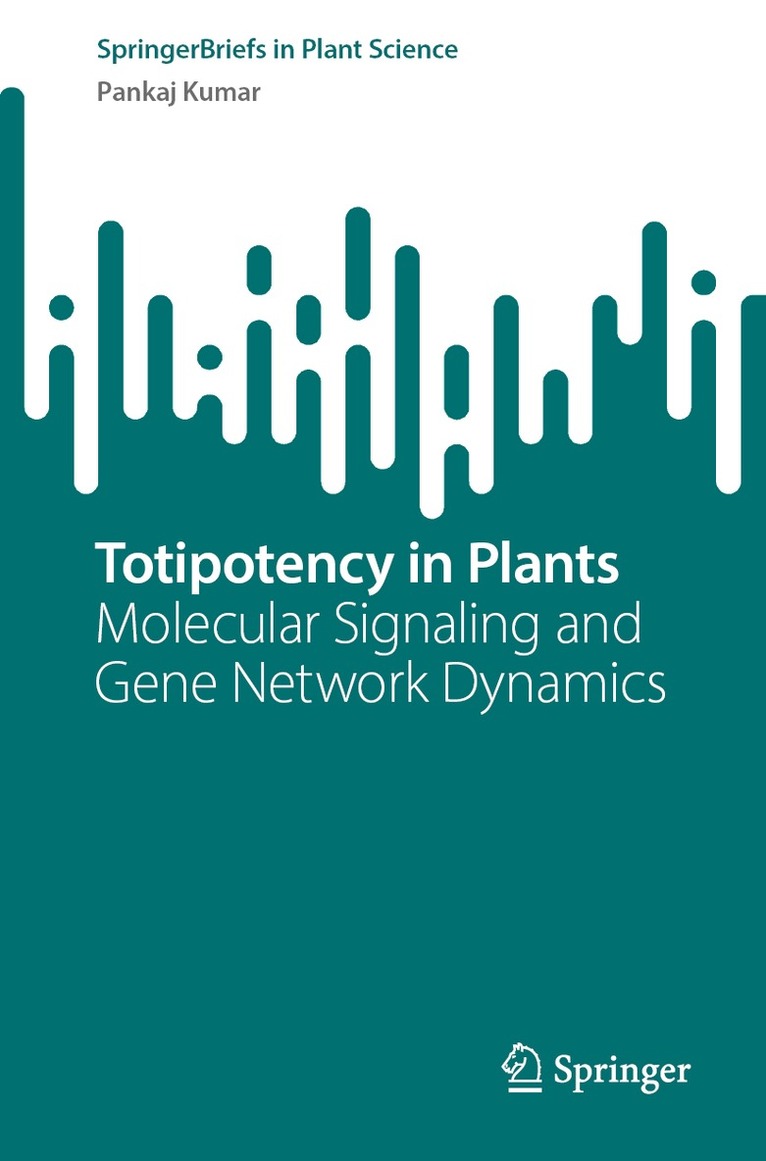
Totipotency in Plants
Av Pankaj Kumar
1476 kr
Ej publicerad ännu
Beskrivning
This book presents a focused and structured overview of the molecular basis of plant cell totipotency, with emphasis on regulatory networks that drive in vitro regeneration. It brings together current research on genetic, hormonal, epigenetic, and synthetic factors that influence the totipotent state in plant cells.The chapters begin by introducing the concept of totipotency and its relevance in plant development and biotechnology. The book then explores key developmental regulatory genes, followed by hormone-responsive modules shaped by auxin and cytokinin signaling. It examines the role of epigenetic mechanisms like DNA methylation and chromatin remodelling in enabling or restricting regeneration. A detailed discussion on regulatory networks highlights their role in somatic embryogenesis and callus formation. The book also compares species-specific differences in totipotency and explains how evolutionary changes in gene regulation affect regeneration capacity. The final chapter focuses on synthetic biology approaches, including CRISPR-based activation and artificial gene circuits, to enhance regeneration outcomes.This book is a useful resource for graduate students, early-career researchers, and professionals in plant molecular biology, biotechnology, and tissue culture. It also supports crop scientists and regeneration engineers seeking molecular strategies to improve plant transformation and regeneration efficiency
Produktinformation
- Utgivningsdatum: 2026-10-28
- Mått: 155 x 235 x undefined mm
- Format: Häftad
- Språk: Engelska
- Serie: SpringerBriefs in Plant Science
- Antal sidor: 121
- Förlag: Springer Verlag, Singapore
- ISBN: 9789819216307
Utforska kategorier
Betyg & recensioner
0 recensioner
Inga recensioner tillgängliga.