

Strategic Evolution of QUAD from 'Ocean Froth' to Asian NATO, Volume 1
Monojit Das, Sriparna Pathak
E-bok
20261 906 kr
1 546 kr
Beställningsvara. Skickas inom 10-15 vardagar. Fri frakt över 249 kr.
Monojit Das, Sriparna Pathak
1 906 kr

Sriparna Pathak, Neeraj Singh Manhas, Anmol Mukhia
738 kr
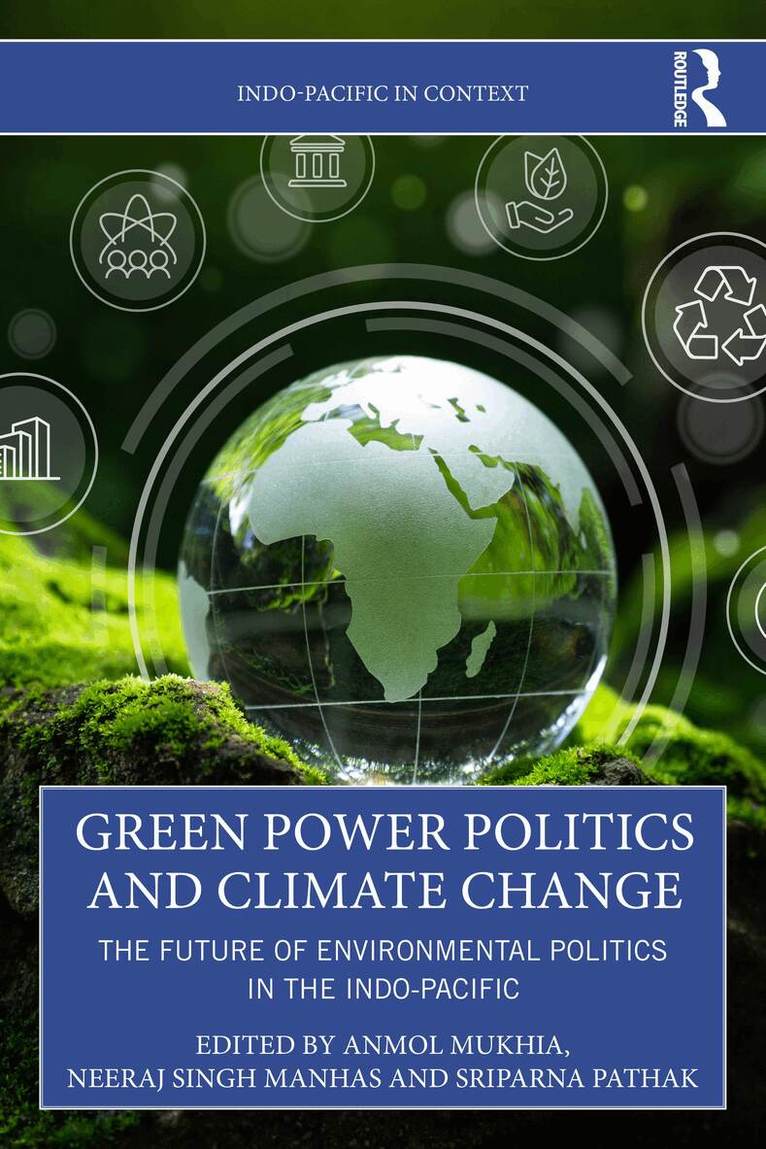
Anmol Mukhia, Neeraj Singh Manhas, Sriparna Pathak
Häftad, 2026
638 kr

Sriparna Pathak, Neeraj Singh Manhas, Anmol Mukhia
746 kr
Anmol Mukhia, Neeraj Singh Manhas, Sriparna Pathak
Inbunden, 2026
2 473 kr




Monojit Das, Nargiz Hajiyeva, Debasish Nandy
829 kr

Debasish Nandy, Sureyya Yigit, Monojit Das
Inbunden, 2026
1 106 kr
1 546 kr
Beställningsvara. Skickas inom 10-15 vardagar. Fri frakt över 249 kr.
Monojit Das, Sriparna Pathak
1 906 kr
Sriparna Pathak, Neeraj Singh Manhas, Anmol Mukhia
738 kr
Anmol Mukhia, Neeraj Singh Manhas, Sriparna Pathak
Häftad, 2026
638 kr
Sriparna Pathak, Neeraj Singh Manhas, Anmol Mukhia
746 kr
Anmol Mukhia, Neeraj Singh Manhas, Sriparna Pathak
Inbunden, 2026
2 473 kr
Monojit Das, Nargiz Hajiyeva, Debasish Nandy
829 kr
Debasish Nandy, Sureyya Yigit, Monojit Das
Inbunden, 2026
1 106 kr