
Hadas Wiseman - Böcker
Visar alla böcker från författaren Hadas Wiseman. Handla med fri frakt och snabb leverans.
6 produkter
6 produkter
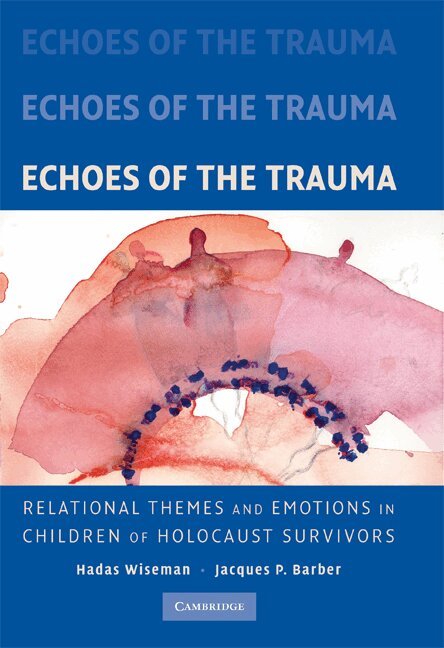
Echoes of the Trauma
Relational Themes and Emotions in Children of Holocaust Survivors
Inbunden, Engelska, 2008
1 417 kr
Tillfälligt slut
Echoes of trauma are traced in the relational narratives that the sons and daughters of Holocaust survivors tell about their experiences growing up in survivor families. An innovative combination of the Core Conflictual Relationship Theme (CCRT) method with narrative-qualitative analysis revealed common themes and emotional patterns that are played out in the survivors' children's meaningful relationships, especially in those with their parents. The relational world of the second generation is understood in the context of an intergenerational communication style called 'knowing-not knowing', in which there is a dialectical tension between knowing and not knowing the parental trauma. In the survivors' children's current parent-adolescent relationships with their own children, they aspire to correct the child-parent dynamics that they had experienced by trying to openly negotiate conflicts and to maintain close bonds. Clinicians treating descendents of other massive trauma would benefit from the insights offered into these complex intergenerational psychological processes.
Conversation As Method
Analyzing the Relational World of People Who Were Raised Communally
Häftad, Engelska, 1997
1 738 kr
Skickas inom 3-6 vardagar
Conversation as Method is a most unique and engaging discussion among four women, all feminist scholars, who explore the different ways of knowing. The quantitative orientation of one combined with the qualitative methodology of the other three make for stimulating development of interview and exchange on how growing up communally affects relationships later on in life. All four authors have worked, independently, on issues relative to the kibbutz experience, and each brings her own perspective to this dialogue and to the active pursuit of data gathering and understanding. From the premise that knowledge is co-constructed by observer and observed and both must be clearly visible in research reports, Conversation as Method is rich social science evolving from people coming together to talk, listen, and learn from one another. Readers are also encouraged to participate in the conversation by making their own individual assessments of interpretations each author puts forth. This cutting-edge presentation is a must have for academics, researchers, and students in feminist or qualitative methodology, as well as for courses covering social/personality psychology, close relationships, developmental psychology, and family studies.

734 kr
Skickas inom 10-15 vardagar
The therapeutic relationship has been recognized by psychotherapy researchers and clinicians alike as playing a central role in the process and outcome of psychotherapy. This book presents innovative investigations of the therapeutic relationship focusing on various relationship mechanisms as they relate to changing processes and outcomes. A variety of perspectives on the therapeutic relationship are provided through different research methods, including quantitative and qualitative methods, and divergence in psychotherapy orientations, including psychodynamic, interpersonal, cognitive-behavioural therapy, emotion-focused process experiential therapy, narrative therapy, and attachment-based family therapy. The chapters, written by leading psychotherapy researchers, present cutting-edge empirical studies that apply innovative methods in order to: study process-outcome links; explore in session processes that address the question of how the therapeutic relationship heals; examine the contributions of clients and therapists to the therapeutic relationship; and suggest practical implications for training therapists in psychotherapy relationships that work. Research on the therapeutic relationship has been identified as a natural arena for bridging the gap between research and clinical practice, and will be of particular interest to practicing clinicians. This book was originally published as a special issue of Psychotherapy Research.

2 015 kr
Skickas inom 10-15 vardagar
The therapeutic relationship has been recognized by psychotherapy researchers and clinicians alike as playing a central role in the process and outcome of psychotherapy. This book presents innovative investigations of the therapeutic relationship focusing on various relationship mechanisms as they relate to changing processes and outcomes. A variety of perspectives on the therapeutic relationship are provided through different research methods, including quantitative and qualitative methods, and divergence in psychotherapy orientations, including psychodynamic, interpersonal, cognitive-behavioural therapy, emotion-focused process experiential therapy, narrative therapy, and attachment-based family therapy. The chapters, written by leading psychotherapy researchers, present cutting-edge empirical studies that apply innovative methods in order to: study process-outcome links; explore in session processes that address the question of how the therapeutic relationship heals; examine the contributions of clients and therapists to the therapeutic relationship; and suggest practical implications for training therapists in psychotherapy relationships that work. Research on the therapeutic relationship has been identified as a natural arena for bridging the gap between research and clinical practice, and will be of particular interest to practicing clinicians. This book was originally published as a special issue of Psychotherapy Research.
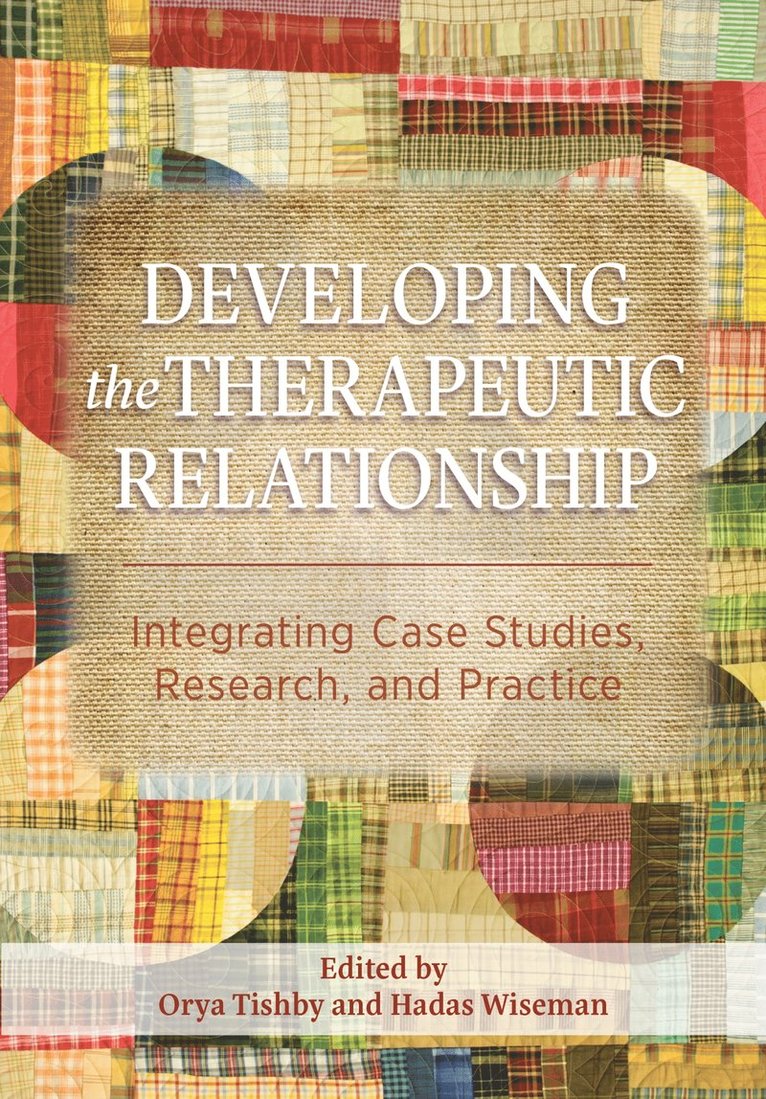
Developing the Therapeutic Relationship
Integrating Case Studies, Research, and Practice
Inbunden, Engelska, 2018
997 kr
Skickas inom 7-10 vardagar
In this book, master clinicians and psychotherapy researchers examine how technique and the therapeutic relationship are inseparably intertwined, and engaging case studies demonstrate how successful therapists negotiate this complex relationship.What makes therapy work? Clearly, the therapeutic alliance is an important component of a successful relationship between therapist and client, but how does it fit into the relationship more broadly conceived? A better question might be amp ldquo What works with whom and in which circumstances? amp rsquo Using a variety of theoretical and research amp ldquo lenses amp rdquo and drawing on various models of psychotherapy, including psychodynamic therapy, cognitive amp ndash behavioral therapy, emotion‑focused therapy, and brief family therapy, the contributors discuss the factors affecting client outcomes. The link between relationship processes and technique is bought to life in a rich array of engaging case studies that demonstrate how successful therapists negotiate the relationship, make key moment‑to‑moment decisions, and promote positive change in their clients.
780 kr
Skickas inom 7-10 vardagar
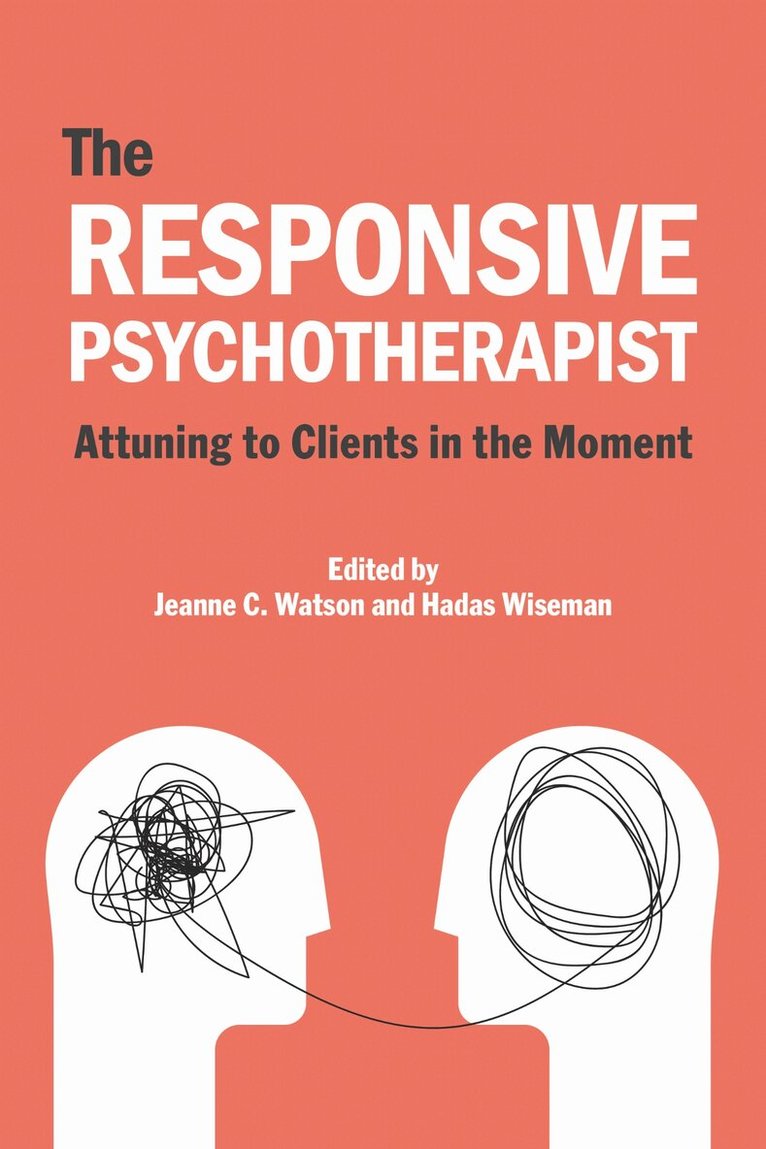
This book examines how psychotherapists can be appropriately responsive to clients' unique needs across a variety of therapeutic approaches by saying or doing the right thing at the right time.Expert contributors from a variety of theoretical orientations synthesize key research and identify common factors across these approaches along with their unique contributions to the field of psychology. Chapters first explore important broad concepts and strategies, including therapists attuning to their clients' needs, examining the importance of the therapeutic relationship, the role clinicians play as attachment figures for their clients, and repairing ruptures in the working alliance. Building from this foundation, chapters then examine specific types of therapy in detail, including psychodynamic therapy, cognitive behavior therapy, emotion-focused therapy, control-mastery theory, narrative therapy, attachment-based family therapy for LGBTQ individuals and their nonaccepting caregivers, and integrative therapies. Authors review strategies for responding to specific client markers, cultural diversity considerations, guidance for training and supervision, and directions for future research. Clinical case examples enrich the material, demonstrating the dos and don'ts of responsiveness with diverse clients.