Jeanne C. Watson - Böcker
Visar alla böcker från författaren Jeanne C. Watson. Handla med fri frakt och snabb leverans.
6 produkter
6 produkter
875 kr
Skickas inom 7-10 vardagar
Generalized anxiety disorder (GAD)--characterized by near-constant worry that often coincides with intense feelings of shame and despair--is a highly treatment-resistant disorder, with clients often relapsing after making some progress. Master therapists Jeanne C. Watson and Leslie S. Greenberg argue, however, that emotion-focused therapy (EFT) is uniquely capable of targeting the maladaptive emotional schemes that underlie GAD and helping clients maintain lasting, positive change. In this practical guide, Watson and Greenberg teach mental health practitioners how to employ EFT methods in their work with GAD clients. The authors first review EFT amp rsquo s conceptualization of GAD, emphasizing the key role that emotion plays in pervasive anxiety. They then translate those foundational principles into detailed techniques and strategies as they walk readers through the EFT process, beginning with the establishment of a healing therapeutic relationship. Chapters review different stages of EFT, describing specific therapeutic exercises, such as empty-chair and two-chair tasks, that allow clients to vocalize and directly address their deep-rooted emotional pain, anxieties, and relational injuries with significant others. Through this work, clients eventually learn to self-soothe and transform their maladaptive coping mechanisms into healthier ones. Sample client-therapist dialogues demonstrate how these EFT techniques can be applied in actual practice.
780 kr
Skickas inom 7-10 vardagar
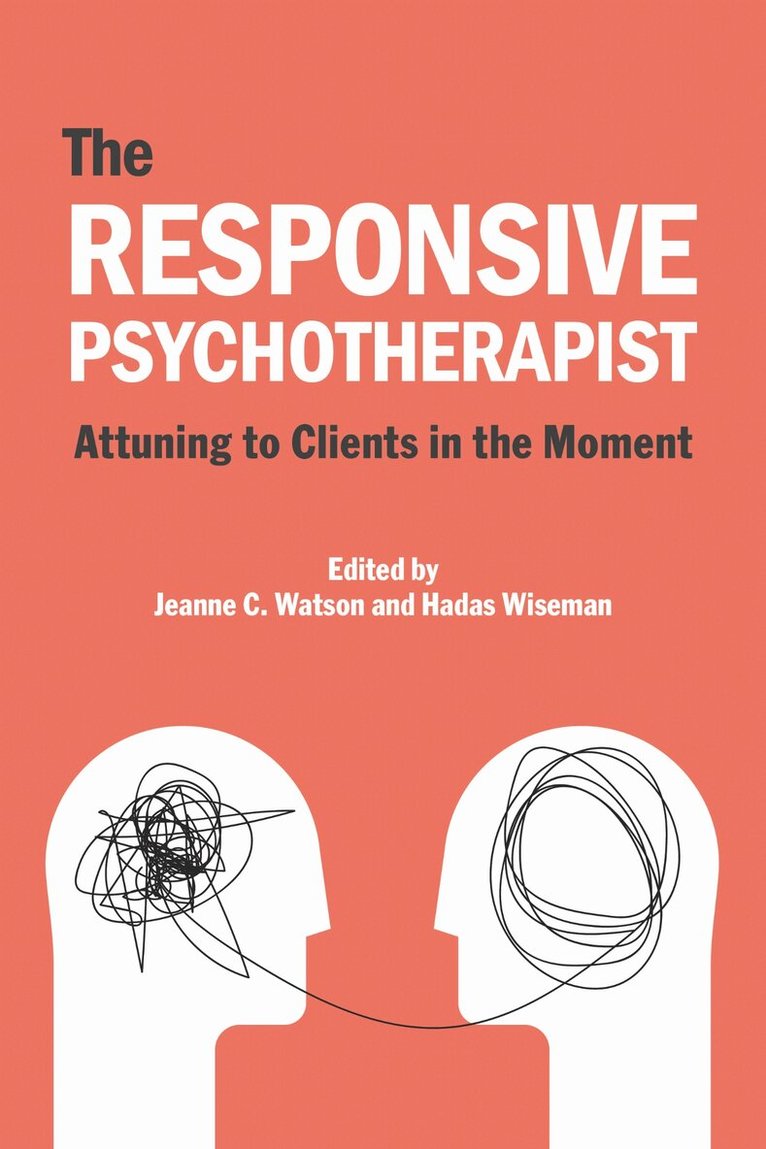
This book examines how psychotherapists can be appropriately responsive to clients' unique needs across a variety of therapeutic approaches by saying or doing the right thing at the right time.Expert contributors from a variety of theoretical orientations synthesize key research and identify common factors across these approaches along with their unique contributions to the field of psychology. Chapters first explore important broad concepts and strategies, including therapists attuning to their clients' needs, examining the importance of the therapeutic relationship, the role clinicians play as attachment figures for their clients, and repairing ruptures in the working alliance. Building from this foundation, chapters then examine specific types of therapy in detail, including psychodynamic therapy, cognitive behavior therapy, emotion-focused therapy, control-mastery theory, narrative therapy, attachment-based family therapy for LGBTQ individuals and their nonaccepting caregivers, and integrative therapies. Authors review strategies for responding to specific client markers, cultural diversity considerations, guidance for training and supervision, and directions for future research. Clinical case examples enrich the material, demonstrating the dos and don'ts of responsiveness with diverse clients.
780 kr
Skickas inom 7-10 vardagar
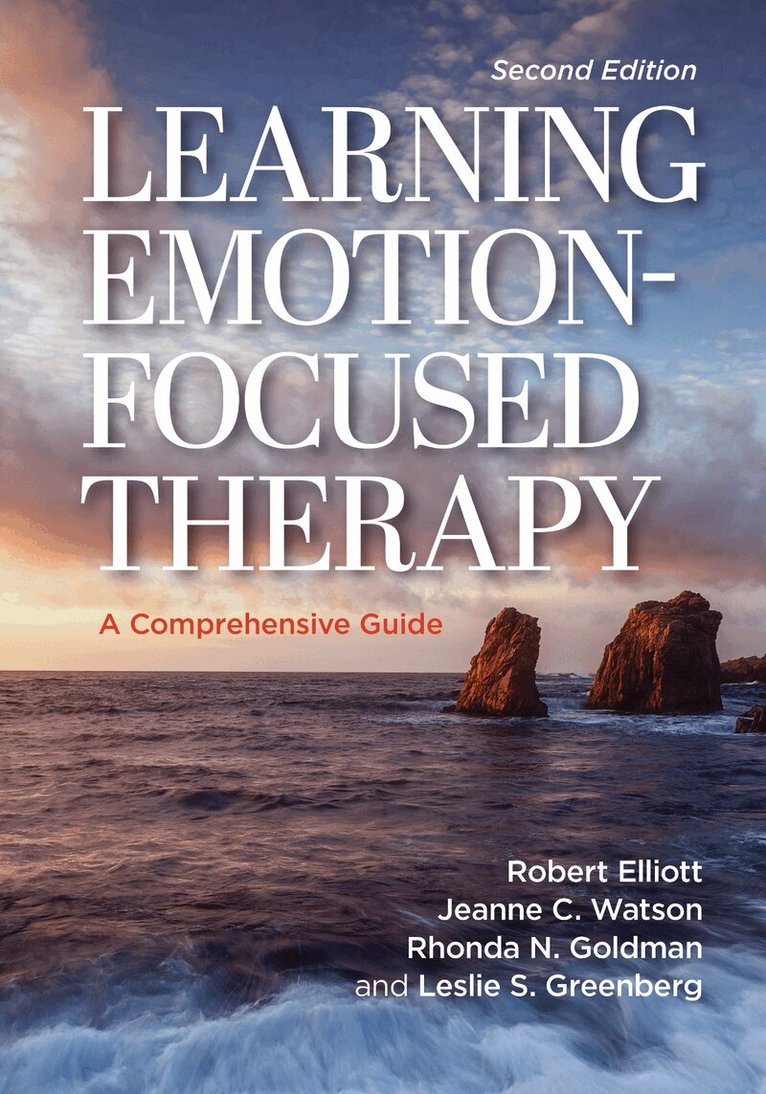
Updates a classic emotion-focused therapy reference with over 20 years of research and theory.The first edition of this book became the standard reference and training work for a generation of emotion-focused therapy (EFT) practitioners. This second edition aims to inspire a new generation of emotion-focused therapists by offering fully updated coverage of EFT theory and practice, alongside the most exciting theoretical, practical, and organizational developments of the past 20 years. Updates to this new edition include:New models for emotional deepening and EFT case formulation.New questions and activities for self‑reflection.Clearer formulations of the nature and functions of specific emotions (e.g., anger, shame).Twice as many references as in the first edition.A supplemental website with course materials to enhance teaching of EFT.In EFT, therapists cultivate a deeply empathic, caring presence. They follow their client's lead while delivering gentle, flexible guidance. The goal is to facilitate a process of emotional deepening in clients as they progress from global distress to an acceptance of core pain, enabling them to emerge with a new perspective through useful, adaptive emotions.
1 256 kr
Skickas inom 3-6 vardagar
Integrating the work of leading client-centered, gestalt, interpersonal, focusing, and process-oriented therapists, Handbook of Experiential Psychotherapy covers both conceptual foundations and current treatment applications. Contributors present well-articulated approaches to treating depression, PTSD, anxiety, and other problems, emphasizing the need to work with the client's own moment-by-moment experience of disturbing states and processes. The volume delineates a variety of experiential methods--from working with clients to symbolize bodily felt sense, evoke memories, and express intense feelings, to helping them reflect on their experience, maintain gains from session to session, and create new meanings for themselves. The role of the therapist's relational stance in promoting particular emotional processes is also examined, and newly developed models of experiential diagnosis and case formulation are described.
659 kr
Skickas inom 3-6 vardagar
Emotional expression is the link between internal experience and the outside world. It is intimately connected to who we are, how we feel, and how we relate to others. In daily life, expression enables people to communicate with each other and influence relationships; in psychotherapy, it provides important information about how clients are feeling and how they are relating to the therapist. This lucid volume examines expressions of such feelings as love, anger, and sadness, and highlights the individual and interpersonal processes that shape emotional behavior. It offers a lively and comprehensive discussion of the role of emotional expression and nonexpression in individual adaptation, social interaction, and therapeutic process.Drawing upon extensive theory and research, the authors provide coherent guidelines to help clinicians, researchers, and students identify, conceptualize, and treat problems in emotional behavior. They show that expression and nonexpression come in many different forms, with a wide range of personal and relational consequences. The effects of expressing one's feelings depend on what is expressed, to whom, in what way, and in what context. Expression can lead to greater self-knowledge, enhanced coping, and fuller intimacy, but it can also result in embarrassment, misunderstanding, or rejection. Conversely, nonexpression can involve a frustrating lack of opportunity to express, or problems in accessing or articulating feelings, but it can also reflect cultural values or effective coping efforts. Through vivid clinical examples, the authors illuminate a range of problems related to both expression and nonexpression, and provide insight into how these can be addressed in individual and couple therapy.This practical and clearly written guide is an important resource for teachers, students, and researchers of clinical, counseling, social, personality, and health psychology, as well as practicing counselors and psychotherapists. It will also serve as a text in advanced undergraduate and graduate-level courses on emotion and interpersonal communication, and in graduate-level counseling and psychotherapy seminars.
Person-centered and Experiential Therapies Work
A Review of the Research on Counseling, Psychotherapy and Related Practices
Häftad, Engelska, 2010
342 kr
Skickas
Person-Centred and Experiential Therapies Work provides a comprehensive, systematic and accessible review of the evidence-base for the approach and the methods and measures by which it can be evaluated. It gives clear evidence for the effectiveness of person-centred and experiential therapies, and is an essential resource for students and practitioners who want to know more about the empirical support for their work, and to promote it with confidence.