
Matthias Bormuth - Böcker
Visar alla böcker från författaren Matthias Bormuth. Handla med fri frakt och snabb leverans.
17 produkter
17 produkter
1 039 kr
Skickas inom 10-15 vardagar
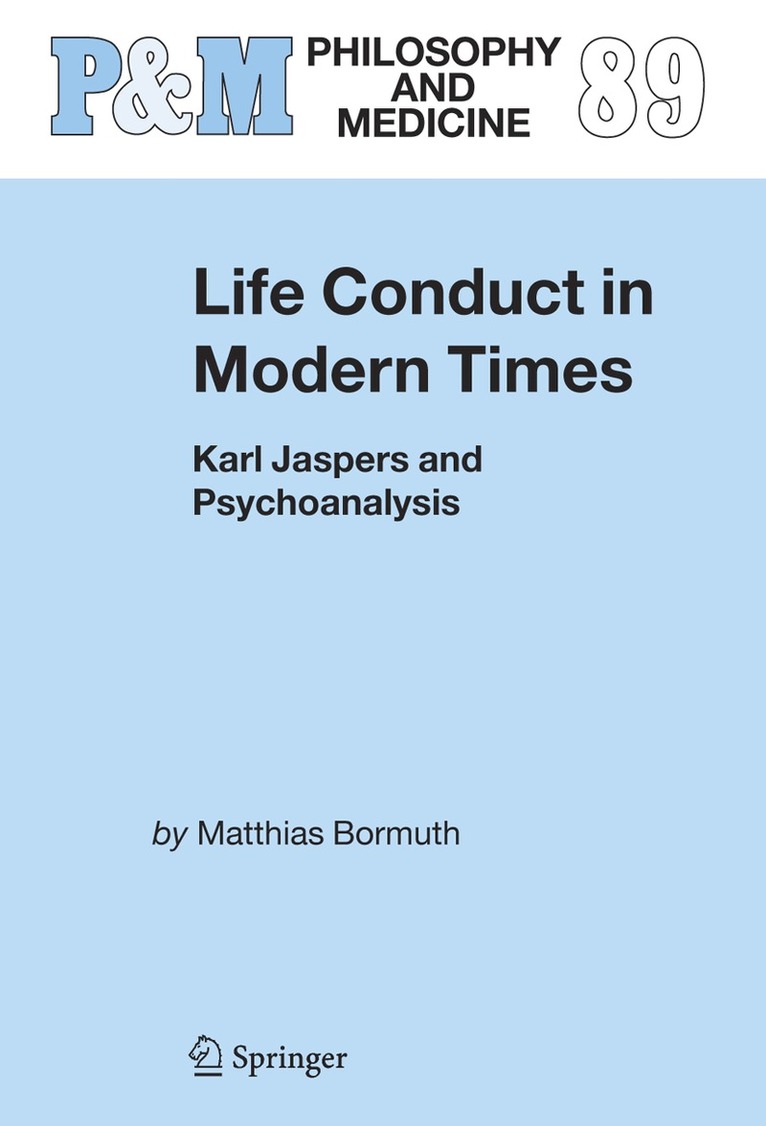
We read, but we are also read by others. Interferences of these readings. Forcing someone to read himself as he is read (slavehood). Forcing the others to read me as I read myself (conquest). 1 Simone Weil Karl Jaspers was born in Oldenburg in 1883, grew up in a liberal-minded banker’s family, studied medicine and was granted a chair in philosophy at the Uni- 2 versity of Heidelberg in 1922. The decisive factor in this appointment was Jaspers’ 1919 monograph Psychology of World Views (Psychologie der Weltanschauungen), 3 which founded so-called ‘existence philosophy’. What is less known is that in 1913 Jaspers had already published an epoch-making methodological systematics, his General Psychopathology (Allgemeine Psychopathologie), which had established 4 him as an authority in the field of psychiatry in the German-speaking world. As a result of this as well as the fact that Jaspers addressed questions concerning physi- 5 sicians’ self-identity, Jaspers is now celebrated as one of the “classic figures of 6 medicine”. 1 Weil (1990), pg. 134. 2 Karl Jaspers (1883-1969) worked as a psychiatrist in Heidelberg starting in 1909, and from 1914 on he held a position as a Privatdozent for psychology in the Department of Philosophy after having completed his Habilitation. In 1920 he was granted an assistant professorship and in 1922 a chair in this department. In 1937 he was forced to retire because his wife was Jewish. In 1945 he was reinstated.
1 517 kr
Skickas
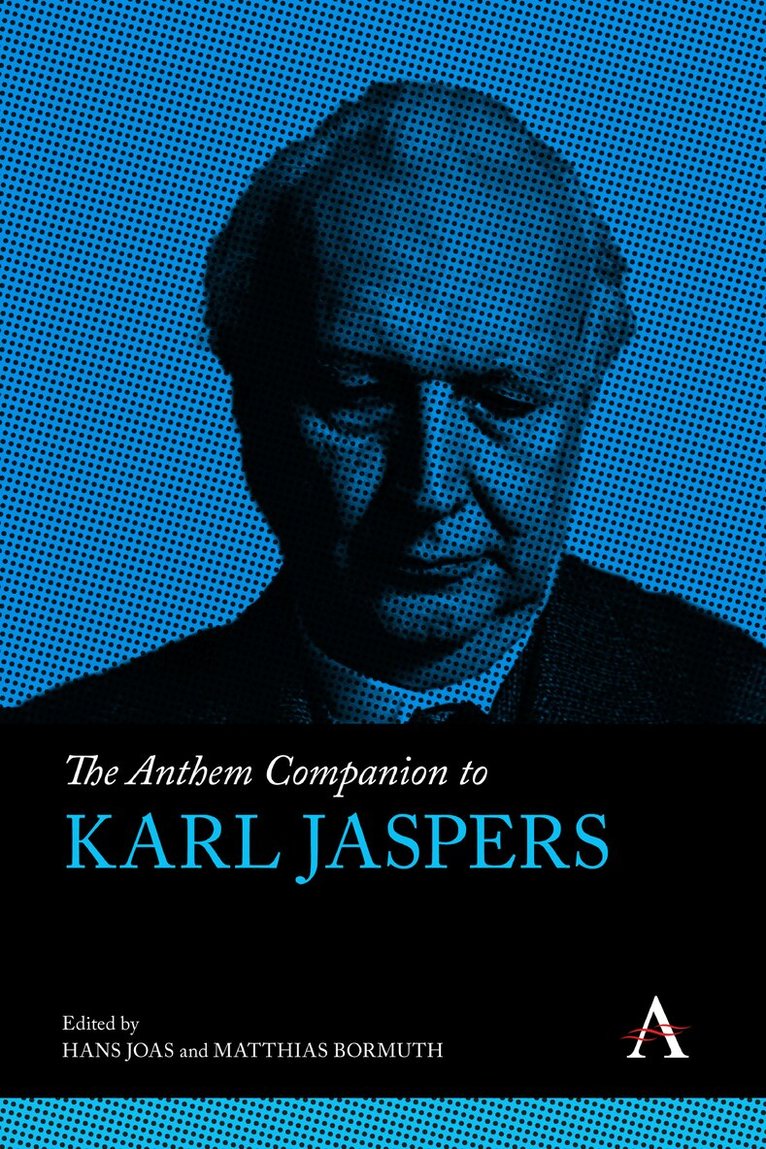
This collection of articles by an international group of leading experts has its special focus on the relevance of Karl Jaspers’s philosophy for the social sciences. It also includes classical evaluations of Jaspers’s thinking by renowned authors Talcott Parsons and Jürgen Habermas. Several chapters are devoted to the relationship between Jaspers and his teacher (Max Weber), his famous student (Hannah Arendt) and crucial figures in his intellectual world (Wilhelm Dilthey, Georg Simmel). Others deal with his relevance for disciplines from psychiatry to the study of religion and the historico-sociological research about the Axial Age, a term coined by Jaspers. In his introduction, editor Hans Joas tries to systematise Jaspers’s relevance for the contemporary social sciences and to explain why Parsons had called him a ‘social scientist’s philosopher’.The book promises to become an indispensable source in the re-evaluation of Jaspers’s thinking in the years to come.
790 kr
Tillfälligt slut
790 kr
Tillfälligt slut

340 kr
Skickas inom 3-6 vardagar

454 kr
Skickas inom 3-6 vardagar

255 kr
Skickas inom 3-6 vardagar

224 kr
Skickas inom 3-6 vardagar

256 kr
Skickas inom 3-6 vardagar

464 kr
Skickas inom 3-6 vardagar

184 kr
Skickas inom 3-6 vardagar
398 kr
Skickas inom 3-6 vardagar

465 kr
Skickas inom 3-6 vardagar

141 kr
Skickas inom 3-6 vardagar

171 kr
Skickas inom 3-6 vardagar

141 kr
Skickas inom 3-6 vardagar
1 064 kr
Skickas inom 10-15 vardagar
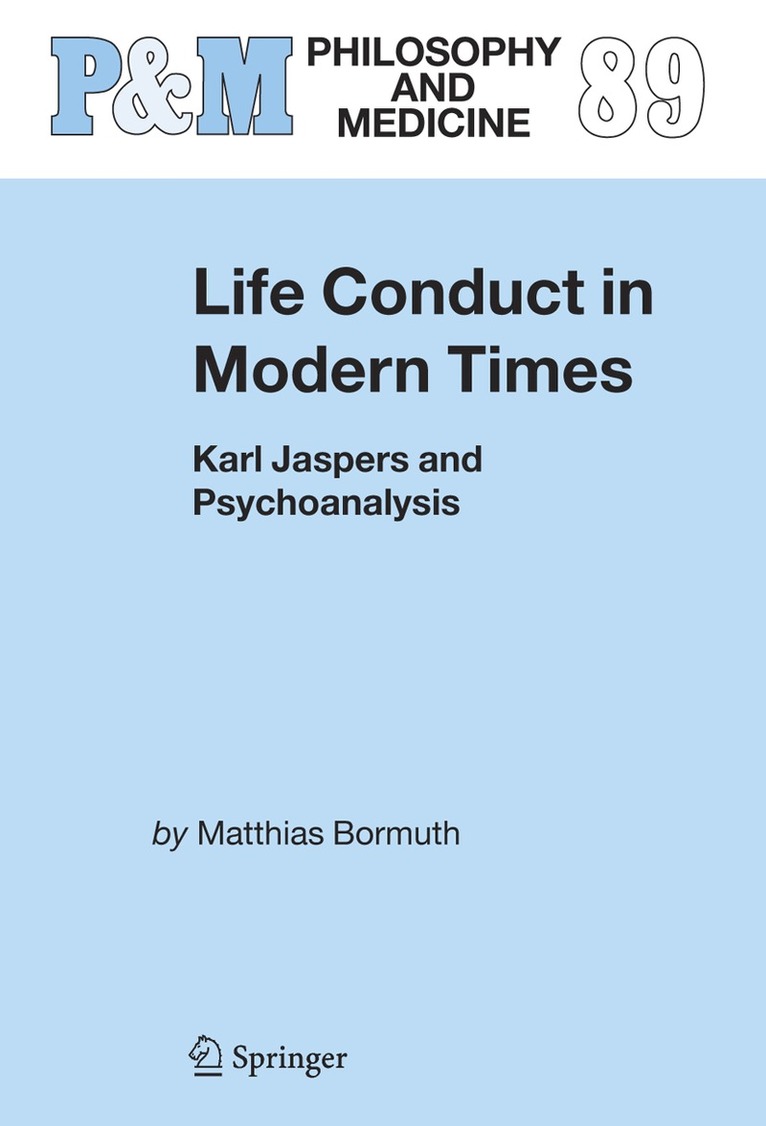
We read, but we are also read by others. Interferences of these readings. Forcing someone to read himself as he is read (slavehood). Forcing the others to read me as I read myself (conquest). 1 Simone Weil Karl Jaspers was born in Oldenburg in 1883, grew up in a liberal-minded banker’s family, studied medicine and was granted a chair in philosophy at the Uni- 2 versity of Heidelberg in 1922. The decisive factor in this appointment was Jaspers’ 1919 monograph Psychology of World Views (Psychologie der Weltanschauungen), 3 which founded so-called ‘existence philosophy’. What is less known is that in 1913 Jaspers had already published an epoch-making methodological systematics, his General Psychopathology (Allgemeine Psychopathologie), which had established 4 him as an authority in the field of psychiatry in the German-speaking world. As a result of this as well as the fact that Jaspers addressed questions concerning physi- 5 sicians’ self-identity, Jaspers is now celebrated as one of the “classic figures of 6 medicine”. 1 Weil (1990), pg. 134. 2 Karl Jaspers (1883-1969) worked as a psychiatrist in Heidelberg starting in 1909, and from 1914 on he held a position as a Privatdozent for psychology in the Department of Philosophy after having completed his Habilitation. In 1920 he was granted an assistant professorship and in 1922 a chair in this department. In 1937 he was forced to retire because his wife was Jewish. In 1945 he was reinstated.