Matthias Bormuth – författare
Visar alla böcker från författaren Matthias Bormuth. Handla med fri frakt och snabb leverans.
46 produkter
Life Conduct in Modern Times
Karl Jaspers and Psychoanalysis
Inbunden, 2006
1067 kr
Lägg i varukorg
We read, but we are also read by others. Interferences of these readings. Forcing someone to read himself as he is read (slavehood). Forcing the others to read me as I read myself (conquest). 1 Simone Weil Karl Jaspers was born in Oldenburg in 1883, grew up in a liberal-minded banker’s family, …
Life Conduct in Modern Times
Karl Jaspers and Psychoanalysis
E-bok, 2006
1459 kr
Lägg i varukorg
We read, but we are also read by others. Interferences of these readings. Forcing someone to read himself as he is read (slavehood). Forcing the others to read me as I read myself (conquest). 1 Simone Weil Karl Jaspers was born in Oldenburg in 1883, grew up in a liberal-minded banker’s family, …
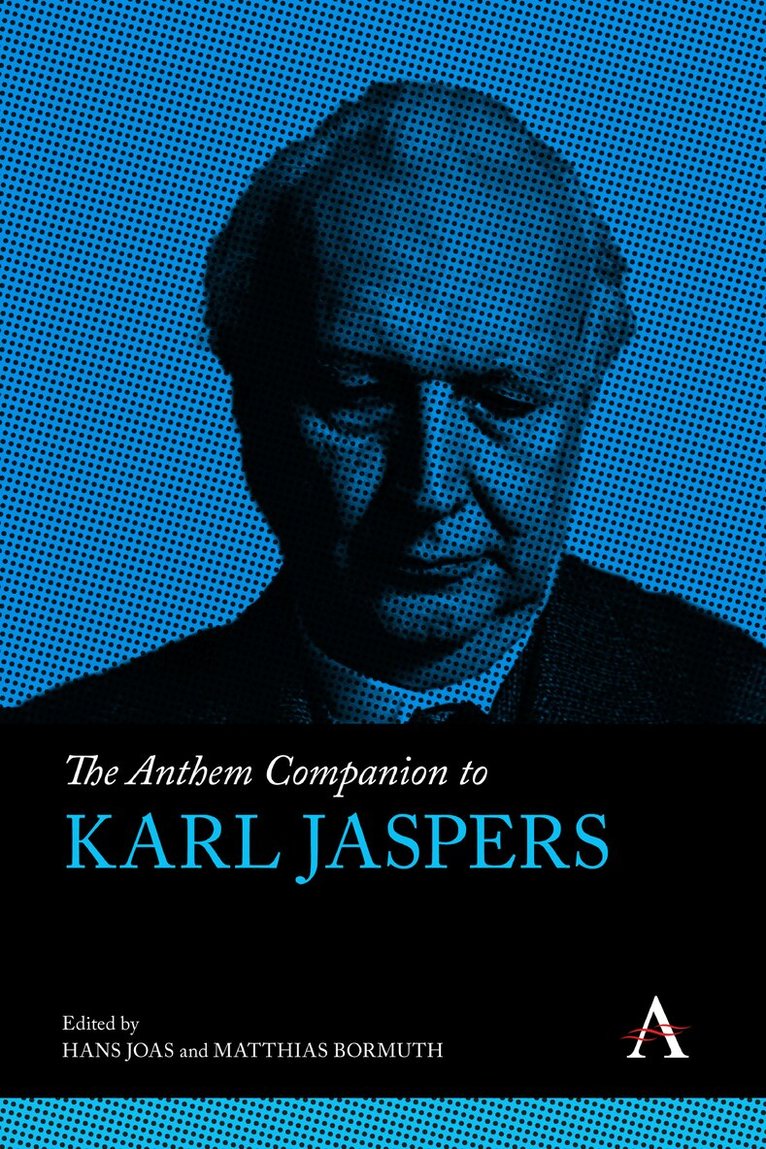
Anthem Companion to Karl Jaspers
Av Hans Joas, Matthias Bormuth
Inbunden, 2025
1596 kr
Lägg i varukorg
This collection of articles by an international group of leading experts has its special focus on the relevance of Karl Jaspers’s philosophy for the social sciences. It also includes classical evaluations of Jaspers’s thinking by renowned authors Talcott Parsons and Jürgen Habermas. Several …
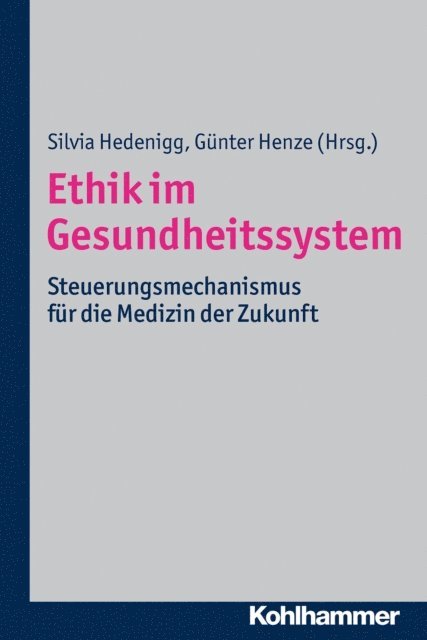
Ethik im Gesundheitssystem
Steuerungsmechanismus für die Medizin der Zukunft
Av Matthias Bormuth, Frank Schneider
E-bok, 2013
295 kr
Lägg i varukorg
Der Alltag der Medizin sowie gesundheitspolitische Lösungsstrategien legen nahe, dass unser Gesundheitssystem maßgeblich vom biomedizinisch-technischen Fortschritt und der Finanzierbarkeit geprägt ist. In diesem Band kommen Mediziner, Juristen und Gesundheitswissenschaftler zu Wort, die der …
Ethik im Gesundheitssystem
Steuerungsmechanismus für die Medizin der Zukunft
Av Matthias Bormuth, Frank Schneider
E-bok, 2013
295 kr
Lägg i varukorg
Der Alltag der Medizin sowie gesundheitspolitische Lösungsstrategien legen nahe, dass unser Gesundheitssystem maßgeblich vom biomedizinisch-technischen Fortschritt und der Finanzierbarkeit geprägt ist. In diesem Band kommen Mediziner, Juristen und Gesundheitswissenschaftler zu Wort, die der …
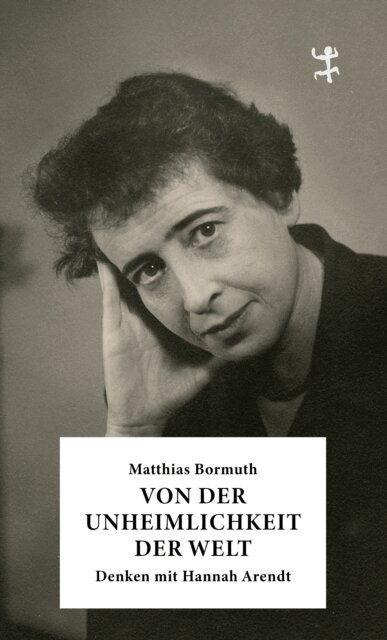
Von der Unheimlichkeit der Welt
Denken mit Hannah Arendt
E-bok, 2025
187 kr
Lägg i varukorg
In seinem ideengeschichtlichen Porträt entlang ihrer wichtigsten Werke bringt uns Matthias Bormuth das Denken Hannah Arendts im Spiegel unserer Gegenwart ganz nah. Er bietet eine Lektüreanleitung und zugleich eine Anleitung zum Selberdenken. Dabei folgt er Arendts Lebensspuren, von ihren Anfängen …
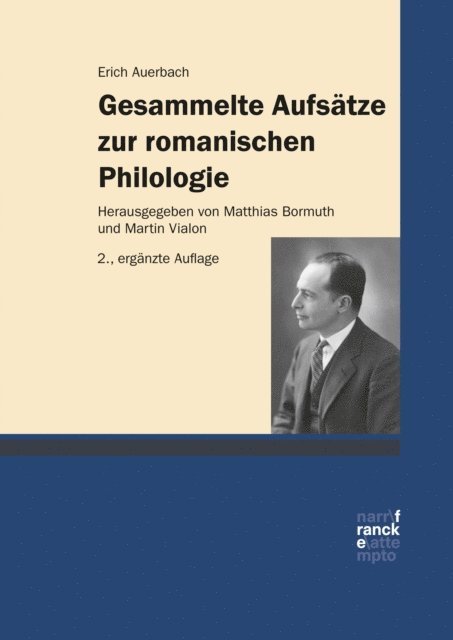
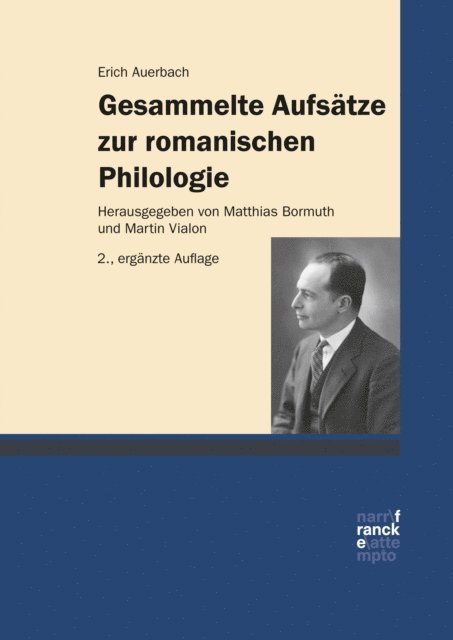
Gesammelte Aufsätze zur romanischen Philologie
Herausgegeben und ergänzt um Aufsätze, Primärbibliographie und Nachwort von Matthias Bormuth und Martin Vialon
Av Erich Auerbach, Martin Vialon m. fl.
E-bok, 2018
889 kr
Lägg i varukorg
Seit dem Erscheinen von "Mimesis. Dargestellte Wirklichkeit in der abendländischen Literatur" im Jahr 1946 ist Erich Auerbach (18921957) als Klassiker der Geisteswissenschaften bekannt. Die Entstehung des Buches im Istanbuler Exil ohne westliche Bibliotheken ist legendär. Weniger bekannt sind seine …
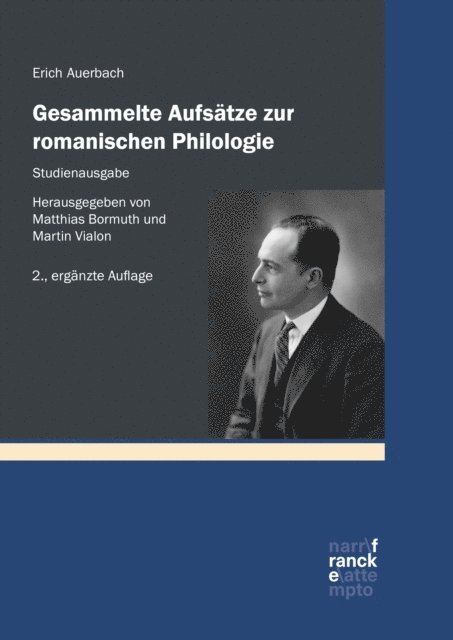
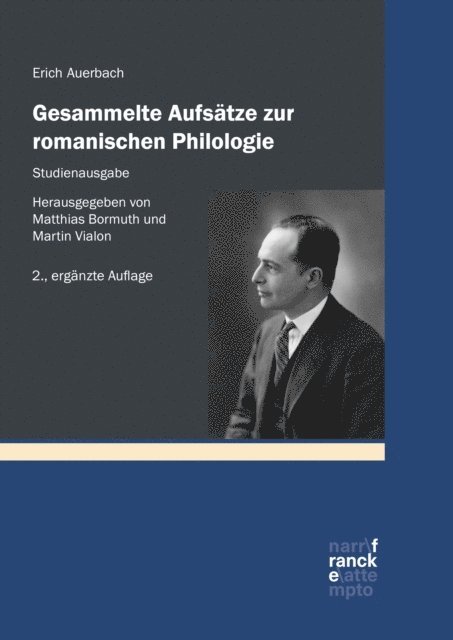
Gesammelte Aufsätze zur romanischen Philologie – Studienausgabe
Herausgegeben und ergänzt um Aufsätze, Primärbibliographie und Nachwort von Matthias Bormuth und Martin Vialon
Av Erich Auerbach, Martin Vialon m. fl.
E-bok, 2021
272 kr
Lägg i varukorg
Seit dem Erscheinen von "Mimesis. Dargestellte Wirklichkeit in der abendländischen Literatur" im Jahr 1946 ist Erich Auerbach (1892-1957) als Klassiker der Geisteswissenschaften bekannt. Die Entstehung des Buches im Istanbuler Exil ohne westliche Bibliotheken ist legendär. Weniger bekannt sind …
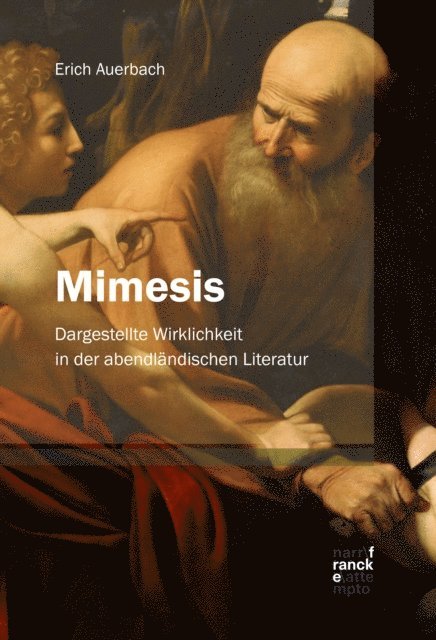
Mimesis
Dargestellte Wirklichkeit in der abendländischen Literatur
Av Erich Auerbach, Olaf Muller m. fl.
E-bok, 2024
295 kr
Lägg i varukorg
Erich Auerbach (1892-1957) lehrte Romanische Philologie an der Universität Marburg, bevor er im nationalsozialistischen Deutschland seine Professur verlor und einem Ruf nach Istanbul folgte. Im türkischen Exil entstand - ohne eine europäische Forschungsbibliothek - sein Hauptwerk "Mimesis". Nach …
Gesammelte Aufsätze zur romanischen Philologie
Herausgegeben und ergänzt um Aufsätze, Primärbibliographie und Nachwort von Matthias Bormuth und Martin Vialon
Av Erich Auerbach, Martin Vialon m. fl.
E-bok, 2018
889 kr
Lägg i varukorg
Seit dem Erscheinen von "Mimesis. Dargestellte Wirklichkeit in der abendländischen Literatur" im Jahr 1946 ist Erich Auerbach (18921957) als Klassiker der Geisteswissenschaften bekannt. Die Entstehung des Buches im Istanbuler Exil ohne westliche Bibliotheken ist legendär. Weniger bekannt sind seine …
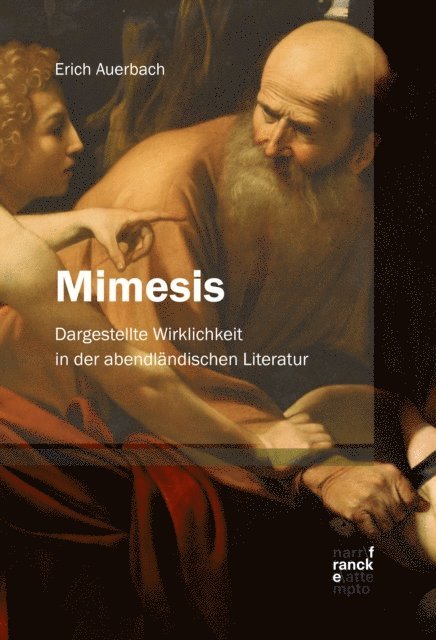
Mimesis
Dargestellte Wirklichkeit in der abendländischen Literatur
Av Erich Auerbach, Olaf Muller m. fl.
E-bok, 2024
295 kr
Lägg i varukorg
Erich Auerbach (1892-1957) lehrte Romanische Philologie an der Universität Marburg, bevor er im nationalsozialistischen Deutschland seine Professur verlor und einem Ruf nach Istanbul folgte. Im türkischen Exil entstand - ohne eine europäische Forschungsbibliothek - sein Hauptwerk "Mimesis". Nach …
Gesammelte Aufsätze zur romanischen Philologie – Studienausgabe
Herausgegeben und ergänzt um Aufsätze, Primärbibliographie und Nachwort von Matthias Bormuth und Martin Vialon
Av Erich Auerbach, Martin Vialon m. fl.
E-bok, 2021
272 kr
Lägg i varukorg
Seit dem Erscheinen von "Mimesis. Dargestellte Wirklichkeit in der abendländischen Literatur" im Jahr 1946 ist Erich Auerbach (1892-1957) als Klassiker der Geisteswissenschaften bekannt. Die Entstehung des Buches im Istanbuler Exil ohne westliche Bibliotheken ist legendär. Weniger bekannt sind …
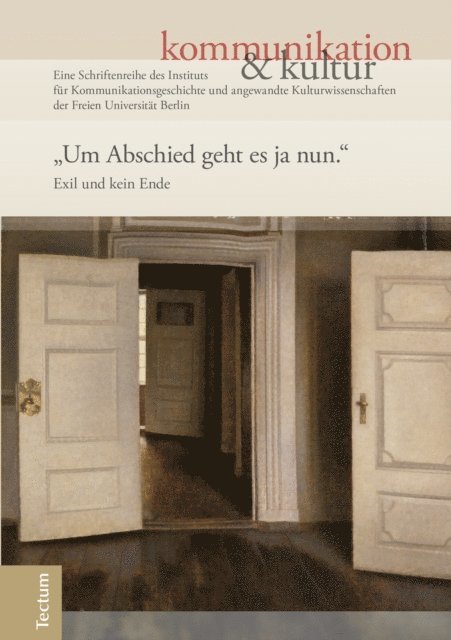
"Um Abschied geht es ja nun."
Exil und kein Ende
Av Matthias Bormuth, Hermann Haarmann
E-bok, 2015
322 kr
Lägg i varukorg
Das Abschied-nehmen-müssen ist ein Grundmotiv menschlichen Lebens. Mit der Vergeschichtlichung der Zeit und der Dynamisierung der Geschichte multiplizieren sich die Formen und Gründe des Abschiednehmens. So haben die Katastrophen des 20. Jahrhunderts die Reflexionsfigur des Abschieds grundsätzlich …
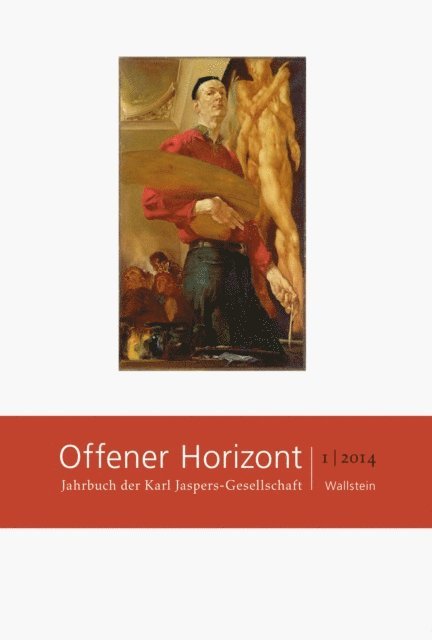
Offener Horizont
Jahrbuch der Karl Jaspers-Gesellschaft 1/2014
E-bok, 2014
272 kr
Lägg i varukorg
Erstmalig publiziert die Karl Jaspers-Gesellschaft ein Jahrbuch.Der »Offener Horizont" betitelte Band des Jahrbuchs der Karl Jaspers-Gesellschaft enthält ausgewählte Vorträge, die vom Juni 2013 bis zum Juni 2014 zumeist im Karl Jaspers-Haus gehalten wurden.Erstmalig publiziert die Karl …
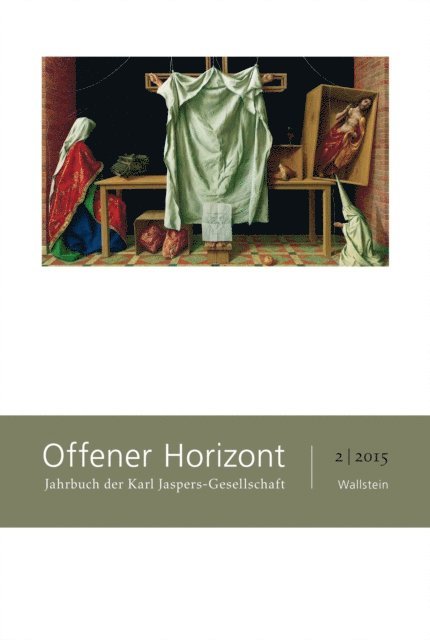
Offener Horizont
Jahrbuch der Karl Jaspers-Gesellschaft 2/2015
E-bok, 2015
272 kr
Lägg i varukorg
Das Jahrbuch Offener Horizont enthält vor allem eine Auswahl von Vorträgen und zugehörigen Texten, die im Oldenburger Karl Jaspers-Haus 2014/15 gehalten wurden.Mit Beitragen u. a. von Erich Auerbach, Eduard Beaucamp, Ulrich v. Bülow, Jan Bürger, Wolfgang Frühwald, Jeanne Hersch, Richard Hüttel, …
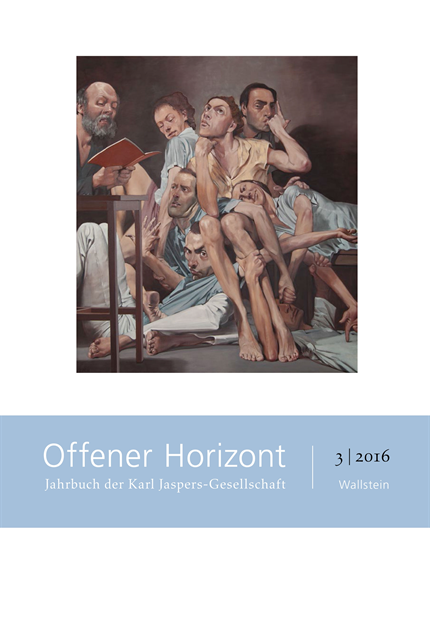
Offener Horizont
Jahrbuch der Karl Jaspers-Gesellschaft 3/2016
E-bok, 2016
272 kr
Lägg i varukorg
Das Jahrbuch Offener Horizont enthält vor allem eine Auswahl von Vorträgen und zugehörigen Texten, die im Oldenburger Karl Jaspers-Haus 2015/16 gehalten wurden.Mit Beitragen u. a. von Hannah Arendt, Eduard Beaucamp, Matthias Bormuth, Jürgen Egyptien, Albrecht Fabri, Wolfgang Frühwald, Hermann …
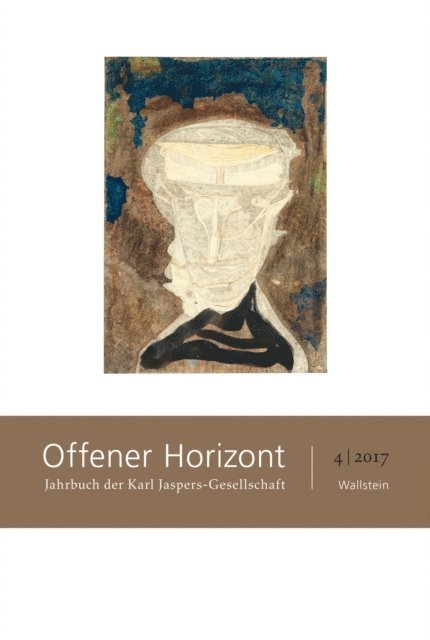
Offener Horizont
Jahrbuch der Karl Jaspers-Gesellschaft 4/2017
E-bok, 2018
272 kr
Lägg i varukorg
Das Jahrbuch Offener Horizont enthält v. a. eine Auswahl von Vorträgen und Texten, die im Oldenburger Karl Jaspers-Haus 2016/17 gehalten wurden.Mit Beitragen u. a. von Hannah Arendt, Eduard Beaucamp, Matthias Bormuth, Jürgen Egyptien, Albrecht Fabri, Wolfgang Frühwald, Johannes Grützke, Hermann …
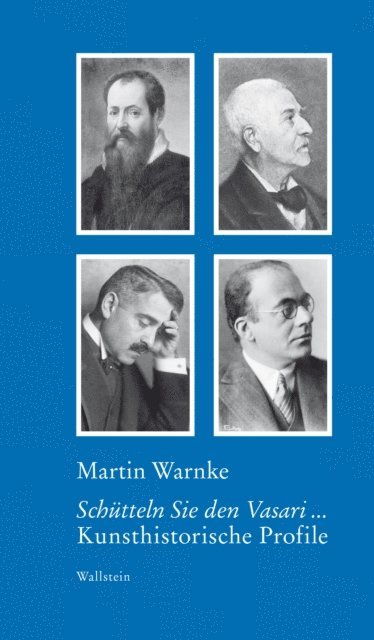
Schütteln Sie den Vasari ...
Kunsthistorische Profile
Av Martin Warnke, Matthias Bormuth
E-bok, 2018
170 kr
Lägg i varukorg
Martin Warnke bietet kunsthistorische Profile von Vasari bis zur Gegenwart. Seine Gespräche und Essays pointieren die subversive Kraft der Kunst. Martin Warnke skizziert in sublimer Eleganz kunsthistorische Profile, die von Vasari über Jacob Burckhardt bis zu Klassikern des 20. Jahrhunderts …
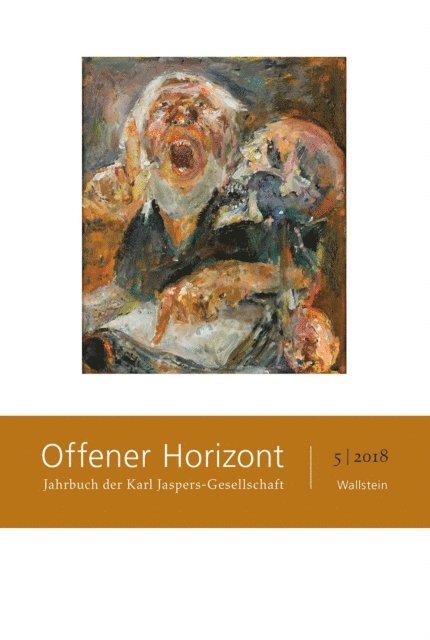
Offener Horizont
Jahrbuch der Karl Jaspers-Gesellschaft 5/2018
E-bok, 2019
272 kr
Lägg i varukorg
Das Jahrbuch Offener Horizont enthält vor allem eine Auswahl von Vorträgen und zugehörigen Texten, die im Oldenburger Karl Jaspers-Haus 2017/18 gehalten wurden.Mit Beiträgen u. a. von Erich Auerbach, Eduard Beaucamp, Matthias Bormuth, Giovanna Cordibelli, Benedetto Croce, Eckart Gilles, Jeanne …
Künstlerlegenden
Kritische Ansichten
Av Martin Warnke, Matthias Bormuth
E-bok, 2019
170 kr
Lägg i varukorg
Essays über die altmeisterliche Kunst Europas.Martin Warnke schrieb für ein größeres Publikum über vier Jahrzehnte Essays zur altmeisterlichen Kunst Europas. Er nahm Ausstellungen und Bücher unter anderem zu Dürer, Leonardo, Rembrandt und Velászquez zum Anlass seiner kritischen Ansichten, die …
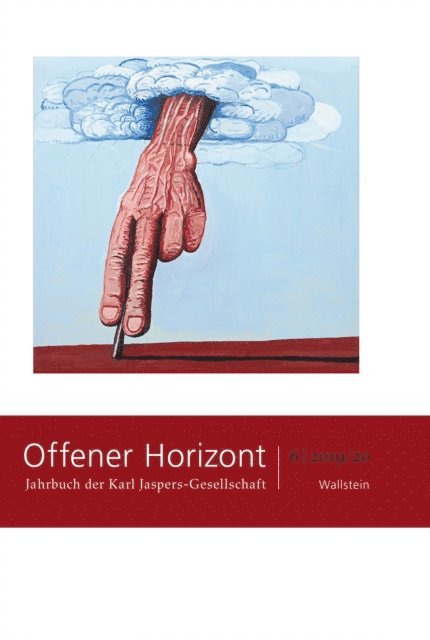
Offener Horizont
Jahrbuch der Karl Jaspers-Gesellschaft 6/2019
E-bok, 2020
272 kr
Lägg i varukorg
Das Jahrbuch Offener Horizont enthält vor allem eine Auswahl von Vorträgen und zugehörigen Texten, die im Oldenburger Karl Jaspers-Haus 2018/19 gehalten wurden.Mit Beiträgen u. a. von Jeremy Adler, Hannah Arendt, Franziska Augstein, Roland Berbig, Gunilla Budde, Franz Fühmann, Volker Gerhardt, …
Warburgs Schnecke
Kulturwissenschaftliche Skizzen
Av Martin Warnke, Matthias Bormuth
E-bok, 2021
181 kr
Lägg i varukorg
Von der reformatorischen Bildpolitik über Goyas Gesten und die Masken der Kunst, die Jacob Burckhardt beschrieb, spannen Warnkes kulturwissenschaftliche Essays den Bogen bis zur passionierten Erinnerungsarbeit Aby Warburgs.Die kulturwissenschaftlichen Skizzen gehen von der reformatorischen …
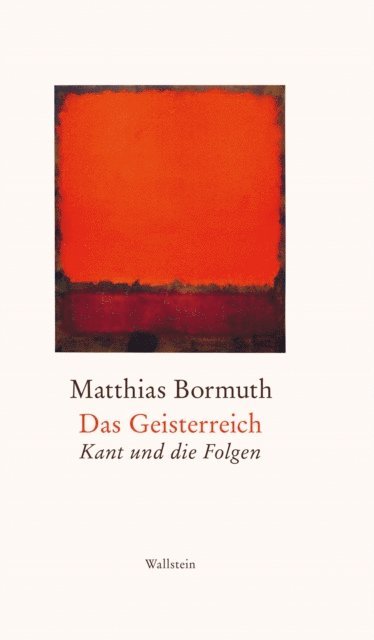
Das Geisterreich
Kant und die Folgen
E-bok, 2021
181 kr
Lägg i varukorg
In der Aufklärung prägte Kant die Idee weltbürgerlicher Freiheit. Karl Jaspers und Hannah Arendt sprachen von einem "Geisterreich", dem die Essays in vielen anderen Werken nachspüren.Aufklärung soll nach Kant zu weltbürgerlicher Freiheit führen. Die weitreichenden Folgen, welche diese Idee in …
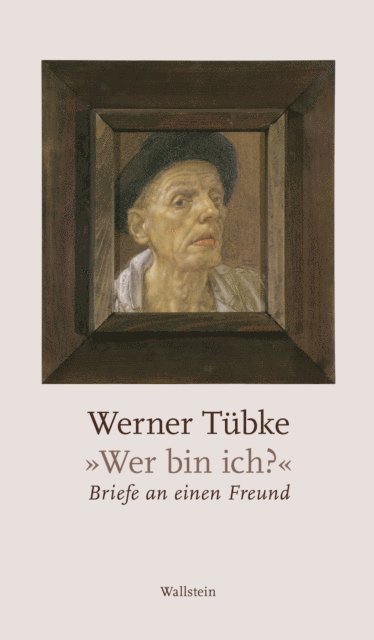
"Wer bin ich?"
Briefe an einen Freund
Av Werner Tubke, Annika Michalski m. fl.
E-bok, 2021
227 kr
Lägg i varukorg
Werner Tübke teilte seine Selbstbefragung in einer Zeit des gesellschaftlichen Umbruchs mit dem Kunstkritiker Eduard Beaucamp. Die Briefe an den Freund sind zeit- und kunstgeschichtliche Fragmente, aber auch als persönliche Konfession zu lesen.Die Kunst Werner Tübkes (1929 -2004) fand ihren …
Die Freiheit zum Tode
Versuch über Wolfgang Herrndorf
E-bok, 2021
125 kr
Lägg i varukorg
Ein Essay über Wolfgang Herrndorfs Blog »Arbeit und Struktur«, in dem er sein Schreiben, Sterben und seine Freiheit zum Tode reflektiert.Kurz nachdem Wolfgang Herrndorf 2010 an einem Hirntumor erkrankte, begann er den Blog Arbeit und Struktur. Der Titel war Programm. Nun fand er die Energie und …