
Issues in Southwest Archaeology - Böcker
Visar alla böcker i serien Issues in Southwest Archaeology. Handla med fri frakt och snabb leverans.
12 produkter
12 produkter
1 559 kr
Tillfälligt slut
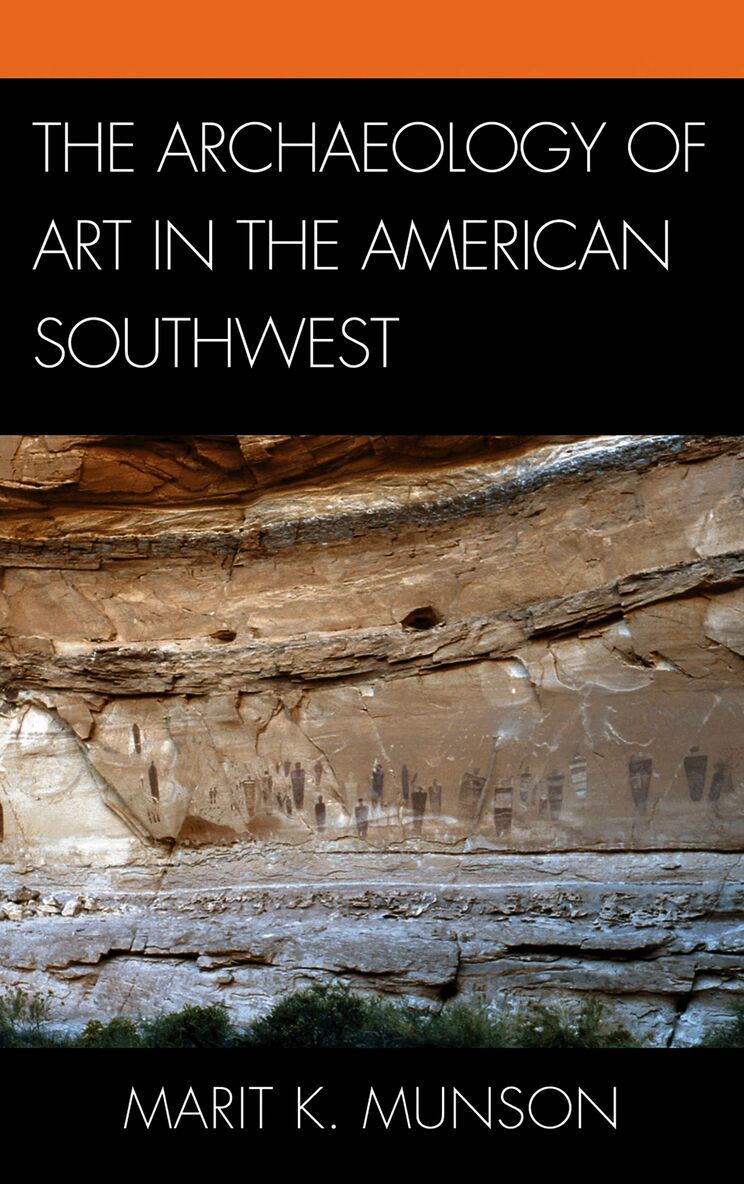
Archaeologists seldom study ancient art, even though art is fundamental to the human experience. The Archaeology of Art in the American Southwest argues that archaeologists should study ancient artifacts as artwork, as applying the term "art" to the past raises new questions about artists, audiences, and the works of art themselves. Munson proposes that studies of ancient artwork be based on standard archaeological approaches to material culture, framed by theoretical insights of disciplines such as art history, visual studies, and psychology. Using examples drawn from the American Southwest, The Archaeology of Art in the American Southwest discusses artistic practice in ancestral Pueblo and Mimbres ceramics and the implications of context and accessibility for the audiences of painted murals and rock art. Studies of Hohokam figurines and rock art illustrate methods for studying ancient images, while the aesthetics of ancient art are suggested by work on ceramics and kivas from Chaco Canyon. This book will be of interest to archaeologists working in the Southwest who want to broaden their perspective on the past. It will also appeal to archaeologists in other parts of the world and to anthropologists, art historians, and those who are intrigued by the material world, aesthetics, and the visual.
1 383 kr
Skickas inom 10-15 vardagar
This book is about the tangled relationship between Native peoples and archaeologists in the American Southwest. Even as this relationship has become increasingly significant for both "real world" archaeological practice and studies in the history of anthropology, no other single book has synthetically examined how Native Americans have shaped archaeological practice in the Southwest and how archaeological practice has shaped Native American communities. From oral traditions to repatriations to disputes over sacred sites, the next generation of archaeologists (as much as the current generation) needs to grapple with the complex social and political history of the Southwest's Indigenous communities, the values and interests those communities have in their own cultural legacies, and how archaeological science has impacted and continues to impact Indian country.
585 kr
Skickas inom 10-15 vardagar
This book is about the tangled relationship between Native peoples and archaeologists in the American Southwest. Even as this relationship has become increasingly significant for both "real world" archaeological practice and studies in the history of anthropology, no other single book has synthetically examined how Native Americans have shaped archaeological practice in the Southwest and how archaeological practice has shaped Native American communities. From oral traditions to repatriations to disputes over sacred sites, the next generation of archaeologists (as much as the current generation) needs to grapple with the complex social and political history of the Southwest's Indigenous communities, the values and interests those communities have in their own cultural legacies, and how archaeological science has impacted and continues to impact Indian country.
1 209 kr
Skickas inom 10-15 vardagar
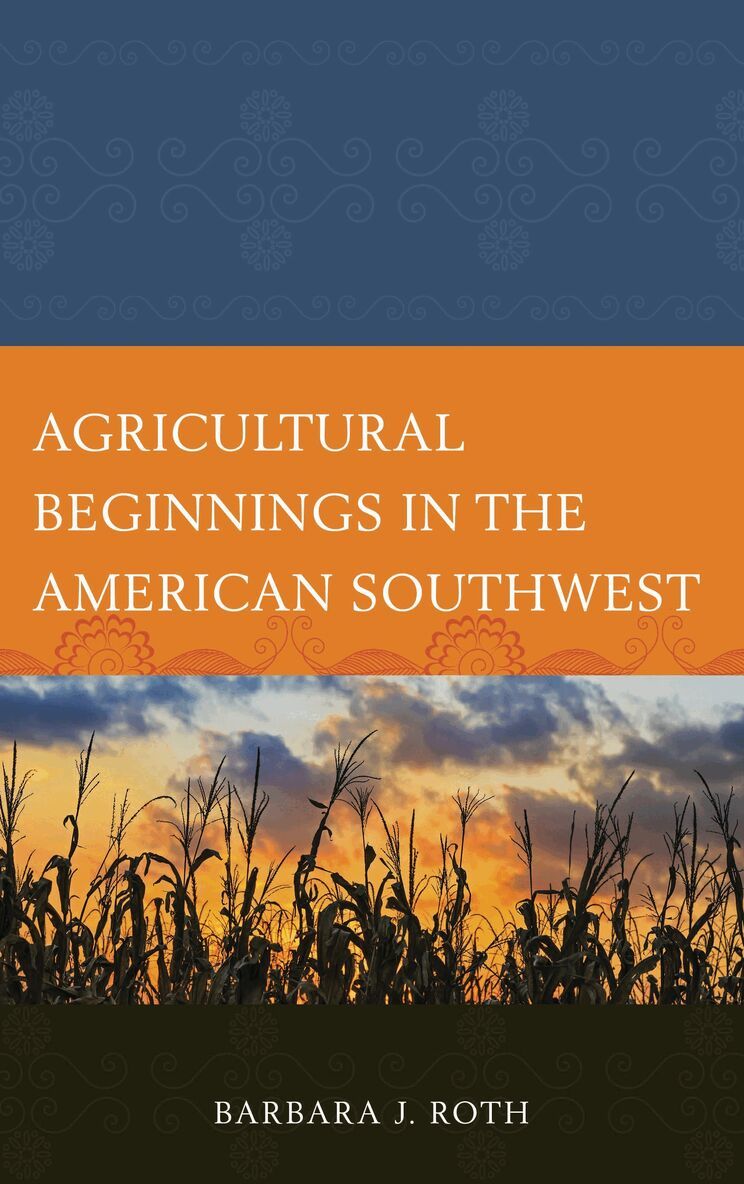
How did agriculture come about in the American Southwest? What environmental and social factors led to the cultivation of plants? How, in turn, did the use of these new agricultural products affect the ancient peoples living in the region? In pursuit of answers to these questions, Barbara Roth synthesizes data from both CRM and academic research to explore the emergence and impact of Southwestern agriculture.Roth examines agricultural beginnings across the entire Southwest, both northern and southern, and across culture groups residing there. Beyond simply addressing the arrival and widespread adoption of specific cultigens, she pays particular attention to human factors such as patterns of production andvariability in agricultural developments. Her consideration of broad social and environmental dynamics affecting forager diets and adaptive strategies sheds new light on what we know—and what we should ask—about the transition fromforaging to farming.
1 314 kr
Skickas inom 10-15 vardagar
In From Huhugam to Hohokam: Heritage and Archaeology in the American Southwest, J. Brett Hill examines the history of O’odham heritage as it was recorded at the beginning of European conquest. A parallel history of scientific exploration is then traced forward to produce intricate models of the coming and going of ancient peoples. Throughout this history, Native accounts were routinely dismissed as an inferior kind of knowledge. More recently, though, a revolutionary change has taken hold in archaeology as Native insights and premises are integrated into scientific thought. Integration was once suspected of undermining basic principles of knowledge, but J. Brett Hill contends that it provides a deeper and more accurate sense of the connection between living and ancient people. Hill combines three decades of experience in archaeology with a liberal arts perspective to produce something for readers at all levels in the fields of anthropology, Native American studies, history, museum studies, and other heritage disciplines
612 kr
Skickas inom 10-15 vardagar
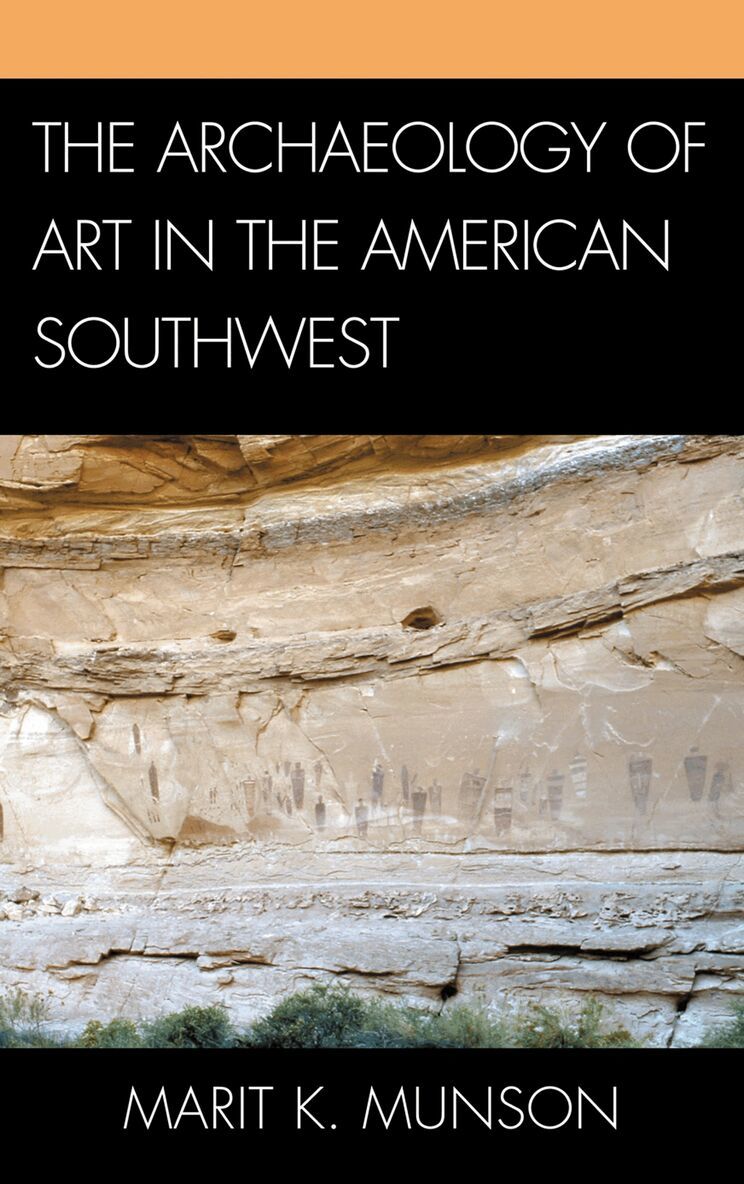
Archaeologists seldom study ancient art, even though art is fundamental to the human experience. The Archaeology of Art in the American Southwest argues that archaeologists should study ancient artifacts as artwork, as applying the term "art" to the past raises new questions about artists, audiences, and the works of art themselves. Munson proposes that studies of ancient artwork be based on standard archaeological approaches to material culture, framed by theoretical insights of disciplines such as art history, visual studies, and psychology. Using examples drawn from the American Southwest, The Archaeology of Art in the American Southwest discusses artistic practice in ancestral Pueblo and Mimbres ceramics and the implications of context and accessibility for the audiences of painted murals and rock art. Studies of Hohokam figurines and rock art illustrate methods for studying ancient images, while the aesthetics of ancient art are suggested by work on ceramics and kivas from Chaco Canyon. This book will be of interest to archaeologists working in the Southwest who want to broaden their perspective on the past. It will also appeal to archaeologists in other parts of the world and to anthropologists, art historians, and those who are intrigued by the material world, aesthetics, and the visual.
599 kr
Skickas inom 10-15 vardagar
How did agriculture come about in the American Southwest? What environmental and social factors led to the cultivation of plants? How, in turn, did the use of these new agricultural products affect the ancient peoples living in the region? In pursuit of answers to these questions, Barbara Roth synthesizes data from both CRM and academic research to explore the emergence and impact of Southwestern agriculture.Roth examines agricultural beginnings across the entire Southwest, both northern and southern, and across culture groups residing there. Beyond simply addressing the arrival and widespread adoption of specific cultigens, she pays particular attention to human factors such as patterns of production andvariability in agricultural developments. Her consideration of broad social and environmental dynamics affecting forager diets and adaptive strategies sheds new light on what we know—and what we should ask—about the transition fromforaging to farming.
530 kr
Skickas inom 10-15 vardagar
In From Huhugam to Hohokam: Heritage and Archaeology in the American Southwest, J. Brett Hill examines the history of O’odham heritage as it was recorded at the beginning of European conquest. A parallel history of scientific exploration is then traced forward to produce intricate models of the coming and going of ancient peoples. Throughout this history, Native accounts were routinely dismissed as an inferior kind of knowledge. More recently, though, a revolutionary change has taken hold in archaeology as Native insights and premises are integrated into scientific thought. Integration was once suspected of undermining basic principles of knowledge, but J. Brett Hill contends that it provides a deeper and more accurate sense of the connection between living and ancient people. Hill combines three decades of experience in archaeology with a liberal arts perspective to produce something for readers at all levels in the fields of anthropology, Native American studies, history, museum studies, and other heritage disciplines
1 177 kr
Skickas inom 10-15 vardagar
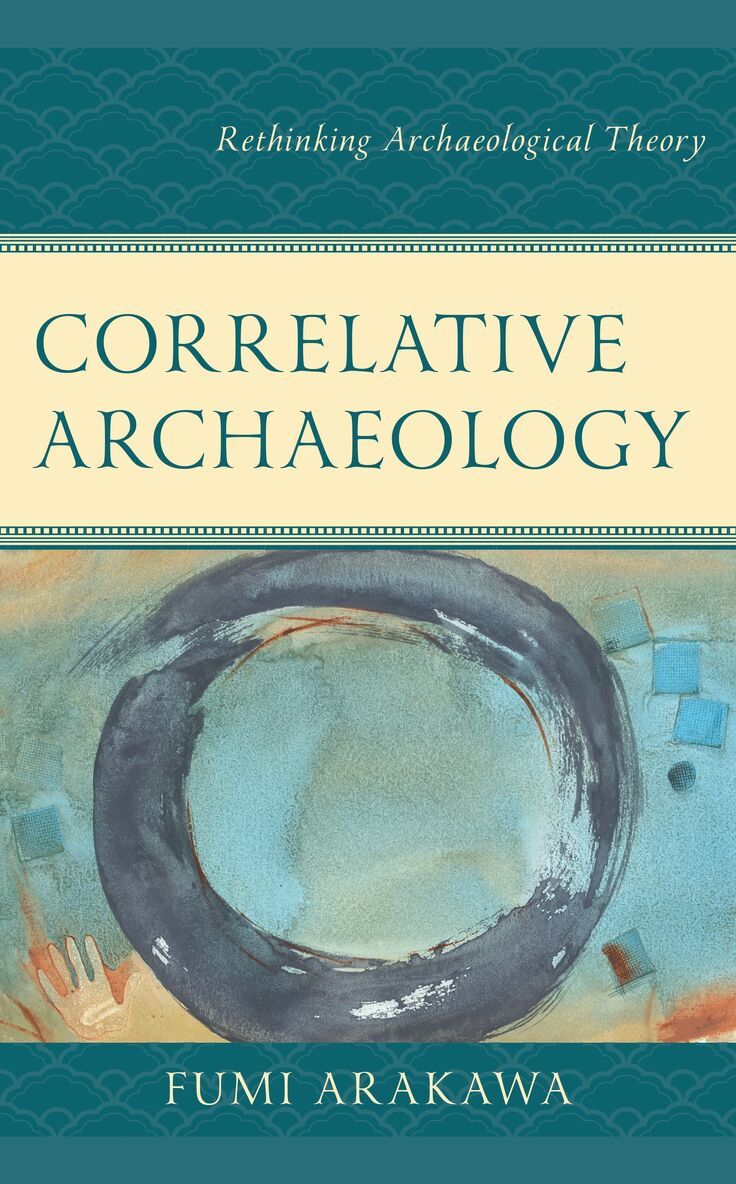
In Correlative Archaeology, Fumi Arakawa applies correlative thinking practices, which are derived from an East Asian view of the world that stresses connectivity, to archaeological interpretations. Arakawa, a Japanese scholar who was trained in Western archaeology, argues that a correlative paradigm can help archaeologists, as well as scholars and researchers from other disciplines, consider competing paradigms and integrate Native American voices and narratives into interpretations of prehistoric art and landscapes.
420 kr
Skickas inom 10-15 vardagar
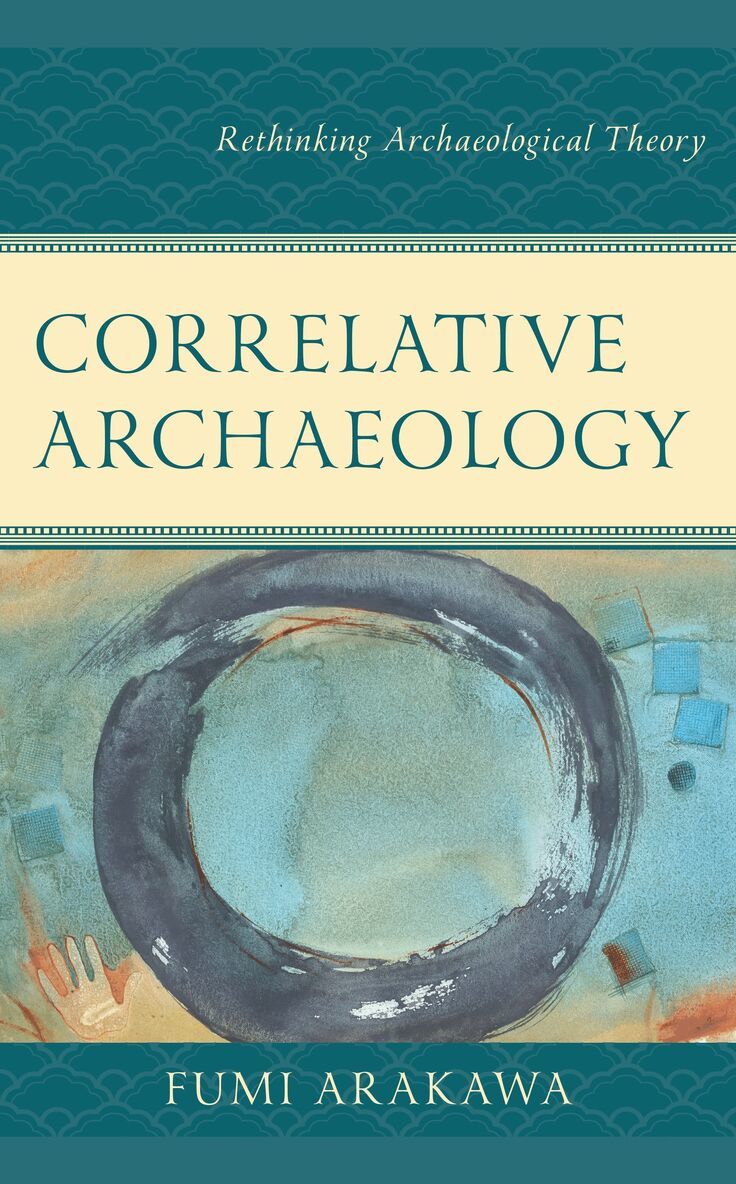
In Correlative Archaeology, Fumi Arakawa applies correlative thinking practices, which are derived from an East Asian view of the world that stresses connectivity, to archaeological interpretations. Arakawa, a Japanese scholar who was trained in Western archaeology, argues that a correlative paradigm can help archaeologists, as well as scholars and researchers from other disciplines, consider competing paradigms and integrate Native American voices and narratives into interpretations of prehistoric art and landscapes.
1 520 kr
Skickas inom 10-15 vardagar
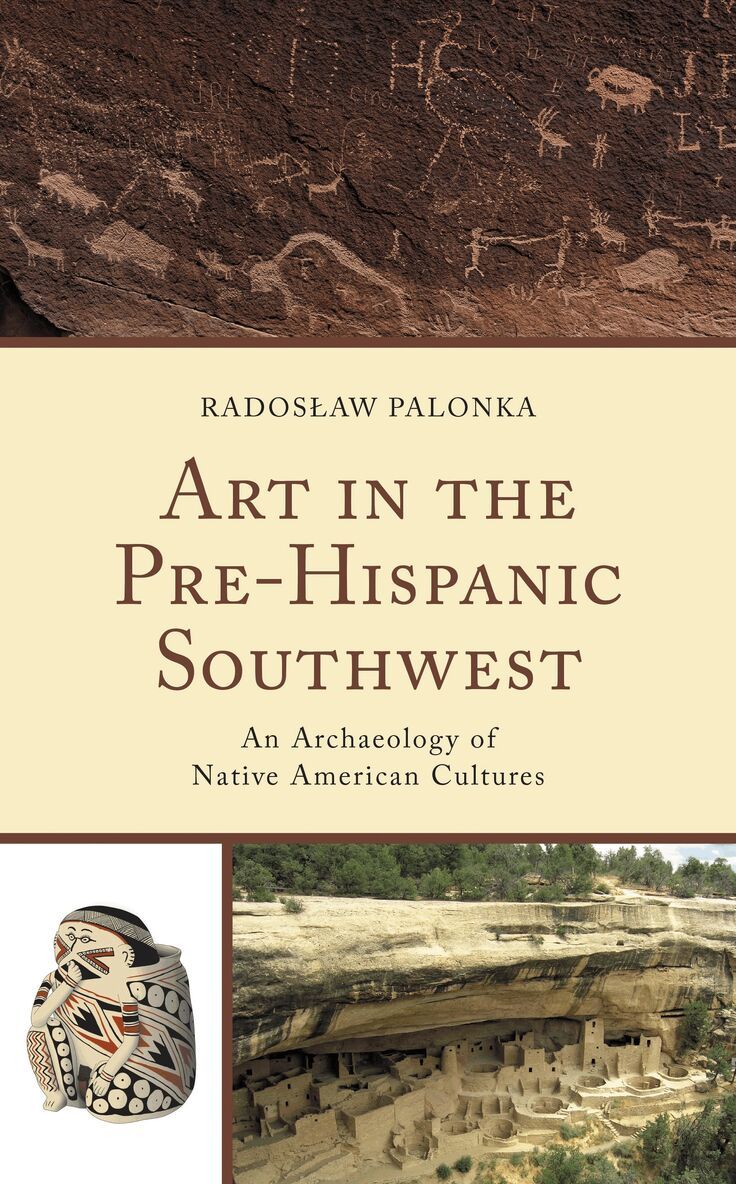
In Art in the Pre-Hispanic Southwest: An Archaeology of Native American Cultures, Radoslaw Palonka reconstructs the development of pre-Hispanic Native American cultures and tribes in the American Southwest and Mexican Northwest. Palonka also examines the wider context through the lenses of settlement studies and social transformation, while paying close attention to the material manifestations of pre-Hispanic beliefs, including intricately decorated ceramics and rock art iconography in paintings and petroglyphs.
502 kr
Skickas inom 10-15 vardagar
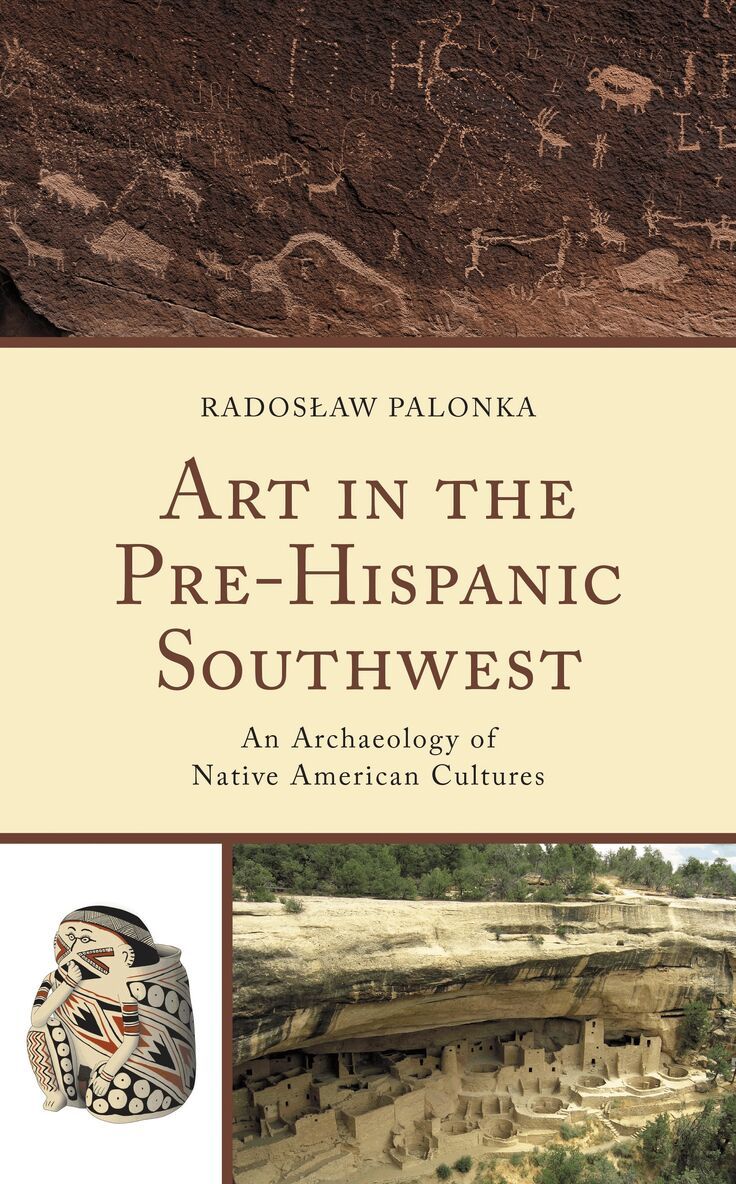
In Art in the Pre-Hispanic Southwest: An Archaeology of Native American Cultures, Radoslaw Palonka reconstructs the development of pre-Hispanic Native American cultures and tribes in the American Southwest and Mexican Northwest. Palonka also examines the wider context through the lenses of settlement studies and social transformation, while paying close attention to the material manifestations of pre-Hispanic beliefs, including intricately decorated ceramics and rock art iconography in paintings and petroglyphs.