Adam C. Berger – författare
Visar alla böcker från författaren Adam C. Berger. Handla med fri frakt och snabb leverans.
18 produkter
18 produkter
Häftad, Engelska, 2011
267 kr
Skickas
Ten years after the sequencing of the human genome, scientists have developed genetic tests that can predict a person's response to certain drugs, estimate the risk of developing Alzheimer's disease, and make other predictions based on known links between genes and diseases. However, genetic tests have yet to become a routine part of medical care, in part because there is not enough evidence to show they help improve patients' health. The Institute of Medicine (IOM) held a workshop to explore how researchers can gather better evidence more efficiently on the clinical utility of genetic tests. Generating Evidence for Genomic Diagnostic Test Development compares the evidence that is required for decisions regarding clearance, use, and reimbursement, to the evidence that is currently generated. The report also addresses innovative and efficient ways to generate high-quality evidence, as well as barriers to generating this evidence. Generating Evidence for Genomic Diagnostic Test Development contains information that will be of great value to regulators and policymakers, payers, health-care providers, researchers, funders, and evidence-based review groups.
Häftad, Engelska, 2014
326 kr
Skickas
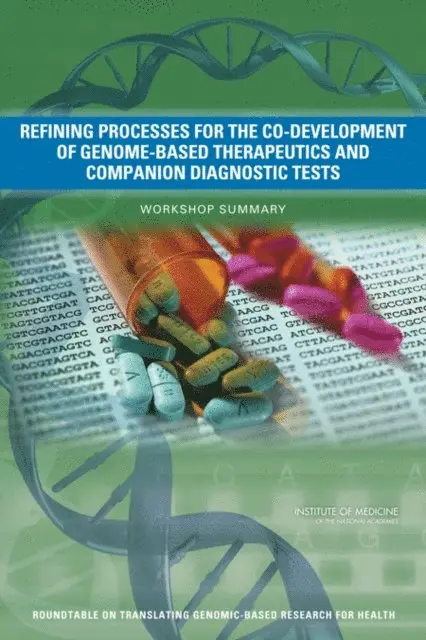
Many drug developers have examined new strategies for creating efficiencies in their development processes, including the adoption of genomics-based approaches. Genomic data can identify new drug targets for both common and rare diseases, can predict which patients are likely to respond to a specific treatment, and has the potential to significantly reduce the cost of clinical trials by reducing the number of patients that must be enrolled in order to demonstrate safety and efficacy. A key component of the approval of targeted therapeutics is the ability to identify the population of patients who will benefit from treatment, and this has largely hinged on the co-development and co-submission to the FDA of a companion diagnostic test.The co-development process, or the development of the test and drug for the simultaneous submission to FDA, has led to a major alteration in the way that drugs are being developed, with traditionally separate entities-pharmaceutical and diagnostic companies-now working in close collaboration.Refining Processes for the Co-Development of Genome-Based Therapeutics and Companion Diagnostic Tests is the summary of a workshop held by the Roundtable on Translating Genomic-Based Research for Health on February 27, 2013 to examine and discuss challenges and potential solutions for the codevelopment of targeted therapeutics and companion molecular tests for the prediction of drug response. Prior to the workshop, key stakeholders, including laboratory and medical professional societies, were individually asked to provide possible solutions to resolve the concerns raised about co-development of companion diagnostic tests and therapies. Workshop speakers were charged with addressing these solutions in their presentations by providing insight on (1) whether the proposed solutions address the problems described, (2) whether there are other solutions to propose, and (3) what steps could be taken to effectively implement the proposed solutions.
Häftad, Engelska, 2015
385 kr
Skickas
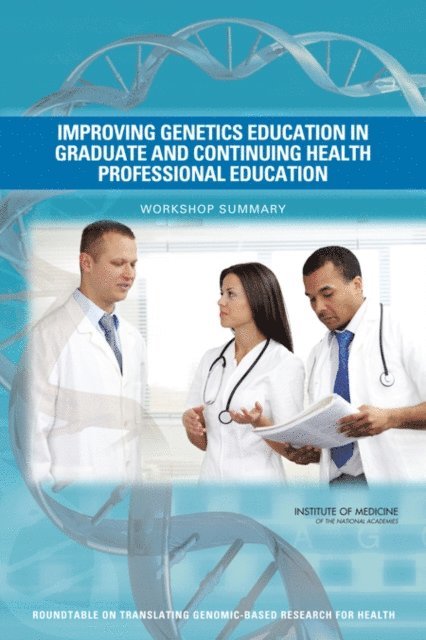
Many health care providers do not have either the knowledge or the tools they need in order to apply genetic information in their day-to-day practices. This lack of support is contributing to a substantial delay in the translation of genetic research findings, when appropriate, into improvement in patient outcomes within the health care system. Although the need to improve genetics knowledge among health care providers is clear, the best approaches to educating health care providers in a way that produces meaningful changes in clinical practice are not, especially given the competing coursework and training needs that exist in today's increasingly complex health care settings. To examine the potential and the challenges of providing genetics education, the Roundtable on Translating Genomic-Based Research for Health of the Institute of Medicine hosted a workshop on August 18, 2014.The workshop examined a variety of approaches that could improve the teaching of genetics in the graduate and continuing education of health professionals; these approaches included online and interactive instruction, just-in-time approaches, the development of clinical decision-support tools, and the incorporation of genetics requirements into licensing and accreditation. This report summarizes the presentations and discussion of the event.
Inbunden, Engelska, 2015
800 kr
Skickas inom 10-15 vardagar
This issue of Surgical Oncology Clinics of North America, edited by Adam Berger, is devoted to Melanoma. Articles in this issue include: Current Staging and Prognostic Factors in Melanoma; Melanoma Pathology; Surgical Treatment of Primary and Recurrent Melanoma; Sentinel Lymph Node Mapping and Its Importance for Melanoma in the 21st Century; Lymph Node Dissection for Stage 3 Melanoma; Metastasectomy for Stage IV Melanoma; Local/Injectional Therapies for Satellite and In-Transit Disease; Regional Therapies for In-Transit Disease; Role for Radiation Therapy in Melanoma; Update on Immunotherapy for Melanoma; Targeted Therapies in Melanoma; and Evidence for Long-Term Follow-up of Melanoma Patients.
Häftad, Engelska, 2010
585 kr
Tillfälligt slut
Knowing one's genetic disposition to a variety of diseases, including common chronic diseases, can benefit both the individual and society at large. The IOM's Roundtable on Translating Genomic-Based Research for Health held a workshop on March 22, 2010, to bring together diverse perspectives on the value of genetic testing, and to discuss its use in clinical practice.
Häftad, Engelska, 2010
491 kr
Tillfälligt slut
Newborn screening samples are used to test more than 4 million infants each year for life-threatening diseases that are treatable if found at birth. These specimens also represent a potentially invaluable resource for public health and biomedical research. The IOM held a workshop to examine issues surrounding the use of residual specimens for translational research.
Häftad, Engelska, 2011
269 kr
Tillfälligt slut
Despite the many basic research discoveries in genetics, relatively few gene-based treatments, drugs, or preventative measures have been developed. One way to bridge this gap may be for industry, academia, and government to develop partnerships that share resources while distributing risk. However, intellectual property protections and other barriers can inhibit collaborative efforts. The Institute of Medicine held a workshop on July 22, 2010, to explore these issues and develop solutions.
Häftad, Engelska, 2012
338 kr
Tillfälligt slut
The initial sequencing of the human genome, carried out by an international group of experts, took 13 years and $2.7 billion to complete. In the decade since that achievement, sequencing technology has evolved at such a rapid pace that today a consumer can have his or her entire genome sequenced by a single company in a matter of days for less than $10,000, though the addition of interpretation may extend this timeframe. Given the rapid technological advances, the potential effect on the lives of patients, and the increasing use of genomic information in clinical care, it is important to address how genomics data can be integrated into the clinical setting. Genetic tests are already used to assess the risk of breast and ovarian cancers, to diagnose recessive diseases such as cystic fibrosis, to determine drug dosages based on individual patient metabolism, and to identify therapeutic options for treating lung and breast tumors, melanoma, and leukemia.With these issues in mind and considering the potential impact that genomics information can have on the prevention, diagnosis, and treatment of disease, the Roundtable on Translating Genomic-Based Research for Health hosted a workshop on July 19, 2011, to highlight and identify the challenges and opportunities in integrating large-scale genomic information into clinical practice. Integrating Large-Scale Genomic Information into Clinical Practice summarizes the speaker presentations and the discussions that followed them. This report focuses on several key topics, including the analysis, interpretation, and delivery of genomic information plus workforce, ethical, and legal issues.
Häftad, Engelska, 2012
326 kr
Tillfälligt slut
The sequencing of the human genome and the identification of associations between specific genetic variants and diseases have led to an explosion of genomic-based diagnostic tests. These tests have the potential to direct therapeutic interventions, predict risk or onset of disease, or detect residual disease. As research progresses and an increasing number of associations are found, further tests will be developed that can aid in providing personalized treatment options for patients. However, the adoption of genomic diagnostic tests by health care providers has been limited due to a lack of evidence regarding the clinical utility of many tests. Health funders and practitioners lack the data necessary to distinguish which tests can improve practice or the clinical settings in which tests will provide the greatest value. The Roundtable on Translating Genomic-Based Research for Health held a workshop in November 2010 to determine what evidence is needed and how it is viewed by different stakeholders in order to develop genomic diagnostic tests of clinical value. Genome-Based Diagnostics summarizes the presentations and discussions that took place throughout the workshop.Two presentations, in particular, sparked extensive discussion. One presentation proposed that all genomic diagnostic tests be reviewed and approved by the Food and Drug Administration. The other observed that venture capitalists are no longer investing substantially in the development of genomic diagnostic tests because of a lack of clarity surrounding regulatory and reimbursement pathways. Both presentations suggested the need for major changes in the systems used to develop, regulate, and reimburse genomic diagnostic tests. The report also presents the perspectives of different stakeholders in the development of genomic diagnostic tests. Each stakeholder group has a different set of needs and issues of importance, yet commonalities among them are apparent, such as the need to put patients and health outcomes at the center of discussion and action.
Häftad, Engelska, 2012
329 kr
Tillfälligt slut
The number of new drug approvals has remained reasonably steady for the past 50 years at around 20 to 30 per year, while at the same time the total spending on health-related research and development has tripled since 1990. There are many suspected causes for this trend, including increases in regulatory barriers, the rising costs of scientific inquiry, a decrease in research and development efficiency, the downstream effects of patient expirations on investment, and the lack of production models that have successfully incorporated new technology. Regardless, this trajectory is not economically sustainable for the businesses involved, and, in response, many companies are turning toward collaborative models of drug development, whether with other industrial firms, academia, or government. Introducing greater efficiency and knowledge into these new models and aligning incentives among participants may help to reverse the trends highlighted above, while producing more effective drugs in the process. Genome-Based Therapeutics explains that new technologies have the potential to open up avenues of development and to identify new drug targets to pursue.Specifically, improved validation of gene-disease associations through genomics research has the potential to revolutionize drug production and lower development costs. Genetic information has helped developers by increasing their understanding of the mechanisms of disease as well as individual patients' reactions to their medications. There is a need to identify the success factors for the various models that are being developed, whether they are industry-led, academia-led, or collaborations between the two. Genome-Based Therapeutics summarizes a workshop that was held on March 21, 2012, titled New Paradigms in Drug Discovery: How Genomic Data Are Being Used to Revolutionize the Drug Discovery and Development Process. At this workshop the goal was to examine the general approaches being used to apply successes achieved so far, and the challenges ahead.
Häftad, Engelska, 2013
349 kr
Tillfälligt slut
Genome-Based Diagnostics: Demonstrating Clinical Utility in Oncology is the summary of a workshop convened in May 2012 by the Roundtable on Translating Genomic-Based Research for Health and the Center for Medical Technology Policy of the Institute of Medicine to foster the identified need for further sustained dialogue between stakeholders regarding the clinical utility of molecular diagnostics. The workshop brought together a wide range of stakeholders, including patients, health care providers, policy makers, payers, diagnostic test developers, researchers, and guideline developers, to identify the challenges and opportunities in advancing the development and use of molecular diagnostic tests designed to guide the treatment and management of patients with cancer. The sequencing of the human genome has greatly accelerated the process of linking specific genetic variants with disease. These findings have yielded a rapidly increasing number of molecular diagnostic tests designed to guide disease treatment and management.Many of these tests are aimed at determining the best treatments for specific forms of cancer, making oncology a valuable testing ground for the use of molecular diagnostic tests in medicine in general. Nevertheless, many questions surround the clinical value of molecular diagnostic tests, and their acceptance by clinicians, payers, and patients has been unpredictable. A major limiting factor for the use of these tests has been the lack of clear evidence of clinical utility. Genome-Based Diagnostics assesses the evidentiary requirements for clinical utility of molecular diagnostics used to guide treatment decisions for patients with cancer; discusses methodologies related to demonstrating these evidentiary requirements that meet the needs of all stakeholders; and considers innovative, sustainable research collaborations for generating evidence of clinical utility involving multiple stakeholders.
Häftad, Engelska, 2013
385 kr
Tillfälligt slut
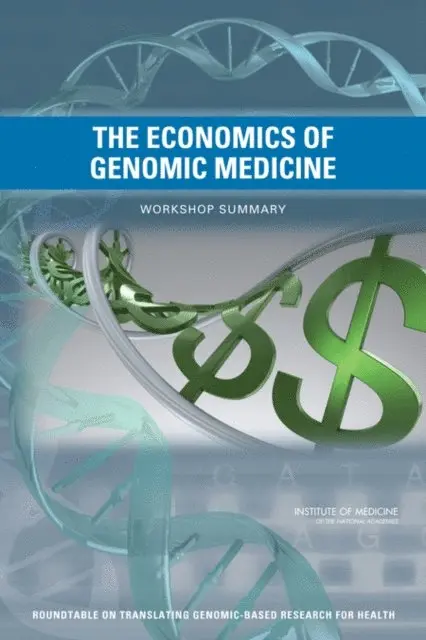
The sequencing of the human genome and the identification of links between specific genetic variants and diseases have led to tremendous excitement over the potential of genomics to direct patient treatment toward more effective or less harmful interventions. Still, the use of whole genome sequencing challenges the traditional model of medical care where a test is ordered only when there is a clear indication for its use and a path for downstream clinical action is known. This has created a tension between experts who contend that using this information is premature and those who believe that having such information will empower health care providers and patients to make proactive decisions regarding lifestyle and treatment options. In addition, some stakeholders are concerned that genomic technologies will add costs to the health care system without providing commensurate benefits, and others think that health care costs could be reduced by identifying unnecessary or ineffective treatments. Economic models are frequently used to anticipate the costs and benefits of new health care technologies, policies, and regulations.Economic studies also have been used to examine much more specific issues, such as comparing the outcomes and cost effectiveness of two different drug treatments for the same condition. These kinds of analyses offer more than just predictions of future health care costs. They provide information that is valuable when implementing and using new technologies. Unfortunately, however, these economic assessments are often limited by a lack of data on which to base the examination. This particularly affects health economics, which includes many factors for which current methods are inadequate for assessing, such as personal utility, social utility, and patient preference. To understand better the health economic issues that may arise in the course of integrating genomic data into health care, the Roundtable on Translating Genomic-Based Research for Health hosted a workshop in Washington, DC, on July 17-18, 2012, that brought together economists, regulators, payers, biomedical researchers, patients, providers, and other stakeholders to discuss the many factors that may influence this implementation.The workshop was one of a series that the roundtable has held on this topic, but it was the first focused specifically on economic issues. The Economics of Genomic Medicine summarizes this workshop.
Häftad, Engelska, 2014
338 kr
Tillfälligt slut
The process for translating basic science discoveries into clinical applications has historically involved a linear and lengthy progression from initial discovery to preclinical testing, regulatory evaluation and approval, and, finally, use in clinical practice. The low rate of translation from basic science to clinical application has been a source of frustration for many scientists, clinicians, investors, policy makers, and patients who hoped that investments in research would result in improved products and processes for patients. Some feel that the anticipated deliverables from the Human Genome Project have not yet materialized, and although understanding of human health and disease biology has increased, there has not been a concomitant increase in the number of approved drugs for patients over the past 10 years. Improving the Efficiency and Effectiveness of Genomic Science Translation is the summary of a workshop convened by the Institute of Medicine Roundtable on Translating Genomic-Based Research for Health in December 2012 to explore ways to improve the efficiency and effectiveness of the translation of genomic science to clinical practice.The workshop convened academic researchers, industry representatives, policy makers, and patient advocates to explore obstacles to the translation of research findings to clinical practice and to identify opportunities to support improvement of the early stages of the process for translation of genetic discoveries. This report discusses the realignment of academic incentives, the detection of innovative ways to fund translational research, and the generation or identification of alternative models that accurately reflect human biology or disease to provide opportunities to work across sectors to advance the translation of genomic discoveries.
Häftad, Engelska, 2014
361 kr
Tillfälligt slut
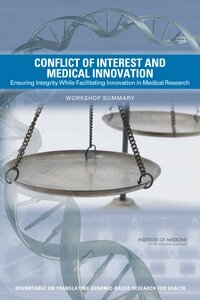
Scientific advances such as the sequencing of the human genome have created great promise for improving human health by providing a greater understanding of disease biology and enabling the development of new drugs, diagnostics, and preventive services. However, the translation of research advances into clinical applications has so far been slower than anticipated. This is due in part to the complexity of the underlying biology as well as the cost and time it takes to develop a product. Pharmaceutical companies are adapting their business models to this new reality for product development by placing increasing emphasis on leveraging alliances, joint development efforts, early-phase research partnerships, and public-private partnerships. These collaborative efforts make it possible to identify new drug targets, enhance the understanding of the underlying basis of disease, discover novel indications for the use of already approved products, and develop biomarkers for disease outcomes or directed drug use.While the potential benefits of collaboration are significant, the fact that the relationships among development partners are often financial means that it is vital to ensure trust by identifying, disclosing, and managing any potential sources of conflict that could create bias in the research being performed together. Conflict of Interest and Medical Innovation is the summary of a workshop convened by the Institute of Medicine Roundtable on Translating Genomic-Based Research for Health in June 2013 to explore the appropriate balance between identifying and managing conflicts of interest and advancing medical innovation. A wide range of stakeholders, including government officials, pharmaceutical company representatives, academic administrators and researchers, health care providers, medical ethicists, patient advocates, and consumers, were invited to present their perspectives and participate in discussions during the workshop. This report focuses on current conflict of interest policies and their effect on medical innovation in an effort to identify best practices and potential solutions for facilitating innovation while still ensuring scientific integrity and public trust.
Häftad, Engelska, 2014
352 kr
Tillfälligt slut
Drug development can be time-consuming and expensive. Recent estimates suggest that, on average, it takes 10 years and at least $1 billion to bring a drug to market. Given the time and expense of developing drugs de novo, pharmaceutical companies have become increasingly interested in finding new uses for existing drugs - a process referred to as drug repurposing or repositioning. Historically, drug repurposing has been largely an unintentional, serendipitous process that took place when a drug was found to have an offtarget effect or a previously unrecognized on-target effect that could be used for identifying a new indication. Perhaps the most recognizable example of such a successful repositioning effort is sildenafil. Originally developed as an anti-hypertensive, sildenafil, marketed as Viagra and under other trade names, has been repurposed for the treatment of erectile dysfunction and pulmonary arterial hypertension. Viagra generated more than $2 billion worldwide in 2012 and has recently been studied for the treatment of heart failure.Given the widespread interest in drug repurposing, the Roundtable on Translating Genomic-Based Research for Health of the Institute of Medicine hosted a workshop on June 24, 2013, in Washington, DC, to assess the current landscape of drug repurposing activities in industry, academia, and government. Stakeholders, including government officials, pharmaceutical company representatives, academic researchers, regulators, funders, and patients, were invited to present their perspectives and to participate in workshop discussions. Drug Repurposing and Repositioning is the summary of that workshop. This report examines enabling tools and technology for drug repurposing; evaluates the business models and economic incentives for pursuing a repurposing approach; and discusses how genomic and genetic research could be positioned to better enable a drug repurposing paradigm.
361 kr
Tillfälligt slut
Stem cells offer tremendous promise for advancing health and medicine. Whether being used to replace damaged cells and organs or else by supporting the body's intrinsic repair mechanisms, stem cells hold the potential to treat such debilitating conditions as Parkinson's disease, diabetes, and spinal cord injury. Clinical trials of stem cell treatments are under way in countries around the world, but the evidence base to support the medical use of stem cells remains limited. Despite this paucity of clinical evidence, consumer demand for treatments using stem cells has risen, driven in part by a lack of available treatment options for debilitating diseases as well as direct-to-consumer advertising and public portrayals of stem cell-based treatments. Clinics that offer stem cell therapies for a wide range of diseases and conditions have been established throughout the world, both in newly industrialized countries such as China, India, and Mexico and in developed countries such as the United States and various European nations.Though these therapies are often promoted as being established and effective, they generally have not received stringent regulatory oversight and have not been tested with rigorous trials designed to determine their safety and likely benefits. In the absence of substantiated claims, the potential for harm to patients - as well as to the field of stem cell research in general - may outweigh the potential benefits. To explore these issues, the Institute of Medicine, the National Academy of Sciences, and the International Society for Stem Cell Research held a workshop in November 2013. Stem Cell Therapies summarizes the workshop. Researchers, clinicians, patients, policy makers, and others from North America, Europe, and Asia met to examine the global pattern of treatments and products being offered, the range of patient experiences, and options to maximize the well-being of patients, either by protecting them from treatments that are dangerous or ineffective or by steering them toward treatments that are effective.This report discusses the current environment in which patients are receiving unregulated stem cell offerings, focusing on the treatments being offered and their risks and benefits. The report considers the evidence base for clinical application of stem cell technologies and ways to assure the quality of stem cell offerings.
Häftad, Engelska, 2014
397 kr
Tillfälligt slut
Rapid advances in technology have lowered the cost of sequencing an individual's genome from the several billion dollars that it cost a decade ago to just a few thousand dollars today and have correspondingly greatly expanded the use of genomic information in medicine. Because of the lack of evidence available for assessing variants, evaluation bodies have made only a few recommendations for the use of genetic tests in health care. For example, organizations, such as the Evaluation of Genomic Applications in Practice and Prevention working group, have sought to set standards for the kinds of evaluations needed to make population-level health decisions. However, due to insufficient evidence, it has been challenging to recommend the use of a genetic test. An additional challenge to using large-scale sequencing in the clinic is that it may uncover "secondary," or "incidental," findings - genetic variants that have been associated with a disease but that are not necessarily related to the conditions that led to the decision to use genomic testing.Furthermore, as more genetic variants are associated with diseases, new information becomes available about genomic tests performed previously, which raises issues about how and whether to return this information to physicians and patients and also about who is responsible for the information. To help develop a better understanding of how genomic information is used for healthcare decision making, the Roundtable on Translating Genomic-Based Research for Health of the Institute of Medicine held a workshop in Washington,DC in February 2014. Stakeholders, including clinicians, researchers, patients, and government officials, discussed the issues related to the use of genomic information in medical practice. Assessing Genomic Sequencing Information for Health Care Decision Making is the summary of that workshop. This report compares and contrasts evidence evaluation processes for different clinical indications and discusses key challenges in the evidence evaluation process.
Häftad, Engelska, 2015
352 kr
Tillfälligt slut
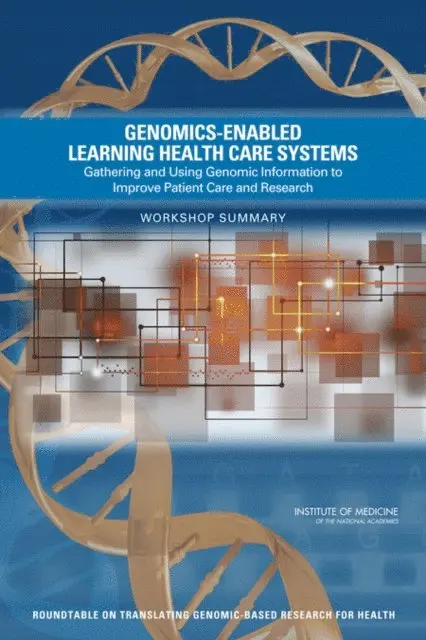
The inclusion of genomic data in a knowledge-generating health care system infrastructure is one promising way to harness the full potential of that information to provide better patient care. In such a system, clinical practice and research influence each other with the goal of improving the efficiency and effectiveness of disease prevention, diagnosis, and treatment. To examine pragmatic approaches to incorporating genomics in learning health care systems, the Institute of Medicine Roundtable on Translating Genomic-Based Research for Health hosted a workshop which convened a variety of stakeholder groups, including commercial developers, health information technology professionals, clinical providers, academic researchers, patient groups, and government and health system representatives, to present their perspectives and participate in discussions on maximizing the value that can be obtained from genomic information. The workshop examined how a variety of systems are capturing and making use of genomic data to generate knowledge for advancing health care in the 21st century.It also sought to evaluate the challenges, opportunities, and best practices for capturing or using genomic information in knowledge-generating health care systems. Genomics-Enabled Learning Health Care Systems summarizes the presentations and discussion of the workshop.