Alexander N. Christakis - Böcker
Visar alla böcker från författaren Alexander N. Christakis. Handla med fri frakt och snabb leverans.
6 produkter
6 produkter
597 kr
Skickas inom 7-10 vardagar
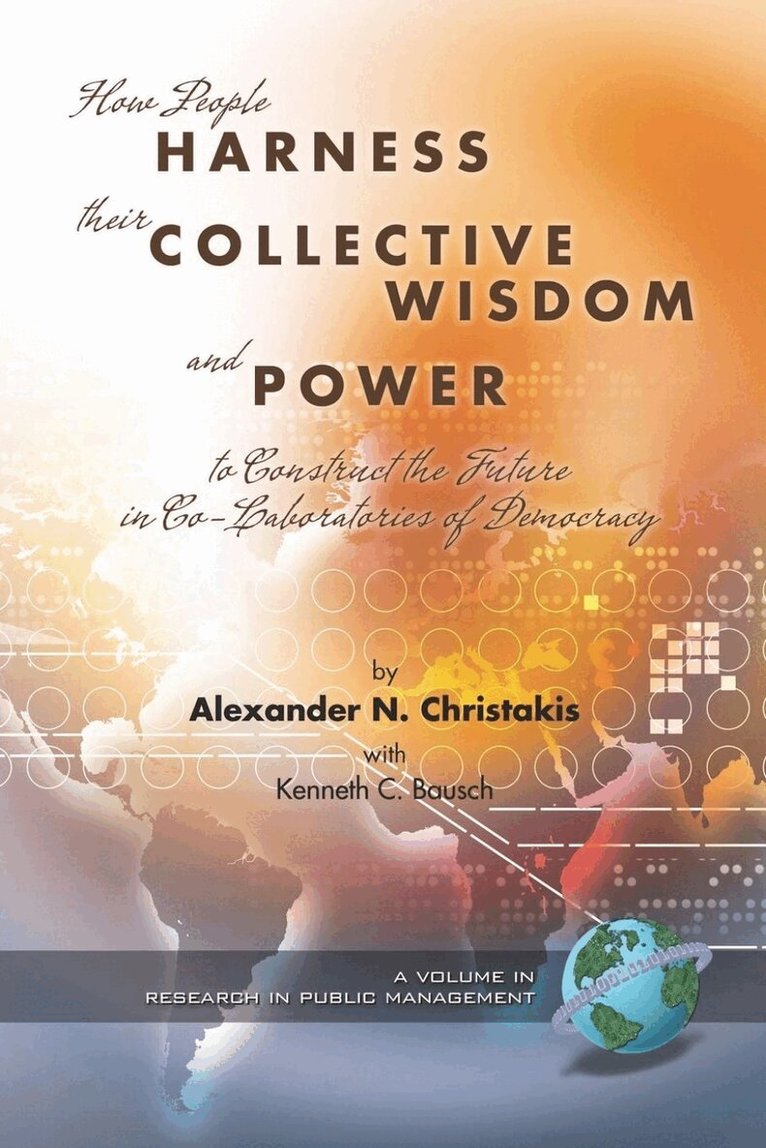
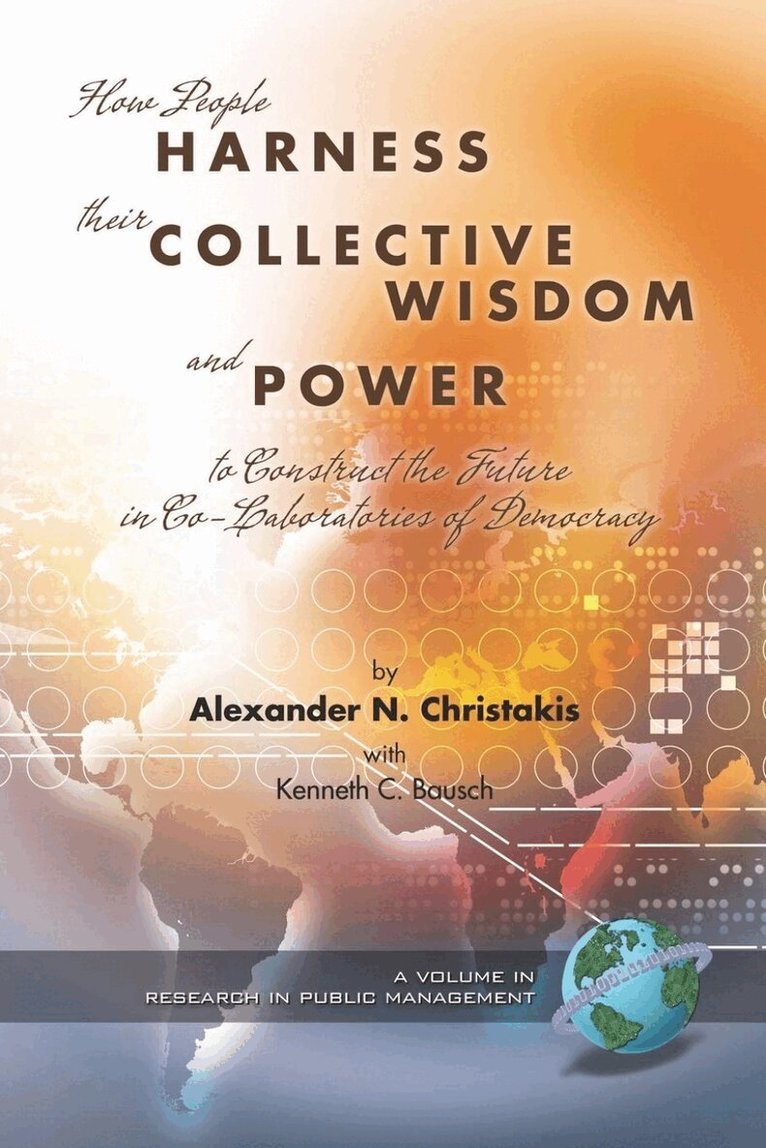
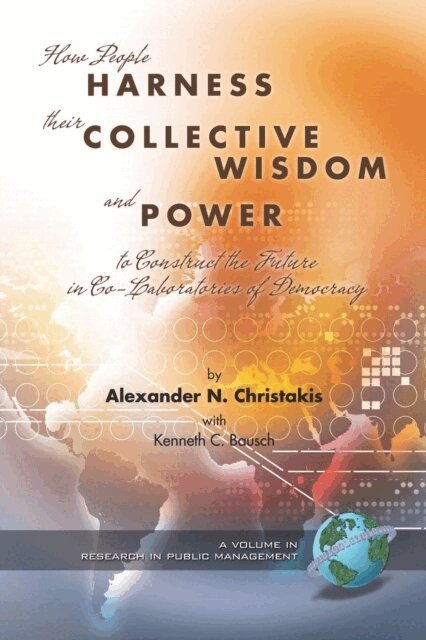
We have all experienced the benefits of dialogue when we openly and thoughtfully confront issues. We have also experienced the frustration of interminable discussion that does not lead to progress. Co-Laboratories of Democracy enable large, diverse groups to dialogue and generate positive results. Many group processes engender enthusiasm and good feeling as people share their concerns and hopes with each other. Co-Laboratories go beyond this initial euphoria to:Discover root causes; Adopt consensual action plans; Develop teams dedicated to implementing those plans; and Generate lasting bonds of respect, trust, and cooperation.Co-Laboratories achieve these results by respecting the autonomy of all participants, and utilizing an array of consensus tools including discipline, technology and graphics that allow the stakeholders to control the discussion. These are explained in depth in a book authored by Alexander N. Christakis with Kenneth C. Bausch: Co-Laboratories of Democracy: How People Harness Their Collective Wisdom to Create the Future (Information Age, 2006).Co-Laboratories are a refinement of Interactive Management, a decision and design methodology developed over the past 30 years to deal with very complex situations involving diverse stakeholders. It has been successfully employed all over the world in situations of uncertainty and conflict. On Cyprus, for example, it has been used to bridge the divide between the Turkish and Greek factions on the island. It is currently being employed on that island to help Palestinian authorities organize their government.Co-Laboratories in one day can draw together a diverse group of people on an issue, elicit authentic feelings and respectful listening, generate agreed upon language, and identify leverage points for effective action. Participants will be able to generate a consensual action plan. Co-Laboratories generate real respect, understanding, and cooperation among participants and do it rapidly.
1 057 kr
Skickas inom 7-10 vardagar
We have all experienced the benefits of dialogue when we openly and thoughtfully confront issues. We have also experienced the frustration of interminable discussion that does not lead to progress. Co-Laboratories of Democracy enable large, diverse groups to dialogue and generate positive results. Many group processes engender enthusiasm and good feeling as people share their concerns and hopes with each other. Co-Laboratories go beyond this initial euphoria to:Discover root causes; Adopt consensual action plans; Develop teams dedicated to implementing those plans; and Generate lasting bonds of respect, trust, and cooperation.Co-Laboratories achieve these results by respecting the autonomy of all participants, and utilizing an array of consensus tools including discipline, technology and graphics that allow the stakeholders to control the discussion. These are explained in depth in a book authored by Alexander N. Christakis with Kenneth C. Bausch: Co-Laboratories of Democracy: How People Harness Their Collective Wisdom to Create the Future (Information Age, 2006).Co-Laboratories are a refinement of Interactive Management, a decision and design methodology developed over the past 30 years to deal with very complex situations involving diverse stakeholders. It has been successfully employed all over the world in situations of uncertainty and conflict. On Cyprus, for example, it has been used to bridge the divide between the Turkish and Greek factions on the island. It is currently being employed on that island to help Palestinian authorities organize their government.Co-Laboratories in one day can draw together a diverse group of people on an issue, elicit authentic feelings and respectful listening, generate agreed upon language, and identify leverage points for effective action. Participants will be able to generate a consensual action plan. Co-Laboratories generate real respect, understanding, and cooperation among participants and do it rapidly.
517 kr
Skickas inom 7-10 vardagar
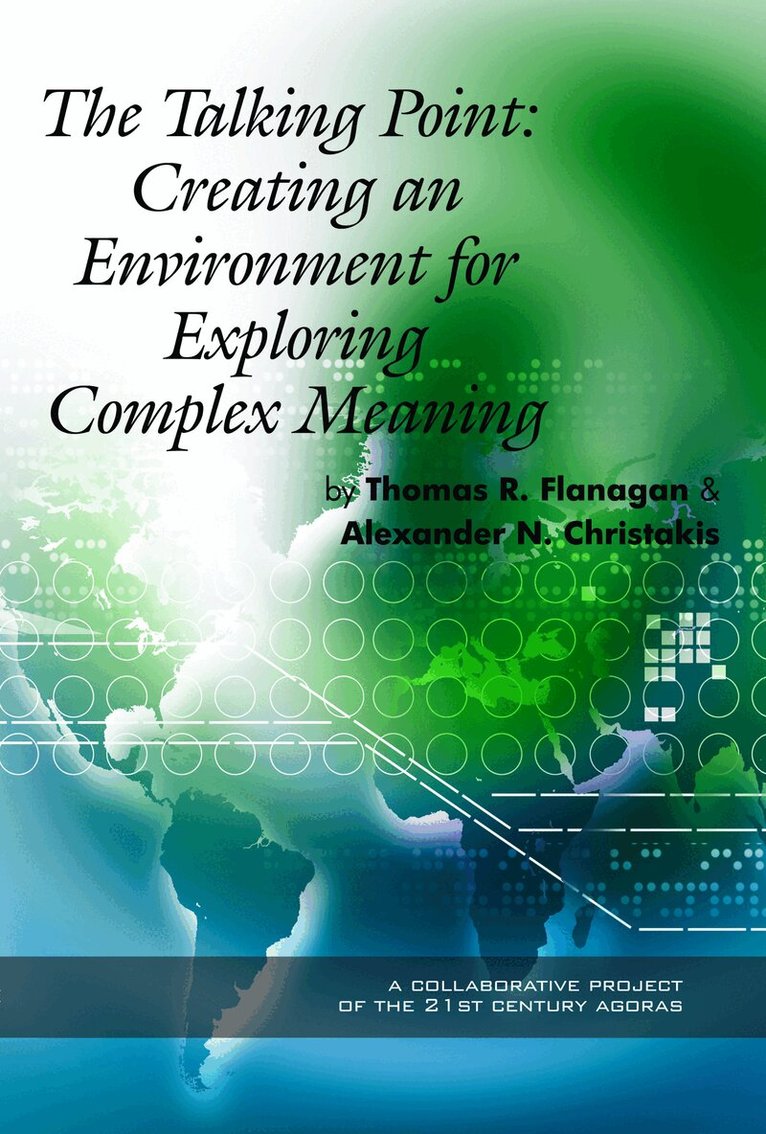
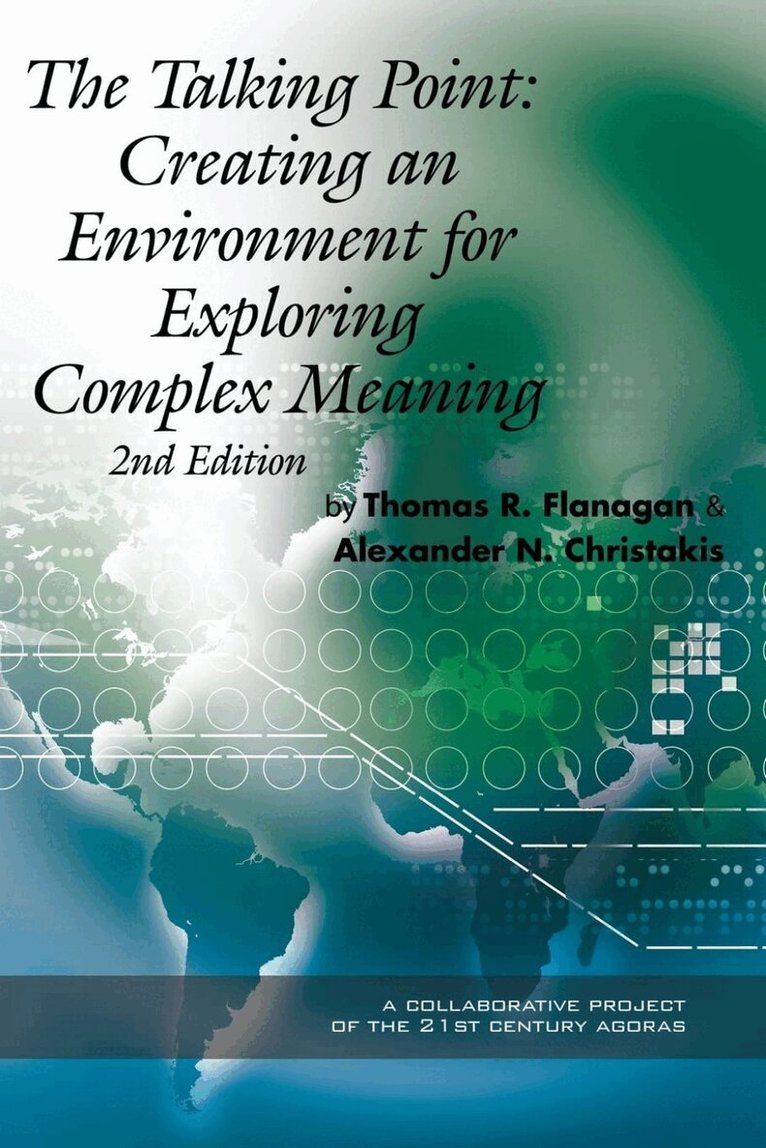
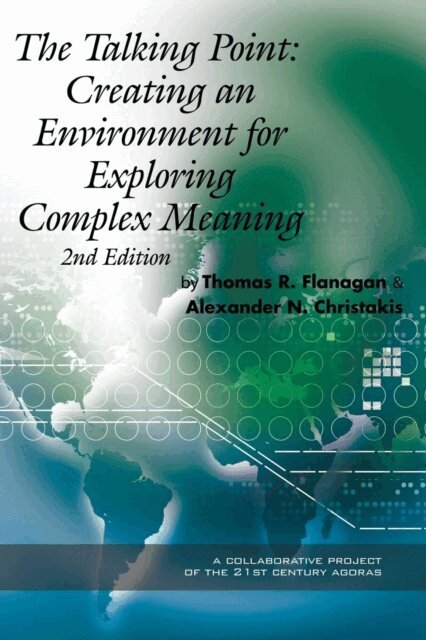
The Talking Point is all about how people learn within groups. People can be much smarter than crowds if you measure “smart” as decision-making speed. Crowds can be much wiser than individuals if you measure wisdom by depth of understanding. It is possible to understand a great deal of information yet (or maybe because of this) you can also be slow to make decisions. If rushed, crowds will make poor decisions in spite of their wisdom. So... to get good group decisions on a time scale that will keep pace with policy development needs and social necessities, groups have to be supported so that their decision-making process can be accelerated. Much has been said and written about this problem over the years. It is dangerous to have the power of groups without the wisdom of groups, and it is tragic to have the wisdom of groups without the power of groups. The Talking Point presents a meeting point for the wisdom and power of groups through the use of Structured Dialogic Design. With hopeful intentions, as a culture we have poisoned the well just when we need it most. We have touted design charettes and stakeholder processes as engagement vehicles and then ignored, marginalized or corrupted the very input that we swore to hold as sacred. This has created a myth that large scale collaboration is not possible, and the myth has led to considerable disillusionment among would-be participants and could-be sponsors. Structured Dialogic Design seeks to bust the myth about our limited capabilities to sustain boundary spanning collaboration. To bust this myth, Structured Dialogic Design needs to usher in a new wave of collaborative planning. Scholars have identified the Structured Dialogic Design methodology as the cutting edge of “third phase” science - where the reality of a situation embraces interactions between objective findings and subjective intentions. The Talking Point provides a window for observing how Structured Dialogic Design has been put into practice and paints a panorama of the issues that confront complex social system design. This book is itself a bridge between scholarship and practice, written to be accessible yet anchored to major themes in cognitive psychology, information systems, social systems, and models of group learning. The book is an invitation for transformational leaders and those who support transformational leaders to pick up a new tool in the essential quest to put our nation and our world back on track toward sustainable futures. The Talking Point is a fresh source of water in a world that is thirsty for new ways of solving complex problems.
952 kr
Skickas inom 7-10 vardagar
The Talking Point is all about how people learn within groups. People can be much smarter than crowds if you measure “smart” as decision-making speed. Crowds can be much wiser than individuals if you measure wisdom by depth of understanding. It is possible to understand a great deal of information yet (or maybe because of this) you can also be slow to make decisions. If rushed, crowds will make poor decisions in spite of their wisdom. So... to get good group decisions on a time scale that will keep pace with policy development needs and social necessities, groups have to be supported so that their decision-making process can be accelerated. Much has been said and written about this problem over the years. It is dangerous to have the power of groups without the wisdom of groups, and it is tragic to have the wisdom of groups without the power of groups. The Talking Point presents a meeting point for the wisdom and power of groups through the use of Structured Dialogic Design. With hopeful intentions, as a culture we have poisoned the well just when we need it most. We have touted design charettes and stakeholder processes as engagement vehicles and then ignored, marginalized or corrupted the very input that we swore to hold as sacred. This has created a myth that large scale collaboration is not possible, and the myth has led to considerable disillusionment among would-be participants and could-be sponsors. Structured Dialogic Design seeks to bust the myth about our limited capabilities to sustain boundary spanning collaboration. To bust this myth, Structured Dialogic Design needs to usher in a new wave of collaborative planning. Scholars have identified the Structured Dialogic Design methodology as the cutting edge of “third phase” science - where the reality of a situation embraces interactions between objective findings and subjective intentions. The Talking Point provides a window for observing how Structured Dialogic Design has been put into practice and paints a panorama of the issues that confront complex social system design. This book is itself a bridge between scholarship and practice, written to be accessible yet anchored to major themes in cognitive psychology, information systems, social systems, and models of group learning. The book is an invitation for transformational leaders and those who support transformational leaders to pick up a new tool in the essential quest to put our nation and our world back on track toward sustainable futures. The Talking Point is a fresh source of water in a world that is thirsty for new ways of solving complex problems.
1 057 kr
Skickas inom 7-10 vardagar
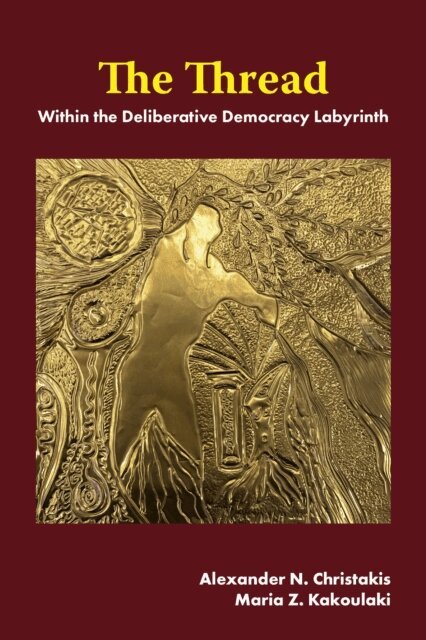
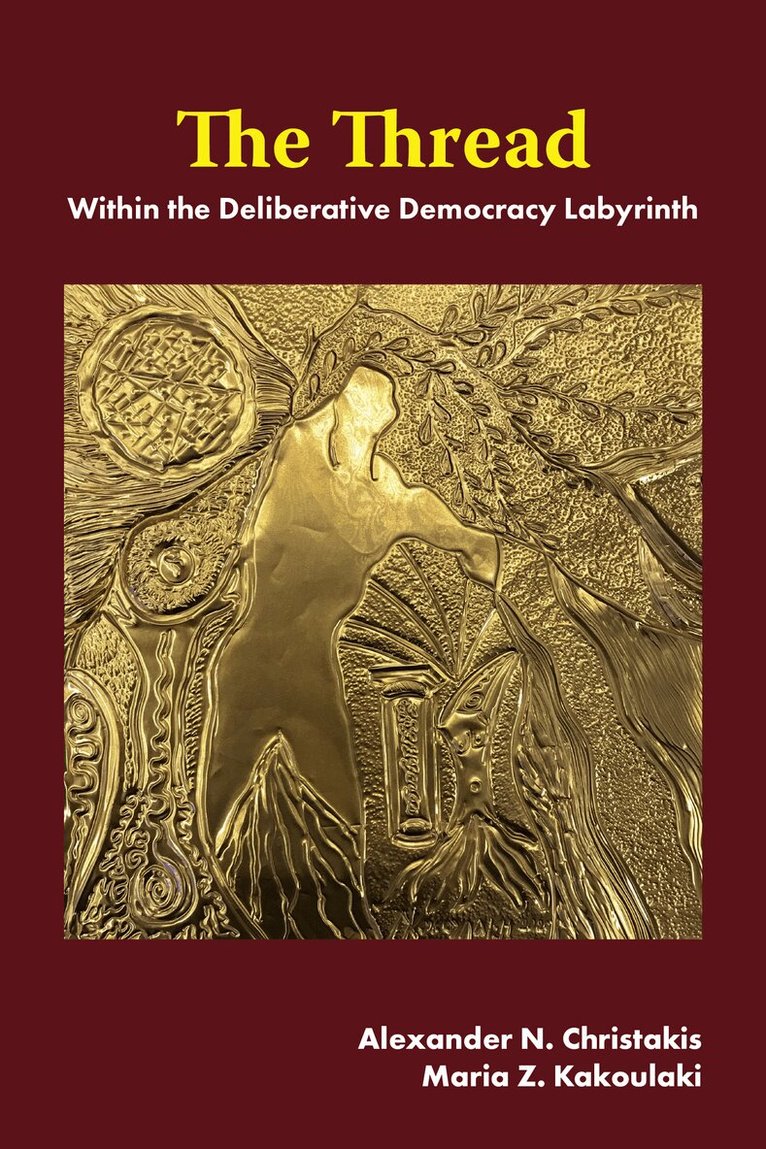
The Thread: Within the Deliberative Democracy Labyrinth brings together the pioneering work of Alexander N. Christakis, the recent contributions of Maria Kakoulaki, and collaborative projects spanning five decades. It showcases the critical need for inclusive democratic processes to tackle complex issues in human systems. Through these writings, readers will understand how our pluralistic cultures and interdependent networks extend beyond familiar horizons and times. The book reflects on historical moments, like the post-World War II era, when visionary leaders foresaw the challenges of industrial consumption, planetary limits, and the rise of unaccountable regimes. Dr. Christakis and his colleagues have drawn from various disciplines to synthesize a dialogic approach for sustainable democracy.Democracy, akin to a delicate flower, thrives only through the goodwill of those who recognize our interconnectedness. This fragile bloom faces threats from argumentative debates, autocratic power brokers, and information overload. While goodwill is essential for democracy's survival, it is insufficient on its own. The 21st century demands innovative approaches to civic dialogue. In response, Dr. Christakis founded the Institute for 21st Century Agoras, developing the Structured Democratic Dialogue (Structured Dialogic Design) to restore and enhance democratic practices.This volume is a treasure trove of landmark essays, case studies, scholarly reflections, and methodological insights. It serves as a metaphorical life raft for navigating an uncertain future. For those who believe that changing the world requires transforming our dialogue, The Thread: Within the Deliberative Democracy Labyrinth offers a gateway to our shared future.
597 kr
Skickas inom 7-10 vardagar
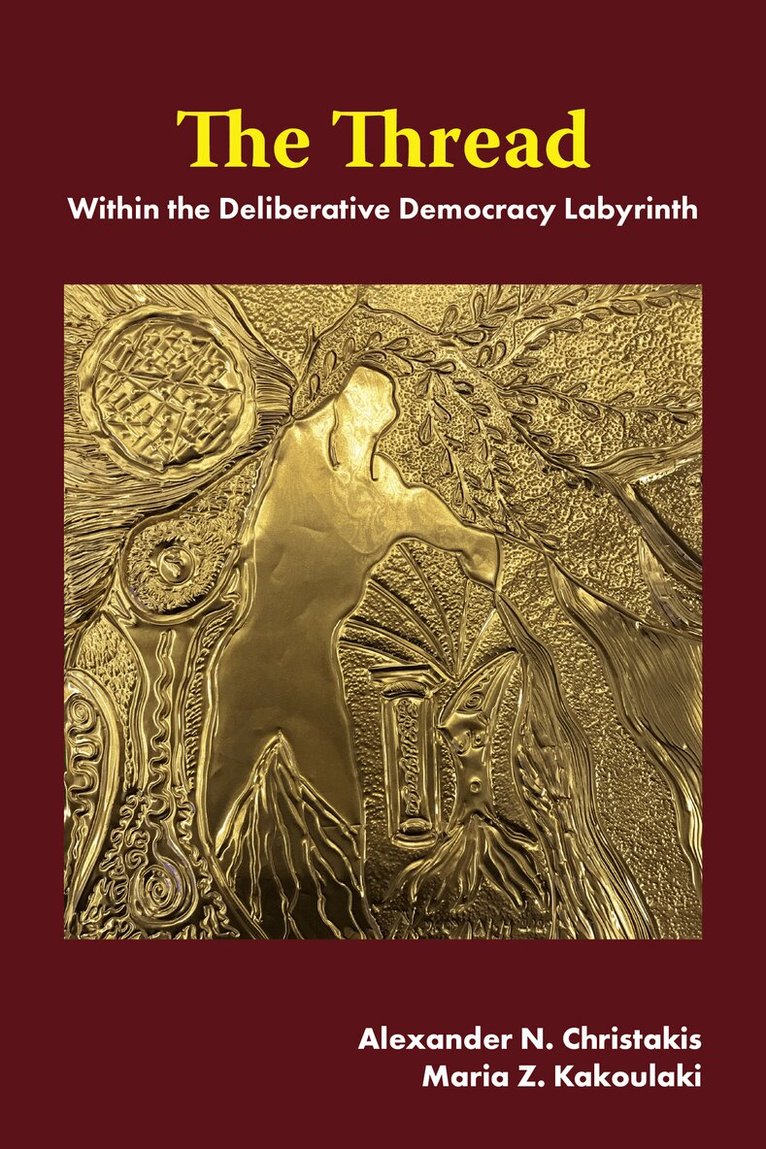
The Thread: Within the Deliberative Democracy Labyrinth brings together the pioneering work of Alexander N. Christakis, the recent contributions of Maria Kakoulaki, and collaborative projects spanning five decades. It showcases the critical need for inclusive democratic processes to tackle complex issues in human systems. Through these writings, readers will understand how our pluralistic cultures and interdependent networks extend beyond familiar horizons and times. The book reflects on historical moments, like the post-World War II era, when visionary leaders foresaw the challenges of industrial consumption, planetary limits, and the rise of unaccountable regimes. Dr. Christakis and his colleagues have drawn from various disciplines to synthesize a dialogic approach for sustainable democracy.Democracy, akin to a delicate flower, thrives only through the goodwill of those who recognize our interconnectedness. This fragile bloom faces threats from argumentative debates, autocratic power brokers, and information overload. While goodwill is essential for democracy's survival, it is insufficient on its own. The 21st century demands innovative approaches to civic dialogue. In response, Dr. Christakis founded the Institute for 21st Century Agoras, developing the Structured Democratic Dialogue (Structured Dialogic Design) to restore and enhance democratic practices.This volume is a treasure trove of landmark essays, case studies, scholarly reflections, and methodological insights. It serves as a metaphorical life raft for navigating an uncertain future. For those who believe that changing the world requires transforming our dialogue, The Thread: Within the Deliberative Democracy Labyrinth offers a gateway to our shared future.