Alfredo González-Ruibal - Böcker
Visar alla böcker från författaren Alfredo González-Ruibal. Handla med fri frakt och snabb leverans.
13 produkter
13 produkter
2 166 kr
Skickas inom 10-15 vardagar
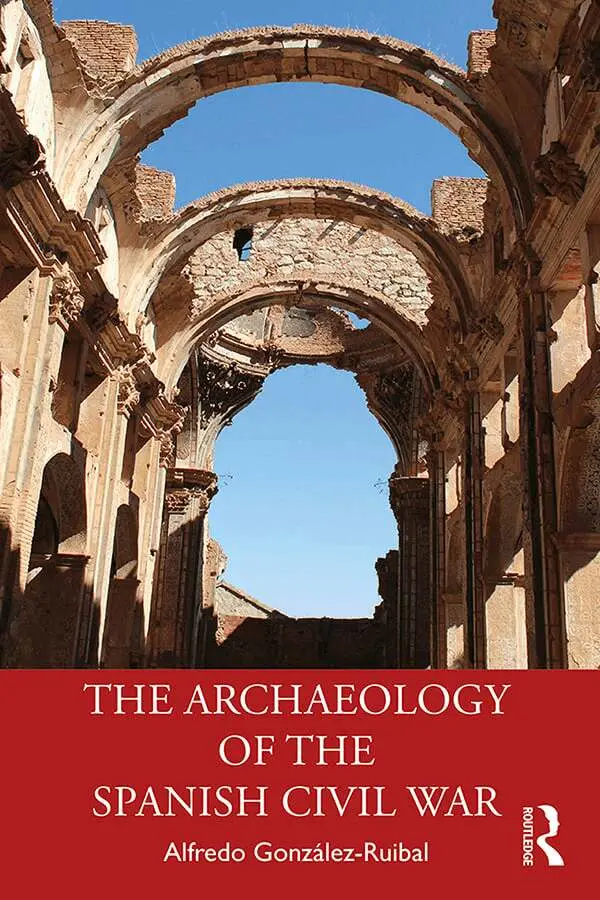
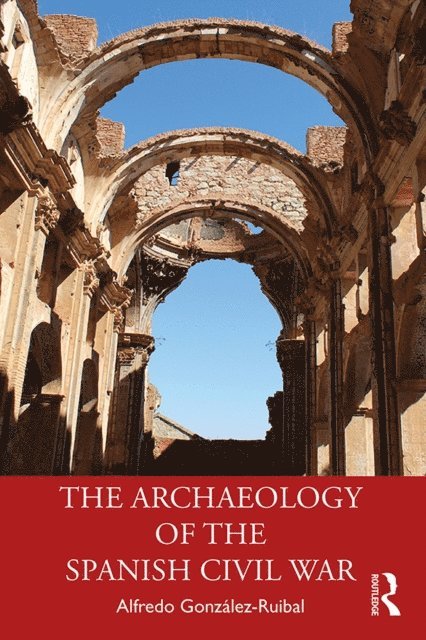
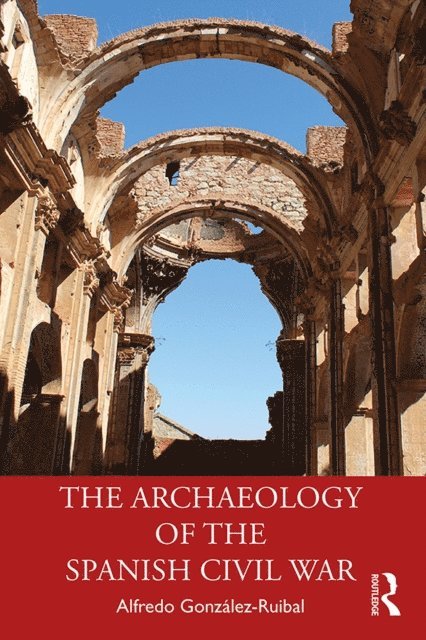
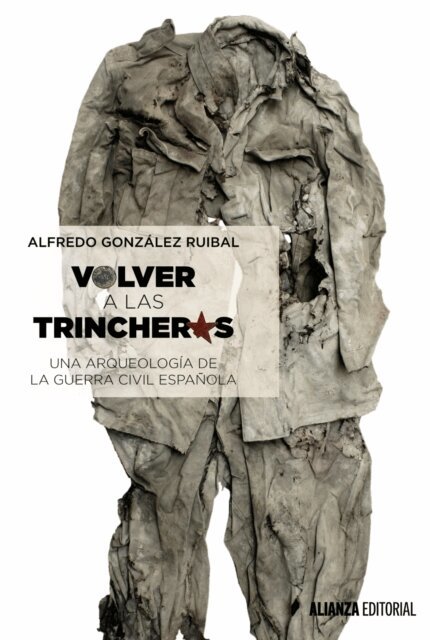
The Archaeology of the Spanish Civil War offers the first comprehensive account of the Spanish Civil War from an archaeological perspective, providing an alternative narrative on one of the most important conflicts of the twentieth century, widely seen as a prelude to the Second World War.Between 1936 and 1939, totalitarianism and democracy, fascism and revolution clashed in Spain, while the latest military technologies were being tested, including strategic bombing and combined arms warfare, and violence against civilians became widespread. Archaeology, however, complicates the picture as it brings forgotten actors into play: obsolete weapons, vernacular architecture, ancient structures (from Iron Age hillforts to sheepfolds), peasant traditions, and makeshift arms. By looking at these things, another story of the war unfolds, one that pays more attention to intimate experiences and anonymous individuals. Archaeology also helps to clarify battles, which were often chaotic and only partially documented, and to understand better the patterns of political violence, whose effects were literally buried for over 70 years. The narrative starts with the coup against the Second Spanish Republic on 18 July 1936, follows the massacres and battles that marked the path of the war, and ends in the early 1950s, when the last forced labor camps were closed and the anti-Francoist guerrillas suppressed.The book draws on 20 years of research to bring together perspectives from battlefield archaeology, archaeologies of internment, and forensics. It will be of interest to anybody interested in historical and contemporary archaeology, human rights violations, modern military history, and negative heritage.
569 kr
Skickas inom 10-15 vardagar
The Archaeology of the Spanish Civil War offers the first comprehensive account of the Spanish Civil War from an archaeological perspective, providing an alternative narrative on one of the most important conflicts of the twentieth century, widely seen as a prelude to the Second World War.Between 1936 and 1939, totalitarianism and democracy, fascism and revolution clashed in Spain, while the latest military technologies were being tested, including strategic bombing and combined arms warfare, and violence against civilians became widespread. Archaeology, however, complicates the picture as it brings forgotten actors into play: obsolete weapons, vernacular architecture, ancient structures (from Iron Age hillforts to sheepfolds), peasant traditions, and makeshift arms. By looking at these things, another story of the war unfolds, one that pays more attention to intimate experiences and anonymous individuals. Archaeology also helps to clarify battles, which were often chaotic and only partially documented, and to understand better the patterns of political violence, whose effects were literally buried for over 70 years. The narrative starts with the coup against the Second Spanish Republic on 18 July 1936, follows the massacres and battles that marked the path of the war, and ends in the early 1950s, when the last forced labor camps were closed and the anti-Francoist guerrillas suppressed.The book draws on 20 years of research to bring together perspectives from battlefield archaeology, archaeologies of internment, and forensics. It will be of interest to anybody interested in historical and contemporary archaeology, human rights violations, modern military history, and negative heritage.
3 637 kr
Skickas inom 10-15 vardagar
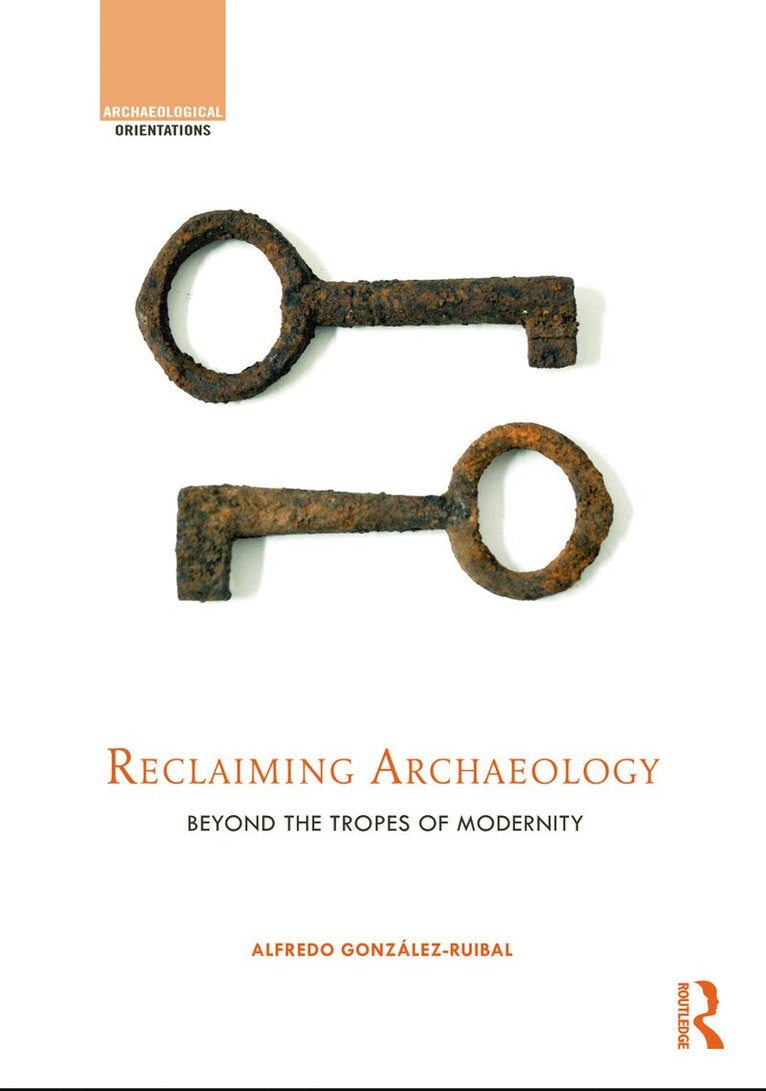
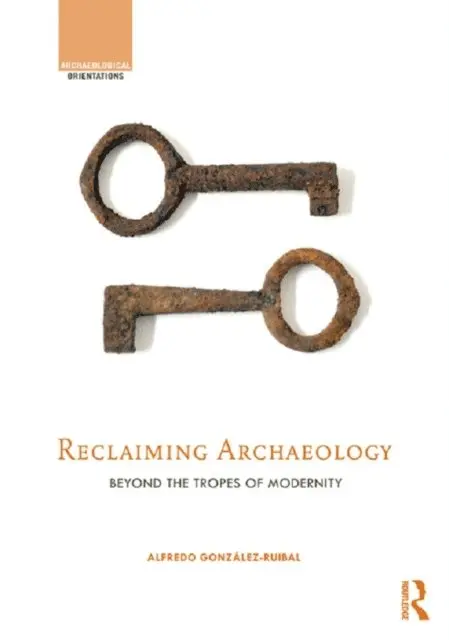
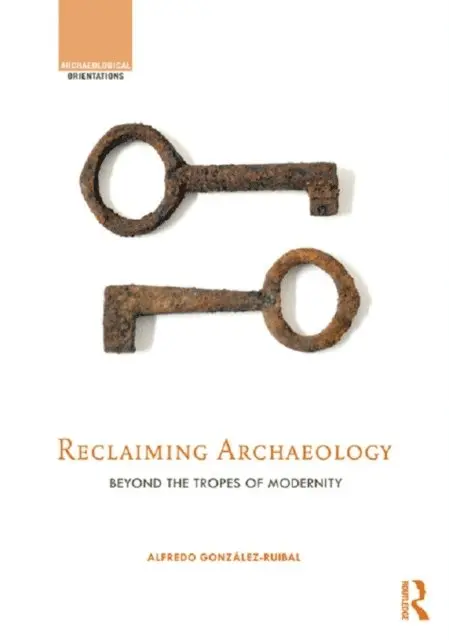
Archaeology has been an important source of metaphors for some of the key intellectuals of the 20th century: Sigmund Freud, Walter Benjamin, Alois Riegl and Michel Foucault, amongst many others. However, this power has also turned against archaeology, because the discipline has been dealt with perfunctorily as a mere provider of metaphors that other intellectuals have exploited. Scholars from different fields continue to explore areas in which archaeologists have been working for over two centuries, with little or no reference to the discipline. It seems that excavation, stratigraphy or ruins only become important at a trans-disciplinary level when people from outside archaeology pay attention to them and somehow dematerialize them. Meanwhile, archaeologists have been usually more interested in borrowing theories from other fields, rather than in developing the theoretical potential of the same concepts that other thinkers find so useful.The time is ripe for archaeologists to address a wider audience and engage in theoretical debates from a position of equality, not of subalternity. Reclaiming Archaeology explores how archaeology can be useful to rethink modernity’s big issues, and more specifically late modernity (broadly understood as the 20th and 21st centuries). The book contains a series of original essays, not necessarily following the conventional academic rules of archaeological writing or thinking, allowing rhetoric to have its place in disclosing the archaeological. In each of the four sections that constitute this book (method, time, heritage and materiality), the contributors deal with different archaeological tropes, such as excavation, surface/depth, genealogy, ruins, fragments, repressed memories and traces. They criticize their modernist implications and rework them in creative ways, in order to show the power of archaeology not just to understand the past, but also the present. Reclaiming Archaeology includes essays from a diverse array of archaeologists who have dealt in one way or another with modernity, including scholars from non-Anglophone countries who have approached the issue in original ways during recent years, as well as contributors from other fields who engage in a creative dialogue with archaeology and the work of archaeologists.
1 216 kr
Skickas inom 10-15 vardagar
A timely collection on the role of public archaeology in an era of reactionary populismReactionary populism, seen in radical anti-intellectual movements around the globe, is changing how politics are practiced and how people view themselves and others. Amid increasing polarization and extremism, the social role of archaeology is more relevant but also more difficult. This volume explores how populist politics present new challenges to public archaeologists in North America, South America, and Europe.Archaeology, Heritage, and Reactionary Populism shows that the field of community archaeology must do more to address how these movements can distort history. Contributors demonstrate why researchers and heritage managers should be aware of the interests their work advances, discuss the ethics of working with communities that promote extreme populist values, and examine the ways governments affect heritage regulations. Acknowledging that community archaeology is often very localized, they argue that it can and should connect with and inform broader historical narratives.Written by practitioners from different subfields of public archaeology, this collection problematizes commonly held assumptions about community, the public, and political action. At the same time, it moves beyond critique to propose practical forms of engagement. This reflective and critical approach will help archaeologists mobilize their work to engage with the growing influence of reactionary populism.A volume in the series Cultural Heritage Studies, edited by Katherine Hayes
378 kr
Skickas inom 10-15 vardagar
A timely collection on the role of public archaeology in an era of reactionary populismReactionary populism, seen in radical anti-intellectual movements around the globe, is changing how politics are practiced and how people view themselves and others. Amid increasing polarization and extremism, the social role of archaeology is more relevant but also more difficult. This volume explores how populist politics present new challenges to public archaeologists in North America, South America, and Europe.Archaeology, Heritage, and Reactionary Populism shows that the field of community archaeology must do more to address how these movements can distort history. Contributors demonstrate why researchers and heritage managers should be aware of the interests their work advances, discuss the ethics of working with communities that promote extreme populist values, and examine the ways governments affect heritage regulations. Acknowledging that community archaeology is often very localized, they argue that it can and should connect with and inform broader historical narratives.Written by practitioners from different subfields of public archaeology, this collection problematizes commonly held assumptions about community, the public, and political action. At the same time, it moves beyond critique to propose practical forms of engagement. This reflective and critical approach will help archaeologists mobilize their work to engage with the growing influence of reactionary populism.A volume in the series Cultural Heritage Studies, edited by Katherine Hayes
566 kr
Skickas inom 10-15 vardagar
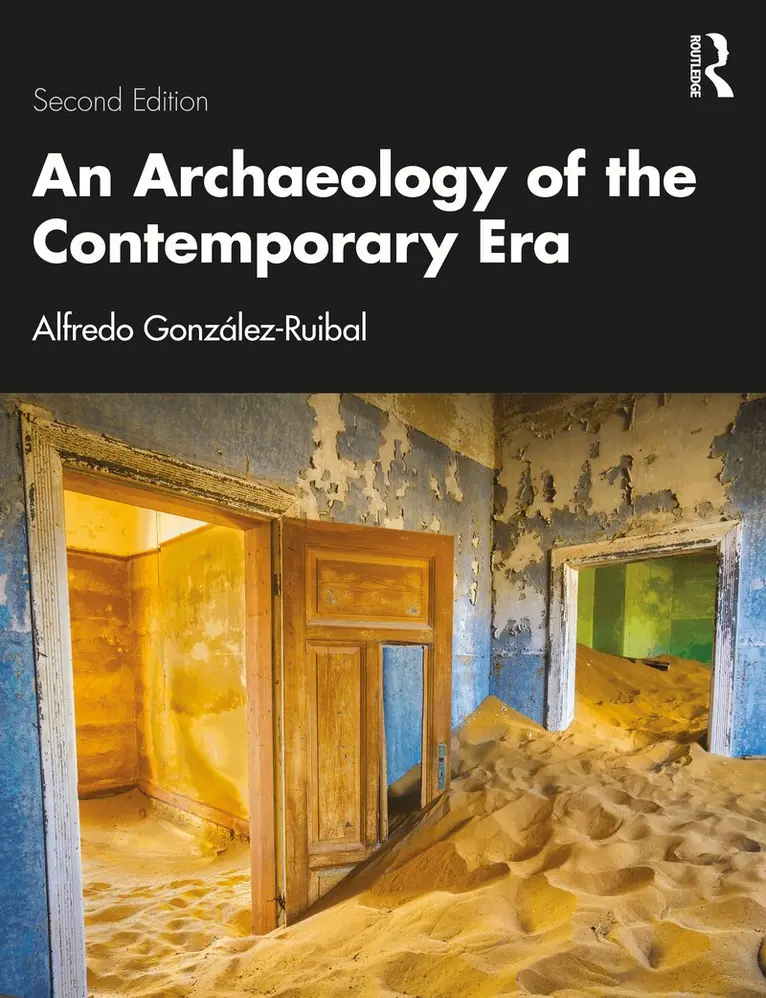
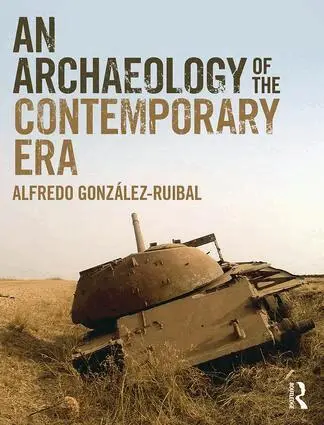
The second edition of An Archaeology of the Contemporary Era explores the period between the late nineteenth and twenty-first centuries and reflects on the archaeological theory and practice of the recent past.This book argues that the materiality of our times, and particularly its ruins and rubbish, reveals something profound and disturbing about modern societies. It examines the political, ethical, aesthetic, and epistemological foundations of contemporary archaeology and characterizes the excess of the contemporary period through its material traces. This book remains the first attempt at describing the contemporary era from an archaeological point of view. Global in scope, the book brings together case studies from every continent and considers sources from peripheral and rarely considered traditions, meanwhile engaging in interdisciplinary dialogue with philosophy, anthropology, history, and geography. This new edition includes the latest developments in the field, both methodological and theoretical, and adds new and exciting case studies to engage students. It also covers some of the most pressing issues of the present, as they are being addressed by archaeologists, such as pandemics, the antiracist movement, the global rise of reactionary populism, the ecological crisis, and climate change. An Archaeology of the Contemporary Era is essential reading for students and practitioners of the contemporary past, historical archaeology, and archaeological theory. It will also be of interest to anybody concerned with globalization, modernity, and the Anthropocene.
2 151 kr
Skickas inom 10-15 vardagar
The second edition of An Archaeology of the Contemporary Era explores the period between the late nineteenth and twenty-first centuries and reflects on the archaeological theory and practice of the recent past.This book argues that the materiality of our times, and particularly its ruins and rubbish, reveals something profound and disturbing about modern societies. It examines the political, ethical, aesthetic, and epistemological foundations of contemporary archaeology and characterizes the excess of the contemporary period through its material traces. This book remains the first attempt at describing the contemporary era from an archaeological point of view. Global in scope, the book brings together case studies from every continent and considers sources from peripheral and rarely considered traditions, meanwhile engaging in interdisciplinary dialogue with philosophy, anthropology, history, and geography. This new edition includes the latest developments in the field, both methodological and theoretical, and adds new and exciting case studies to engage students. It also covers some of the most pressing issues of the present, as they are being addressed by archaeologists, such as pandemics, the antiracist movement, the global rise of reactionary populism, the ecological crisis, and climate change. An Archaeology of the Contemporary Era is essential reading for students and practitioners of the contemporary past, historical archaeology, and archaeological theory. It will also be of interest to anybody concerned with globalization, modernity, and the Anthropocene.
845 kr
Skickas inom 10-15 vardagar
Archaeology has been an important source of metaphors for some of the key intellectuals of the 20th century: Sigmund Freud, Walter Benjamin, Alois Riegl and Michel Foucault, amongst many others. However, this power has also turned against archaeology, because the discipline has been dealt with perfunctorily as a mere provider of metaphors that other intellectuals have exploited. Scholars from different fields continue to explore areas in which archaeologists have been working for over two centuries, with little or no reference to the discipline. It seems that excavation, stratigraphy or ruins only become important at a trans-disciplinary level when people from outside archaeology pay attention to them and somehow dematerialize them. Meanwhile, archaeologists have been usually more interested in borrowing theories from other fields, rather than in developing the theoretical potential of the same concepts that other thinkers find so useful.The time is ripe for archaeologists to address a wider audience and engage in theoretical debates from a position of equality, not of subalternity. Reclaiming Archaeology explores how archaeology can be useful to rethink modernity’s big issues, and more specifically late modernity (broadly understood as the 20th and 21st centuries). The book contains a series of original essays, not necessarily following the conventional academic rules of archaeological writing or thinking, allowing rhetoric to have its place in disclosing the archaeological. In each of the four sections that constitute this book (method, time, heritage and materiality), the contributors deal with different archaeological tropes, such as excavation, surface/depth, genealogy, ruins, fragments, repressed memories and traces. They criticize their modernist implications and rework them in creative ways, in order to show the power of archaeology not just to understand the past, but also the present. Reclaiming Archaeology includes essays from a diverse array of archaeologists who have dealt in one way or another with modernity, including scholars from non-Anglophone countries who have approached the issue in original ways during recent years, as well as contributors from other fields who engage in a creative dialogue with archaeology and the work of archaeologists.
1 502 kr
Tillfälligt slut
An Archaeology of the Contemporary Era approaches the contemporary age, between the late nineteenth and twenty-first centuries, as an archaeological period defined by specific material processes. It reflects on the theory and practice of the archaeology of the contemporary past from epistemological, political, ethical and aesthetic viewpoints, and characterises the present based on archaeological traces from the spatial, temporal and material excesses that define it. The materiality of our era, the book argues, and particularly its ruins and rubbish, reveals something profound, original and disturbing about humanity. This is the first attempt at describing the contemporary era from an archaeological point of view. Global in scope, the book brings together case studies from every continent and considers sources from peripheral and rarely considered traditions, meanwhile engaging in an interdisciplinary dialogue with philosophy, anthropology, history and geography.An Archaeology of the Contemporary Era will be essential reading for students and practitioners of the archaeology of the contemporary past, historical archaeology and archaeological theory. It will also be of interest to anybody concerned with globalisation, modernity and the Anthropocene.
414 kr
Tillfälligt slut
An Archaeology of the Contemporary Era approaches the contemporary age, between the late nineteenth and twenty-first centuries, as an archaeological period defined by specific material processes. It reflects on the theory and practice of the archaeology of the contemporary past from epistemological, political, ethical and aesthetic viewpoints, and characterises the present based on archaeological traces from the spatial, temporal and material excesses that define it. The materiality of our era, the book argues, and particularly its ruins and rubbish, reveals something profound, original and disturbing about humanity. This is the first attempt at describing the contemporary era from an archaeological point of view. Global in scope, the book brings together case studies from every continent and considers sources from peripheral and rarely considered traditions, meanwhile engaging in an interdisciplinary dialogue with philosophy, anthropology, history and geography.An Archaeology of the Contemporary Era will be essential reading for students and practitioners of the archaeology of the contemporary past, historical archaeology and archaeological theory. It will also be of interest to anybody concerned with globalisation, modernity and the Anthropocene.
1 619 kr
Skickas inom 10-15 vardagar
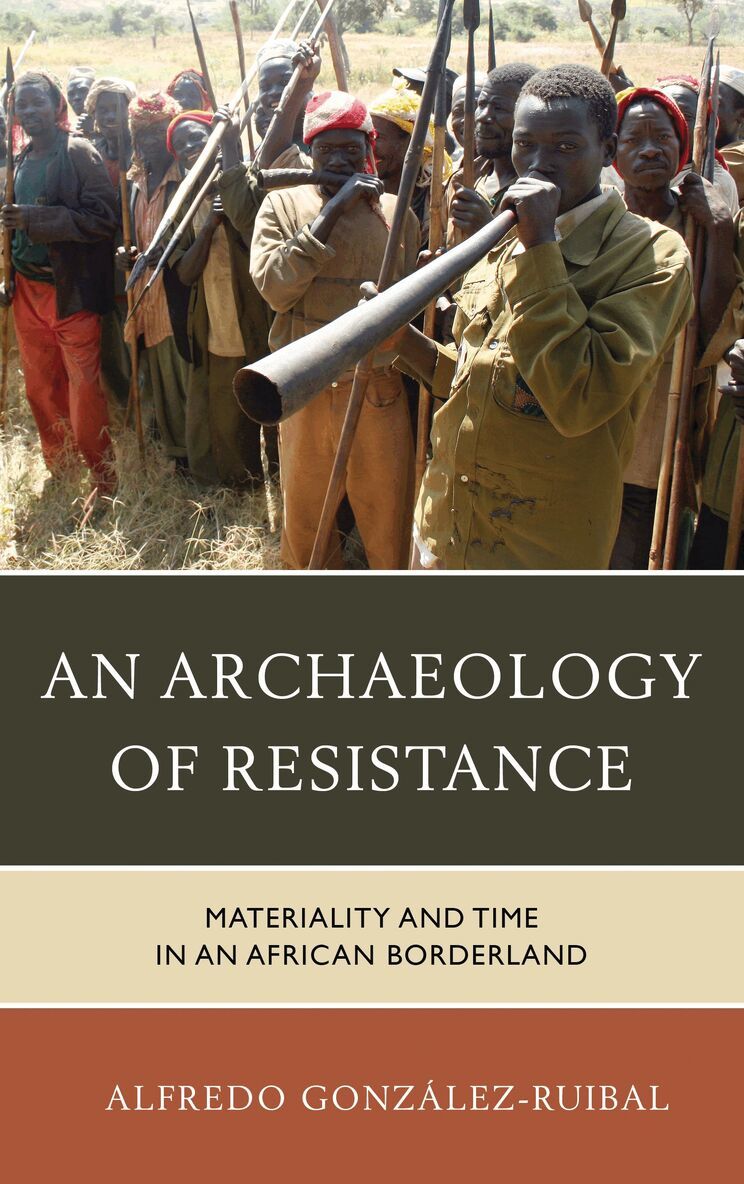
An Archaeology of Resistance: Materiality and Time in an African Borderland studies the tactics of resistance deployed by a variety of indigenous communities in the borderland between Sudan and Ethiopia. The Horn of Africa is an early area of state formation and at the same time the home of many egalitarian, small scale societies, which have lived in the buffer zone between states for the last three thousand years. For this reason, resistance is not something added to their sociopolitical structures: it is an inherent part of those structures—a mode of being. The main objective of the work is to understand the diverse forms of resistance that characterizes the borderland groups, with an emphasis on two essentially archaeological themes, materiality and time, by combining archaeological, political and social theory, ethnographic methods and historical data to examine different processes of resistance in the long term.
Del 2 - Ethical Archaeologies: The Politics of Social Justice
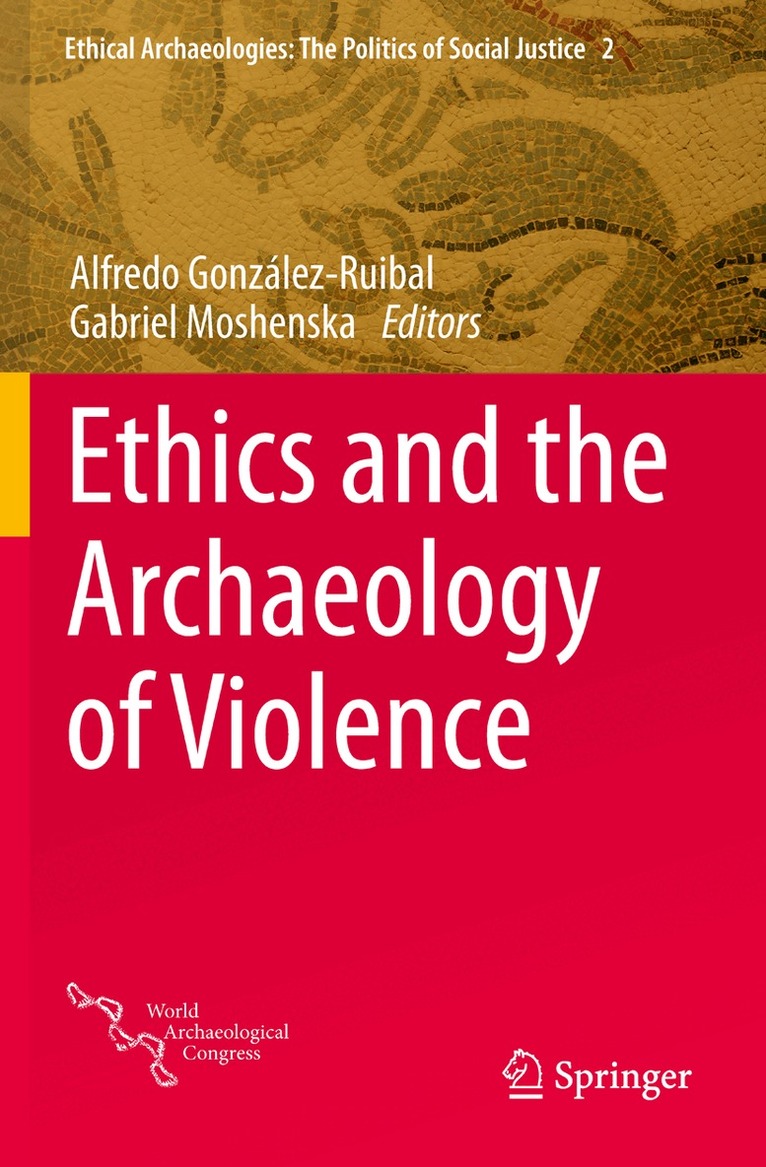
Ethics and the Archaeology of Violence
Inbunden, Engelska, 2014
535 kr
Skickas inom 10-15 vardagar
This volume examines the distinctive and highly problematic ethical questions surrounding conflict archaeology. Of all the contentious issues within archaeology and heritage, the study of conflict and work within conflict zones are undoubtedly the most highly charged and hotly debated, both within and outside the discipline.
Del 2 - Ethical Archaeologies: The Politics of Social Justice
Ethics and the Archaeology of Violence
Häftad, Engelska, 2016
535 kr
Skickas inom 10-15 vardagar
This volume examines the distinctive and highly problematic ethical questions surrounding conflict archaeology. By bringing together sophisticated analyses and pertinent case studies from around the world it aims to address the problems facing archaeologists working in areas of violent conflict, past and present. Of all the contentious issues within archaeology and heritage, the study of conflict and work within conflict zones are undoubtedly the most highly charged and hotly debated, both within and outside the discipline. Ranging across the conflict zones of the world past and present, this book attempts to raise the level of these often fractious debates by locating them within ethical frameworks. The issues and debates in this book range across a range of ethical models, including deontological, teleological and virtue ethics. The chapters address real-world ethical conundrums that confront archaeologists in a diversity of countries, including Israel/Palestine, Iran, Uruguay, Argentina, Rwanda, Germany and Spain. They all have in common recent, traumatic experiences of war and dictatorship. The chapters provide carefully argued, thought-provoking analyses and examples that will be of real practical use to archaeologists in formulating and addressing ethical dilemmas in a confident and constructive manner.