• Fri frakt över 249 kr
  • •
  • Snabba leveranser
  • •
  • Billiga böcker
Kundservice

Du är på sajten för privatpersoner.

Företag, bibliotek eller offentlig verksamhet?

Du handlar på classic.bokus.com, där alla dina funktioner finns intakta.
Till classic.bokus.com
Bokus logotyp. Gå till startsidan.
  • Erbjudanden
  • Nyheter
  • Student
  • Topplistor
  • Barn & ungdom
  • Bokus Play
  • E-böcker
  • Pocketböcker
  • Spel & pussel

10% rabatt på allt med kod: NYSTART10 →

Sidfot

Mina sidor

    Hjälp

    • Kundservice
    • Vanliga frågor och svar
    • Frakt och leverans
    • Retur vid ångerrätt
    • Reklamera vara
    • Betalning
    • Köpvillkor
    • Allmänna villkor
    • Information om webbplatsens tillgänglighet

    Om Bokus

    • Om oss
    • Pressrum
    • För studenter
    • För företag
    • För bibliotek och offentlig verksamhet
    • För leverantörer
    • Hållbarhet

    Populärt

    • Aktuella erbjudanden
    • Presentkort
    • Studentlitteratur
    • Nya böcker
    • Topplistor
    • Signerade böcker
    • Engelska böcker

    Inspiration

    • Boktips
    • BookTok
    • Populära bokserier
    • Barnbokskaraktärer
    • Populära författare
    Logotyp för Bokus
    Följ oss på Facebook (extern länk)Följ oss på Instagram (extern länk)Följ oss på YouTube (extern länk)Följ oss på TikTok (extern länk)
    bokus @ CookiesAnpassa cookiesIntegritetspolicyKöpvillkor
    Till Citymail hemsida (extern länk)Till Budbee hemsida (extern länk)Till Postnord hemsida (extern länk)Till Schenker hemsida (extern länk)Till Early Bird hemsida (extern länk)Till Walleys hemsida (extern länk)
    1. Historia och arkeologi
    2. Arkeologi

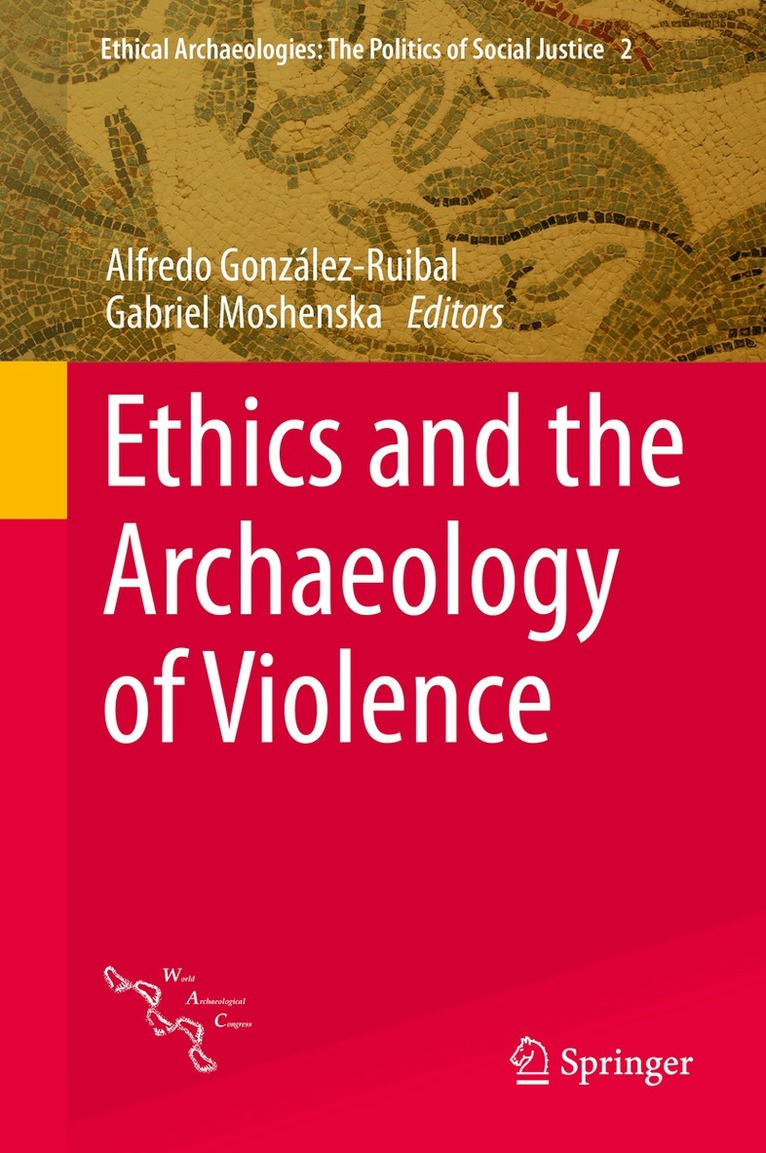
    Ethics and the Archaeology of Violence

    AvAlfredo González-Ruibal,Gabriel Moshenska

    Inbunden, Engelska, 2014

    Del 2 i serien Ethical Archaeologies: The Politics of Social Justice

    547 kr

    Beställningsvara. Skickas inom 10-15 vardagar. Fri frakt över 249 kr.

    Beskrivning

    This volume examines the distinctive and highly problematic ethical questions surrounding conflict archaeology. By bringing together sophisticated analyses and pertinent case studies from around the world it aims to address the problems facing archaeologists working in areas of violent conflict, past and present. Of all the contentious issues within archaeology and heritage, the study of conflict and work within conflict zones are undoubtedly the most highly charged and hotly debated, both within and outside the discipline. Ranging across the conflict zones of the world past and present, this book attempts to raise the level of these often fractious debates by locating them within ethical frameworks. The issues and debates in this book range across a range of ethical models, including deontological, teleological and virtue ethics. The chapters address real-world ethical conundrums that confront archaeologists in a diversity of countries, including Israel/Palestine, Iran, Uruguay, Argentina, Rwanda, Germany and Spain. They all have in common recent, traumatic experiences of war and dictatorship. The chapters provide carefully argued, thought-provoking analyses and examples that will be of real practical use to archaeologists in formulating and addressing ethical dilemmas in a confident and constructive manner.

    Produktinformation

    • Utgivningsdatum:2014-11-11
    • Mått:155 x 235 x 16 mm
    • Vikt:508 g
    • Format:Inbunden
    • Språk:Engelska
    • Serie:Ethical Archaeologies: The Politics of Social Justice
    • Antal sidor:243
    • Upplaga:2015
    • Förlag:Springer-Verlag New York Inc.
    • ISBN:9781493916429

    Utforska kategorier

    • Arkeologi inom Historia och arkeologi
    • Filosofiska discipliner inom Filosofi och religion

    Mer om författaren

    Gabriel Moshenska is Lecturer in Public Archaeology at UCL, where he coordinates the MA in Public Archaeology and teaches the archaeology of modern conflict.  He has a PhD in the archaeology, material culture and memory of the Second World War.  His research interests are wide-ranging in the extreme.  He has published studies of children and material culture; the history of Egyptian mummy unwrappings in nineteenth century Britain; Mortimer Wheeler’s philosophy and practice of public archaeology; gas masks; archaeological ghost stories; air warfare and commemoration; the ethics of burial archaeology; Rudyard Kipling; the economics of archaeology; the archaeology of internment and imprisonment; alternative or ‘fringe’ archaeologies; ‘absent’ heritage; community archaeology; cultural memory; the archaeology of air raid shelters; and the contested reception of Milton’s theological writings in the early nineteenth century.  He is currently working on a biography of the surgeon andantiquarian Thomas Joseph Pettigrew. Alfredo González-Ruibal is a staff scientist at the Institute of Heritage Sciences (Incipit) of the Spanish National Research Council (CSIC). He holds a PhD in Prehistoric Archaeology from the Complutense University of Madrid. His research focuses on the archaeology of the contemporary past and material culture. He has traced the destructive operations of modernity (war, dictatorship, colonialism and predatory capitalism) through the archaeological record in Spain, Ethiopia, Equatorial Guinea and Brazil. He has also investigated the role of material culture in resisting modernity and the state.  An outcome of this latter work is An archaeology of resistance: time and materiality in an African borderland (forthcoming), based on a long-running project in Ethiopia. His research on the contemporary past has been published in major journals (Current Anthropology, Antiquity, World Archaeology). He has recently completed a project on the archaeological remains of the Spanish Civil War and the Franco dictatorship. He is co-editor of the Journal of Contemporary Archaeology (Equinox Press) and of the volume Reclaiming Archaeology: Beyond the tropes of modernity (Routledge, 2013).

    Innehållsförteckning

    • Chapter 1: Introduction: the only way is ethics.- Chapter 2: Ethics in action: a viewpoint from Israel/Palestine.- Chapter 3: Archaeological ethics and violence in post-genocide Rwanda.- Chapter 4: All our findings are under their boots! The monologue of violence in Iranian archaeology.- Chapter 5: Archaeology of historic conflicts, colonial oppression and political violence in Uruguay.- Chapter 6: “Everything is kept in memory.” Reflections on the memory sites of the dictatorship in Buenos Aires (Argentina).- Chapter 7: Archaeology, anthropology and civil conflict. The case of Spain.- Chapter 8: A gate to a darker world: excavating at the Tempelhof airport (Berlin).- Chapter 9: Archaeology, National Socialism and rehabilitation: the case of Herbert Jankuhn (1905-1990).- Chapter 10: The ethics of public engagement in the archaeology of modern conflict.- Chapter 11: Military advocacy of peaceful approaches for cultural property protection.- Chapter 12: Cognitive dissonance and the military-archaeology complex.- Chapter 13: Working as a forensic archaeologist and/or anthropologist in post-conflict contexts: a consideration of professional responsibilities to the missing, the dead and their relatives.- Chapter 14: Virtues impracticable and extremely difficult: The human rights of subsistence diggers.