Ethical Archaeologies: The Politics of Social Justice – serie
Visar alla böcker i serien Ethical Archaeologies: The Politics of Social Justice. Handla med fri frakt och snabb leverans.
8 produkter
8 produkter
Del 2 - Ethical Archaeologies: The Politics of Social Justice
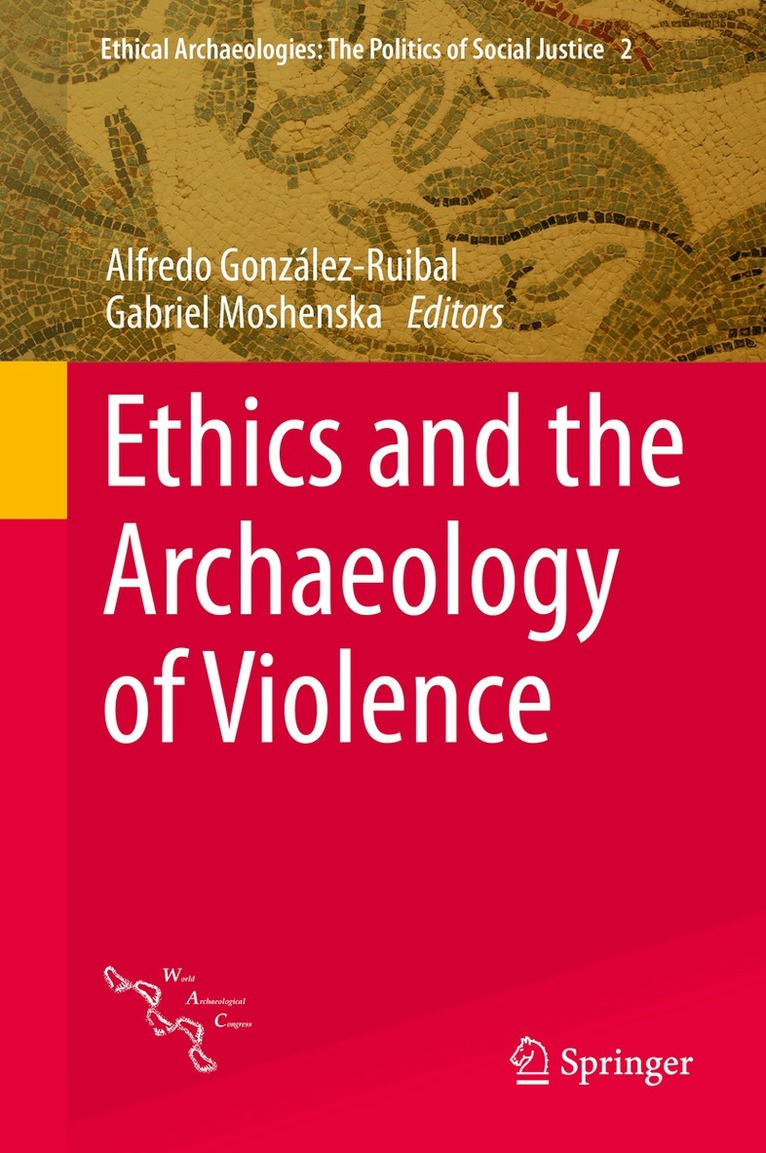
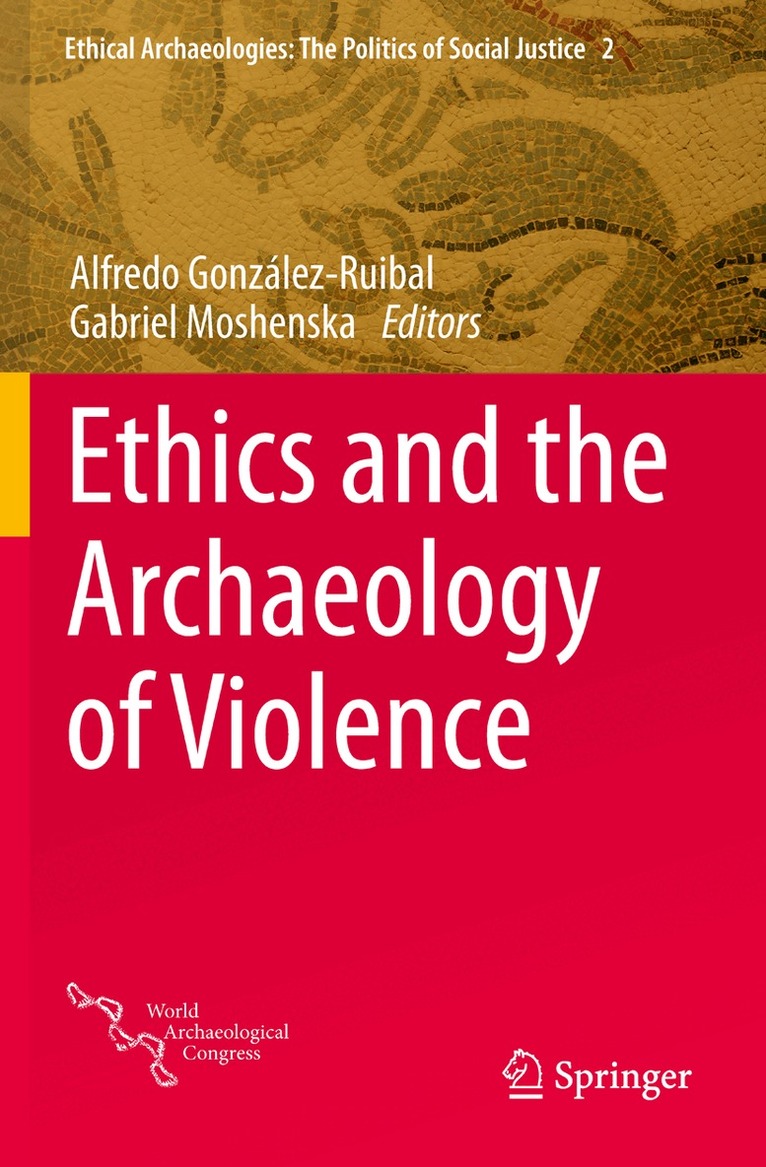
Ethics and the Archaeology of Violence
Inbunden, Engelska, 2014
534 kr
Skickas inom 10-15 vardagar
This volume examines the distinctive and highly problematic ethical questions surrounding conflict archaeology. Of all the contentious issues within archaeology and heritage, the study of conflict and work within conflict zones are undoubtedly the most highly charged and hotly debated, both within and outside the discipline.
Del 1 - Ethical Archaeologies: The Politics of Social Justice
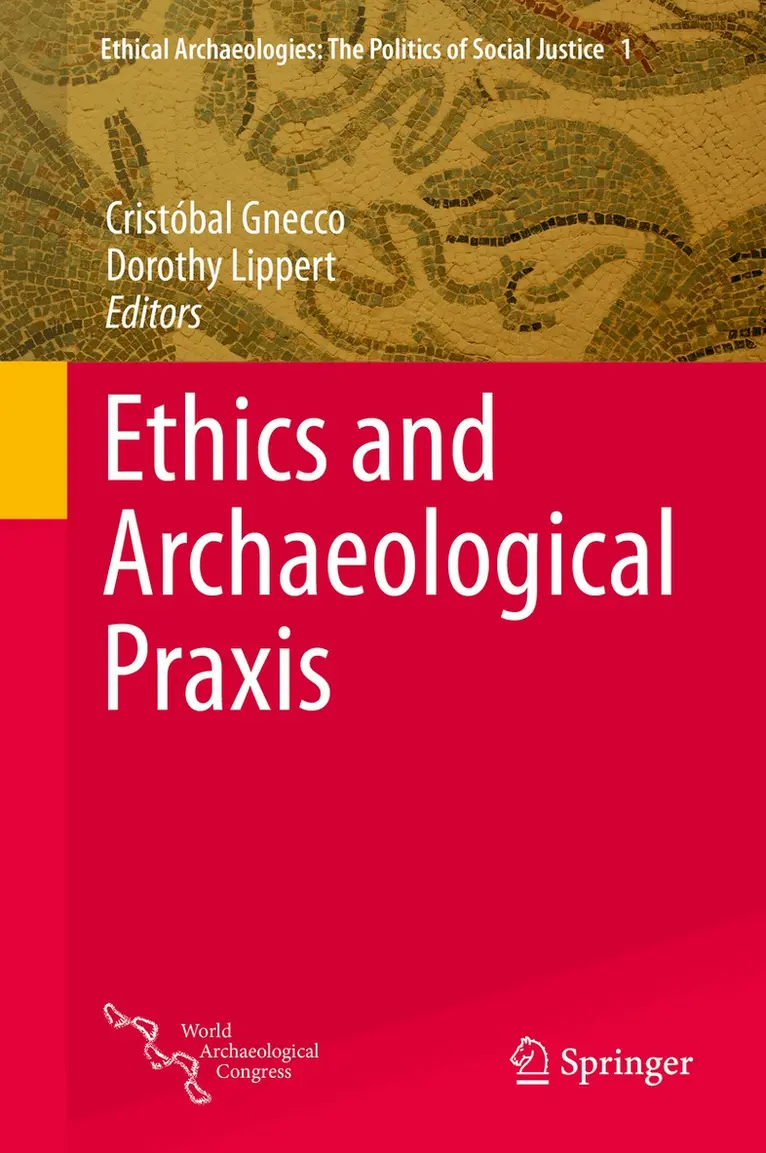
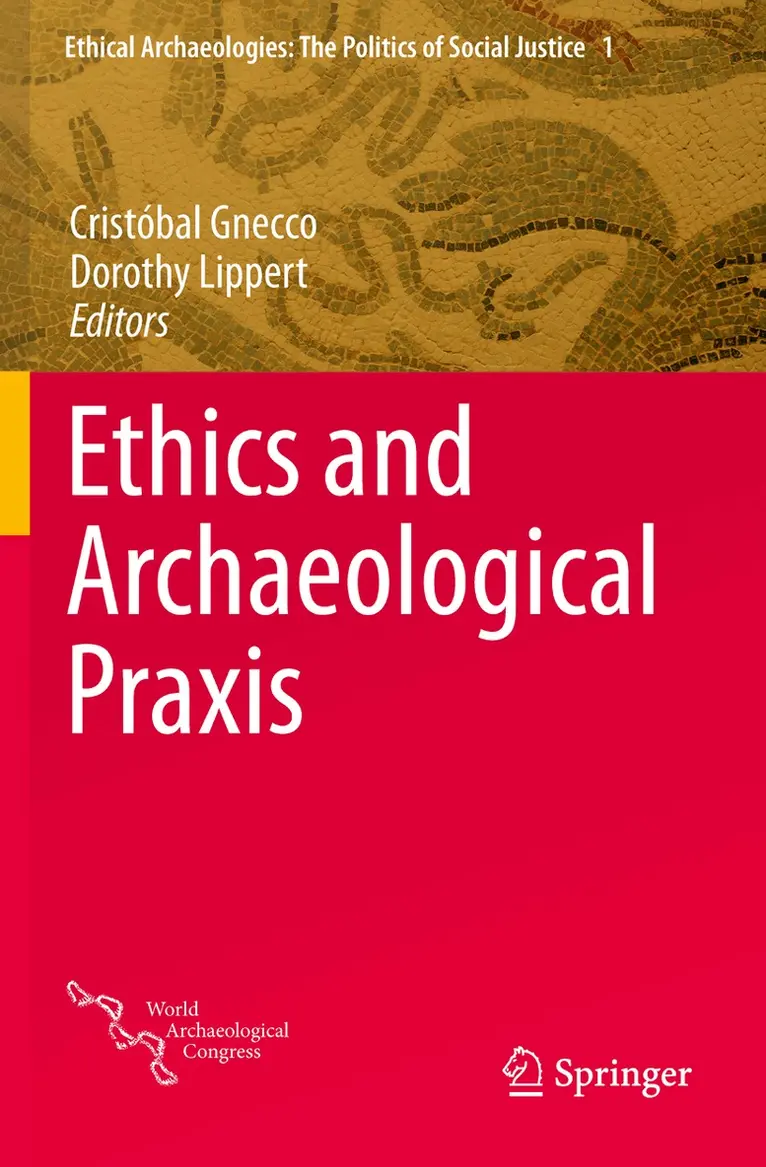
Ethics and Archaeological Praxis
Inbunden, Engelska, 2014
1 167 kr
Skickas inom 10-15 vardagar
Restoring the historicity and plurality of archaeological ethics is a task to which this book is devoted; its emphasis on praxis mends the historical condition of ethics. In doing so, it shows that nowadays a multicultural (sometimes also called “public”) ethic looms large in the discipline. By engaging communities “differently,” archaeology has explicitly adopted an ethical outlook, purportedly striving to overcome its colonial ontology and metaphysics. In this new scenario, respect for other historical systems/worldviews and social accountability appear to be prominent. Being ethical in archaeological terms in the multicultural context has become mandatory, so much that most professional, international and national archaeological associations have ethical principles as guiding forces behind their openness towards social sectors traditionally ignored or marginalized by their practices. This powerful new ethics—its newness is based, to a large extent, in that it is the first time that archaeological ethics is explicitly stated, as if it didn’t exist before—emanates from metropolitan centers, only to be adopted elsewhere. In this regard, it is worth probing the very nature of the dominant multicultural ethics in disciplinary practices because (a) it is at least suspicious that at the same time archaeology has tuned up with postmodern capitalist/market needs, and (b) the discipline (along with its ethical principles) is contested worldwide by grass-roots organizations and social movements. Can archaeology have socially committed ethical principles at the same time that it strengthens its relationship with the market and capitalism? Is this coincidence just merely haphazard or does it obey more structural rules? The papers in this book try to answer these two questions by examining praxis-based contexts in which archaeological ethics unfolds.
Del 4 - Ethical Archaeologies: The Politics of Social Justice
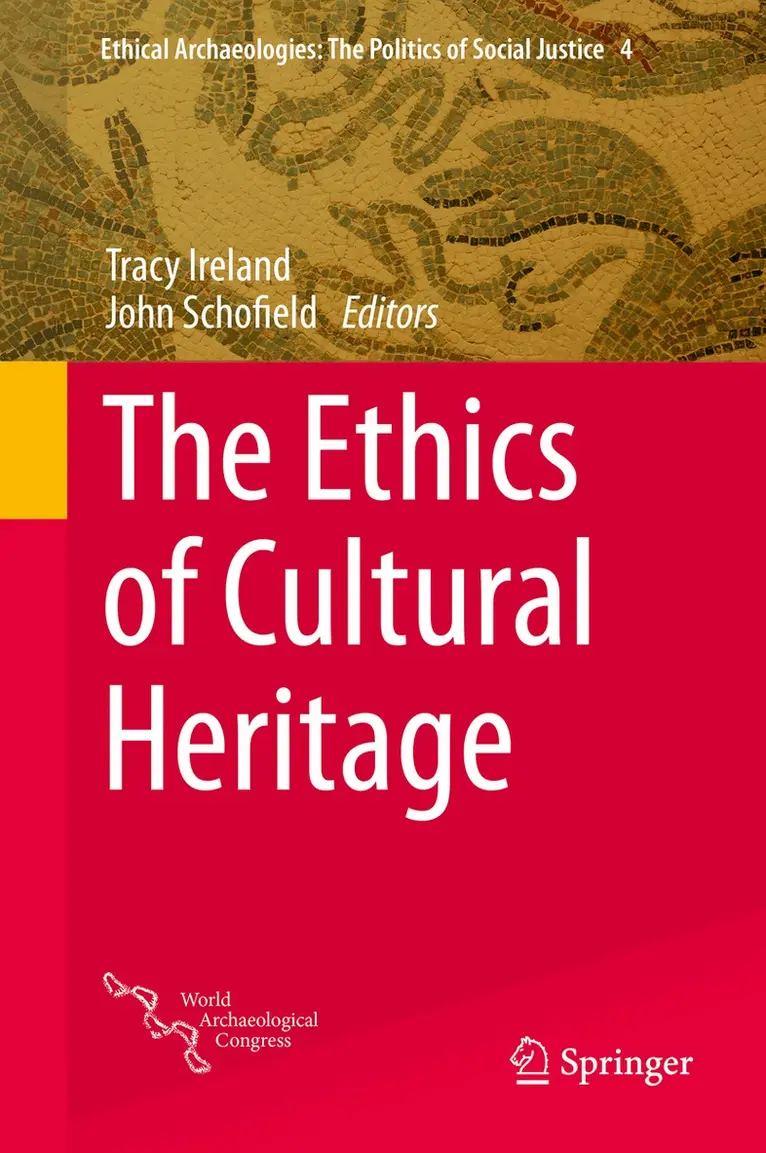
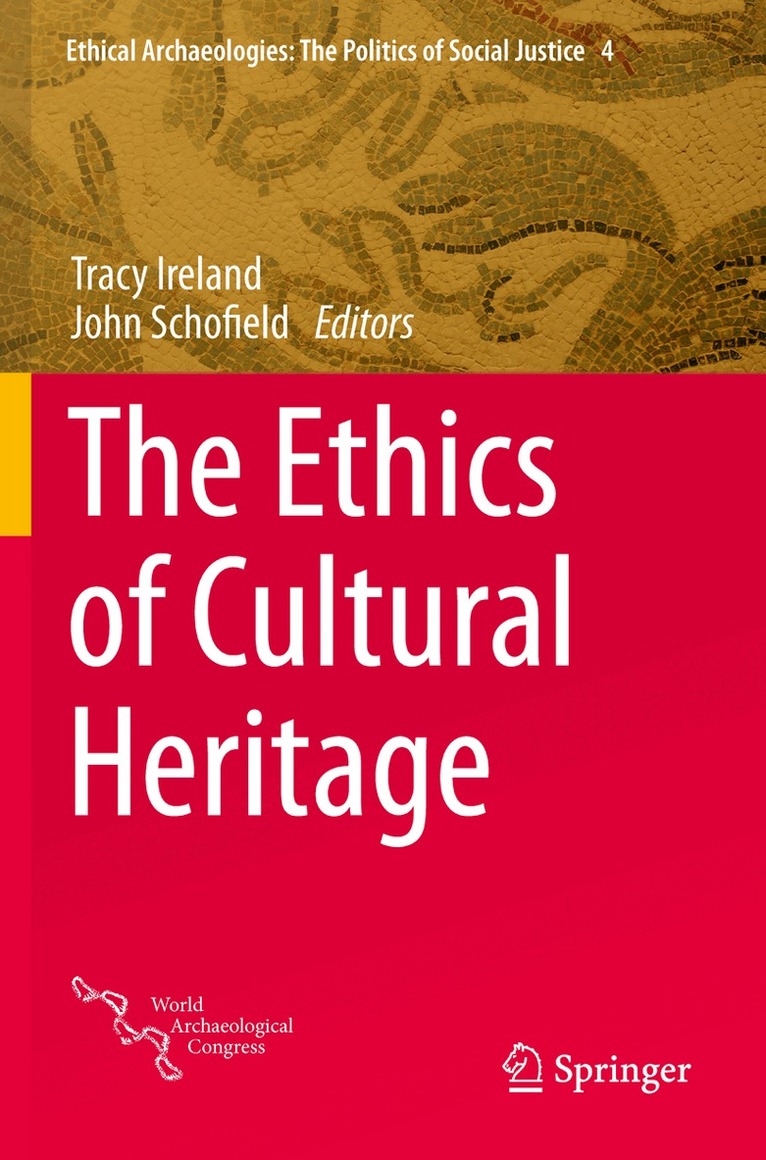
Ethics of Cultural Heritage
Inbunden, Engelska, 2014
693 kr
Skickas inom 10-15 vardagar
It is widely acknowledged that all archaeological research is embedded within cultural, political and economic contexts, and that all archaeological research falls under the heading ‘heritage’. Most archaeologists now work in museums and other cultural institutions, government agencies, non-government organisations and private sector companies, and this diversity ensures that debates continue to proliferate about what constitutes appropriate professional ethics within these related and relevant contexts.Discussions about the ethics of cultural heritage in the 20th century focused on standards of professionalism, stewardship, responsibilities to stakeholders and on establishing public trust in the authenticity of the outcomes of the heritage process. This volume builds on recent approaches that move away from treating ethics as responsibilities to external domains and to the discipline, and which seek to ensure ethics are integral to all heritage theory, practice and methods. The chapters in this collection chart a departure from the tradition of external heritage ethics towards a broader approach underpinned by the turn to human rights, issues of social justice and the political economy of heritage, conceptualising ethical responsibilities not as pertaining to the past, but to a future-focused domain of social action.
Del 3 - Ethical Archaeologies: The Politics of Social Justice
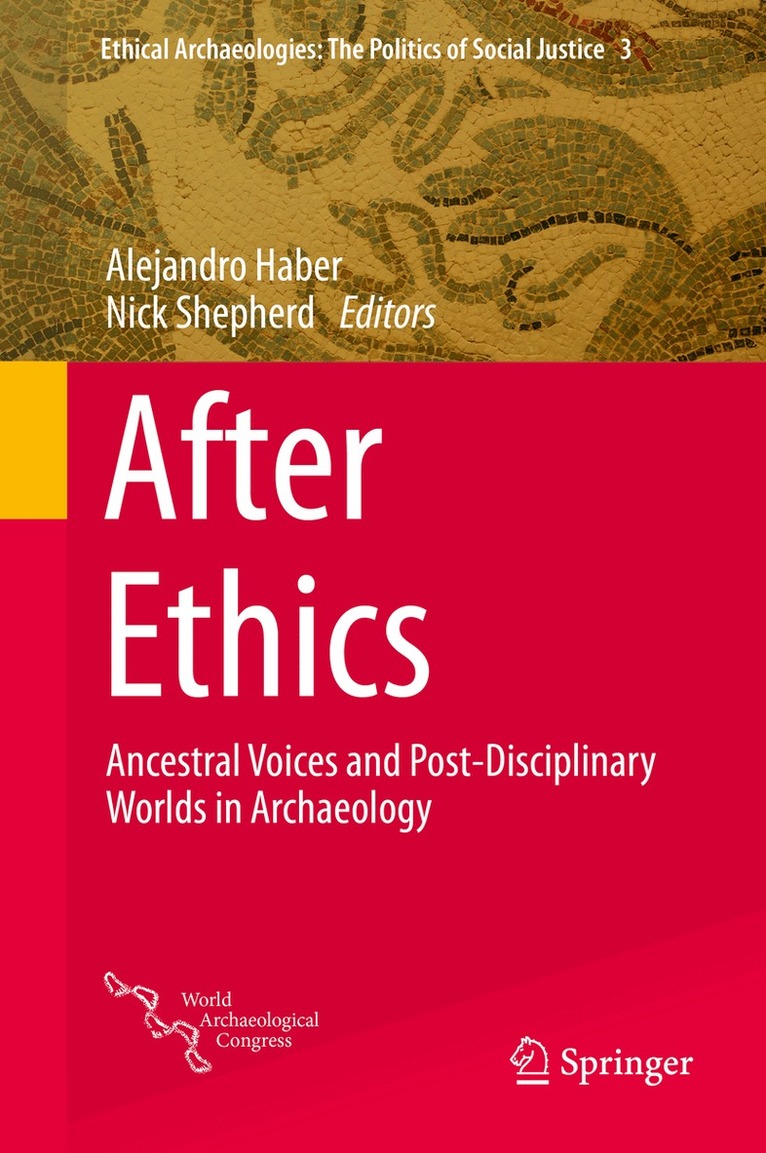
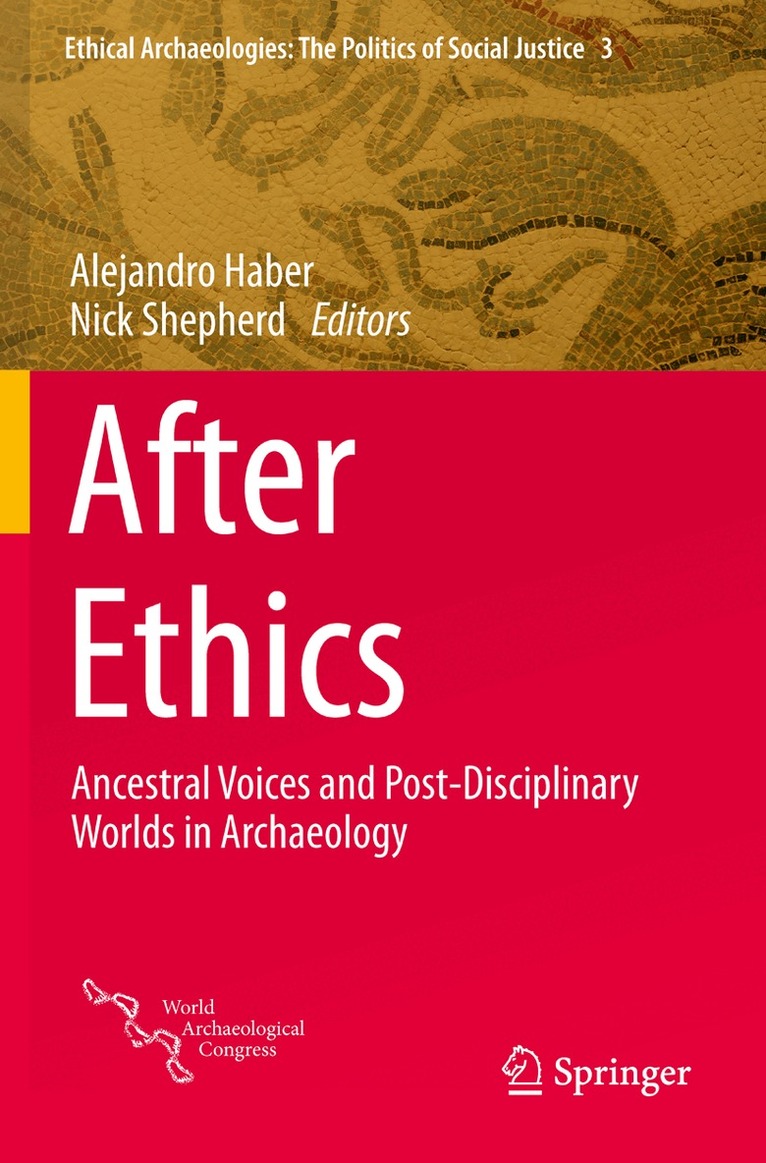
After Ethics
Ancestral Voices and Post-Disciplinary Worlds in Archaeology
Inbunden, Engelska, 2014
1 167 kr
Skickas inom 10-15 vardagar
While books on archaeological and anthropological ethics have proliferated in recent years, few attempt to move beyond a conventional discourse on ethics to consider how a discussion of the social and political implications of archaeological practice might be conceptualized differently. The conceptual ideas about ethics posited in this volume make it of interest to readers outside of the discipline; in fact, to anyone interested in contemporary debates around the possibilities and limitations of a discourse on ethics. The authors in this volume set out to do three things. The first is to track the historical development of a discussion around ethics, in tandem with the development and “disciplining” of archaeology. The second is to examine the meanings, consequences and efficacies of a discourse on ethics in contemporary worlds of practice in archaeology. The third is to push beyond the language of ethics to consider other ways of framing a set of concerns around rights, accountabilities and meanings in relation to practitioners, descendent and affected communities, sites, material cultures, the ancestors and so on.
Del 2 - Ethical Archaeologies: The Politics of Social Justice
Ethics and the Archaeology of Violence
Häftad, Engelska, 2016
534 kr
Skickas inom 10-15 vardagar
This volume examines the distinctive and highly problematic ethical questions surrounding conflict archaeology. By bringing together sophisticated analyses and pertinent case studies from around the world it aims to address the problems facing archaeologists working in areas of violent conflict, past and present. Of all the contentious issues within archaeology and heritage, the study of conflict and work within conflict zones are undoubtedly the most highly charged and hotly debated, both within and outside the discipline. Ranging across the conflict zones of the world past and present, this book attempts to raise the level of these often fractious debates by locating them within ethical frameworks. The issues and debates in this book range across a range of ethical models, including deontological, teleological and virtue ethics. The chapters address real-world ethical conundrums that confront archaeologists in a diversity of countries, including Israel/Palestine, Iran, Uruguay, Argentina, Rwanda, Germany and Spain. They all have in common recent, traumatic experiences of war and dictatorship. The chapters provide carefully argued, thought-provoking analyses and examples that will be of real practical use to archaeologists in formulating and addressing ethical dilemmas in a confident and constructive manner.
Del 1 - Ethical Archaeologies: The Politics of Social Justice
Ethics and Archaeological Praxis
Häftad, Engelska, 2016
1 167 kr
Skickas inom 10-15 vardagar
Restoring the historicity and plurality of archaeological ethics is a task to which this book is devoted; its emphasis on praxis mends the historical condition of ethics. In doing so, it shows that nowadays a multicultural (sometimes also called “public”) ethic looms large in the discipline. By engaging communities “differently,” archaeology has explicitly adopted an ethical outlook, purportedly striving to overcome its colonial ontology and metaphysics. In this new scenario, respect for other historical systems/worldviews and social accountability appear to be prominent. Being ethical in archaeological terms in the multicultural context has become mandatory, so much that most professional, international and national archaeological associations have ethical principles as guiding forces behind their openness towards social sectors traditionally ignored or marginalized by their practices. This powerful new ethics—its newness is based, to a large extent, in that it is the first time that archaeological ethics is explicitly stated, as if it didn’t exist before—emanates from metropolitan centers, only to be adopted elsewhere. In this regard, it is worth probing the very nature of the dominant multicultural ethics in disciplinary practices because (a) it is at least suspicious that at the same time archaeology has tuned up with postmodern capitalist/market needs, and (b) the discipline (along with its ethical principles) is contested worldwide by grass-roots organizations and social movements. Can archaeology have socially committed ethical principles at the same time that it strengthens its relationship with the market and capitalism? Is this coincidence just merely haphazard or does it obey more structural rules? The papers in this book try to answer these two questions by examining praxis-based contexts in which archaeological ethics unfolds.
Del 3 - Ethical Archaeologies: The Politics of Social Justice
After Ethics
Ancestral Voices and Post-Disciplinary Worlds in Archaeology
Häftad, Engelska, 2016
1 167 kr
Skickas inom 10-15 vardagar
While books on archaeological and anthropological ethics have proliferated in recent years, few attempt to move beyond a conventional discourse on ethics to consider how a discussion of the social and political implications of archaeological practice might be conceptualized differently. The conceptual ideas about ethics posited in this volume make it of interest to readers outside of the discipline; in fact, to anyone interested in contemporary debates around the possibilities and limitations of a discourse on ethics. The authors in this volume set out to do three things. The first is to track the historical development of a discussion around ethics, in tandem with the development and “disciplining” of archaeology. The second is to examine the meanings, consequences and efficacies of a discourse on ethics in contemporary worlds of practice in archaeology. The third is to push beyond the language of ethics to consider other ways of framing a set of concerns around rights, accountabilities and meanings in relation to practitioners, descendent and affected communities, sites, material cultures, the ancestors and so on.
Del 4 - Ethical Archaeologies: The Politics of Social Justice
Ethics of Cultural Heritage
Häftad, Engelska, 2016
693 kr
Skickas inom 10-15 vardagar
It is widely acknowledged that all archaeological research is embedded within cultural, political and economic contexts, and that all archaeological research falls under the heading ‘heritage’. Most archaeologists now work in museums and other cultural institutions, government agencies, non-government organisations and private sector companies, and this diversity ensures that debates continue to proliferate about what constitutes appropriate professional ethics within these related and relevant contexts.Discussions about the ethics of cultural heritage in the 20th century focused on standards of professionalism, stewardship, responsibilities to stakeholders and on establishing public trust in the authenticity of the outcomes of the heritage process. This volume builds on recent approaches that move away from treating ethics as responsibilities to external domains and to the discipline, and which seek to ensure ethics are integral to all heritage theory, practice and methods. The chapters in this collection chart a departure from the tradition of external heritage ethics towards a broader approach underpinned by the turn to human rights, issues of social justice and the political economy of heritage, conceptualising ethical responsibilities not as pertaining to the past, but to a future-focused domain of social action.