Ana Carden-Coyne - Böcker
Visar alla böcker från författaren Ana Carden-Coyne. Handla med fri frakt och snabb leverans.
6 produkter
6 produkter
1 438 kr
Skickas inom 7-10 vardagar
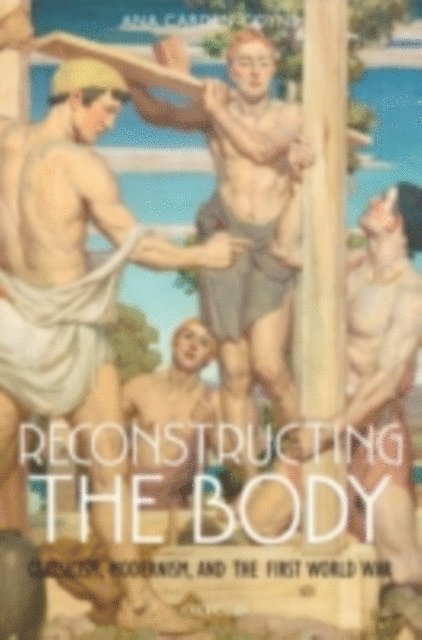
The First World War mangled faces, blew away limbs, and ruined nerves. Ten million dead, twenty million severe casualties, and eight million people with permanent disabilities - modern war inflicted pain and suffering with unsparing, mechanical efficiency. However, such horror was not the entire story. People also rebuilt their lives, their communities, and their bodies. From the ashes of war rose beauty, eroticism, and the promise of utopia. Ana Carden-Coyne investigates the cultures of resilience and the institutions of reconstruction in Britain, Australia, and the United States. Immersed in efforts to heal the consequences of violence and triumph over adversity, reconstruction inspired politicians, professionals, and individuals to transform themselves and their societies. Bodies were not to remain locked away as tortured memories. Instead, they became the subjects of outspoken debate, the objects of rehabilitation, and commodities of desire in global industries. Governments, physicians, beauty and body therapists, monument designers and visual artists looked to classicism and modernism as the tools for rebuilding civilization and its citizens. What better response to loss of life, limb, and mind than a body reconstructed?
The Politics of Wounds
Military Patients and Medical Power in the First World War
Inbunden, Engelska, 2014
2 213 kr
Skickas inom 5-8 vardagar
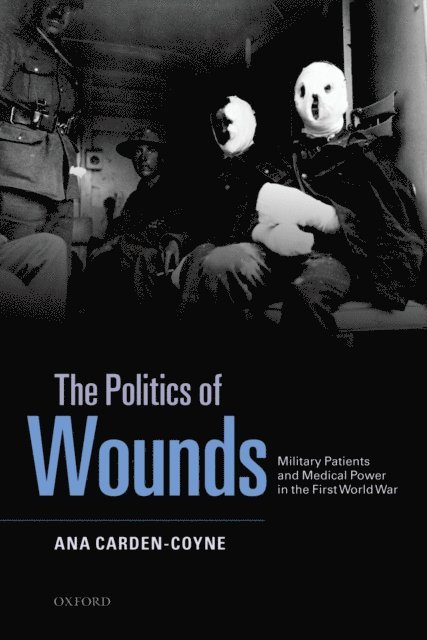
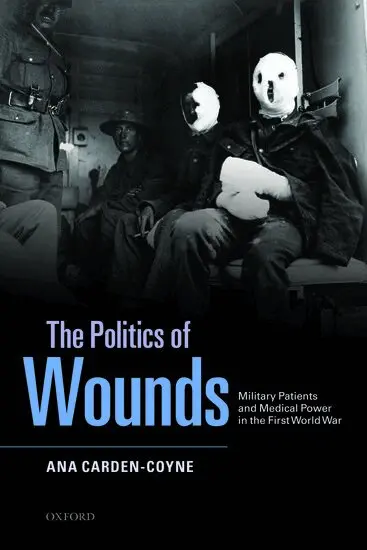
The Politics of Wounds explores military patients' experiences of frontline medical evacuation, war surgery, and the social world of military hospitals during the First World War. The proximity of the front and the colossal numbers of wounded created greater public awareness of the impact of the war than had been seen in previous conflicts, with serious political consequences.Frequently referred to as 'our wounded', the central place of the soldier in society, as a symbol of the war's shifting meaning, drew contradictory responses of compassion, heroism, and censure. Wounds also stirred romantic and sexual responses. This volume reveals the paradoxical situation of the increasing political demand levied on citizen soldiers concurrent with the rise in medical humanitarianism and war-related charitable voluntarism. The physical gestures and poignant sounds of the suffering men reached across the classes, giving rise to convictions about patient rights, which at times conflicted with the military's pragmatism. Why, then, did patients represent military medicine, doctors and nurses in a negative light? The Politics of Wounds listens to the voices of wounded soldiers, placing their personal experience of pain within the social, cultural, and political contexts of military medical institutions. The author reveals how the wounded and disabled found culturally creative ways to express their pain, negotiate power relations, manage systemic tensions, and enact forms of 'soft resistance' against the societal and military expectations of masculinity when confronted by men in pain. The volume concludes by considering the way the state ascribed social and economic values on the body parts of disabled soldiers though the pension system.
1 383 kr
Skickas inom 10-15 vardagar
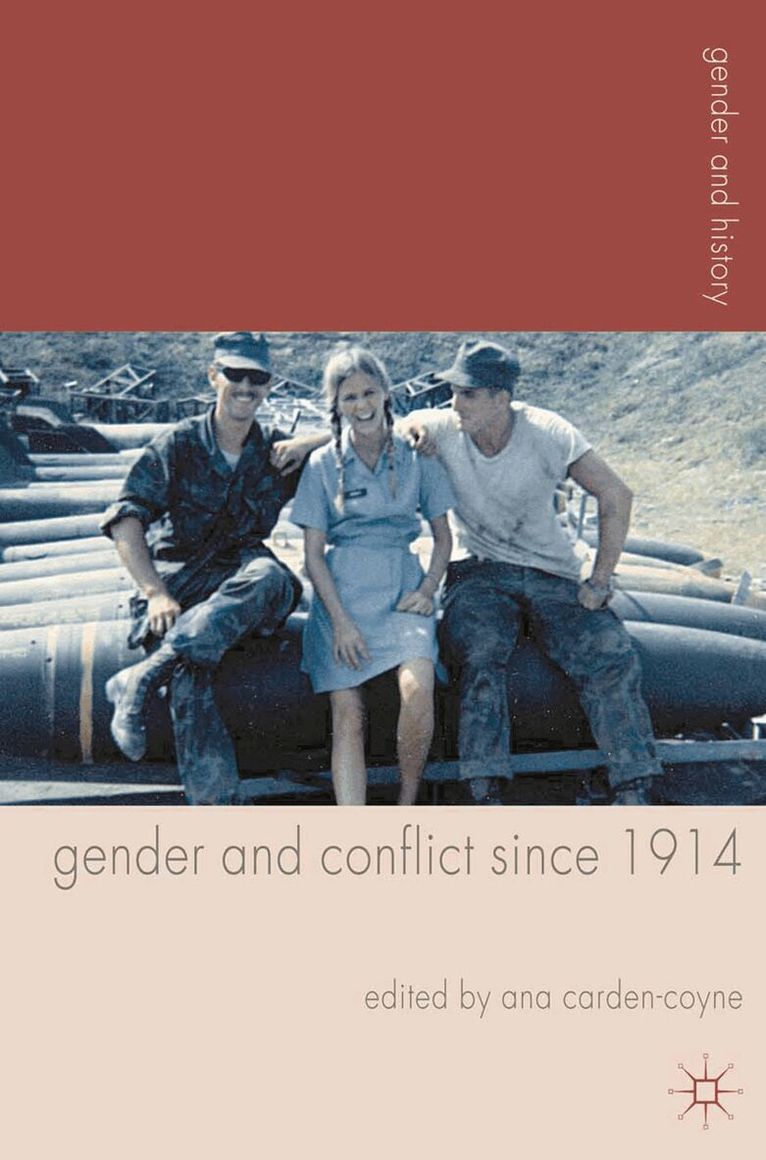
The First World War was a turning point for modern globalised warfare. It involved the inclusion of women in 'war efforts', the homefront becoming the warzone, and produced millions of wounded and disabled men. At the same time, it incited an extraordinary arsenal of gendered discourses, practices and beliefs in the service of militarism, power structures and personal agency.This insightful collection of interdisciplinary essays, by a wide-ranging team of experts, draws out critical themes emanating from 1914. Spanning the First and Second World Wars, through to the Vietnam War, the 'War on Terror' and the wars in Iraq and Afghanistan, the volume asks what has changed and what has continued? Ana Carden-Coyne demonstrates adeptly how understanding gender during periods of conflict has ongoing relevance across the twentieth and twenty-first centuries.
461 kr
Skickas inom 10-15 vardagar
The First World War was a turning point for modern globalised warfare. It involved the inclusion of women in 'war efforts', the homefront becoming the warzone, and produced millions of wounded and disabled men. At the same time, it incited an extraordinary arsenal of gendered discourses, practices and beliefs in the service of militarism, power structures and personal agency.This insightful collection of interdisciplinary essays, by a wide-ranging team of experts, draws out critical themes emanating from 1914. Spanning the First and Second World Wars, through to the Vietnam War, the 'War on Terror' and the wars in Iraq and Afghanistan, the volume asks what has changed and what has continued? Ana Carden-Coyne demonstrates adeptly how understanding gender during periods of conflict has ongoing relevance across the twentieth and twenty-first centuries.
552 kr
Skickas inom 10-15 vardagar
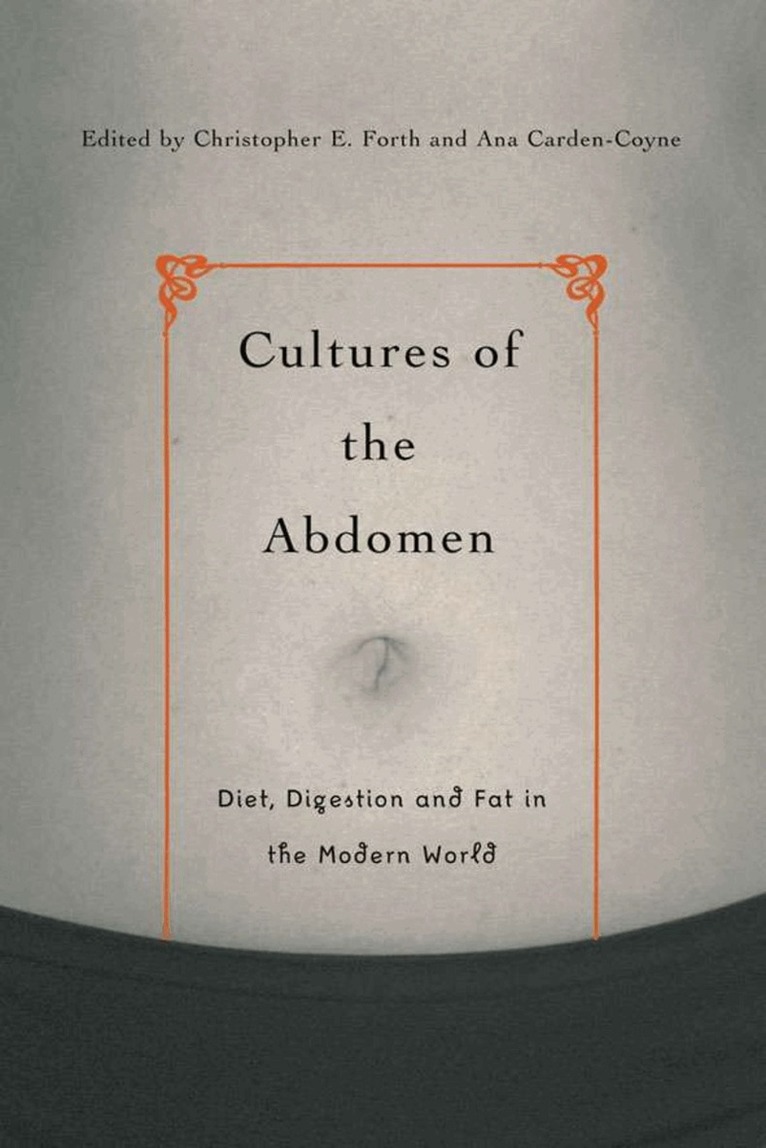
Cultures of the Abdomen traces the history of medical, social, and cultural ideas about the stomach and related organs since the 17th century, and demonstrates that a focused study of the abdomen is necessary for understanding the deep historical meanings that underscore our contemporary obsessions with diet, indigestion, regularity, and obesity. This book locates that history from religious ideals in pre-modern Europe to current surgical solutions to obesity in Brazil, surveying along the way developments in America, Britain, Australia, France, Germany, Italy, Russia, and India. It reflects the methods of cultural history, and draws upon a range of disciplines from literary and gender studies to social, medical, and intellectual history.
356 kr
Skickas
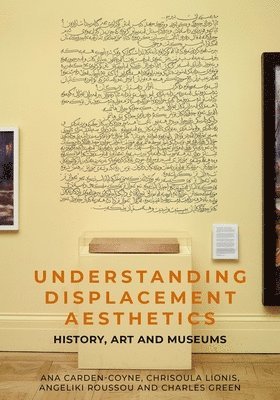
Since the Second World War and the formalisation of the international refugee regime, forced displacement has been marked by a set of aesthetic, practical, and institutional concerns. Understanding Displacement Aesthetics examines how visual culture and art practice constructs and challenges ideas about forced displacement and refugees. The novel framework for ‘displacement aesthetics’ moves beyond conventional understandings of aesthetics as merely representational, demonstrating the entanglement of visual culture, art practices, and forced displacement in postmigrant contexts. Bringing together the fields of cultural history, art history, and curatorial studies, Understanding Displacement Aesthetics identifies four areas for consideration: visual tropes of refugeedom; language and identity; institutional and artistic responses to displacement; and lived experiences of artists with backgrounds of displacement. Through archival research, visual culture and art, interviews, and collaborative curatorship, Understanding Displacement Aesthetics offers new insight into overcoming the limitations that contexts of displacement can present for artists, art galleries and institutions addressing refugeedom and its legacies.