Anastasja Abraham – författare
Visar alla böcker från författaren Anastasja Abraham. Handla med fri frakt och snabb leverans.
3 produkter
Bait and Switch
The American Alt-Right’s Manufactured Martyrdom
Av Anastasja Abraham, Amílcar Antonio Barreto
Inbunden, 2024
1207 kr
Lägg i varukorg
Exclusionary notions of American national identity have been endemic since the country’s founding. Since the Culture Wars, they have returned with vengeance. One of their champions is a new generation of tech savvy activists known as the Alt-Right. This is a movement that embraces a vision of …
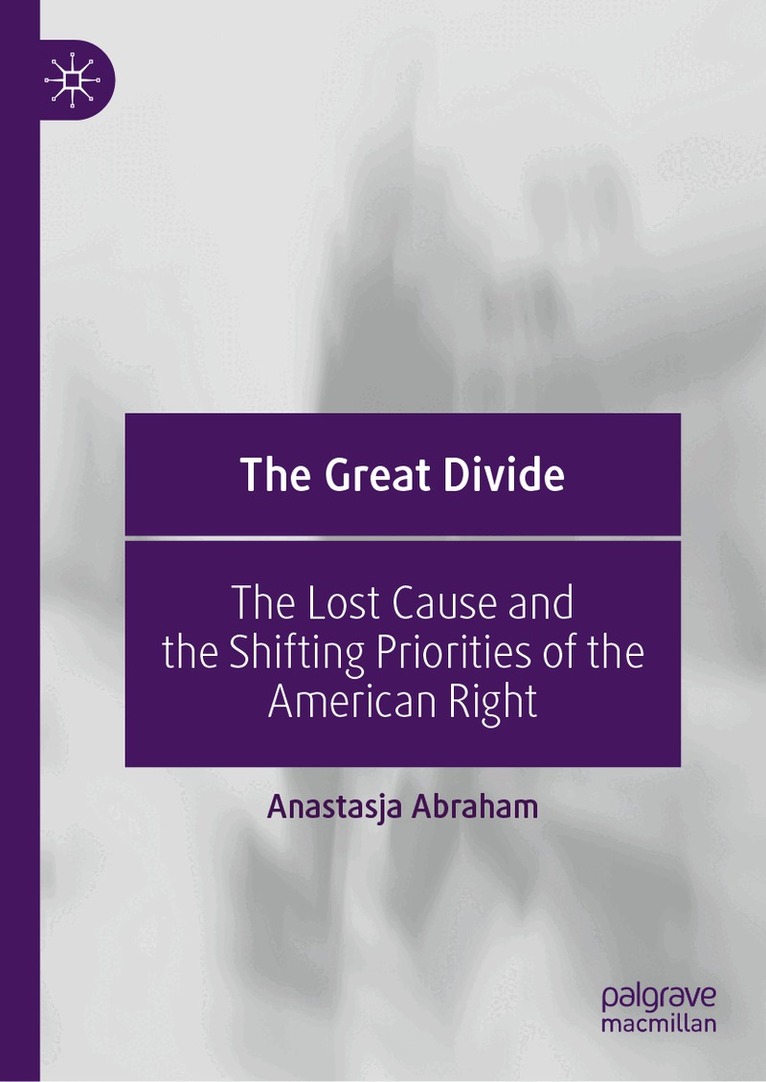
Great Divide
The Lost Cause and the Shifting Priorities of the American Right
Inbunden, 2026
1423 kr
Lägg i varukorg
The American nation has traditionally treated the Lost Cause as a singular phenomenon, a reactionary ideology built from the American South’s perceived victimhood following the Civil War. However, in the myth of the Lost Cause, generations of American far-right individuals and groups have found an …
Great Divide
The Lost Cause and the Shifting Priorities of the American Right
E-bok, 2026
1728 kr
Lägg i varukorg
The American nation has traditionally treated the Lost Cause as a singular phenomenon, a reactionary ideology built from the American South’s perceived victimhood following the Civil War. However, in the myth of the Lost Cause, generations of American far-right individuals and groups have found an …