Andrew McConnell Stott – författare
Visar alla böcker från författaren Andrew McConnell Stott. Handla med fri frakt och snabb leverans.
5 produkter
5 produkter
257 kr
Skickas inom 7-10 vardagar
In September 1769, three thousand people descended on Stratford-Upon-Avon to celebrate the legacy of the town’s most famous son. For three days, attendees paraded through garlanded streets, listened to songs and oratorios, and enjoyed masked balls. It was a unique cultural moment—a coronation elevating William Shakespeare to the throne of genius. It was also a disaster as the poorly planned Jubilee imposed an army of Londoners on an ill-equipped backwater town.Told from the perspectives of David Garrick, who masterminded the Jubilee, and James Boswell, who attended it, What Blest Genius? is rich with humour, gossip and intrigue. Recounting the absurd and chaotic glory of those three days, Andrew McConnell Stott illuminates the circumstances in which Shakespeare became a transcendent global icon.
374 kr
Skickas inom 7-10 vardagar
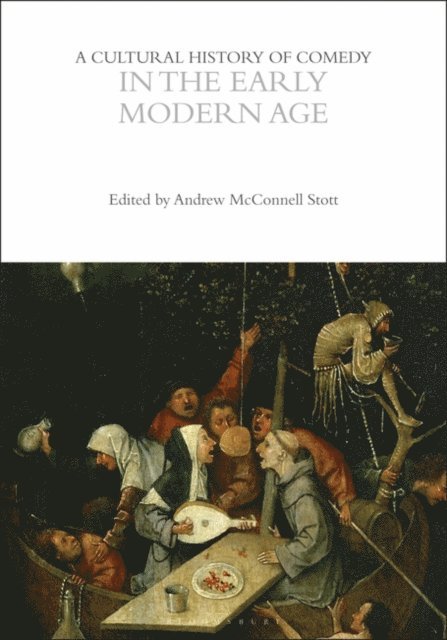
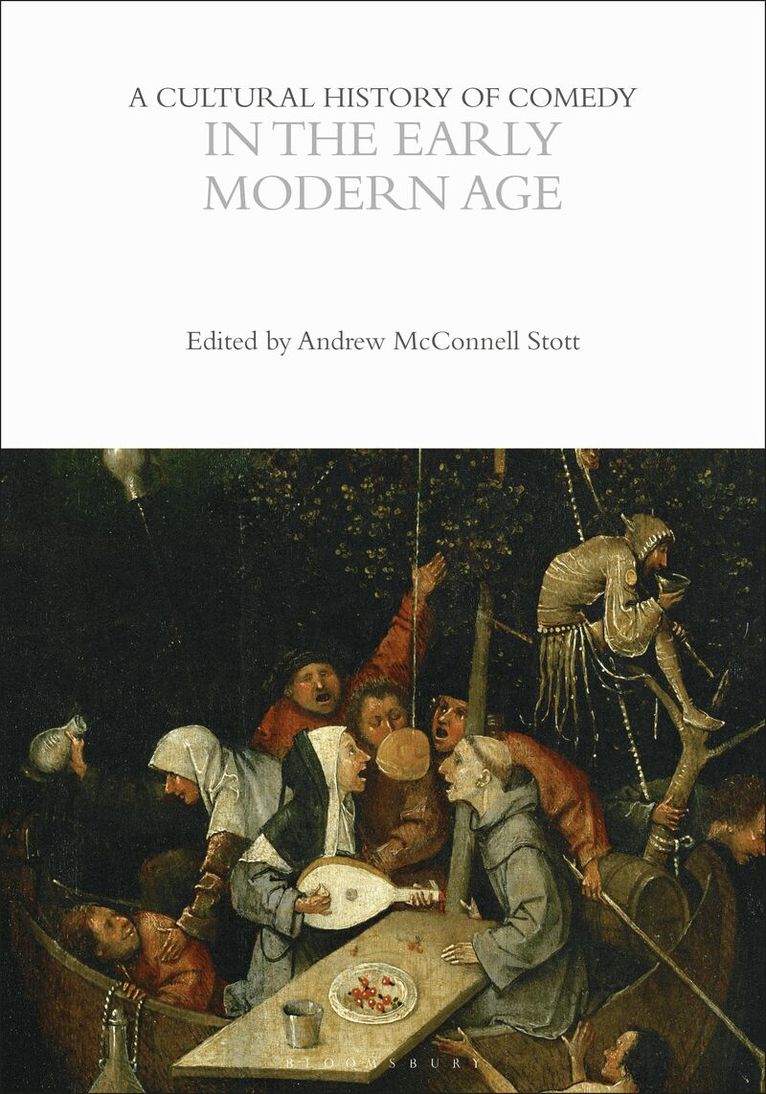
Drawing together scholars with a wide range of expertise across the early modern period, this volume explores the rich field of early modern comedy in all its variety. It argues that early modern comedy was shaped by a series of cultural transformations that included the emergence of the entertainment industry, the rise of the professional comedian, extended commentaries on the nature of comedy and laughter, and the development of printed jestbooks. It was the prime site from which to satirize a rapidly-changing world and explore the formation of new social relations around questions of gender, authority, identity, and commerce, amongst others. Yet even as it reacted to the novel and the new, comedy also served as a receptacle for the celebration of older social rituals such as May games and seasonal festivities. The result was a complex and contested mix of texts, performances, and concepts providing a deep tradition that abides to this day. Each chapter takes a different theme as its focus: form, theory, praxis, identities, the body, politics and power, laughter and ethics. These eight different approaches to early modern comedy add up to an extensive, synoptic coverage of the subject.
2 512 kr
Skickas inom 7-10 vardagar
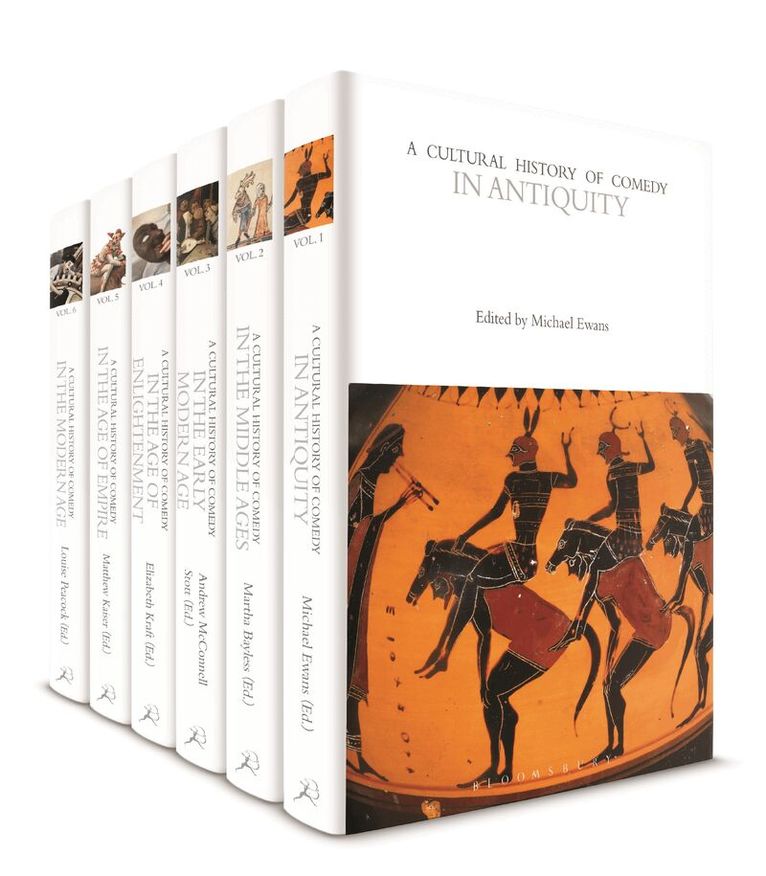
How has our expression, use and reception of comedy developed from antiquity to the present day? What role has it occupied in Western culture, and what can it tell us about how society has changed?In a work that spans 2,500 years, these ambitious questions are addressed by 55 experts, each contributing their overview of a theme applied to a period in history. The volumes describe various manifestations of comedy, its use in religion, theatre and literature, and its historical and philosophical significance.Individual volume editors ensure the cohesion of the whole, and to make it as easy as possible to use, chapter titles are identical across each of the volumes. This gives the choice of reading about a specific period in one of the volumes, or following a theme across history by reading the relevant chapter in each of the six.The six volumes cover: 1. – Antiquity (500 BCE - 1000 AD); 2. – Middle Ages (1000 - 1400); 3. – Early Modern Age (1400 - 1650) ; 4. – Age of Enlightenment (1650 - 1800); 5. – Age of Empire (1800 - 1920); 6. – Modern Age (1920 – present).Themes (and chapter titles) are: Form; Theory; Praxis; Identities; The Body; Politics and Power; Laughter; and Ethics.The page extent is approximately 1,824pp with c. 191 illustrations. Each volume opens with Notes on Contributors, a series preface and an introduction, and concludes with Notes, Bibliography and an Index.The Cultural Histories SeriesA Cultural History of Comedy is part of The Cultural Histories Series. Titles are available both as printed hardcover sets for libraries needing just one subject or preferring a one-off purchase and tangible reference for their shelves, or as part of a fully-searchable digital library available to institutions by annual subscription or on perpetual access (see www.bloomsburyculturalhistory.com).
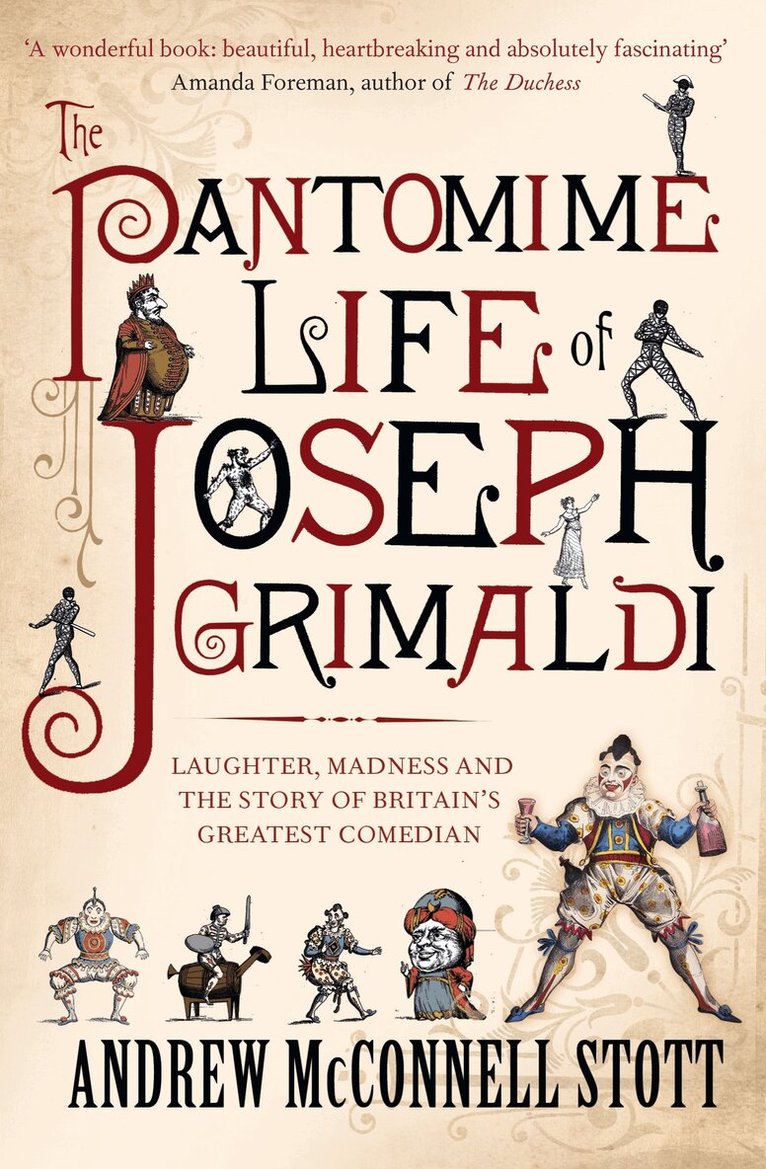
Pantomime Life of Joseph Grimaldi
Laughter, Madness and the Story of Britain's Greatest Comedian
Häftad, Engelska, 2010
157 kr
Skickas
The son of a deranged Italian immigrant, Joseph Grimaldi (1778-1837) was the most celebrated of English clowns. The first to use white-face make-up and wear outrageous coloured clothes, he completely transformed the role of the Clown in the pantomime with a look as iconic as Chaplin's tramp or Tommy Cooper's magician. One of the first celebrity comedians, his friends included Lord Byron and the actor Edmund Kean, and his memoirs were edited by the young Charles Dickens. But underneath the stage paint, Grimaldi struggled with depression and his life was blighted with tragedy. His first wife died in childbirth and his son would go on to drink himself to death. The outward joy and tomfoolery of his performances masked a dark and depressing personal life, and instituted the modern figure of the glum, brooding comedian. Joseph Grimaldi left an indelible mark on the English theatre and the performing arts, but his legacy is one of human struggle, battling demons and giving it his all in the face of adversity.
168 kr
Skickas
Villa Diodati. 1816.In a villa on the shore of Lake Geneva, Lord Byron, Percy Shelley, and his young wife Mary, gathered for the summer. For three glittering months, this party of young bohemians would share their lives, charged with sexual and artistic tensions. It was a period of extraordinary creativity from which would emerge some of the masterworks of the Romantic period, including Frankenstein.But there were two other guests at the villa that summer, for whom the season would not be so rosy. With Byron came his young physician, John Polidori, a man with literary aspirations of his own. And joining Mary was her step-sister, the beautiful Claire Clairmont. For Byron and the Shelleys, their stay by the lake would serve to immortalise them in the annals of literary history. But for Claire and Polidori, the Swiss sojourn would scar them forever.