Angela Brintlinger – författare
Visar alla böcker från författaren Angela Brintlinger. Handla med fri frakt och snabb leverans.
16 produkter
Seasoned Socialism
Gender and Food in Late Soviet Everyday Life
Av Anastasia Lakhtikova, Angela Brintlinger m. fl.
Inbunden, 2019
846 kr
Lägg i varukorg
Seasoned Socialism considers the relationship between gender and food in late Soviet daily life. Political and economic conditions heavily influenced Soviet life and foodways during this period and an exploration of Soviet women's central role in the daily sustenance for their families as well as …
Seasoned Socialism
Gender and Food in Late Soviet Everyday Life
Av Anastasia Lakhtikova, Angela Brintlinger m. fl.
Häftad, 2019
426 kr
Lägg i varukorg
Seasoned Socialism considers the relationship between gender and food in late Soviet daily life. Political and economic conditions heavily influenced Soviet life and foodways during this period and an exploration of Soviet women's central role in the daily sustenance for their families as well as …
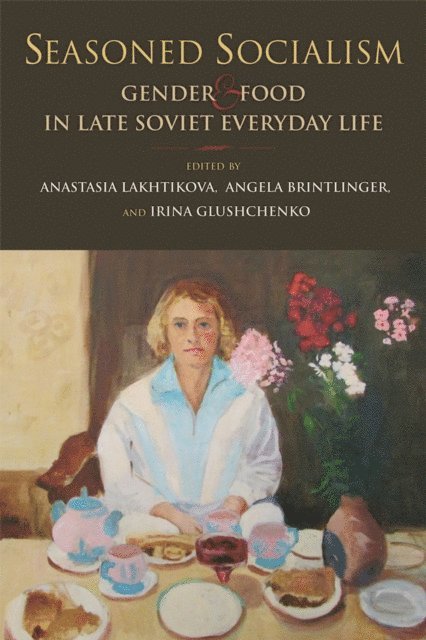
Seasoned Socialism
Gender & Food in Late Soviet Everyday Life
Av Irina Glushchenko, Angela Brintlinger m. fl.
E-bok, 2019
210 kr
Lägg i varukorg
This essay anthology explores the intersection of gender, food and culture in post-1960s Soviet life from personal cookbooks to gulag survival.Seasoned Socialism considers the relationship between gender and food in late Soviet daily life, specifically between 1964 and 1985. Political and economic …
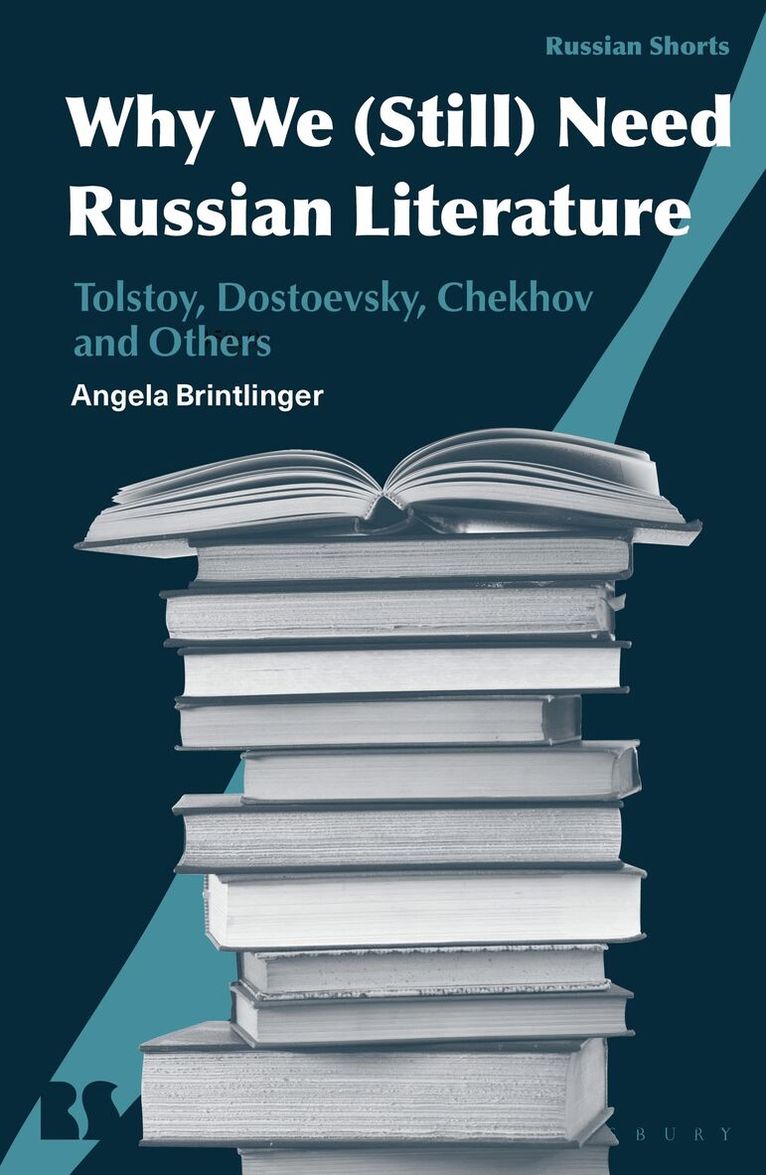
Why We (Still) Need Russian Literature
Tolstoy, Dostoevsky, Chekhov and Others
Av Angela Brintlinger, Stephen M. Norris m. fl.
Häftad, 2024
217 kr
Lägg i varukorg
For nearly two centuries readers all over the world have turned to the great canon of Russian literature. Love and death, war and peace, yes, even crime and punishment; readers across the globe have found in Russian writing a substantial measure of intellectual provocation, aesthetic pleasure, …
Why We (Still) Need Russian Literature
Tolstoy, Dostoevsky, Chekhov and Others
Av Angela Brintlinger, Stephen M. Norris
Inbunden, 2024
755 kr
Lägg i varukorg
For nearly two centuries readers all over the world have turned to the great canon of Russian literature. Love and death, war and peace, yes, even crime and punishment; readers across the globe have found in Russian writing a substantial measure of intellectual provocation, aesthetic pleasure, …
Why We (Still) Need Russian Literature
Tolstoy, Dostoevsky, Chekhov and Others
E-bok, 2024
233 kr
Lägg i varukorg
For nearly two centuries readers all over the world have turned to the great canon of Russian literature. Love and death, war and peace, yes, even crime and punishment; readers across the globe have found in Russian writing a substantial measure of intellectual provocation, aesthetic pleasure, …
Why We (Still) Need Russian Literature
Tolstoy, Dostoevsky, Chekhov and Others
E-bok, 2024
233 kr
Lägg i varukorg
For nearly two centuries readers all over the world have turned to the great canon of Russian literature. Love and death, war and peace, yes, even crime and punishment; readers across the globe have found in Russian writing a substantial measure of intellectual provocation, aesthetic pleasure, …
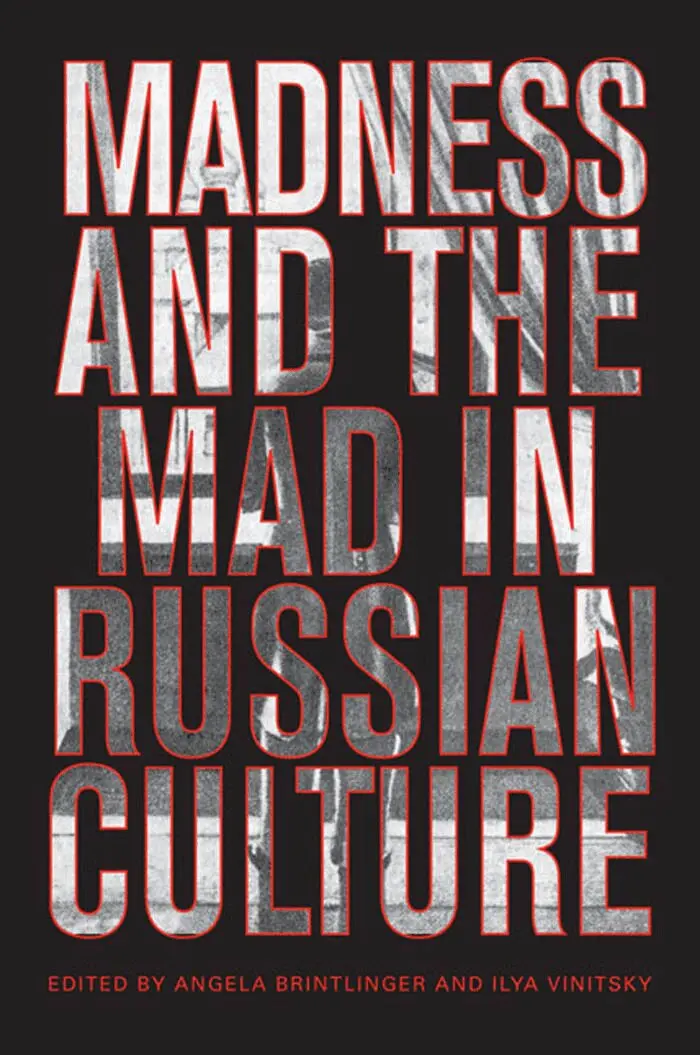
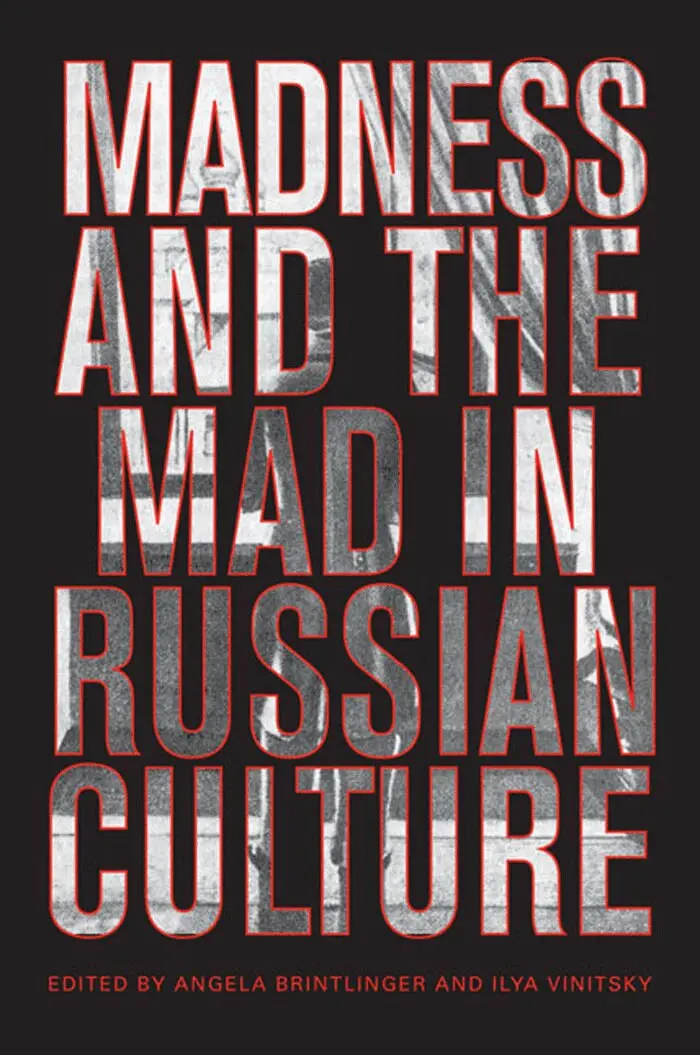
Madness and the Mad in Russian Culture
Av Angela Brintlinger, Ilya Vinitsky
E-bok, 2006
537 kr
Lägg i varukorg
The problem of madness has preoccupied Russian thinkers since the beginning of Russia's troubled history and has been dealt with repeatedly in literature, art, film, and opera, as well as medical, political, and philosophical essays. Madness has been treated not only as a medical or psychological …
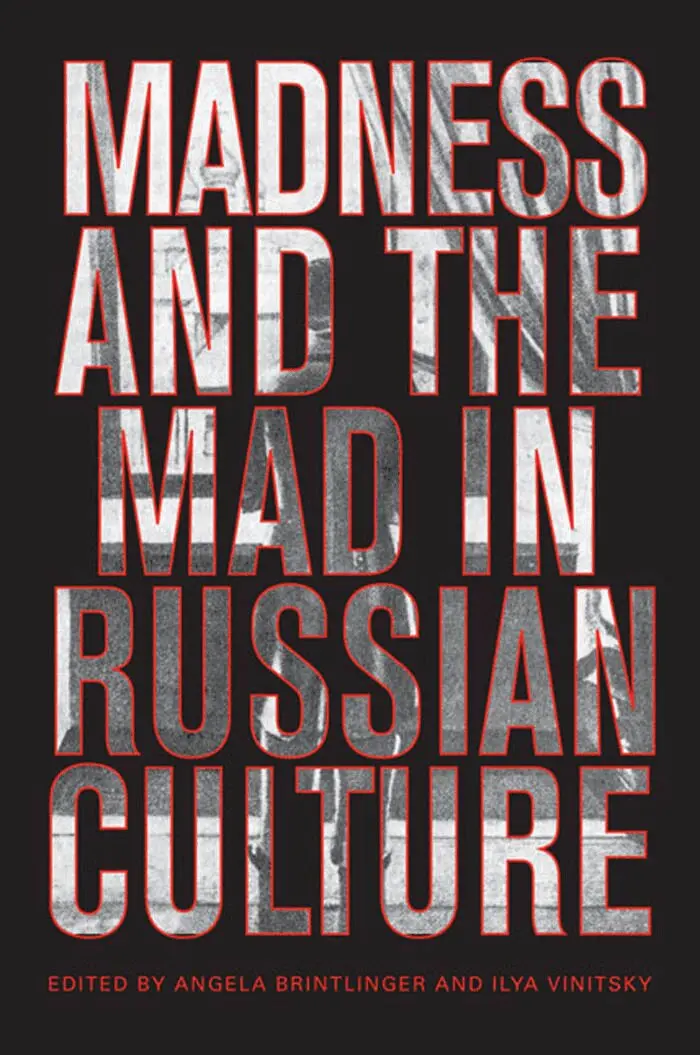
Madness and the Mad in Russian Culture
Av Angela Brintlinger, Ilya Vinitsky
E-bok, 2015
621 kr
Lägg i varukorg
The problem of madness has preoccupied Russian thinkers since the beginning of Russia''s troubled history and has been dealt with repeatedly in literature, art, film, and opera, as well as medical, political, and philosophical essays. Madness has been treated not only as a medical or psychological …
Madness and the Mad in Russian Culture
Av Angela Brintlinger, Ilya Vinitsky
Häftad, 2015
467 kr
Lägg i varukorg
The problem of madness has preoccupied Russian thinkers since the beginning of Russia's troubled history and has been dealt with repeatedly in literature, art, film, and opera, as well as medical, political, and philosophical essays. Madness has been treated not only as a medical or psychological …
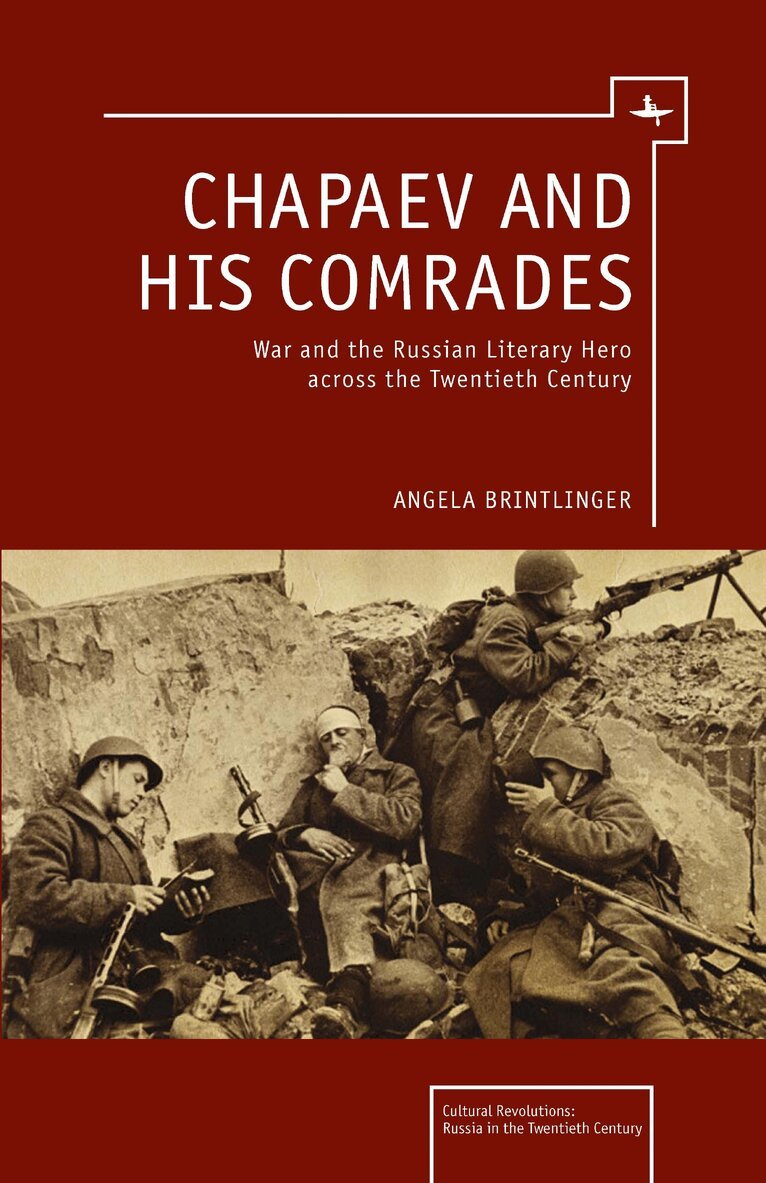
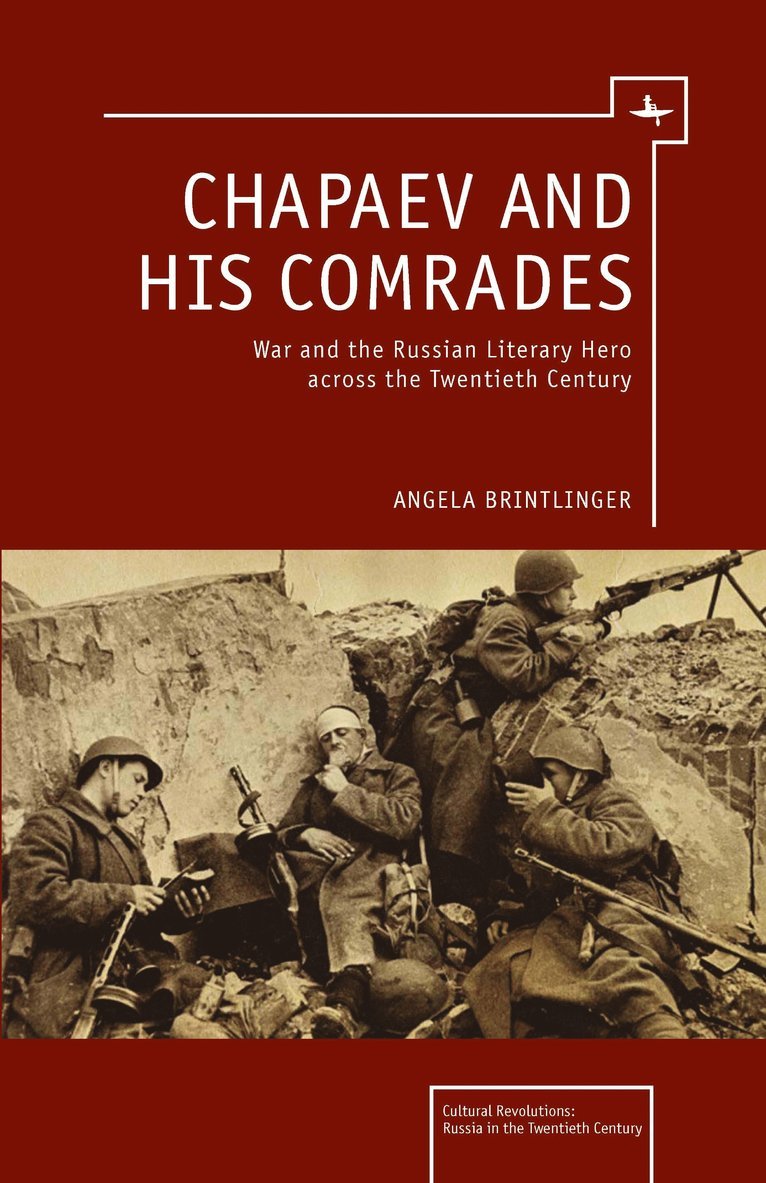
Chapaev and his Comrades
War and the Russian Literary Hero Across the Twentieth Century
Inbunden, 2012
1409 kr
Lägg i varukorg
Across the twentieth century, the Russian literary hero remained central to Russian fiction and frequently “battled” one enemy or another, whether on the battlefield or on a civilian front. War was the experience of the Russian people, and it became a dominant trope to represent the Soviet …
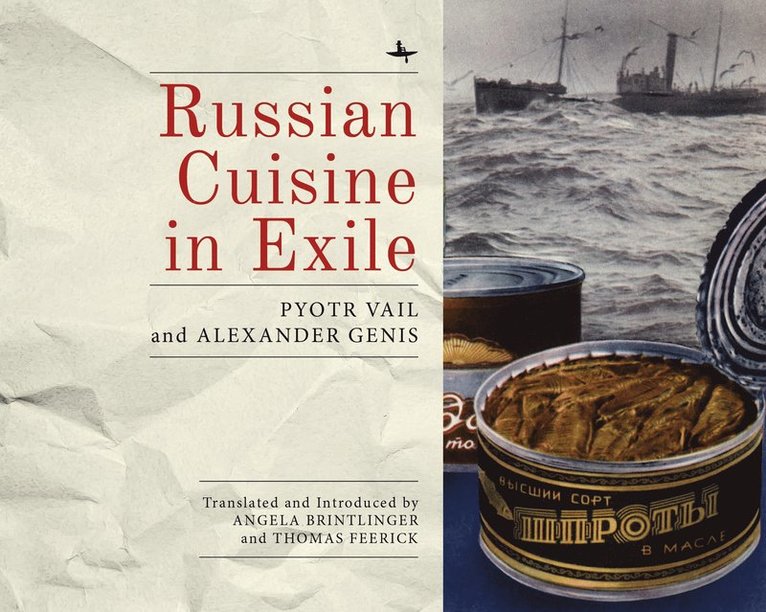
Russian Cuisine in Exile
Av Alexander Genis, Pyotr Vail m. fl.
Häftad, 2018
311 kr
Lägg i varukorg
Russian Cuisine in Exile brings the essays of Pyotr Vail and Alexander Genis, originally written in the mid-1980s, to an English-speaking audience. A must-read for scholars, students and general readers interested in Russian studies, but also for specialists in émigré literature, mobility studies, …
Chapaev and his Comrades
War and the Russian Literary Hero Across the Twentieth Century
Häftad, 2018
531 kr
Lägg i varukorg
Across the twentieth century, the Russian literary hero remained central to Russian fiction and frequently “battled” one enemy or another, whether on the battlefield or on a civilian front. War was the experience of the Russian people, and it became a dominant trope to represent the Soviet …
Writing a Usable Past
Russian Literary Culture, 1917-1937
Inbunden, 2020
549 kr
Lägg i varukorg
Writing a Usable Past argues that in the twenty years following the Bolshevik Revolution, writers seeking to understand the role of man in human history looked to literary heroes from past eras. Each in his own way, authors Iurii Tynianov, Vladislav Khodasevich, and Mikhail Bulgakov turned to the …
Writing a Usable Past
Russian Literary Culture, 1917-1937
Inbunden, 2000
958 kr
Tillfälligt slut
After the Revolution, Russian literary culture was split between the emigre community and the citizens of the new Soviet Union. Brintlinger examines this conflict by looking at three different biographies of Pushkin, written by writers from the different communities.
Writing a Usable Past
Russian Literary Culture, 1917-1937
Häftad, 2008
408 kr
Tillfälligt slut
In ""Writing a Usable Past"", Brintlinger considers the interactions of post-Revolutionary Russian and emigre culture with the genre of biography. She argues that in the years after the Revolution, Russian writers looked to the great literary figures of the past to help them construct a …