Anna Saunders – författare
Visar alla böcker från författaren Anna Saunders. Handla med fri frakt och snabb leverans.
11 produkter
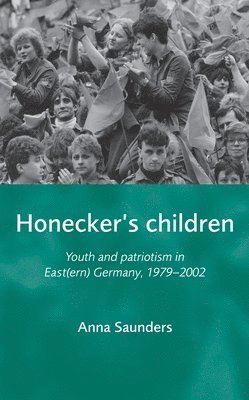
Honecker's Children
Youth and Patriotism in East(Ern) Germany, 1979–2002
Inbunden, 2007
1133 kr
Lägg i varukorg
During the final decade of the German Democratic Republic (GDR), young citizens found themselves at the heart of a rigorous programme of socialist patriotic education, yet following the fall of the Berlin Wall, the emphasis of official state rhetoric, textbooks and youth activities changed beyond …
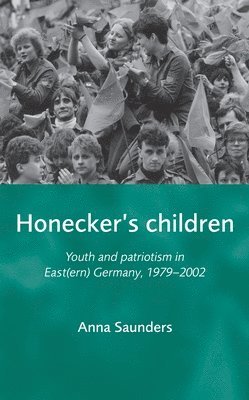
Honecker's Children
Youth and patriotism in East(ern) Germany, 1979–2002
Häftad, 2011
371 kr
Lägg i varukorg
During the final decade of the German Democratic Republic (GDR), young citizens found themselves at the heart of a rigorous programme of socialist patriotic education, yet following the fall of the Berlin Wall, the emphasis of official state rhetoric, textbooks and youth activities changed beyond …
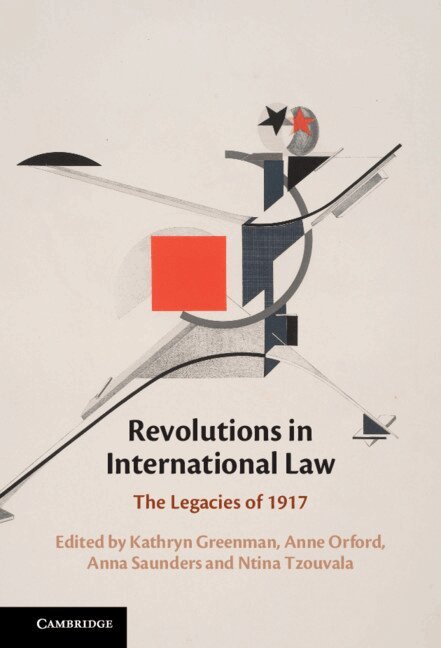
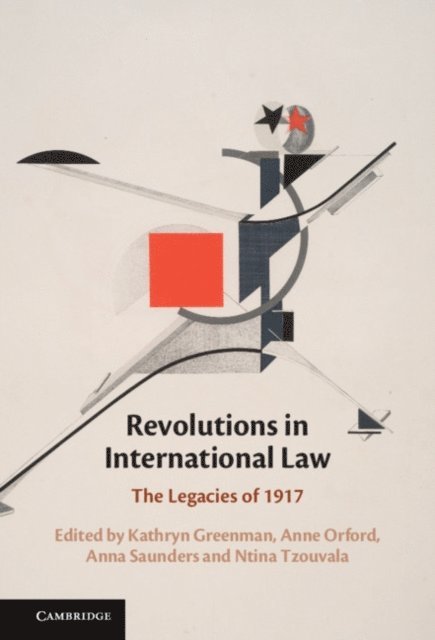
Revolutions in International Law
The Legacies of 1917
Av Kathryn Greenman, Anne Orford m. fl.
Inbunden, 2021
1813 kr
Lägg i varukorg
In 1917, the October Revolution and the adoption of the revolutionary Mexican Constitution shook the foundations of the international order in profound, unprecedented and lasting ways. These events posed fundamental challenges to international law, unsettling foundational concepts of property, …
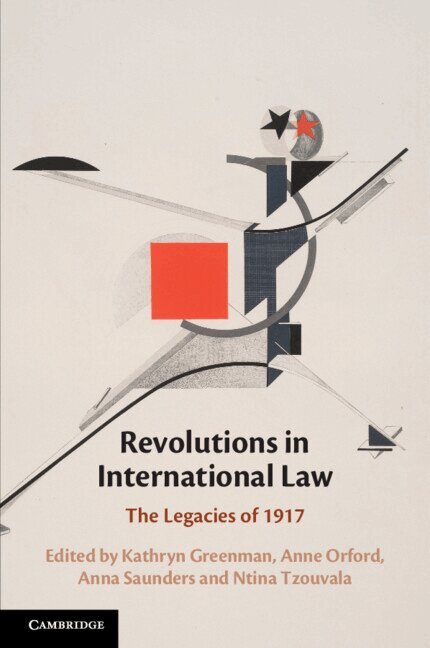
Revolutions in International Law
The Legacies of 1917
Av Kathryn Greenman, Anne Orford m. fl.
Häftad, 2022
508 kr
Lägg i varukorg
In 1917, the October Revolution and the adoption of the revolutionary Mexican Constitution shook the foundations of the international order in profound, unprecedented and lasting ways. These events posed fundamental challenges to international law, unsettling foundational concepts of property, …
Revolutions in International Law
The Legacies of 1917
Av Ntina Tzouvala, Anna Saunders m. fl.
E-bok, 2021
495 kr
Lägg i varukorg
Revolutions in International Law
The Legacies of 1917
Av Ntina Tzouvala, Anna Saunders m. fl.
E-bok, 2021
484 kr
Lägg i varukorg
In 1917, the October Revolution and the adoption of the revolutionary Mexican Constitution shook the foundations of the international order in profound, unprecedented and lasting ways. These events posed fundamental challenges to international law, unsettling foundational concepts of property, …
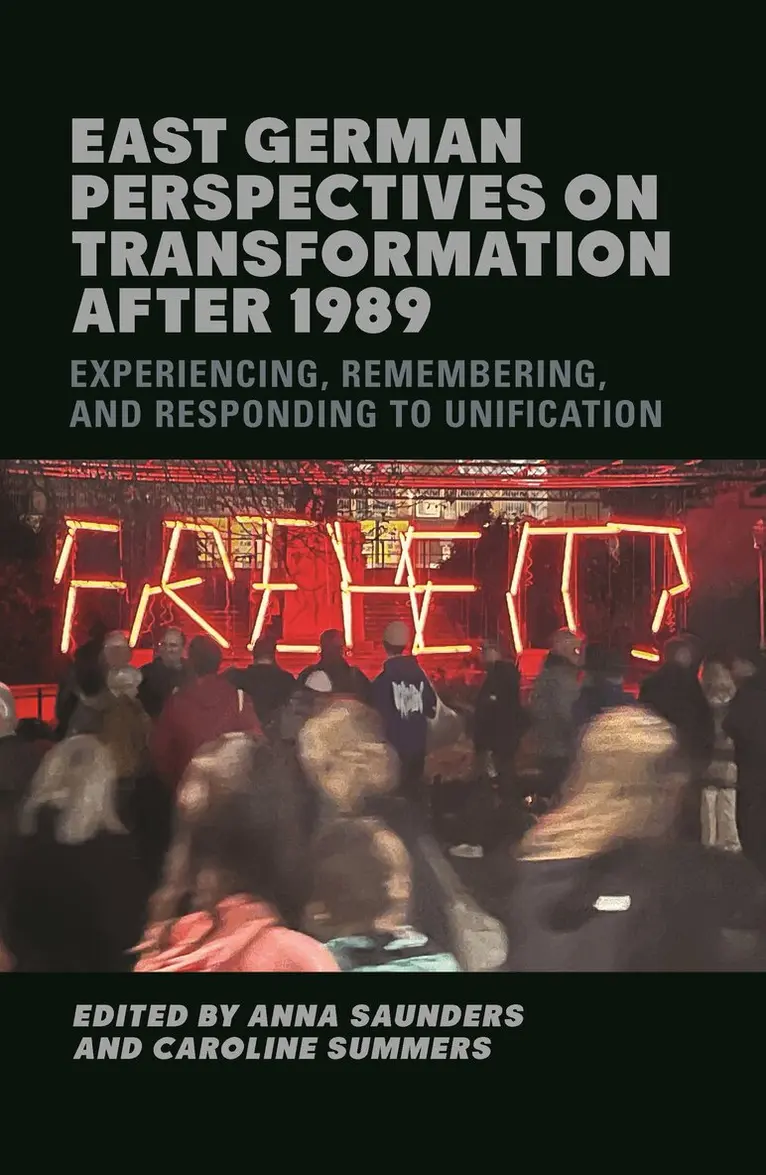
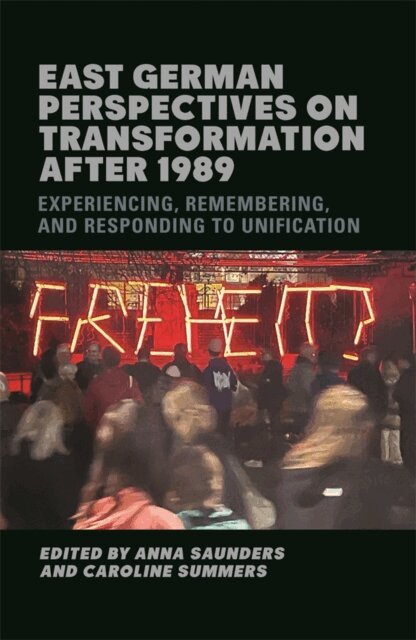
East German Perspectives on Transformation after 1989
Experiencing, Remembering, and Responding to Unification
Av Anna Saunders, Caroline Summers
Inbunden, 2026
1496 kr
Lägg i varukorg
Examines eastern Germans' diversity of experiences of 1989/90 and its continuing effects as reflected in biographical, creative, and collective representations, demonstrating the ongoing impact of die Wende in contemporary Germany.As the fall of the Berlin Wall and the official unification of …
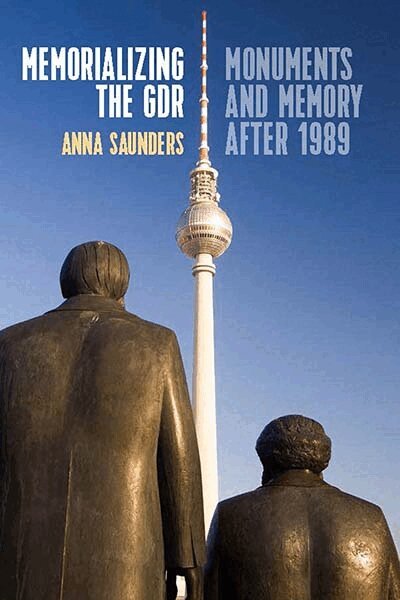
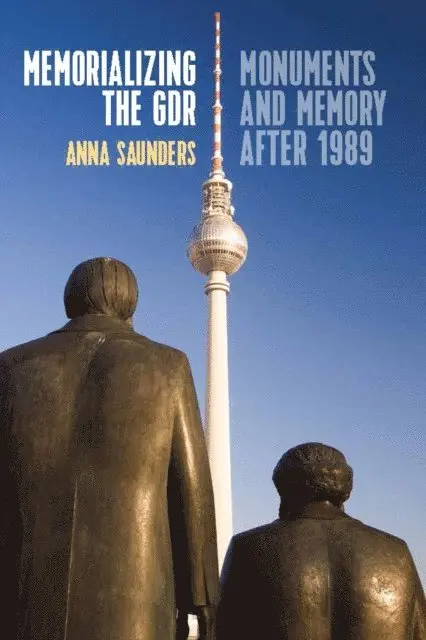
Memorializing the GDR
Monuments and Memory after 1989
Inbunden, 2018
2186 kr
Lägg i varukorg
Since unification, eastern Germany has witnessed a rapidly changing memorial landscape, as the fate of former socialist monuments has been hotly debated and new commemorative projects have met with fierce controversy. Memorializing the GDR provides the first in-depth study of this contested arena …
Memorializing the GDR
Monuments and Memory after 1989
E-bok, 2018
386 kr
Lägg i varukorg
Since unification, eastern Germany has witnessed a rapidly changing memorial landscape, as the fate of former socialist monuments has been hotly debated and new commemorative projects have met with fierce controversy. Memorializing the GDR provides the first in-depth study of this contested arena …
Memorializing the GDR
Monuments and Memory after 1989
Häftad, 2020
618 kr
Lägg i varukorg
Since unification, eastern Germany has witnessed a rapidly changing memorial landscape, as the fate of former socialist monuments has been hotly debated and new commemorative projects have met with fierce controversy. Memorializing the GDR provides the first in-depth study of this contested arena …
East German Perspectives on Transformation after 1989
Experiencing, Remembering, and Responding to Unification
Av Caroline Summers, Anna Saunders
E-bok, 2026
431 kr
Lägg i varukorg
Examines eastern Germans'' diversity of experiences of 1989/90 and its continuing effects as reflected in biographical, creative, and collective representations, demonstrating the ongoing impact of die Wende in contemporary Germany. As the fall of the Berlin Wall and the official unification of …