Anne Donadey – författare
Visar alla böcker från författaren Anne Donadey. Handla med fri frakt och snabb leverans.
2 produkter
2 produkter
492 kr
Skickas inom 7-10 vardagar
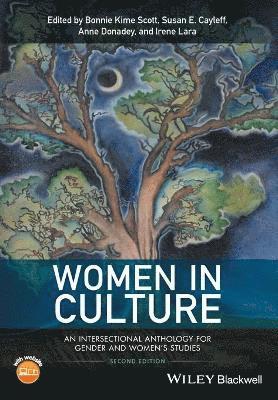
The thoroughly revised Women in Culture 2/e explores the intersections of gender, race, sexuality, gender identity, and spirituality from the perspectives of diverse global locations. Its strong humanities content, including illustrations and creative writing, uniquely embraces the creative aspects of the field. Each of the ten thematic chapters lead to creative readings, introducing a more Readings throughout the text encourage intersectional thinking amongst students humanistic angle than is typical of textbooks in the fieldThis textbook is queer inclusive and allows students to engage with postcolonial/decolonial thinking, spirituality, and reproductive/environmental justiceA detailed timeline of feminist history, criticism and theory is provided, and the glossary encourages the development of critical vocabularyA variety of illustrations supplement the written materials, and an accompanying website offers instructors pedagogical resources
1 391 kr
Skickas inom 10-15 vardagar
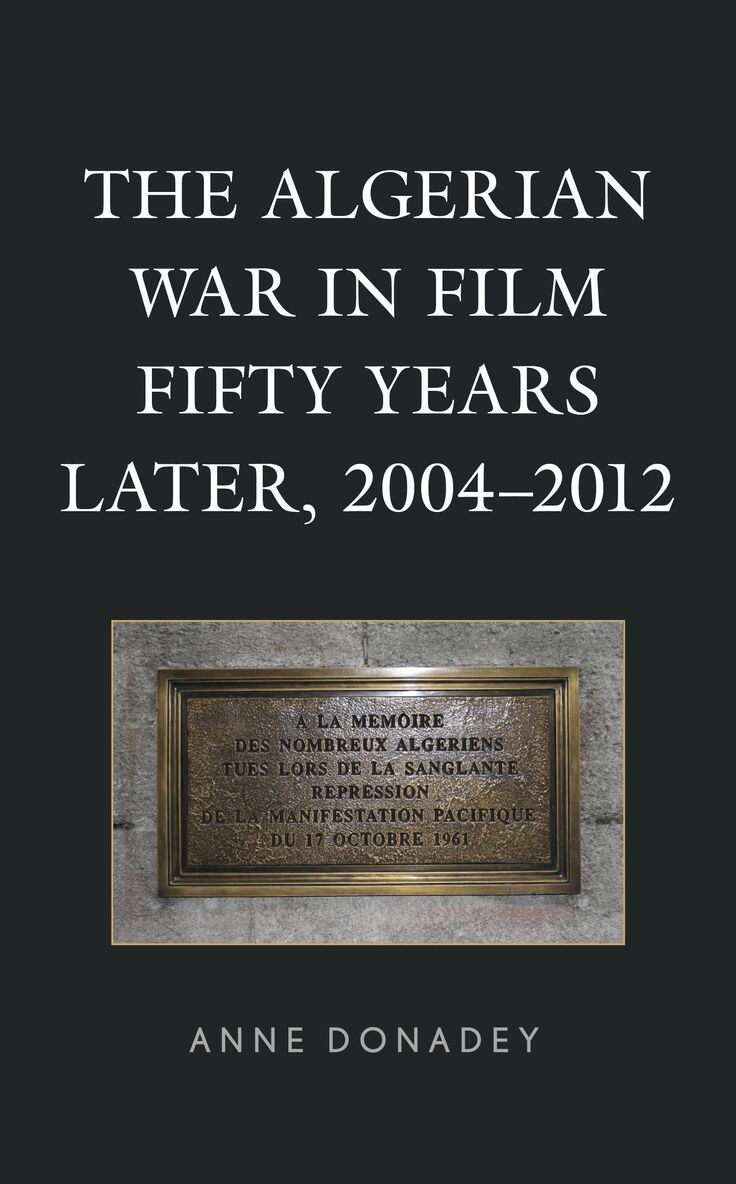
The Algerian War in Film Fifty Years Later, 2004?–?2012 examines the cultural, political, and aesthetic significance of narrative films made during the fiftieth-anniversary period of the war, between 2004 and 2012. This period was a fruitful one, in which film became a central medium generating varied representations of the war, and Anne Donadey argues that the fiftieth-anniversary film production contributed to France’s move from a period of the return of the repressed to one of difficult anamnesis. Donadey provides a close analysis of twenty narrative films made during this period on both side of the Mediterranean, observing that while some films continue to center on the point of view of only one stake-holding group, a number of films open up new opportunities for multicultural French audiences to envision the war through the eyes of Algerian characters on-screen, and other films bring memories from various groups together in thoughtful articulations that represent the complexity of the situation. Donadey takes this analysis a step further to analyze what types of gendered representations emerge in these films, given the important participation of Algerian women in the revolutionary war. Scholars of Francophone studies, film, women’s studies, and history will find this book particularly useful.