Anthony J. Stanonis – författare
Visar alla böcker från författaren Anthony J. Stanonis. Handla med fri frakt och snabb leverans.
8 produkter
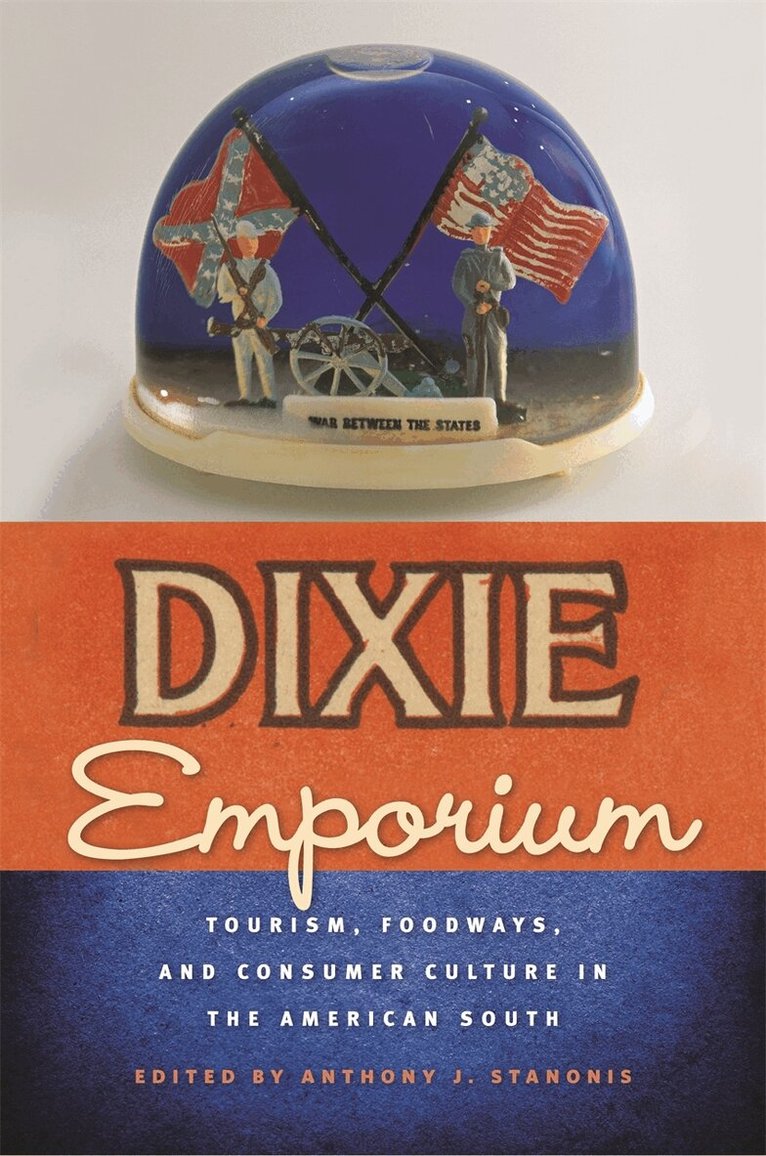
Dixie Emporium
Tourism, Foodways, and Consumer Culture in the American South
Häftad, 2008
528 kr
Lägg i varukorg
This collection of ten essays focuses on how southerners have marketed themselves to outsiders. The cultural ironies and contradictions that have arisen from southerners' efforts to commodify their identity reveal regional anxieties about consumerism, tourism, and memory.The book's first section …
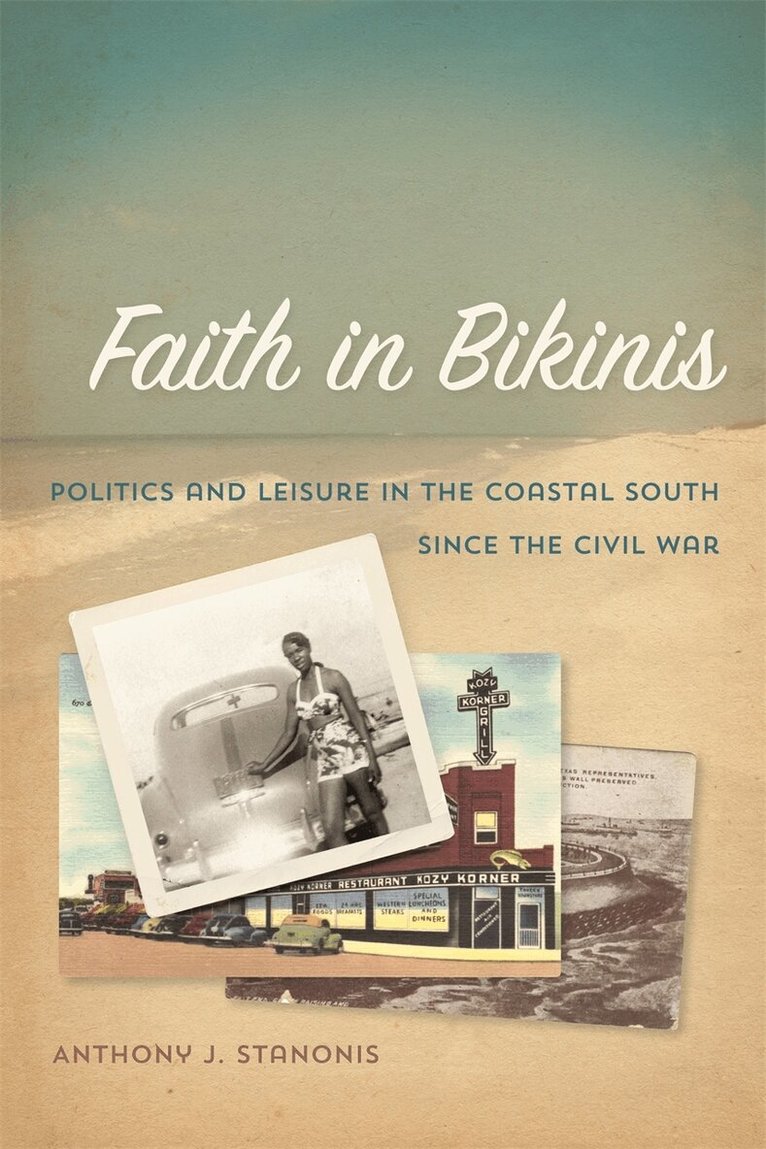
Faith in Bikinis
Politics and Leisure in the Coastal South since the Civil War
Inbunden, 2014
1299 kr
Lägg i varukorg
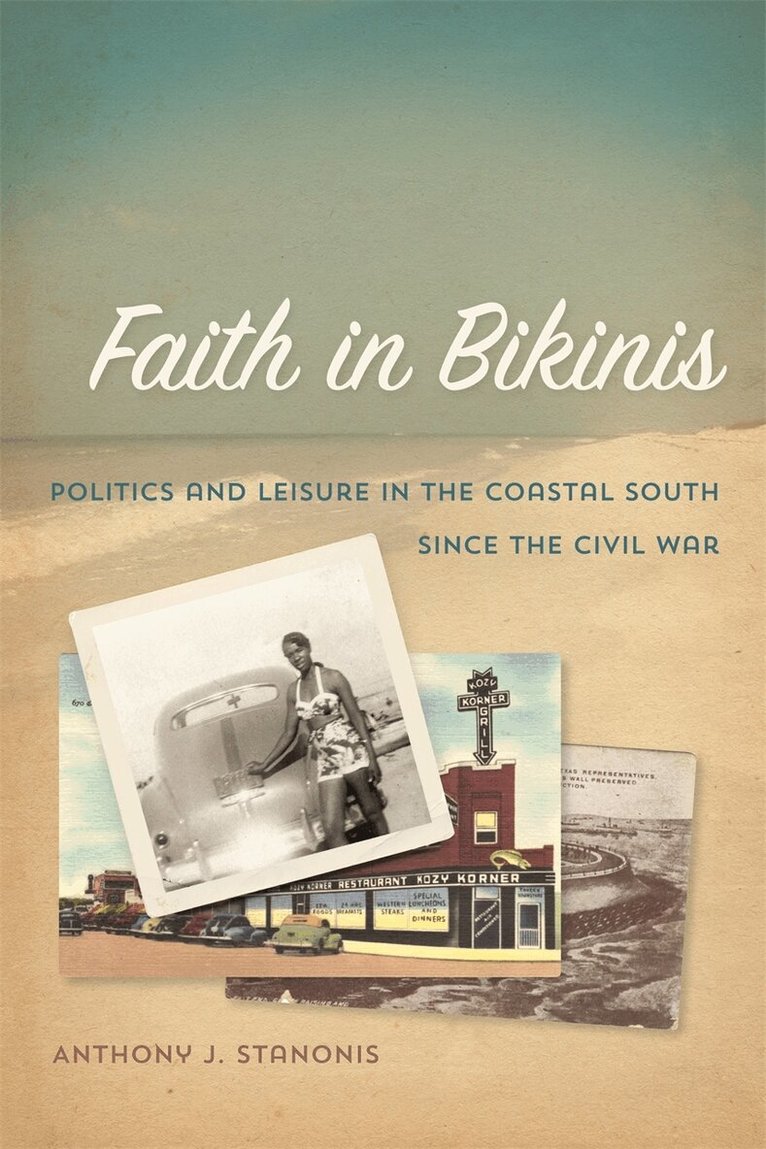
While traditional industries like textile or lumber mills have received a majority of the scholarly attention devoted to southern economic development, Faith in Bikinis presents an untold story of the New South, one that explores how tourism played a central role in revitalizing the southern …
Creating the Big Easy
New Orleans and the Emergence of Modern Tourism, 1918-1945
E-bok, 2011
1180 kr
Lägg i varukorg
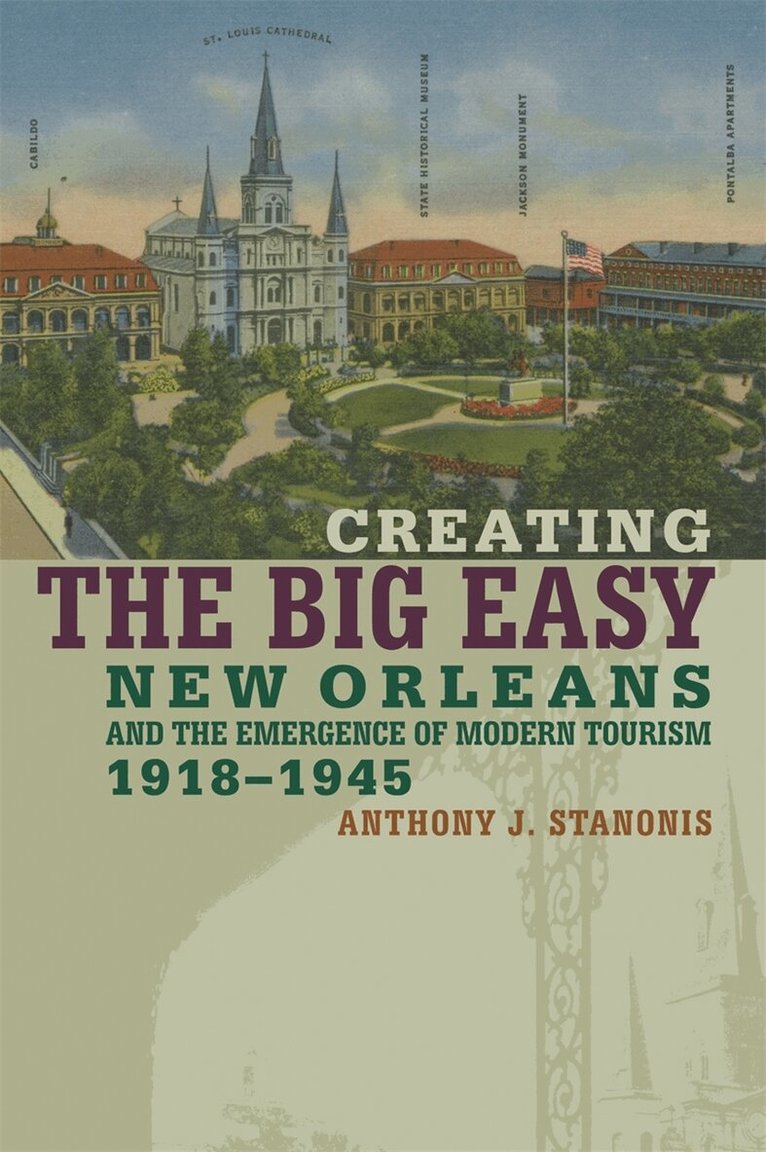
Between the World Wars, New Orleans transformed its image from that of a corrupt and sullied port of call into that of a national tourist destination. Anthony J. Stanonis tells how boosters and politicians reinvented the city to build a modern mass tourism industry and, along the way, fundamentally …
Faith in Bikinis
Politics and Leisure in the Coastal South since the Civil War
E-bok, 2014
582 kr
Lägg i varukorg
While traditional industries like textile or lumber mills have received a majority of the scholarly attention devoted to southern economic development, Faith in Bikinis presents an untold story of the New South, one that explores how tourism played a central role in revitalizing the southern …
Creating the Big Easy
New Orleans and the Emergence of Modern Tourism, 1918-1945
E-bok, 2011
1180 kr
Lägg i varukorg
Between the World Wars, New Orleans transformed its image from that of a corrupt and sullied port of call into that of a national tourist destination. Anthony J. Stanonis tells how boosters and politicians reinvented the city to build a modern mass tourism industry and, along the way, fundamentally …
New Orleans Pralines
Plantation Sugar, Louisiana Pecans, and the Marketing of Southern Nostalgia
Inbunden, 2024
409 kr
Tillfälligt slut
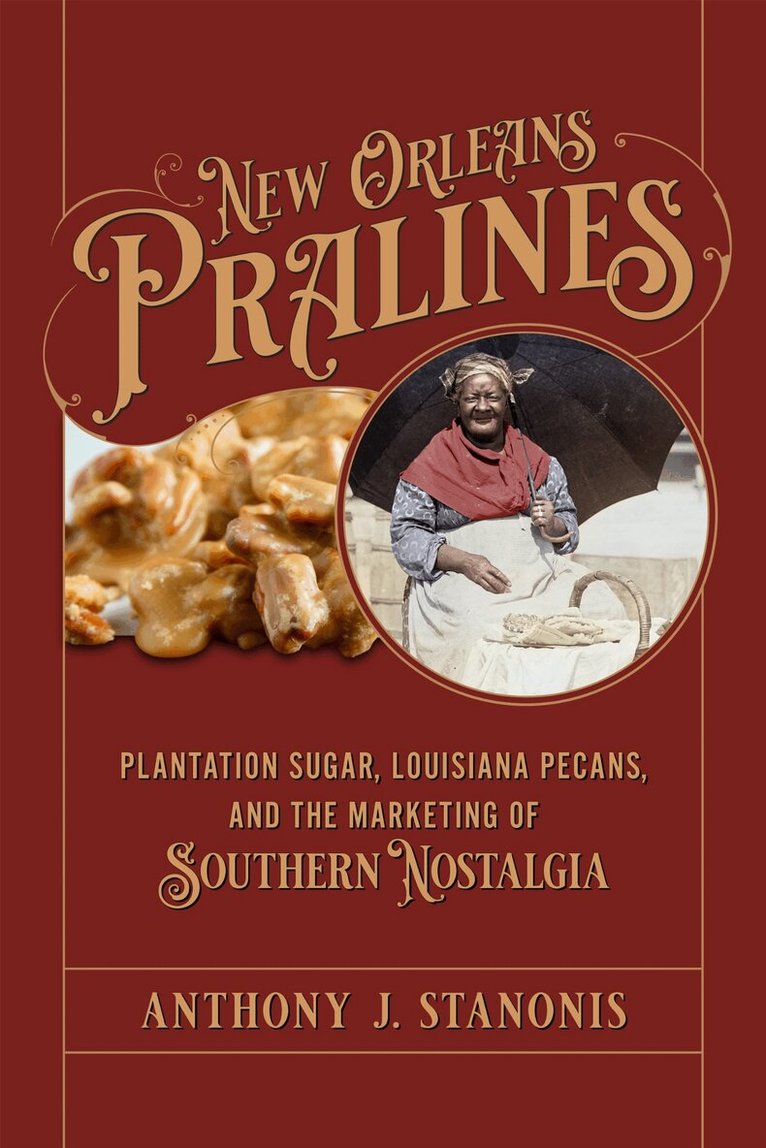
The Creole praline arrived in New Orleans with the migration of formerly enslaved people fleeing Louisiana plantations after the Civil War. Black women street vendors made a livelihood by selling a range of homemade foods, including pralines, to Black dockworkers and passersby. The praline offered …
Creating the Big Easy
New Orleans and the Emergence of Modern Tourism, 1918-1945
Häftad, 2006
610 kr
Tillfälligt slut
Between the World Wars, New Orleans transformed its image from that of a corrupt and sullied port of call into that of a national tourist destination. Anthony J. Stanonis tells how boosters and politicians reinvented the city to build a modern mass tourism industry and, along the way, fundamentally …
Faith in Bikinis
Politics and Leisure in the Coastal South since the Civil War
Häftad, 2014
610 kr
Tillfälligt slut
While traditional industries like textile or lumber mills have received a majority of the scholarly attention devoted to southern economic development, Faith in Bikinis presents an untold story of the New South, one that explores how tourism played a central role in revitalizing the southern …