Arthur M. Spanier – författare
Visar alla böcker från författaren Arthur M. Spanier. Handla med fri frakt och snabb leverans.
6 produkter
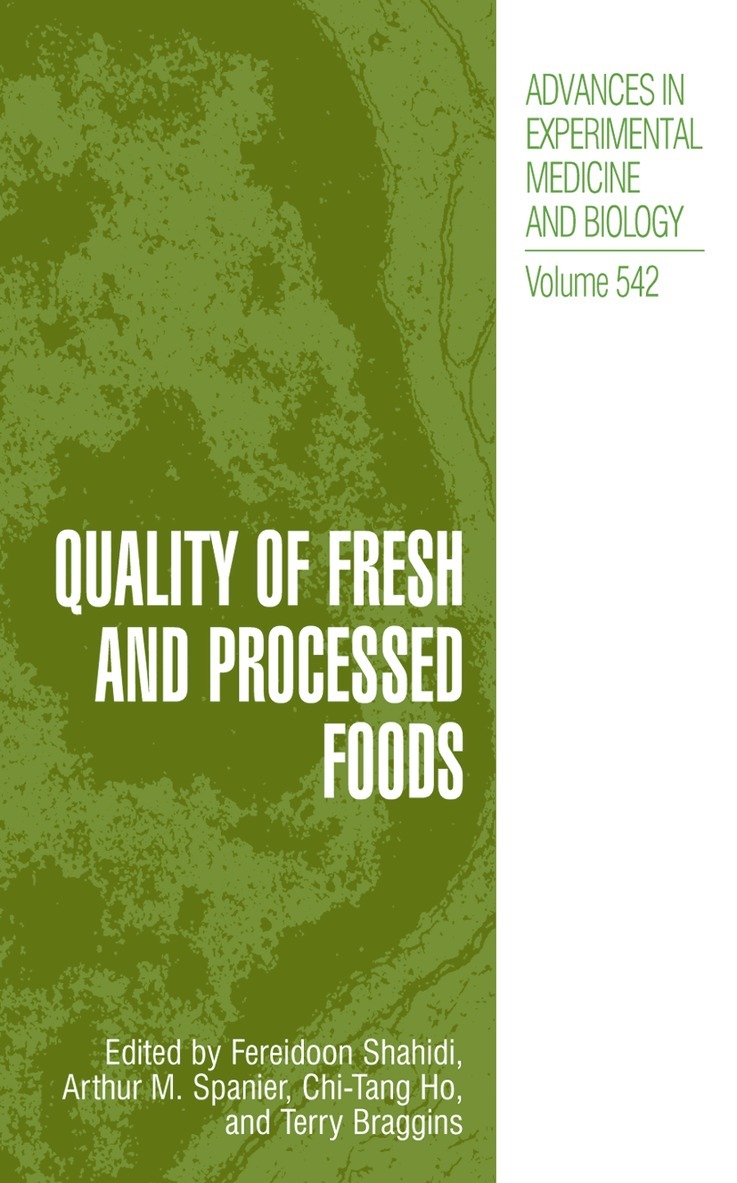
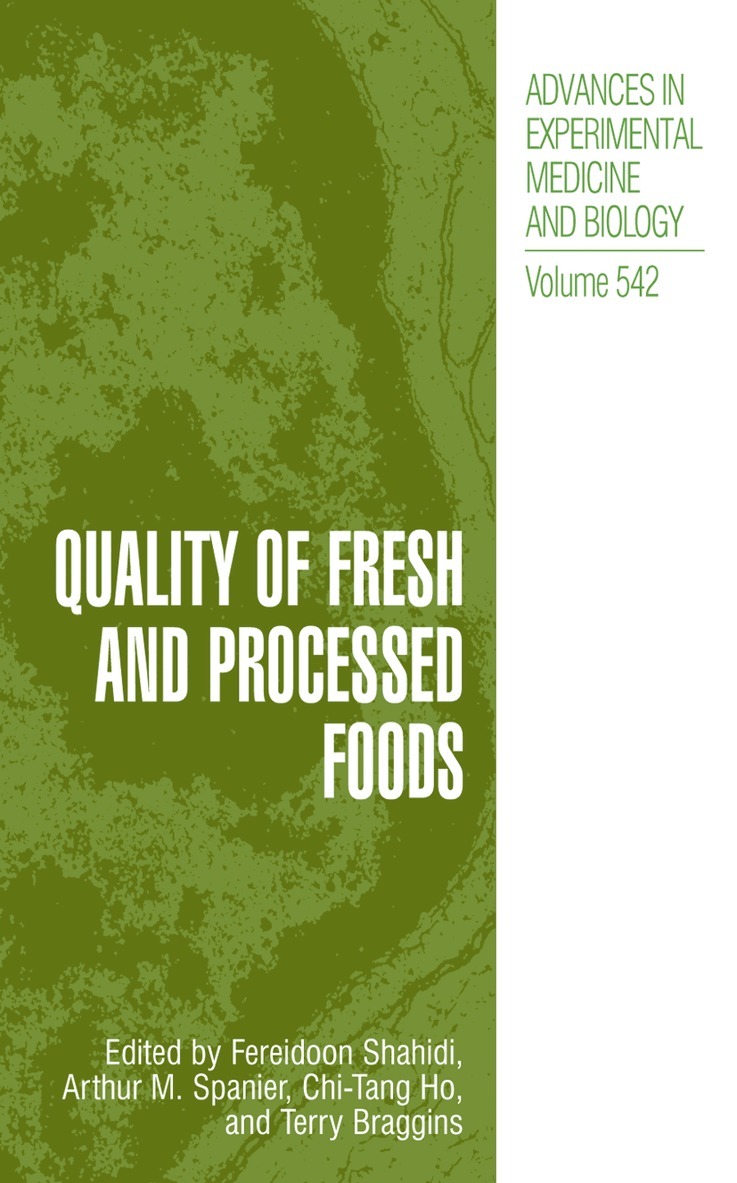
Quality of Fresh and Processed Foods
Av Fereidoon Shahidi, Arthur M. Spanier m. fl.
Inbunden, 2003
2512 kr
Lägg i varukorg
Quality is a composite term encompassing many characteristics of foods. These include color, aroma, texture, general nutrition, shelf-life, stability, and possible presence of undesirable constituents. Obviously deterioration of quality may lead to changes in the attributes that characterize the …
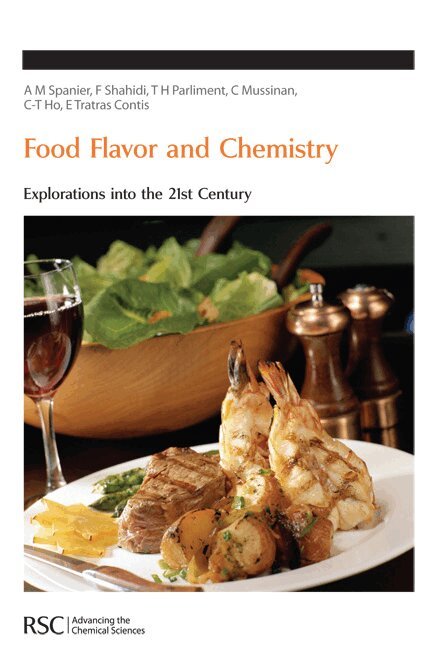
Food Flavor and Chemistry
Explorations Into The 21st Century
Av Cynthia Mussinan, Chi-Tang Ho m. fl.
Inbunden, 2005
2214 kr
Lägg i varukorg
The rapidly evolving field of food flavor chemistry holds an important role in a wide variety of food and beverage products.Food Flavor and Chemistry: Explorations into the 21st Century provides the reader with an update on the advances in food chemistry and flavor science with a broad spectrum of …
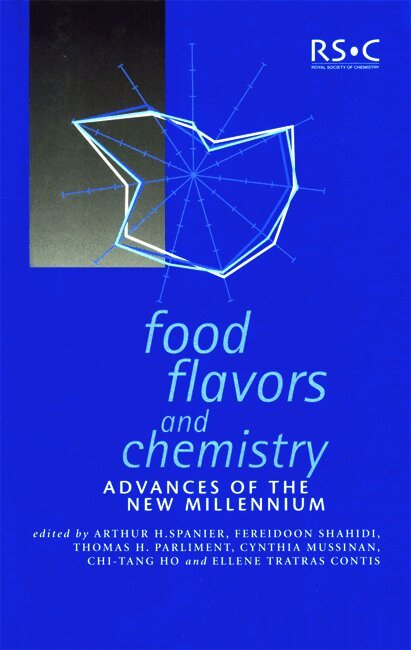
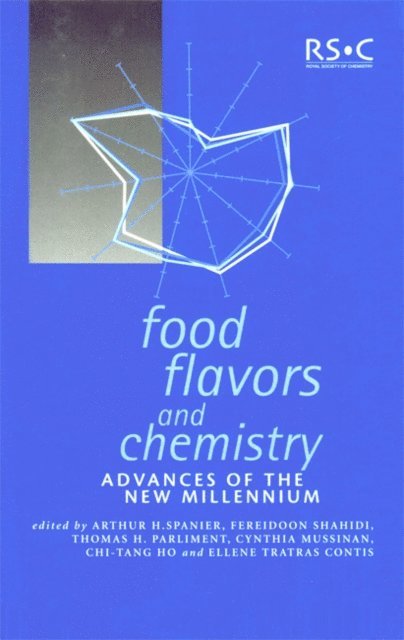
Food Flavors and Chemistry
Advances of the New Millennium
Av Arthur M Spanier, Fereidoon Shahidi m. fl.
Inbunden, 2001
1664 kr
Lägg i varukorg
Food may be nutritious, visually appealing and easy to prepare but if it does not possess desirable flavors, it will not be consumed. Food Flavors and Chemistry: Advances of the New Millennium primarily focuses on food flavors and their use in foods. Coverage also includes other important topics in …
Quality of Fresh and Processed Foods
Av Terry Braggins, Chi-Tang Ho m. fl.
E-bok, 2012
3181 kr
Lägg i varukorg
Quality is a composite term encompassing many characteristics of foods. These include color, aroma, texture, general nutrition, shelf-life, stability, and possible presence of undesirable constituents. Obviously deterioration of quality may lead to changes in the attributes that characterize the …
Quality of Fresh and Processed Foods
Av Fereidoon Shahidi, Arthur M. Spanier m. fl.
Häftad, 2012
2512 kr
Lägg i varukorg
Quality is a composite term encompassing many characteristics of foods. These include color, aroma, texture, general nutrition, shelf-life, stability, and possible presence of undesirable constituents. Obviously deterioration of quality may lead to changes in the attributes that characterize the …
Food Flavors and Chemistry
Advances of the New Millennium
Av Ellene Tratras Contis, Chi-Tang Ho m. fl.
E-bok, 2007
1955 kr
Lägg i varukorg
Food may be nutritious, visually appealing and easy to prepare but if it does not possess desirable flavors, it will not be consumed. Food Flavors and Chemistry: Advances of the New Millennium primarily focuses on food flavors and their use in foods. Coverage also includes other important topics in …