Atina Grossmann – författare
Visar alla böcker från författaren Atina Grossmann. Handla med fri frakt och snabb leverans.
10 produkter
Jews, Germans, and Allies
Close Encounters in Occupied Germany
Häftad, 2009
430 kr
Lägg i varukorg
In the immediate aftermath of World War II, more than a quarter million Jewish survivors of the Holocaust lived among their defeated persecutors in the chaotic society of Allied-occupied Germany. Jews, Germans, and Allies draws upon the wealth of diary and memoir literature by the people who lived …
Reforming Sex
The German Movement for Birth Control and Abortion Reform, 1920-1950
E-bok, 1995
831 kr
Lägg i varukorg
Reforming Sex reconstructs the complicated history of a movement that has been romanticized as the harbinger of 1960s sexual radicalism and demonized as a precursor to Nazi racial policy, but mostly buried and obscured by Nazi bookburnings and repression. Relying on a broad range of sources--from …
After the Nazi Racial State
Difference and Democracy in Germany and Europe
Av Atina Grossmann, Geoff Eley m. fl.
E-bok, 2010
624 kr
Lägg i varukorg
" After the Nazi Racial State offers a comprehensive, persuasive, and ambitious argument in favor of making ''race'' a more central analytical category for the writing of post-1945 history. This is an extremely important project, and the volume indeed has the potential to reshape the field of …
After the Nazi Racial State
Difference and Democracy in Germany and Europe
Av Rita Chin, Heide Fehrenbach m. fl.
Häftad, 2009
393 kr
Lägg i varukorg
"After the Nazi Racial State offers a comprehensive, persuasive, and ambitious argument in favor of making 'race' a more central analytical category for the writing of post-1945 history. This is an extremely important project, and the volume indeed has the potential to reshape the field of …
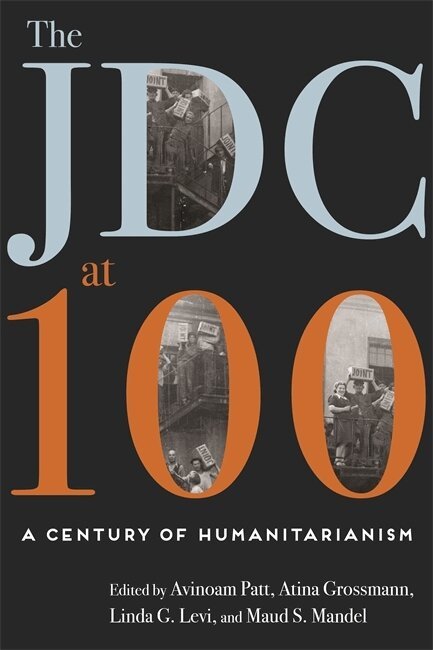
JDC at 100
A Century of Humanitarianism
Av Avinoam Patt, Atina Grossmann m. fl.
Inbunden, 2019
645 kr
Lägg i varukorg
The JDC at 100: A Century of Humanitarianism traces the history of the JDC-an organization founded to aid victims of World War I that has played a significant role in preserving and sustaining Jewish life across the globe. The thirteen essays in this volume, edited by Avinoam Patt, Atina Grossmann, …
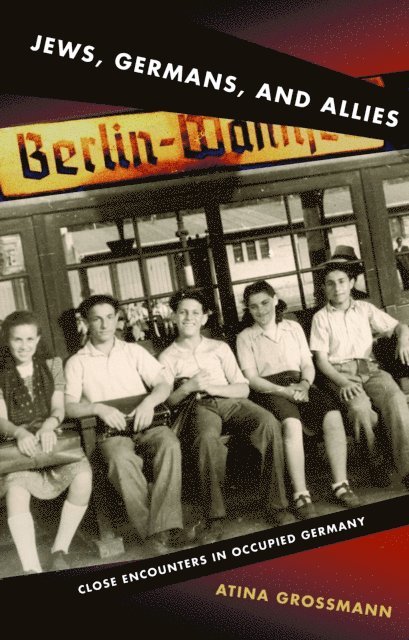
Jews, Germans, and Allies
Close Encounters in Occupied Germany
E-bok, 2009
588 kr
Lägg i varukorg
In the immediate aftermath of World War II, more than a quarter million Jewish survivors of the Holocaust lived among their defeated persecutors in the chaotic society of Allied-occupied Germany. Jews, Germans, and Allies draws upon the wealth of diary and memoir literature by the people who lived …
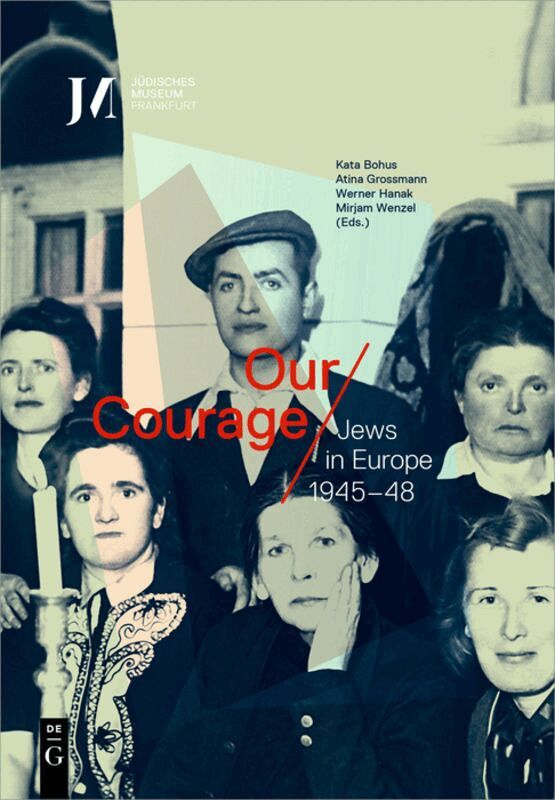
Our Courage - Jews in Europe 1945-48
Av Mirjam Wenzel, Werner Hanak m. fl.
E-bok, 2020
503 kr
Lägg i varukorg
After the Shoah, Jewish survivors actively took control of their destiny. Despite catastrophic and hostile circumstances, they built networks and communities, fought for justice, and documented Nazi crimes. The essays, illustrations, and portraits of people and places contained in this volume are …
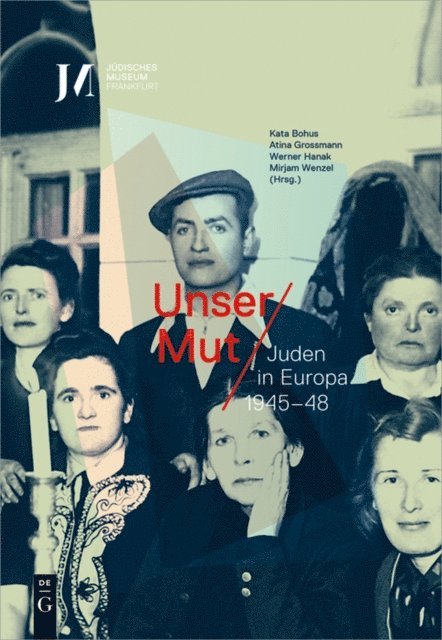
Unser Mut – Juden in Europa 1945–48
Av Mirjam Wenzel, Werner Hanak m. fl.
E-bok, 2020
514 kr
Lägg i varukorg
Der Band präsentiert die Vielfalt der jüdischen Erfahrungen in der unmittelbaren Nachkriegszeit erstmals aus einer gesamteuropäischen, transnationalen Perspektive. Die elf Essays und zahlreichen Abbildungen zeigen, dass jüdische Überlebende und Flüchtlinge keine apathische Gruppe von Opfern waren, …
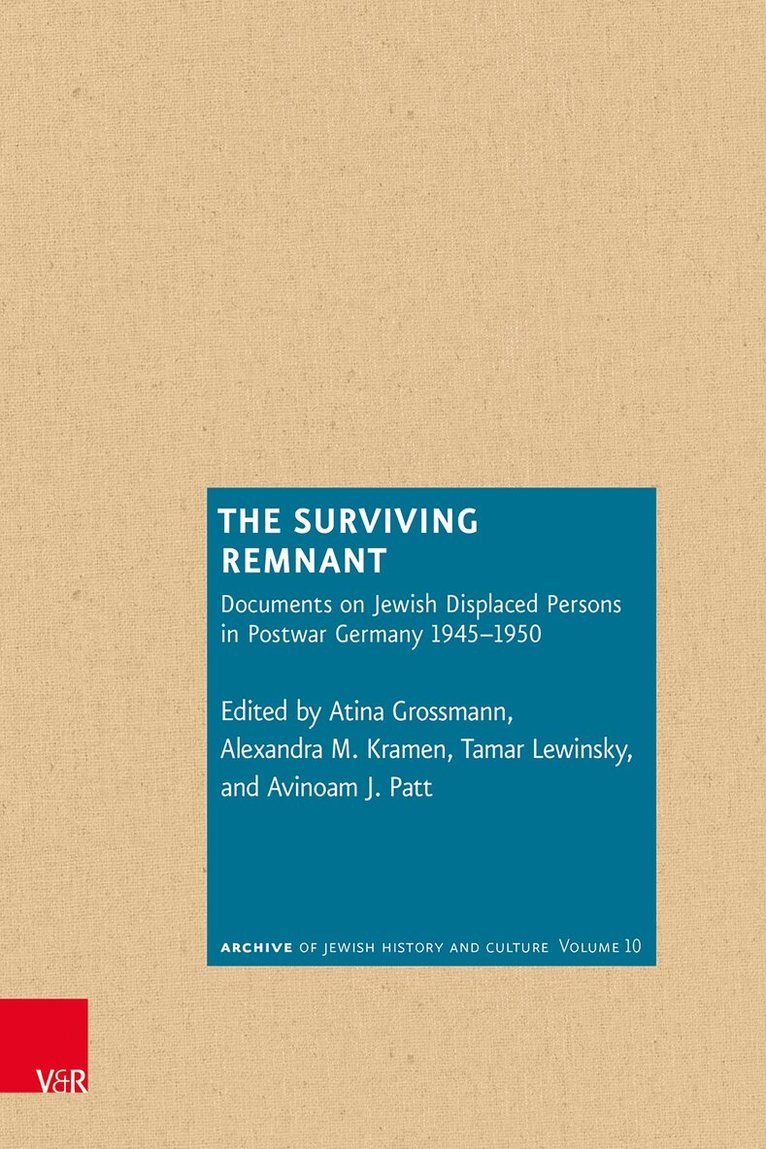
Surviving Remnant
Documents on Jewish Displaced Persons in Postwar Germany 1945–1950
Av Atina Grossmann, Alexandra M. Kramen m. fl.
Inbunden, 2024
1705 kr
Lägg i varukorg
This volume features 72 documents (in Yiddish, English, Hebrew, and German) created between 1945 and 1949, that complicate standard representations of the highly variegated community of Jewish Displaced Persons (DPs) in Allied-occupied Germany, who came to be known as the surviving remnant or …
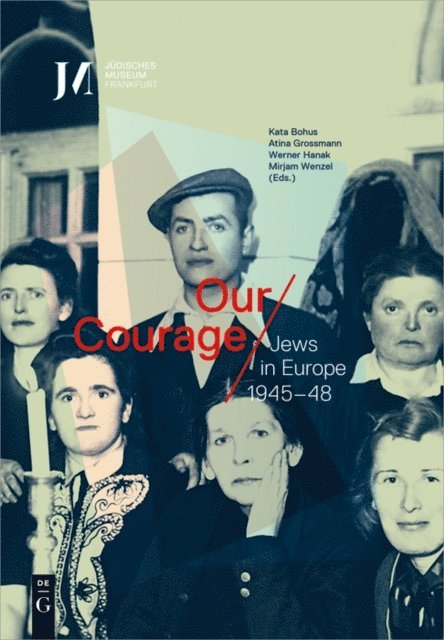
Our Courage – Jews in Europe 1945–48
Av Kata Bohus, Atina Grossmann m. fl.
Inbunden, 2020
604 kr
Tillfälligt slut
After the Shoah, Jewish survivors actively took control of their destiny. Despite catastrophic and hostile circumstances, they built networks and communities, fought for justice, and documented Nazi crimes. The essays, illustrations, and portraits of people and places contained in this volume are …