Balázs Majtényi - Böcker
Visar alla böcker från författaren Balázs Majtényi. Handla med fri frakt och snabb leverans.
3 produkter
3 produkter
1 387 kr
Skickas inom 10-15 vardagar
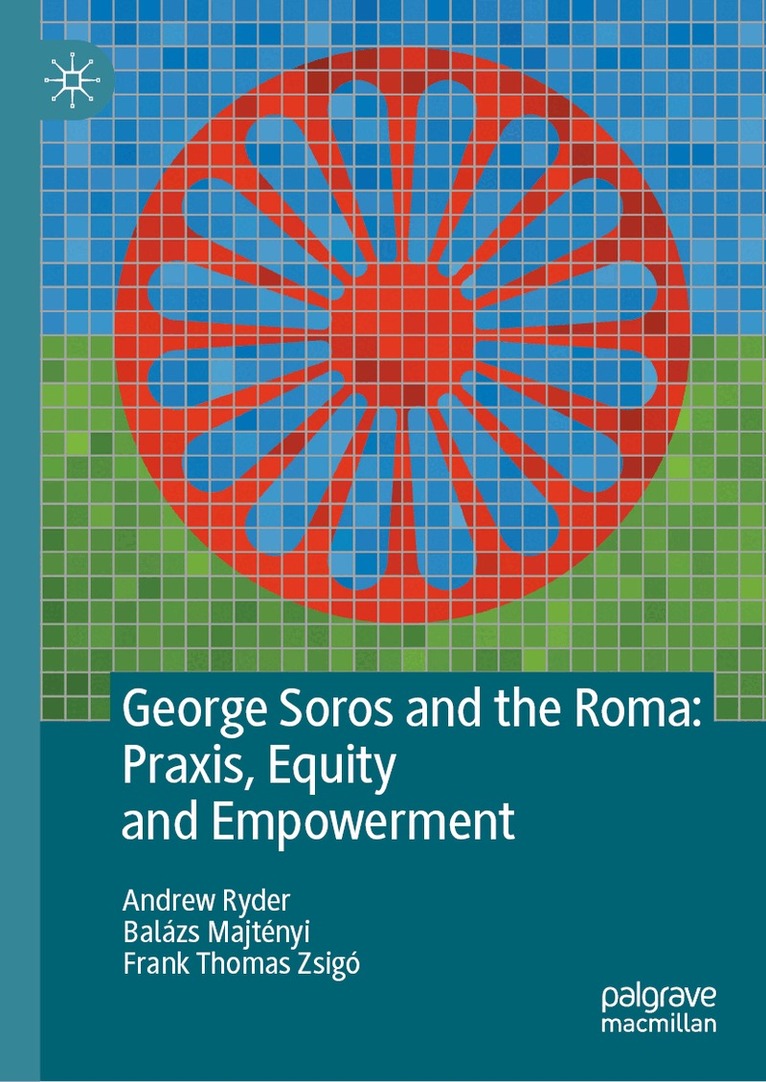
For three decades the philanthropist and billionaire investor George Soros has played a prominent role in promoting a vision of ‘Open Society’ in Central Eastern Europe (CEE), promoting the transition from communist statism to liberal democracy through his philanthropic measures, most notably his support for the Open Society Foundations. Within this body of work an important aspect has been Soros support and commitment to the development of Roma civil society. Support from Soros endeavours has enabled the development and progression of Roma civil society, especially at the transnational level, preparing and training Roma community leaders in the skills of community development and project management. Thousands of Roma individuals have also benefited from generous scholarship programmes funded by Open Society and Soros, completing school and university studies and other forms of training, thereby engendering role models. Soros-supported initiatives have also been highly influential in transnational diplomacy within for example the Council of Europe and the European Union, playing an important role in policy frameworks like the Decade for Roma Inclusion and the EU Framework for National Roma Integration Strategies.
Contemporary History of Exclusion
The Roma Issue in Hungary from 1945 to 2015
Inbunden, Engelska, 2016
1 504 kr
Skickas inom 10-15 vardagar
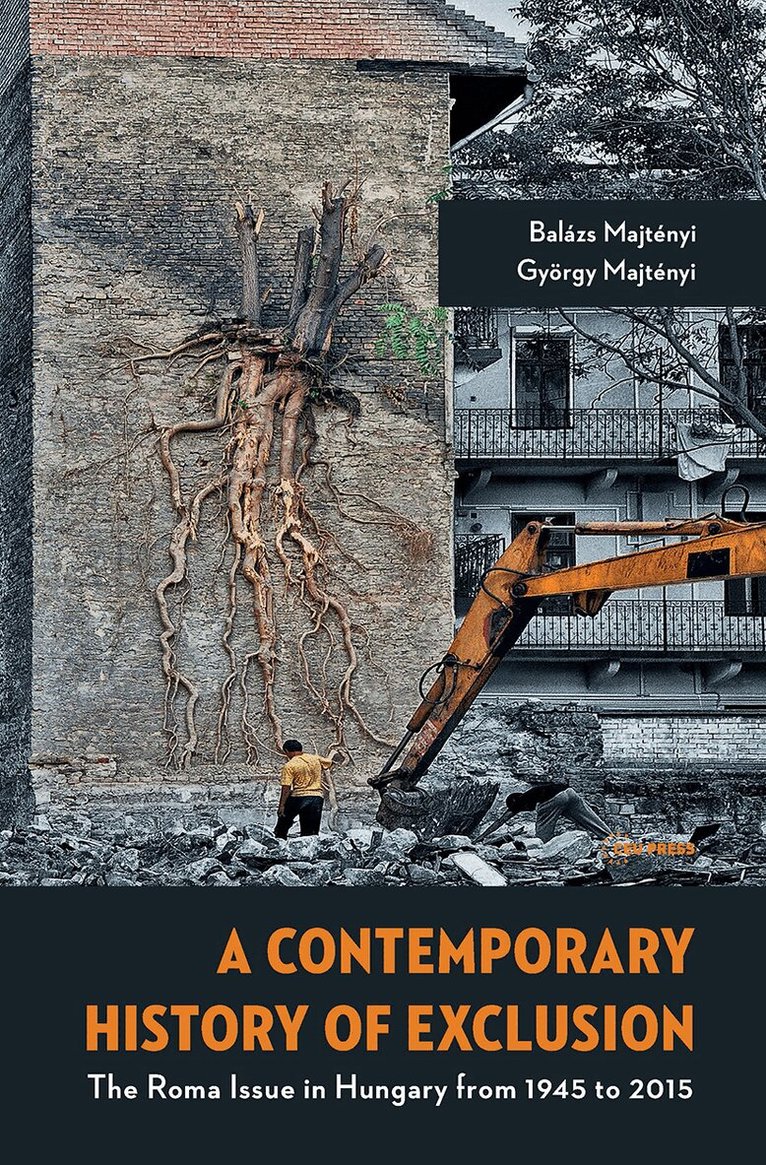
The volume presents the changing situation of the Roma in the second half of the 20th century and examines the politics of the Hungarian state regarding minorities by analyzing legal regulations, policy documents, archival sources and sociological surveys. In the first phase analyzed (1945-61), the authors show the efforts of forced assimilation by the communist state. The second phase (1961-89) began with the party resolution denying nationality status to the Roma. Gypsy culture was equivalent with culture of poverty that must be eliminated. Forced assimilation through labor activities continued. The Roma adapted to new conditions and yet kept their distinct identity. From the 1970s, Roma intellectuals began an emancipatory movement, and its legacy is felt until this day. Although the third phase (1989-2010) brought about freedoms and rights for the Roma, with large sums spent on various Roma-related programs, the situation on the ground nevertheless did not improve. Segregation and marginalization continues, and it is rampant. The authors powerfully conclude: while Roma became part of the political community, they are still not part of the national one. Subjects: Romanies—Hungary. Romanies—Hungary—Social conditions. Marginality, Social—Hungary. Romanies—Legal status, laws, etc.—Hungary. Minorities—Government policy—Hungary. Hungary—Ethnic relations. Hungary—Social policy.
Rise of Populist Nationalism
Social Resentments and Capturing the Constitution in Hungary
Inbunden, Engelska, 2020
1 653 kr
Skickas inom 10-15 vardagar
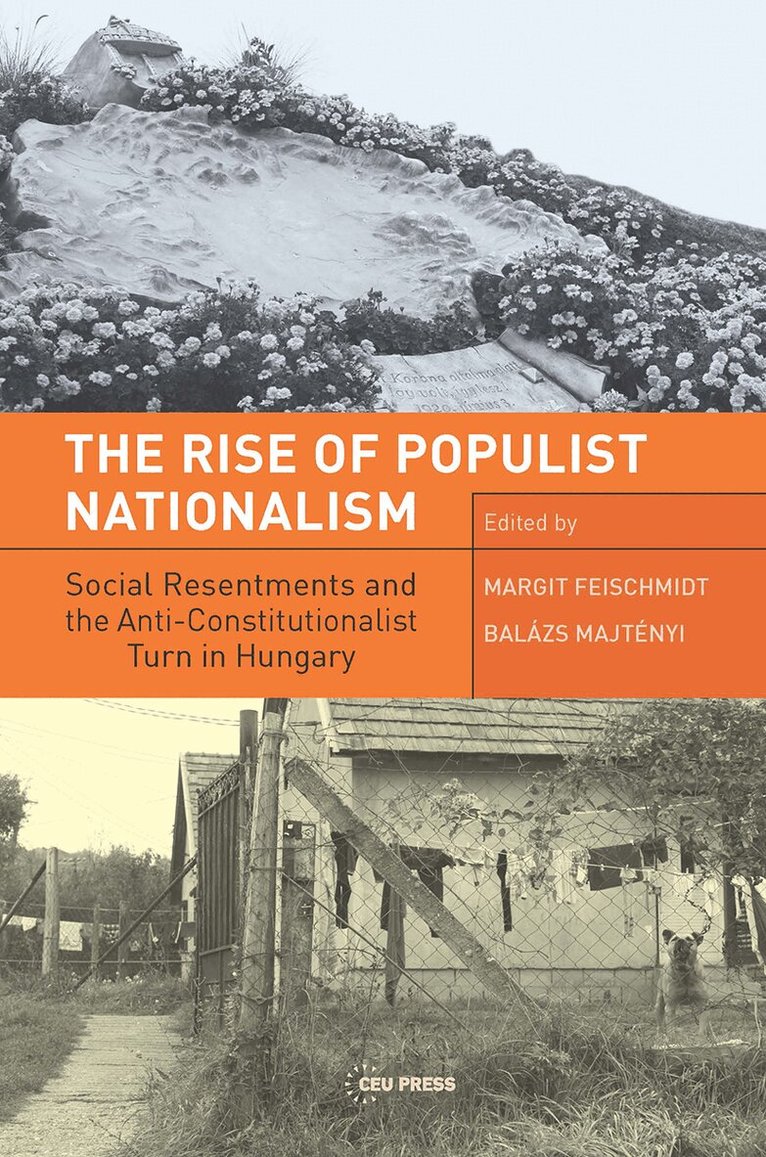
The authors of this book approach the emergence and endurance of the populist nationalism in post-socialist Eastern Europe, with special emphasis on Hungary. They attempt to understand the reasons behind public discourses that increasingly reframe politics in terms of nationhood and nationalism. Overall, the volume attempts to explain how the new nationalism is rooted in recent political, economic and social processes. The contributors focus on two motifs in public discourse: shift and legacy. Some focus on shifts in public law and shifts in political ethno-nationalism through the lens of constitutional law, while others explain the social and political roots of these shifts. Others discuss the effects of legacy in memory and culture and suggest that both shift and legacy combine to produce the new era of identity politics. Legal experts emphasize that the new Fundamental Law of Hungary is radically different from all previous Hungarian constitutions, and clearly reflects a redefinition of the Hungarian state itself. The authors further examine the role of developments in the fields of sociology and political science that contribute to the kind of politics in which identity is at the fore.