György Majtényi - Böcker
Visar alla böcker från författaren György Majtényi. Handla med fri frakt och snabb leverans.
3 produkter
3 produkter
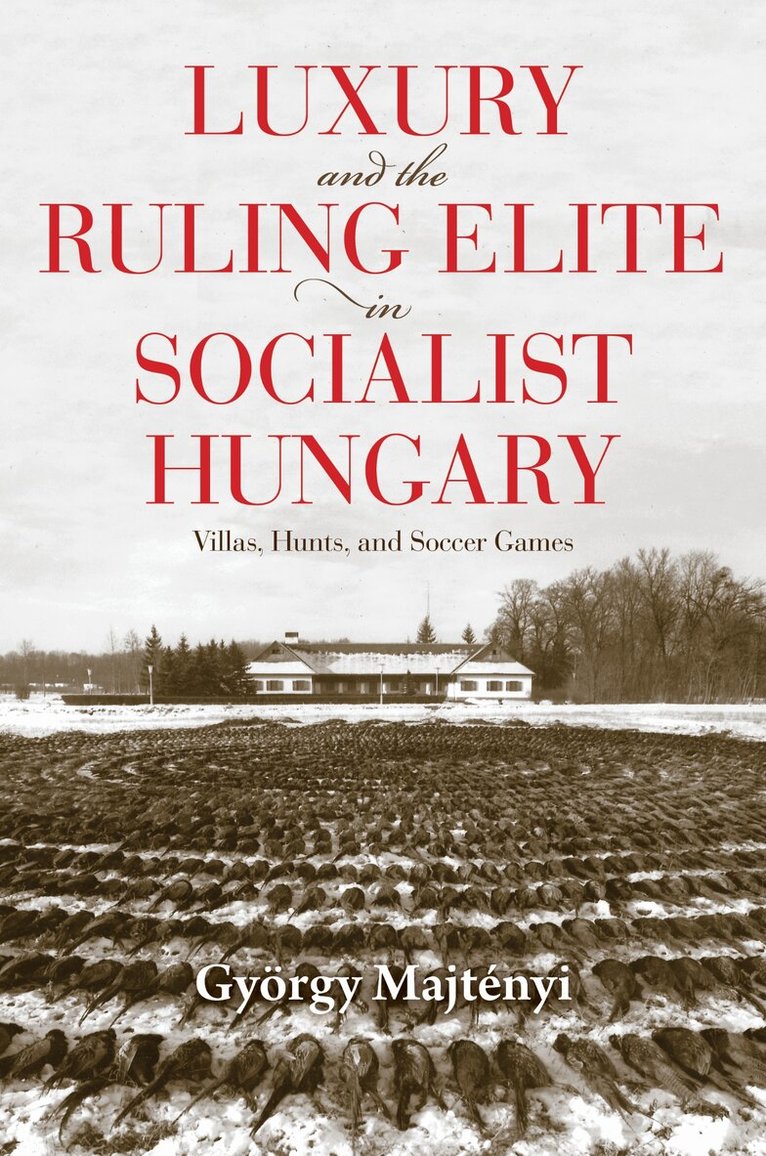
Luxury and the Ruling Elite in Socialist Hungary
Villas, Hunts, and Soccer Games
Inbunden, Engelska, 2021
941 kr
Skickas inom 10-15 vardagar
After World War II, a new community of elite emerged in Hungary, in spite of the communist principles espoused by the government. In Luxury and the Ruling Elite in Socialist Hungary, György Majtényi allows us a peek inside their affluence.Majtényi exposes the lavish standard of living that the higher echelon enjoyed, complete with pools, Persian rugs, extravagant furniture, servants, and groundskeepers. They shopped in private stores stocked with expensive meats and tropical fruits just for them. They benefited from access to everything from books, telephone lines, and international travel to hunting grounds, soccer games, and even the choicest cemetery plots. But Majtényi also reveals the underbelly of such society, particularly how these privileges were used as a way of maintaining power, initiating or denying entry to party members, and strengthening the very hierarchies that communism promised to abolish.Taking readers on a fascinating and often surprising look inside the manor homes and vacation villas of wealthy post–World War II Hungarians, Majtényi offers fresh insight into the realities of patriarchy, loyalty, gender, and class within the communist regime.
Luxury and the Ruling Elite in Socialist Hungary
Villas, Hunts, and Soccer Games
Häftad, Engelska, 2021
337 kr
Skickas inom 10-15 vardagar
After World War II, a new community of elite emerged in Hungary, in spite of the communist principles espoused by the government. In Luxury and the Ruling Elite in Socialist Hungary, György Majtényi allows us a peek inside their affluence.Majtényi exposes the lavish standard of living that the higher echelon enjoyed, complete with pools, Persian rugs, extravagant furniture, servants, and groundskeepers. They shopped in private stores stocked with expensive meats and tropical fruits just for them. They benefited from access to everything from books, telephone lines, and international travel to hunting grounds, soccer games, and even the choicest cemetery plots. But Majtényi also reveals the underbelly of such society, particularly how these privileges were used as a way of maintaining power, initiating or denying entry to party members, and strengthening the very hierarchies that communism promised to abolish.Taking readers on a fascinating and often surprising look inside the manor homes and vacation villas of wealthy post–World War II Hungarians, Majtényi offers fresh insight into the realities of patriarchy, loyalty, gender, and class within the communist regime.
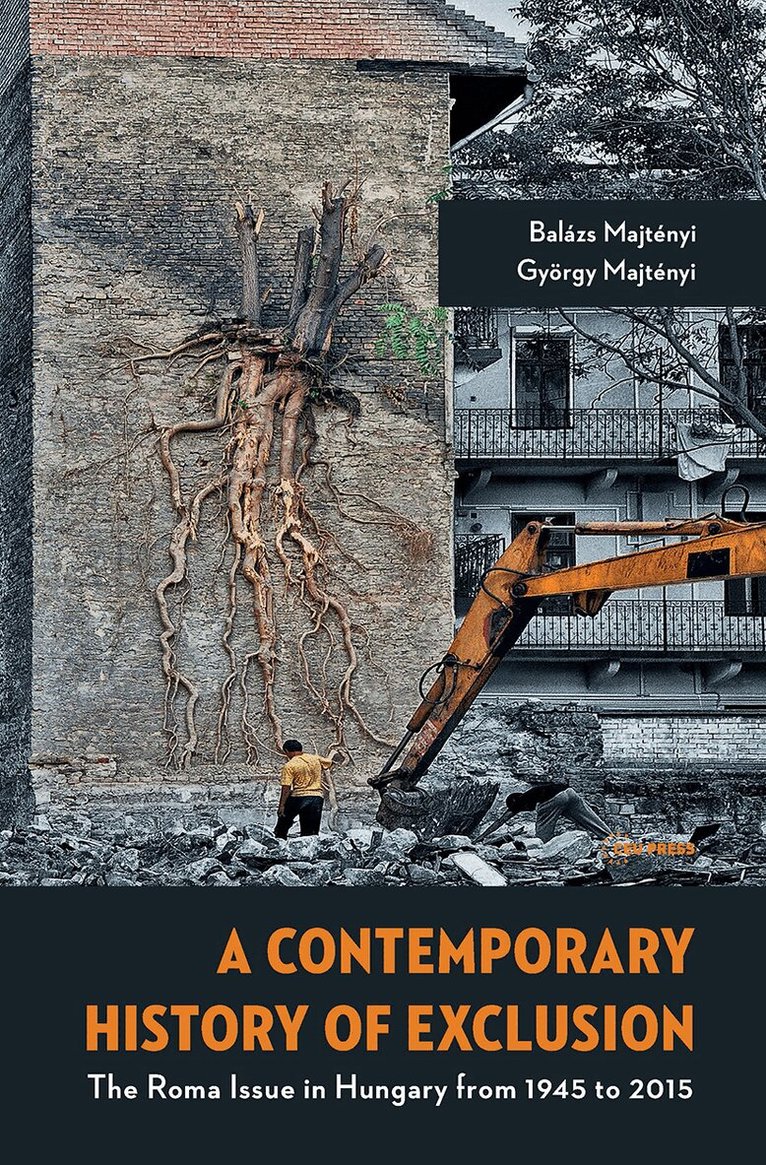
Contemporary History of Exclusion
The Roma Issue in Hungary from 1945 to 2015
Inbunden, Engelska, 2016
1 497 kr
Skickas inom 10-15 vardagar
The volume presents the changing situation of the Roma in the second half of the 20th century and examines the politics of the Hungarian state regarding minorities by analyzing legal regulations, policy documents, archival sources and sociological surveys. In the first phase analyzed (1945-61), the authors show the efforts of forced assimilation by the communist state. The second phase (1961-89) began with the party resolution denying nationality status to the Roma. Gypsy culture was equivalent with culture of poverty that must be eliminated. Forced assimilation through labor activities continued. The Roma adapted to new conditions and yet kept their distinct identity. From the 1970s, Roma intellectuals began an emancipatory movement, and its legacy is felt until this day. Although the third phase (1989-2010) brought about freedoms and rights for the Roma, with large sums spent on various Roma-related programs, the situation on the ground nevertheless did not improve. Segregation and marginalization continues, and it is rampant. The authors powerfully conclude: while Roma became part of the political community, they are still not part of the national one. Subjects: Romanies—Hungary. Romanies—Hungary—Social conditions. Marginality, Social—Hungary. Romanies—Legal status, laws, etc.—Hungary. Minorities—Government policy—Hungary. Hungary—Ethnic relations. Hungary—Social policy.