Bill Borcherdt - Böcker
Visar alla böcker från författaren Bill Borcherdt. Handla med fri frakt och snabb leverans.
3 produkter
3 produkter
Making Families Work and What To Do When They Don't
Thirty Guides for Imperfect Parents of Imperfect Children
Inbunden, Engelska, 1996
1 523 kr
Tillfälligt slut
Making Families Work and What To Do When They Don't offers specific recommendations for increasing family harmony through more effective parenting practices. This important new book helps parents improve family understanding and relationships by reducing the emotional interference--anger, betrayal, guilt, shame, and fear--that blocks healthier and happier family connections. Each chapter is laced with knowledge and therapeutic humor that examine dimensions to family living in a way that helps parents lighten up a little rather than tighten up a lot. Parents will find that encouraging family members to take one another less seriously increases their opportunities for more constructive interactions. Marital and family counselors, social workers, psychologists, guidance counselors, psychiatrists, and other human service professionals can use the valuable information in this book to help families view their interfamilial relationships more objectively and to take each other less seriously, creating more constructive interactions and happier, stronger relationships. Therapists will learn to encourage clients to question and challenge conventional ideas of the family that often lead to demands, exaggerations, irrational expectations, personalizations, and self- and other judgments, all of which contaminate the family relationship.Using the scientific principles of rational thinking, Author Bill Borcherdt questions the relationship between parents and their children and the degree of influence parents have over their children. He places the focus on a parental advocacy model by which parents are encouraged to give themselves some emotional slack and to develop a sense of humility for what they can and cannot do for their children. This starts the process of family members learning what to realistically expect and accept from one another. Borcherdt shows readers that by taking the sacredness and “golden” rules out of the definitions of family living, emotional upset and oppositional behavioral obstacles can be minimized and more emotional well-being and family fulfillment can be experienced.Each chapter in Making Families Work and What To Do When They Don't is lined with knowledge and therapeutic humor that examines dimensions of family living in a way that assists families in loosening up a little rather than tightening up a lot. This improves family members’understanding of and relationships among one another by reducing the emotional interference--feelings of anger, betrayal, guilt, shame, fear--that blocks healthy, happy family connections and by offering specific practical recommendations for increasing family harmony. Through his analyses of 30 topics of family living, presented under the umbrella of learning what to realistically expect of imperfect parents of imperfect children in an imperfect world, Borcherdt reveals to readers that:individuals are active participants in creating their own emotional problems and disturbances people exaggerate the significance of past family disturbances emotional slack and fewer unrealistic demands of self and others leads to a happier family family members often disturb themselves unnecessarily by escalating family values into sacred demands families don't shape character, they reveal itUnlike other books about family living, Making Families Work and What To Do When They Don't analyzes the dysfunctional ideas that family members hold about themselves and others rather than the dysfunctional relationships that naturally exist between fallible human beings. In this guidebook, readers learn creative, new ways of approaching old family problems,and they gain succinct explanations of how they can help their own and other families do things differently and do different things to improve emotional and behavioral well-being within the family.
682 kr
Skickas inom 10-15 vardagar
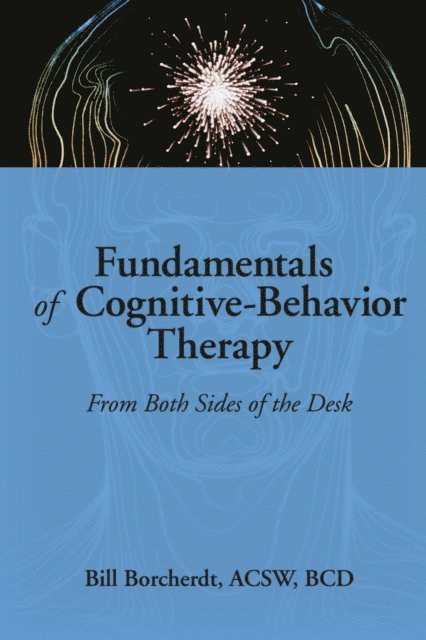
A central premise of cognitive-behavior therapy is that individuals bring themselves to their emotions and behavior by how they think. Fundamentals of Cognitive-Behavior Therapy helps therapists and counselors address the important questions of cognitive-behavior therapy--what to ask, how to respond to difficult exchanges with clients, and why to make chosen responses--and helps them get at the cognitive base of clients’emotional disturbances more quickly. The book is unique in that it presents more than a textbook approach to problemsolving; it provides a wealth of data and philosophy that enables clinicians to respond more helpfully to client problems. Readers of Fundamentals of Cognitive-Behavior Therapy learn what therapeutic questions to ask and what responses to give to psychotherapy clients’common difficult questions and statements in ways that better contribute to the long-range happiness and survival of the client. This insightful book encourages therapists to help clients help themselves by showing therapists effective, detailed, responses that help clients answer their own questions and come to their own conclusions about why they react certain ways to specific situations. Among the 164 troublesome client questions and statements to which Borcherdt offers rational responses are:“But I don't feel like it.” “I can't make a decision, because I don't know if it is the right one.” “Why won't things work out for me?” “I can't help it.” “I have so many problems and feelings that I don't know where to begin dealing with them.” “Why don't I change? Why do I keep goofing up?” “Whose side are you on anyway?”Through this detailed look at the therapist's role in heightening client awareness of self, Author Bill Borcherdt, who has thirty years’experience as a therapist, provides a storehouse of practical, hands-on tact and tactics which encourages a problem-solving focus while preventing conversational drifting. He gives readers insights on: basic principles of emotional reeducation and well-being psychotherapy as teaching overcoming emotional disturbance tendencies getting individuals to answer their own questions so they can expose their own potential solutions understanding and overcoming clients’resistance to change a client-centered method of problem-solving interviewingThe book illustrates that the primary medium of the therapist's influence is funneled through both direct questions asked of the client and through the therapist's responses to client questions and commentary. Suggested questions and responses in the book help practitioners prepare for interviews and better understand clients’resistance to change. Designed for students in training as well as the beginning or seasoned practitioner, Fundamentals of Cognitive-Behavior Therapy includes 172 rational questions and 164 rational responses, each with commentary that shows the clinical justifications for asking these questions and offering these responses.Social workers, psychologists, guidance counselors, psychiatrists, nurses in mental health settings, marital/family counselors, alcohol and other drug abuse counselors, and other human service professionals will find Fundamentals of Cognitive-Behavior Therapy filled with practical and insightful guidelines for better helping their psychotherapy clients.
1 284 kr
Tillfälligt slut
A central premise of cognitive-behavior therapy is that individuals bring themselves to their emotions and behavior by how they think. Fundamentals of Cognitive-Behavior Therapy helps therapists and counselors address the important questions of cognitive-behavior therapy--what to ask, how to respond to difficult exchanges with clients, and why to make chosen responses--and helps them get at the cognitive base of clients’emotional disturbances more quickly. The book is unique in that it presents more than a textbook approach to problemsolving; it provides a wealth of data and philosophy that enables clinicians to respond more helpfully to client problems. Readers of Fundamentals of Cognitive-Behavior Therapy learn what therapeutic questions to ask and what responses to give to psychotherapy clients’common difficult questions and statements in ways that better contribute to the long-range happiness and survival of the client. This insightful book encourages therapists to help clients help themselves by showing therapists effective, detailed, responses that help clients answer their own questions and come to their own conclusions about why they react certain ways to specific situations. Among the 164 troublesome client questions and statements to which Borcherdt offers rational responses are:“But I don't feel like it.” “I can't make a decision, because I don't know if it is the right one.” “Why won't things work out for me?” “I can't help it.” “I have so many problems and feelings that I don't know where to begin dealing with them.” “Why don't I change? Why do I keep goofing up?” “Whose side are you on anyway?”Through this detailed look at the therapist's role in heightening client awareness of self, Author Bill Borcherdt, who has thirty years’experience as a therapist, provides a storehouse of practical, hands-on tact and tactics which encourages a problem-solving focus while preventing conversational drifting. He gives readers insights on: basic principles of emotional reeducation and well-being psychotherapy as teaching overcoming emotional disturbance tendencies getting individuals to answer their own questions so they can expose their own potential solutions understanding and overcoming clients’resistance to change a client-centered method of problem-solving interviewingThe book illustrates that the primary medium of the therapist's influence is funneled through both direct questions asked of the client and through the therapist's responses to client questions and commentary. Suggested questions and responses in the book help practitioners prepare for interviews and better understand clients’resistance to change. Designed for students in training as well as the beginning or seasoned practitioner, Fundamentals of Cognitive-Behavior Therapy includes 172 rational questions and 164 rational responses, each with commentary that shows the clinical justifications for asking these questions and offering these responses.Social workers, psychologists, guidance counselors, psychiatrists, nurses in mental health settings, marital/family counselors, alcohol and other drug abuse counselors, and other human service professionals will find Fundamentals of Cognitive-Behavior Therapy filled with practical and insightful guidelines for better helping their psychotherapy clients.