Terry S. Trepper – författare
1 147 kr
Skickas inom 5-8 vardagar
2 202 kr
Skickas inom 10-15 vardagar
995 kr
Skickas inom 10-15 vardagar
1 345 kr
Skickas inom 10-15 vardagar
1 752 kr
Skickas inom 10-15 vardagar
987 kr
Skickas inom 5-8 vardagar
776 kr
Skickas inom 3-6 vardagar
705 kr
Skickas inom 10-15 vardagar
1 145 kr
Skickas inom 10-15 vardagar
2 115 kr
Skickas inom 10-15 vardagar
661 kr
Skickas inom 10-15 vardagar
530 kr
Skickas inom 10-15 vardagar
2 195 kr
Skickas inom 10-15 vardagar
928 kr
Skickas inom 3-6 vardagar
600 kr
Skickas inom 10-15 vardagar
1 083 kr
Skickas inom 10-15 vardagar
3 424 kr
Skickas inom 10-15 vardagar
1 127 kr
Skickas inom 10-15 vardagar
2 115 kr
Skickas inom 10-15 vardagar
1 004 kr
Läs direkt efter köp
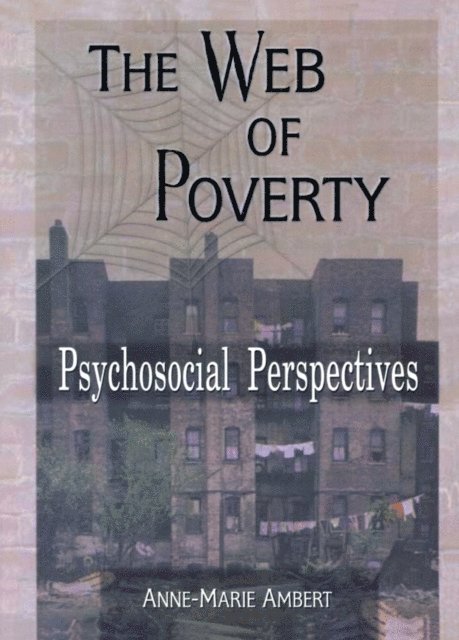
The most interdisciplinary, integrated text on poverty, The Web of Poverty: Psychosocial Perspectives gives you a full understanding of poverty and its consequences, equipping you to affect social change. This unique book examines the social and personal causes of poverty, focusing on the consequences of poverty at the neighborhood and school levels and on families, children, and youth. Ethnic and racial minorities are considered throughout the text, and a chapter is devoted to the interface of poverty, segregation, and discrimination. The Web of Poverty helps you clearly see the effects of poverty by considering the cultural and social contexts of victims’lives. In doing so, it fills a gap in the literature caused by books that overlook personal issues and data related to individual experiences. Chapters address contentious and sensitive issues within a critical psychosocial perspective that informs concepts such as the subculture of poverty, social pathologies, and the “overclass.” Many of the topics and perspectives you''ll explore in its pages are rarely considered together in one volume. Specifically, you''ll read about:
the plight of impoverished mothers and their children a comparison of the poverty of disadvantaged African Americans and poor white Americans health disadvantages of the poor the effects of poverty on school systems and the quality of education students receive the factors of age, race, and ethnicity that can lead to poverty a refutation of the notion of genetic inferiority of the poorPoverty is often the cause of other social ills such as delinquency, which can destroy the social fabric of neighborhoods and limit opportunities to escape impoverished situations. The Web of Poverty will help you accurately see poverty as part of this “big picture.” It contains material from the fields of sociology, developmental psychology, family studies, economics, delinquency, ethnic studies, health, and behavior genetics. This amalgamation gives you a thorough psychosocial perspective.1 004 kr
Läs direkt efter köp
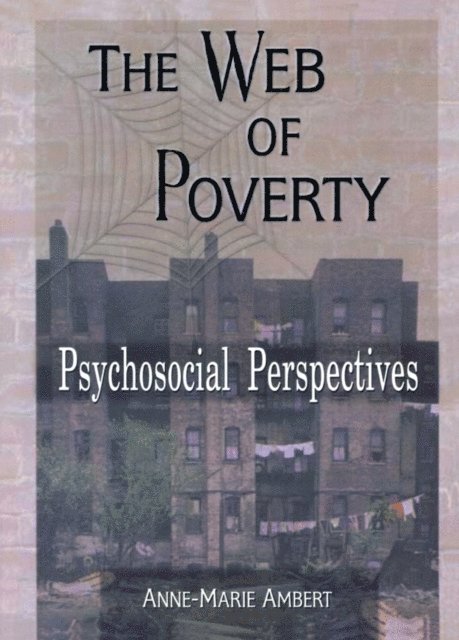
The most interdisciplinary, integrated text on poverty, The Web of Poverty: Psychosocial Perspectives gives you a full understanding of poverty and its consequences, equipping you to affect social change. This unique book examines the social and personal causes of poverty, focusing on the consequences of poverty at the neighborhood and school levels and on families, children, and youth. Ethnic and racial minorities are considered throughout the text, and a chapter is devoted to the interface of poverty, segregation, and discrimination. The Web of Poverty helps you clearly see the effects of poverty by considering the cultural and social contexts of victims’lives. In doing so, it fills a gap in the literature caused by books that overlook personal issues and data related to individual experiences. Chapters address contentious and sensitive issues within a critical psychosocial perspective that informs concepts such as the subculture of poverty, social pathologies, and the “overclass.” Many of the topics and perspectives you''ll explore in its pages are rarely considered together in one volume. Specifically, you''ll read about:
the plight of impoverished mothers and their children a comparison of the poverty of disadvantaged African Americans and poor white Americans health disadvantages of the poor the effects of poverty on school systems and the quality of education students receive the factors of age, race, and ethnicity that can lead to poverty a refutation of the notion of genetic inferiority of the poorPoverty is often the cause of other social ills such as delinquency, which can destroy the social fabric of neighborhoods and limit opportunities to escape impoverished situations. The Web of Poverty will help you accurately see poverty as part of this “big picture.” It contains material from the fields of sociology, developmental psychology, family studies, economics, delinquency, ethnic studies, health, and behavior genetics. This amalgamation gives you a thorough psychosocial perspective.918 kr
Läs direkt efter köp
Therapeutic Intervention with Poor, Unorganized Families: From Distress to Hope offers you integrated theories, practice, and research to provide you with the tools to be more effective when dealing with families in crisis. Therapeutic Intervention with Poor, Unorganized Families explores the decline of families into extreme distress and helps you to determine the best intervention for that particular family, as no one single method can be prescribed for all families. Therapists as well as clients favor the joint-goal intervention you will discover through this book, which is carried out mostly in the family home where the therapist can delegate authority as a means of strengthening and preserving the family.
Through Therapeutic Intervention with Poor, Unorganized Families, you will receive a plethora of ideas which consist of multiple intervention techniques and alternatives for intervention, including:
learning to organize institutions in the community to participate in getting families in extreme distress out of their long and perpetual predicament teaching you how cooperation between various government organizations, public and private, can be solicited for the welfare of these families offering you an anthro-psycho-social model of intervention that you will find effective in your own practice examining case studies so you can see how the new model works in real-life settingsTherapeutic Intervention with Poor, Unorganized Families is unique because not only does it offer you help with supervision and training aspects, but because it also ends with a qualitative and quantitative research evaluation of this new model. Comprehensive and thorough, this book deals with the difficulties that may arise to interfere with the effectiveness of the intervention so you can learn from it and prevent further crisis. Therapeutic Intervention with Poor, Unorganized Families is a must for anyone working with families in crisis.918 kr
Läs direkt efter köp
Therapeutic Intervention with Poor, Unorganized Families: From Distress to Hope offers you integrated theories, practice, and research to provide you with the tools to be more effective when dealing with families in crisis. Therapeutic Intervention with Poor, Unorganized Families explores the decline of families into extreme distress and helps you to determine the best intervention for that particular family, as no one single method can be prescribed for all families. Therapists as well as clients favor the joint-goal intervention you will discover through this book, which is carried out mostly in the family home where the therapist can delegate authority as a means of strengthening and preserving the family.
Through Therapeutic Intervention with Poor, Unorganized Families, you will receive a plethora of ideas which consist of multiple intervention techniques and alternatives for intervention, including:
learning to organize institutions in the community to participate in getting families in extreme distress out of their long and perpetual predicament teaching you how cooperation between various government organizations, public and private, can be solicited for the welfare of these families offering you an anthro-psycho-social model of intervention that you will find effective in your own practice examining case studies so you can see how the new model works in real-life settingsTherapeutic Intervention with Poor, Unorganized Families is unique because not only does it offer you help with supervision and training aspects, but because it also ends with a qualitative and quantitative research evaluation of this new model. Comprehensive and thorough, this book deals with the difficulties that may arise to interfere with the effectiveness of the intervention so you can learn from it and prevent further crisis. Therapeutic Intervention with Poor, Unorganized Families is a must for anyone working with families in crisis.831 kr
Läs direkt efter köp
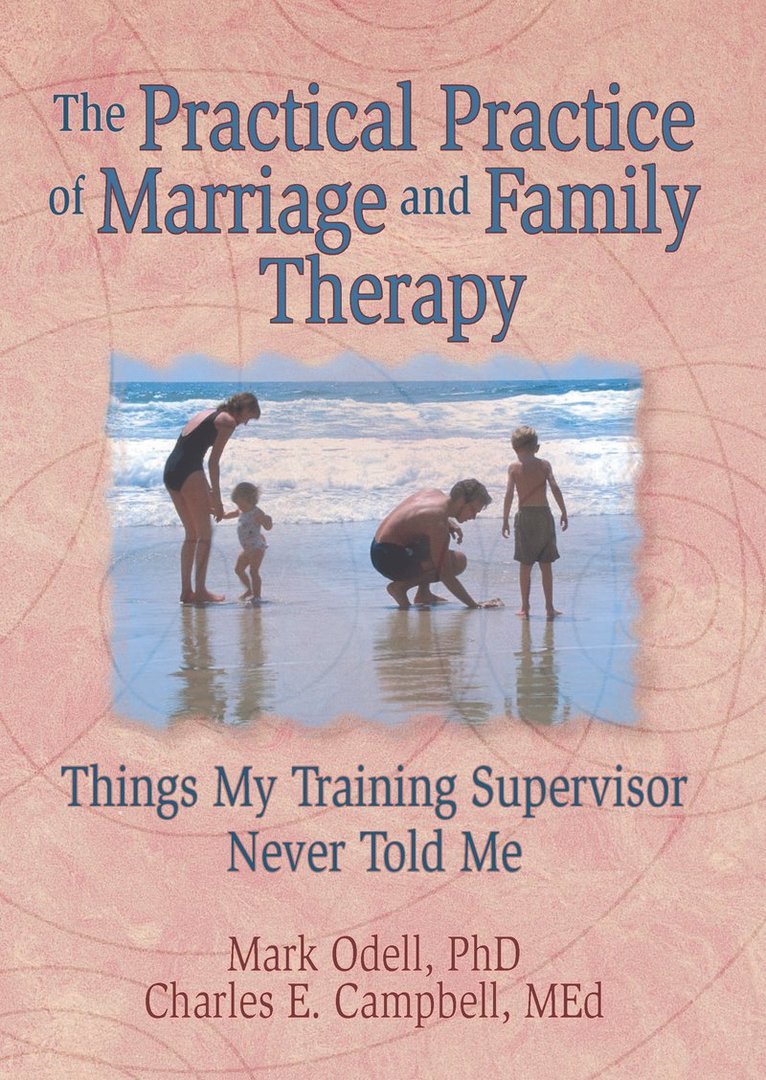
It is a truism among therapists in most mental health disciplines that the most important aspects of clinical practice are learned only after one has left graduate school and entered “the real world.” While many of the basics could be covered in graduate school, supervisors of new therapists often feel that the fundamentals are only addressed in detail after a therapist has been employed. In response to this predicament, Odell and Campbell offer The Practical Practice of Marriage and Family Therapy: Things My Training Supervisor Never Told Me as a useful daily guide for graduate students and beginning marriage and family therapists that will ease the transition from learner to practicing professional in the clinical domain.Written in a refreshing and unpretentious style, much the way a caring seasoned professional would mentor a novice practitioner, The Practical Practice of Marriage and Family Therapy covers the major areas that typical graduate programs don’t have time to address, including how to:
integrate theoretical training with pragmatic clinical practice to maximize therapeutic effectiveness face the practical problems involving the financial elements of clinical work become a thoroughly credentialed professional develop an approach to becoming specialized uncover the motivation for being a professional marriage and family therapist increase one’s ability to maintain high-level practice over a lifetime of work by developing coping strategies and methods of safeguarding one’s own mental healthAddressing the unique approach of their book, Odell and Campbell explain, “Whereas most texts are handbooks on the actual theories and techniques used with couples and families, this book is designed to be a guide to the beginning professional as s/he leaves the graduate training environment and enters the mental health field as it exists in contemporary America. Our hope is that this book would be one of those chosen by the novice practicing professional if s/he could only take two or three with them into the field, as it contains material that is most useful for everyday work in clinical settings.”831 kr
Läs direkt efter köp
It is a truism among therapists in most mental health disciplines that the most important aspects of clinical practice are learned only after one has left graduate school and entered “the real world.” While many of the basics could be covered in graduate school, supervisors of new therapists often feel that the fundamentals are only addressed in detail after a therapist has been employed. In response to this predicament, Odell and Campbell offer The Practical Practice of Marriage and Family Therapy: Things My Training Supervisor Never Told Me as a useful daily guide for graduate students and beginning marriage and family therapists that will ease the transition from learner to practicing professional in the clinical domain.Written in a refreshing and unpretentious style, much the way a caring seasoned professional would mentor a novice practitioner, The Practical Practice of Marriage and Family Therapy covers the major areas that typical graduate programs don’t have time to address, including how to:
integrate theoretical training with pragmatic clinical practice to maximize therapeutic effectiveness face the practical problems involving the financial elements of clinical work become a thoroughly credentialed professional develop an approach to becoming specialized uncover the motivation for being a professional marriage and family therapist increase one’s ability to maintain high-level practice over a lifetime of work by developing coping strategies and methods of safeguarding one’s own mental healthAddressing the unique approach of their book, Odell and Campbell explain, “Whereas most texts are handbooks on the actual theories and techniques used with couples and families, this book is designed to be a guide to the beginning professional as s/he leaves the graduate training environment and enters the mental health field as it exists in contemporary America. Our hope is that this book would be one of those chosen by the novice practicing professional if s/he could only take two or three with them into the field, as it contains material that is most useful for everyday work in clinical settings.”572 kr
Läs direkt efter köp
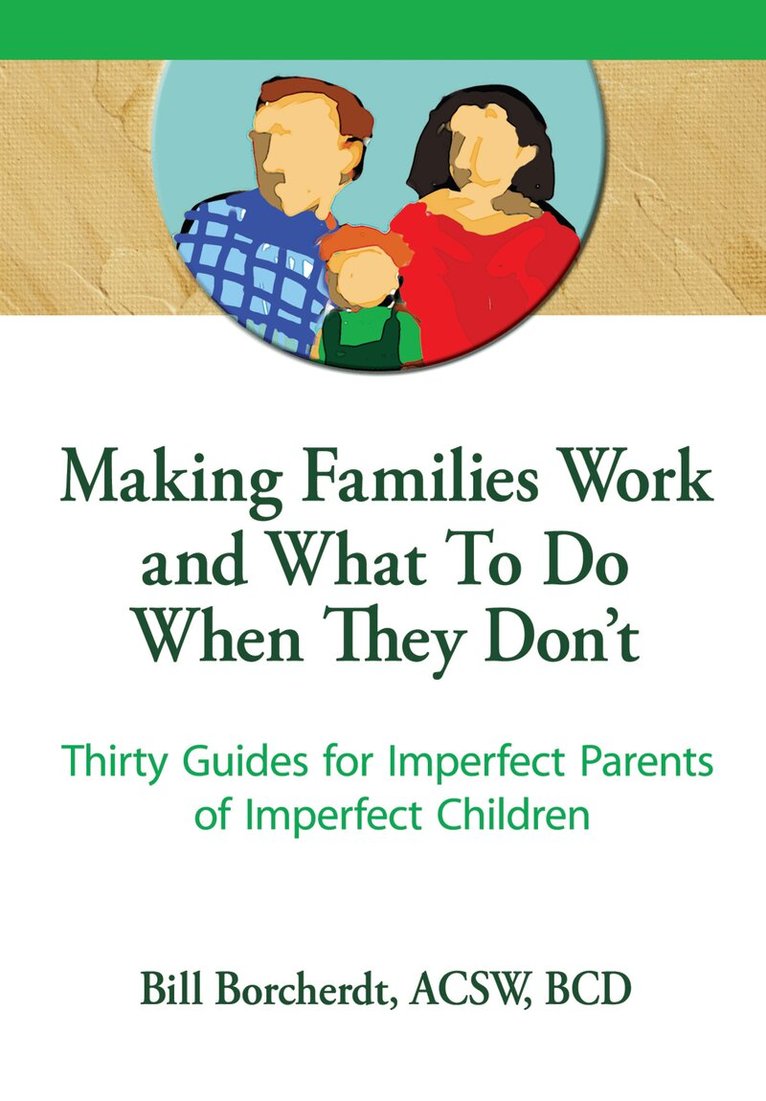
Making Families Work and What To Do When They Don''t offers specific recommendations for increasing family harmony through more effective parenting practices. This important new book helps parents improve family understanding and relationships by reducing the emotional interference--anger, betrayal, guilt, shame, and fear--that blocks healthier and happier family connections. Each chapter is laced with knowledge and therapeutic humor that examine dimensions to family living in a way that helps parents lighten up a little rather than tighten up a lot. Parents will find that encouraging family members to take one another less seriously increases their opportunities for more constructive interactions. Marital and family counselors, social workers, psychologists, guidance counselors, psychiatrists, and other human service professionals can use the valuable information in this book to help families view their interfamilial relationships more objectively and to take each other less seriously, creating more constructive interactions and happier, stronger relationships. Therapists will learn to encourage clients to question and challenge conventional ideas of the family that often lead to demands, exaggerations, irrational expectations, personalizations, and self- and other judgments, all of which contaminate the family relationship.Using the scientific principles of rational thinking, Author Bill Borcherdt questions the relationship between parents and their children and the degree of influence parents have over their children. He places the focus on a parental advocacy model by which parents are encouraged to give themselves some emotional slack and to develop a sense of humility for what they can and cannot do for their children. This starts the process of family members learning what to realistically expect and accept from one another. Borcherdt shows readers that by taking the sacredness and “golden” rules out of the definitions of family living, emotional upset and oppositional behavioral obstacles can be minimized and more emotional well-being and family fulfillment can be experienced.Each chapter in Making Families Work and What To Do When They Don''t is lined with knowledge and therapeutic humor that examines dimensions of family living in a way that assists families in loosening up a little rather than tightening up a lot. This improves family members’understanding of and relationships among one another by reducing the emotional interference--feelings of anger, betrayal, guilt, shame, fear--that blocks healthy, happy family connections and by offering specific practical recommendations for increasing family harmony. Through his analyses of 30 topics of family living, presented under the umbrella of learning what to realistically expect of imperfect parents of imperfect children in an imperfect world, Borcherdt reveals to readers that:
individuals are active participants in creating their own emotional problems and disturbances people exaggerate the significance of past family disturbances emotional slack and fewer unrealistic demands of self and others leads to a happier family family members often disturb themselves unnecessarily by escalating family values into sacred demands families don''t shape character, they reveal itUnlike other books about family living, Making Families Work and What To Do When They Don''t analyzes the dysfunctional ideas that family members hold about themselves and others rather than the dysfunctional relationships that naturally exist between fallible human beings. In this guidebook, readers learn creative, new ways of approaching old family problems,and they gain succinct explanations of how they can help their own and other families do things differently and do different things to improve emotional and behavioral well-being within the family.572 kr
Läs direkt efter köp
Making Families Work and What To Do When They Don''t offers specific recommendations for increasing family harmony through more effective parenting practices. This important new book helps parents improve family understanding and relationships by reducing the emotional interference--anger, betrayal, guilt, shame, and fear--that blocks healthier and happier family connections. Each chapter is laced with knowledge and therapeutic humor that examine dimensions to family living in a way that helps parents lighten up a little rather than tighten up a lot. Parents will find that encouraging family members to take one another less seriously increases their opportunities for more constructive interactions. Marital and family counselors, social workers, psychologists, guidance counselors, psychiatrists, and other human service professionals can use the valuable information in this book to help families view their interfamilial relationships more objectively and to take each other less seriously, creating more constructive interactions and happier, stronger relationships. Therapists will learn to encourage clients to question and challenge conventional ideas of the family that often lead to demands, exaggerations, irrational expectations, personalizations, and self- and other judgments, all of which contaminate the family relationship.Using the scientific principles of rational thinking, Author Bill Borcherdt questions the relationship between parents and their children and the degree of influence parents have over their children. He places the focus on a parental advocacy model by which parents are encouraged to give themselves some emotional slack and to develop a sense of humility for what they can and cannot do for their children. This starts the process of family members learning what to realistically expect and accept from one another. Borcherdt shows readers that by taking the sacredness and “golden” rules out of the definitions of family living, emotional upset and oppositional behavioral obstacles can be minimized and more emotional well-being and family fulfillment can be experienced.Each chapter in Making Families Work and What To Do When They Don''t is lined with knowledge and therapeutic humor that examines dimensions of family living in a way that assists families in loosening up a little rather than tightening up a lot. This improves family members’understanding of and relationships among one another by reducing the emotional interference--feelings of anger, betrayal, guilt, shame, fear--that blocks healthy, happy family connections and by offering specific practical recommendations for increasing family harmony. Through his analyses of 30 topics of family living, presented under the umbrella of learning what to realistically expect of imperfect parents of imperfect children in an imperfect world, Borcherdt reveals to readers that:
individuals are active participants in creating their own emotional problems and disturbances people exaggerate the significance of past family disturbances emotional slack and fewer unrealistic demands of self and others leads to a happier family family members often disturb themselves unnecessarily by escalating family values into sacred demands families don''t shape character, they reveal itUnlike other books about family living, Making Families Work and What To Do When They Don''t analyzes the dysfunctional ideas that family members hold about themselves and others rather than the dysfunctional relationships that naturally exist between fallible human beings. In this guidebook, readers learn creative, new ways of approaching old family problems,and they gain succinct explanations of how they can help their own and other families do things differently and do different things to improve emotional and behavioral well-being within the family.790 kr
Läs direkt efter köp
Based on culture-related themes derived from the author''s psychotherapeutic work with young Chinese-American professionals, this important book relates personal problems and conditions to specific sources in Chinese and American cultures and the immigration experience. Unique and practical, this is a nonclinical work that will help Asian Americans connect historical and cultural meanings to their Chinese roots. It will also give educators, mental health professionals, and those working with Chinese populations firsthand insight into the lives and identities of Chinese-American immigrants. Exploring the meaning and arrangement of Chinese family names, the bonds among family members, and the different contexts of “self” to Chinese Americans, this valuable book offers you insight into the dilemma between “self” and “family” that both the younger and older generations must face in American society. In order to help you understand Chinese immigrants or help your clients, Chinese Americans and Their Immigrant Parents provides you with information about several differences found between the two cultures, such as:
understanding that words and concepts may not relate to the same emotions or translate exactly between languages realizing that strong family bonds of the Chinese fosters interdependence, unlike Americans who admire self-assertiveness and independence recognizing the fear that Chinese immigrant parents have of losing their strong family ties and seeing their children forsake customs because they do not want to be seen as “different” discovering why risk-taking and adventurous acts are discouraged by many Chinese parents comprehending the great importance to Chinese parents of continuing their family and raising successful children acknowledging the different roles of men and women within several different contexts in American and Chinese societiesWith personal vignettes, humor, and interesting insights, Chinese Americans and Their Immigrant Parents: Conflict, Identity, and Values demonstrates how some Chinese Americans are connecting historical and cultural meanings to their Chinese roots and bridging generational gaps between themselves and their parents to create a truly cross-cultural identity.790 kr
Läs direkt efter köp
Based on culture-related themes derived from the author''s psychotherapeutic work with young Chinese-American professionals, this important book relates personal problems and conditions to specific sources in Chinese and American cultures and the immigration experience. Unique and practical, this is a nonclinical work that will help Asian Americans connect historical and cultural meanings to their Chinese roots. It will also give educators, mental health professionals, and those working with Chinese populations firsthand insight into the lives and identities of Chinese-American immigrants. Exploring the meaning and arrangement of Chinese family names, the bonds among family members, and the different contexts of “self” to Chinese Americans, this valuable book offers you insight into the dilemma between “self” and “family” that both the younger and older generations must face in American society. In order to help you understand Chinese immigrants or help your clients, Chinese Americans and Their Immigrant Parents provides you with information about several differences found between the two cultures, such as:
understanding that words and concepts may not relate to the same emotions or translate exactly between languages realizing that strong family bonds of the Chinese fosters interdependence, unlike Americans who admire self-assertiveness and independence recognizing the fear that Chinese immigrant parents have of losing their strong family ties and seeing their children forsake customs because they do not want to be seen as “different” discovering why risk-taking and adventurous acts are discouraged by many Chinese parents comprehending the great importance to Chinese parents of continuing their family and raising successful children acknowledging the different roles of men and women within several different contexts in American and Chinese societiesWith personal vignettes, humor, and interesting insights, Chinese Americans and Their Immigrant Parents: Conflict, Identity, and Values demonstrates how some Chinese Americans are connecting historical and cultural meanings to their Chinese roots and bridging generational gaps between themselves and their parents to create a truly cross-cultural identity.1 281 kr
Läs direkt efter köp
Discover creative new ways to facilitate the therapeutic process Therapeutic modalities that psychotherapists usually rely on--such as psychodynamic, humanistic, systems, cognitive, narrative, analytic and solution focused--are all verbal interventions. Introduction to Complementary and Alternative Therapies presents a comprehensive overview of complementary and alternative therapeutic interventions that go beyond the standard verbal approaches. The therapies presented in this book--including mindfulness and meditation, spirituality, poetry therapy, art therapy, psychodrama, dance/movement therapy, music therapy, animal-assisted therapy, and touch therapy--provide the reader with creative non-traditional modalities that are effective in conjunction with traditional treatment, or as substitutes. They may enrich talk-therapy, especially when therapists and/or clients get stuck, or they may provide healing on their own. Introduction to Complementary and Alternative Therapies explains the basics about how these nontraditional therapies work and provides vivid examples for utilizing them in treatment. Each chapter is written by an expert in the field of expertise, and includes a description of the approach, research evidence about its effectiveness, guidelines on how to use the therapy in practice, and case examples. This excellent volume also provides practitioners with a wide range of resources, including Web sites, information on state and national organizations, accrediting board info, and more. Topics in Introduction to Complementary and Alternative Therapies include:
the mind-body relationship ways to integrate spirituality in counseling the healing components of poetry research studies on art therapy different techniques available in Psychodrama using body movement as a means of expressing conflicts and desires how music therapy promotes positive changes in the client the healing aspects of animals and much more!Introduction to Complementary and Alternative Therapies is a horizon-expanding guide for therapists, social workers, psychologists, counselors, physicians, educators, and students.