Bill Reid – författare
Visar alla böcker från författaren Bill Reid. Handla med fri frakt och snabb leverans.
16 produkter
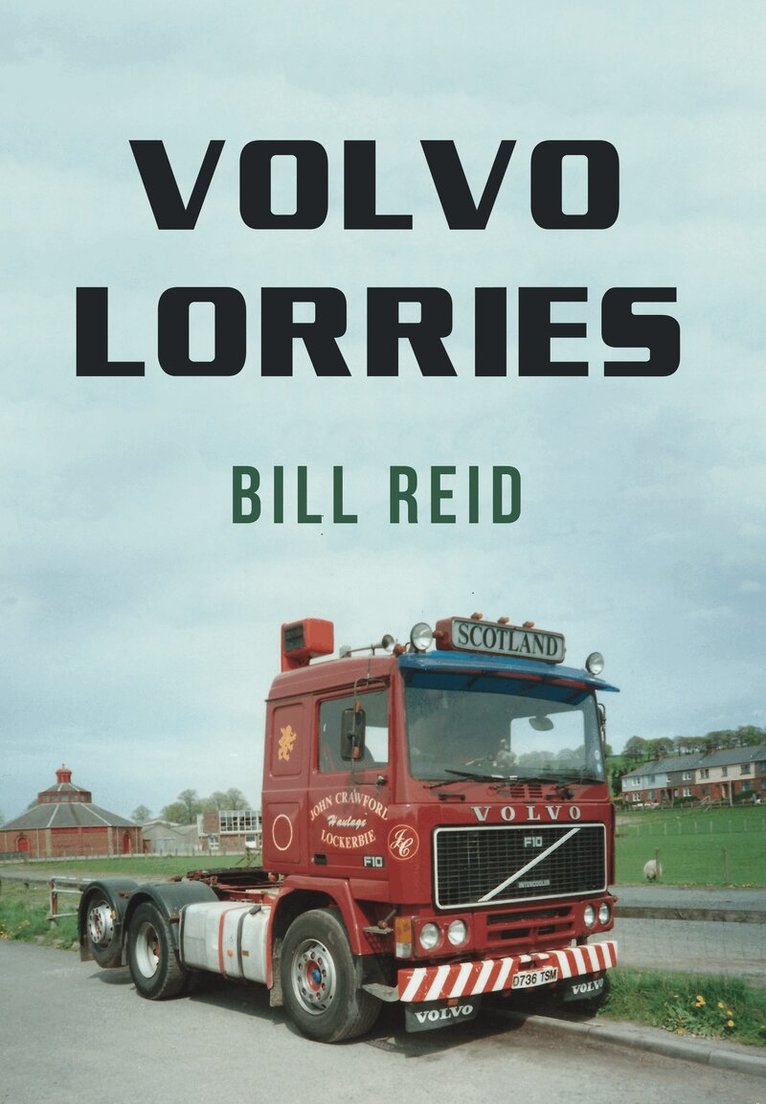
Volvo Lorries
Av Bill Reid
Häftad, 2017
183 kr
Lägg i varukorg
Car production at Volvo began in 1926 in Stockholm with a prototype. By 1927 small goods vehicles based on the car designs were in production at Gothenburg, and heavier three-tonners were being produced by 1928.Already known for their robust cars, Volvo lorries first came to British roads in 1967 …
Raven Steals the Light
Av Bill Reid, Robert Bringhurst
Häftad, 1996, 3-6 år
292 kr
Kommande
This new edition of a collaboration between one of the finest living artists in North America and one of Canada's finest poets includes a new introduction by the distinguished anthropologist Claude Lévi-Strauss. Ten masterful, complex drawings by Bill Reid and ten tales demonstrate the richness and …
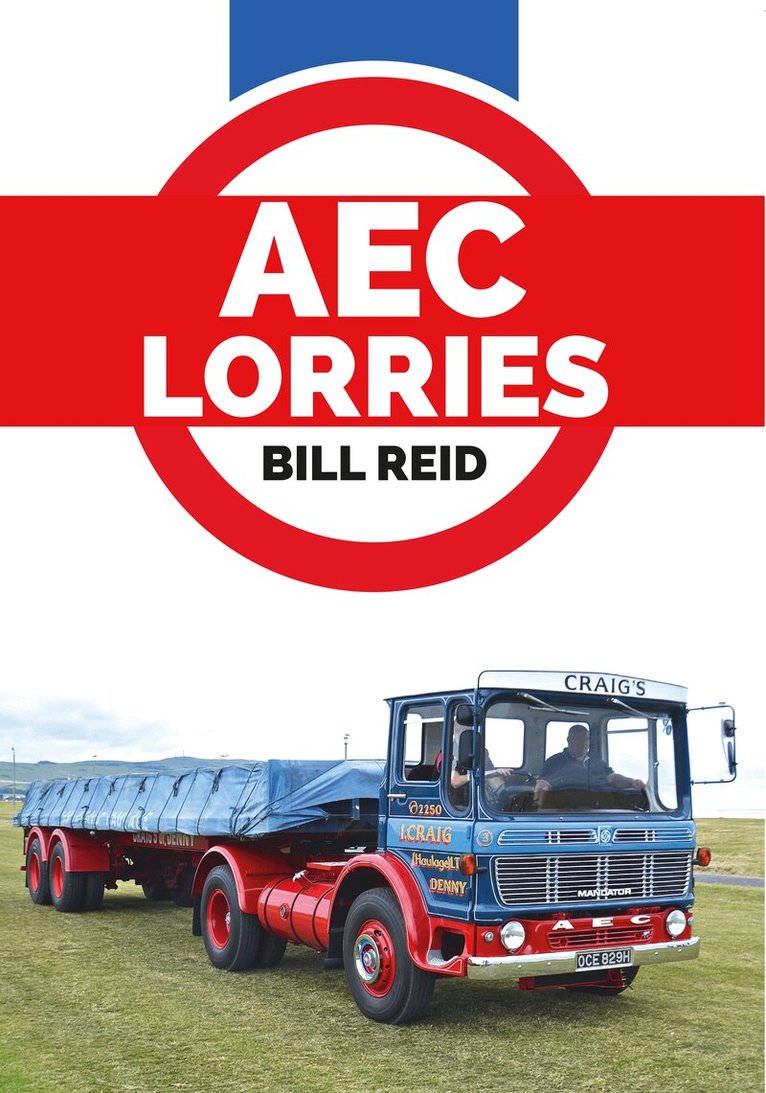
AEC Lorries
Av Bill Reid
Häftad, 2016
173 kr
Lägg i varukorg
AEC Lorries explores the story of lorry use in the last fifty years, showing the diverse use of the vehicles and their configurations for many different types of work, with a focus on one of the great British manufacturers – AEC. AEC lorries have always been held in high esteem at home and abroad …
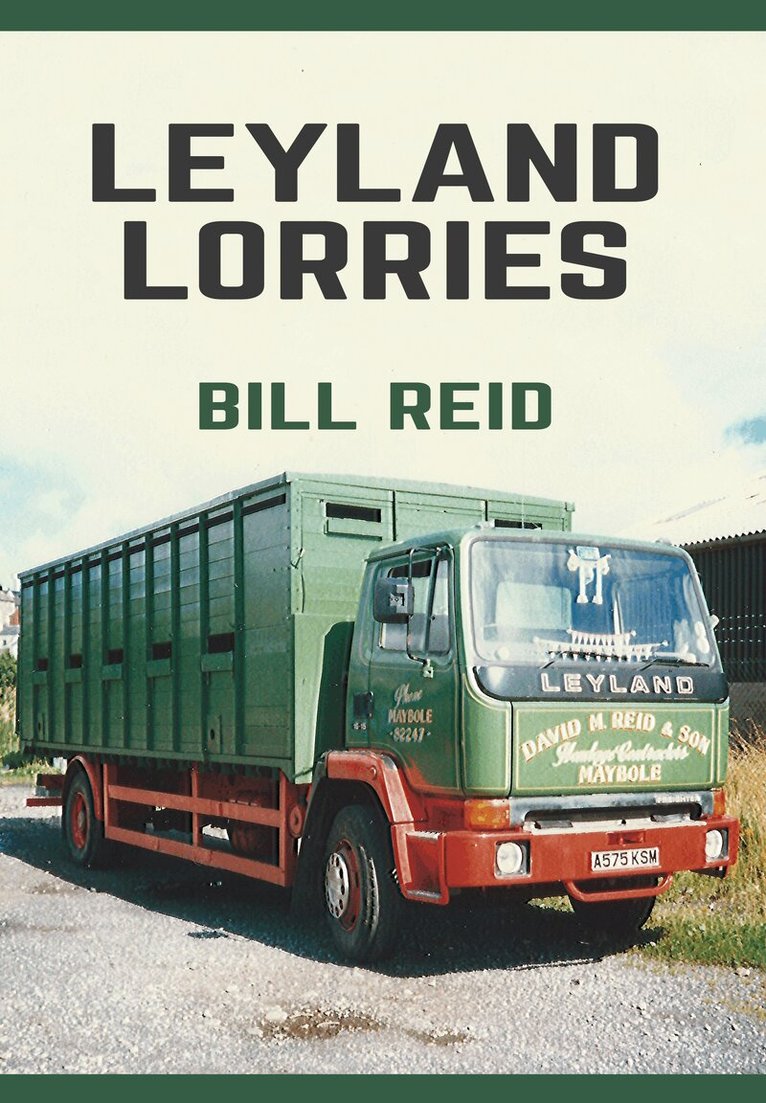
Leyland Lorries
Av Bill Reid
Häftad, 2017
183 kr
Lägg i varukorg
The origins of Leyland lorries are found in steam wagon manufacture in the town of Leyland, Lancashire. The manufacturer, then known as the Lancashire Steam Motor Company, was established in 1884. By 1904 the first petrol-engined lorry was built and in 1907 the company name was changed to Leyland …
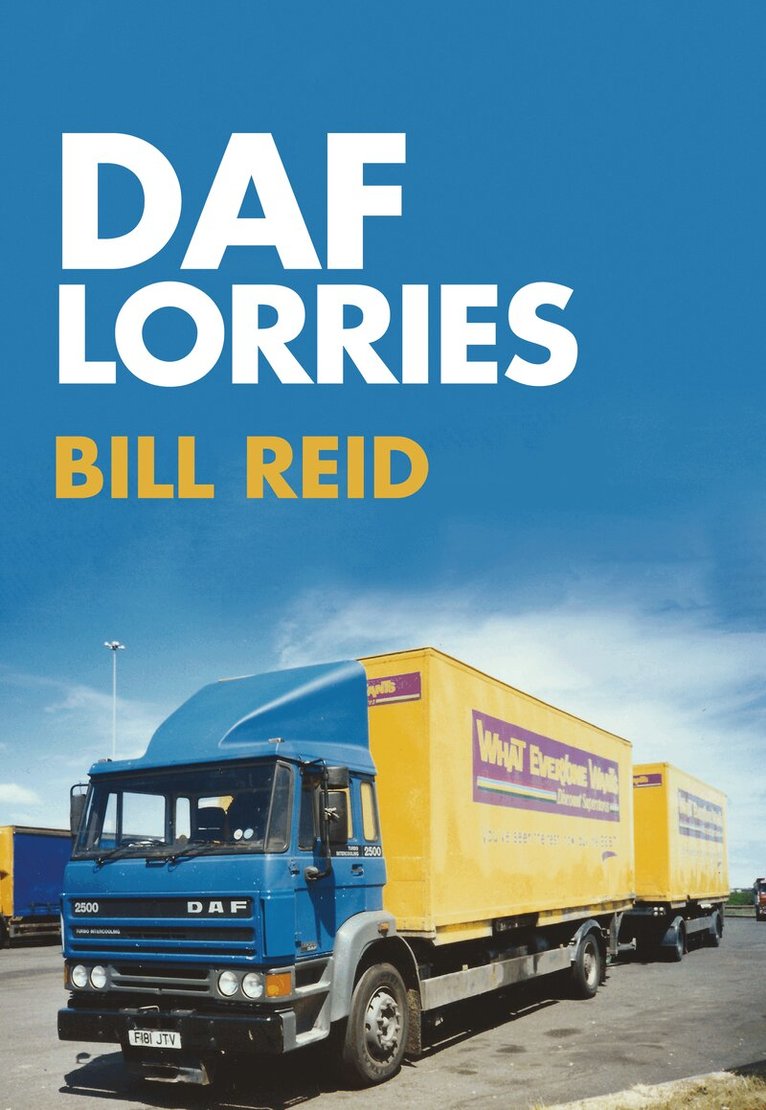
DAF Lorries
Av Bill Reid
Häftad, 2017
187 kr
Lägg i varukorg
Hub van Doorne and his brother Wim set up a transport engineering company at Eindhoven, the Netherlands, in 1928. The official name was to become Van Doorne’s Aanhangwagenfabriek, which translated as ‘Van Doorne’s trailer factory’, and the company was subsequently known as DAF.In 1948, DAF’s first …
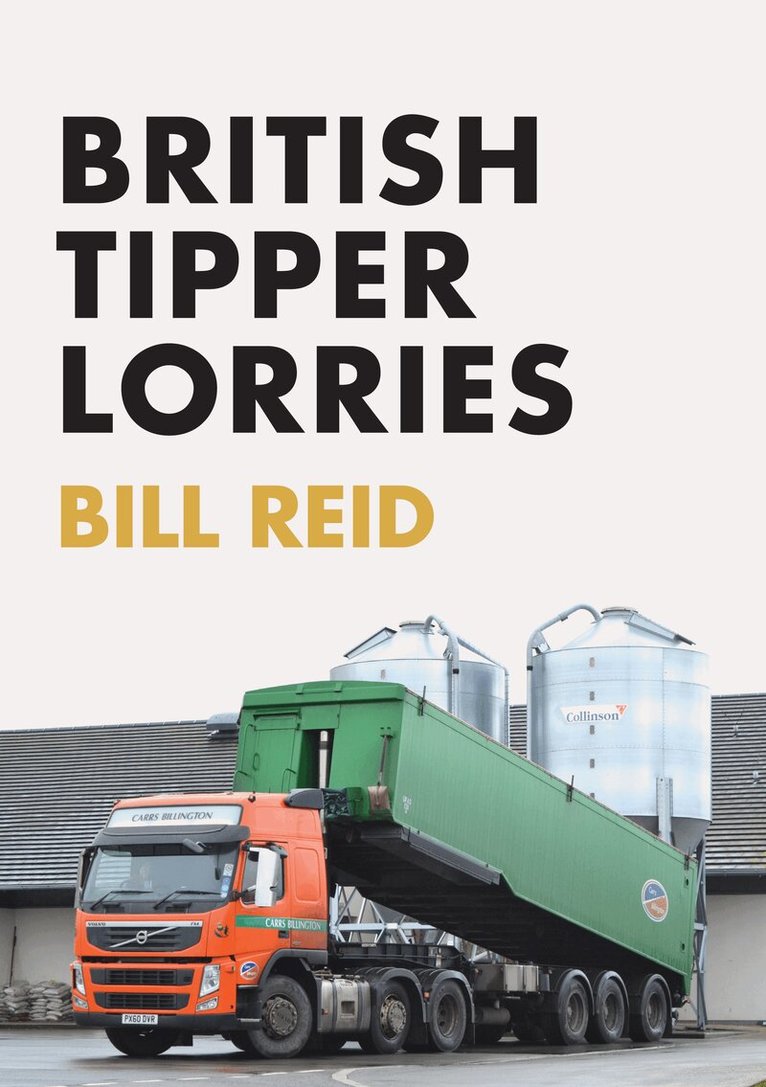
British Tipper Lorries
Av Bill Reid
Häftad, 2019
187 kr
Lägg i varukorg
Tipper lorries have been part and parcel of road transport since the beginnings of the age of motor vehicles. In fact their roots are in horse-drawn carts, which were built to tip by balance and gravity. For many years, and probably still today, the tipper lorry was seen as a dirty, well-worn, …
British Recovery Vehicles
Av Bill Reid
Häftad, 2019
183 kr
Lägg i varukorg
A recovery vehicle, or breakdown wagon, is the type of truck you hope you will never need. Unfortunately, they are an integral part of everyday life and are to be seen in various forms attending breakdowns and road traffic accidents.From the beginnings of mechanised transport there has always been …
Baby Boomer's Guide to I Remember When . . .
Remembering How Tough Life Used to Be
Av Bill Reid
Häftad, 2010
140 kr
Lägg i varukorg
Golf Solved
A Tongue-In-Cheek Guide to Simply Doing the Obviously Simple to Improve Your Golf Game
Av Bill Reid
E-bok, 2010
127 kr
Lägg i varukorg
As a professional educator, Bill found it natural to collect the pearls of wisdom of his golf mates from scenic Granite Pointe Golf Course in Nelson, British Columbia. Advice was and is freely given every Thursday night. The advice will resonate with golfers everywhere as it speaks to the very …
Golf Solved
A Tongue-In-Cheek Guide to Simply Doing the Obviously Simple to Improve Your Golf Game
Av Bill Reid
Häftad, 2010
138 kr
Lägg i varukorg
Senior Citizens Writing II
With an Introduction and Notes by W. Ross Winterowd
Av Bill Reid
Häftad, 2009
448 kr
Lägg i varukorg
Symphony of Our Stories
Massillon Public Library Writer's Group Anthologies
Av John Echols, Dawn E. Dagger m. fl.
E-bok, 2026
47 kr
Lägg i varukorg
The symphony takes a collective breath.The strings are taut, lips hover just above cold metal, and the players are stiff—all waiting for the first twitch of the conductor's wrist. A Symphony of Our Stories is a collection of 10 poems and short stories, each centered around one specific instrument. …
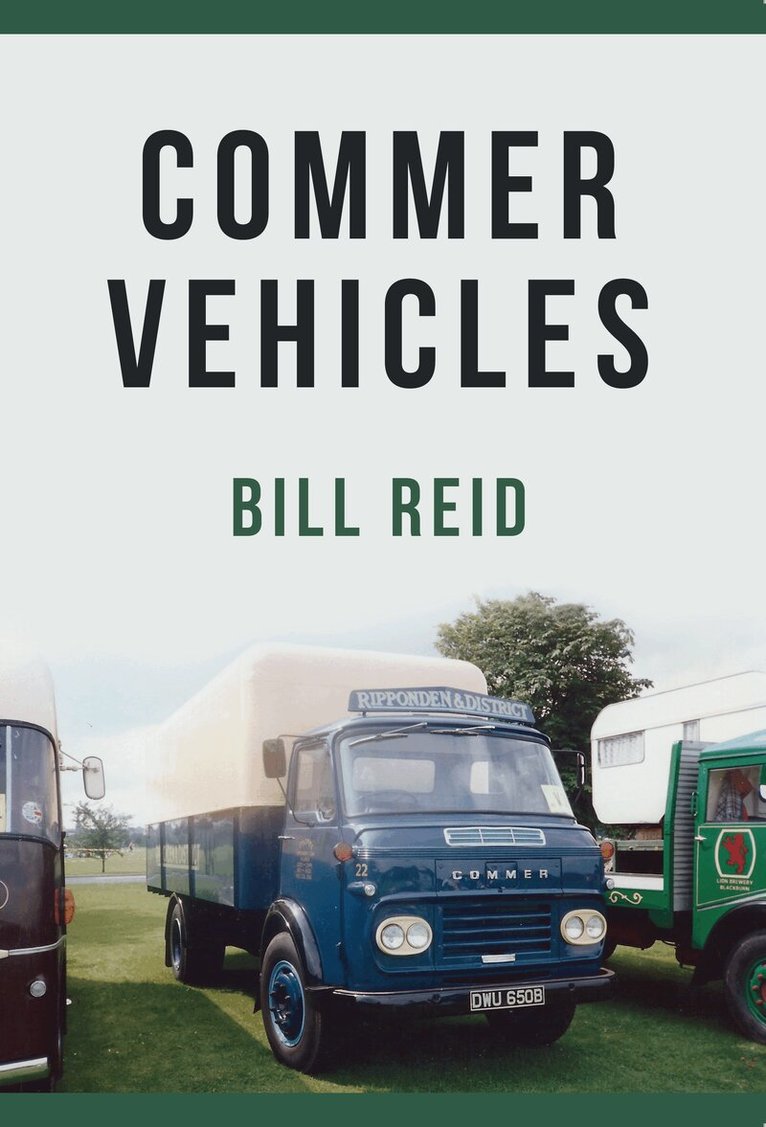
Commer Vehicles
Av Bill Reid
Häftad, 2017
302 kr
Tillfälligt slut
Commercial Cars Limited was the name of a new company set up in 1906 in south London to build a motor lorry, using what was then known as the Linley gearbox, which had degree of pre-selection in its use. The design was successful enough to require a relocation of the company to Luton and larger …
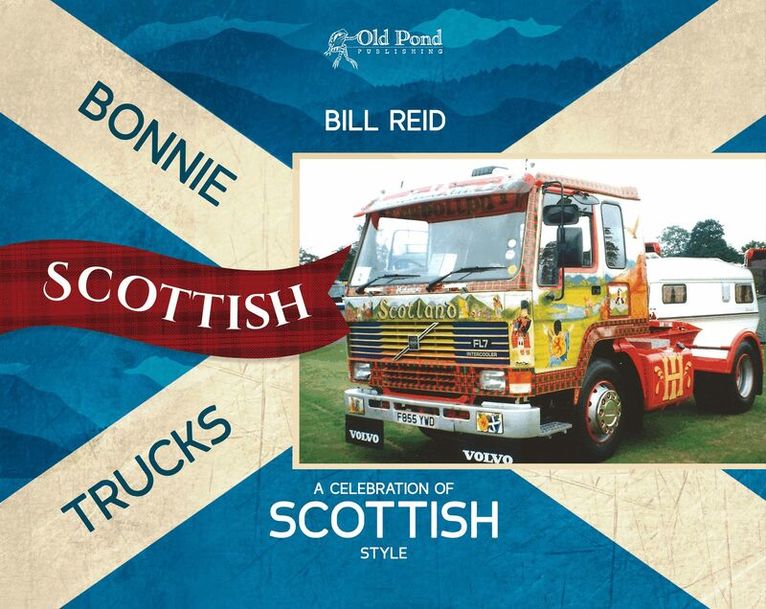
Bonnie Scottish Trucks
A Celebration of Scottish Style
Av Bill Reid
Inbunden, 2016
213 kr
Tillfälligt slut
Traditional Scottish liveries have long featured combinations of tartans, thistles, stags, piper and monograms on a strong background colour.Bonnie Scottish Trucks brings together 231 high quality photos of trucks operated by past and present Scottish companies, small firms and owner drivers who …