Bob Sonju – författare
406 kr
Skickas inom 3-6 vardagar
365 kr
Läs direkt efter köp
Move away from the way we have always done things and embrace an improved approach to student intervention. At Tier 2 of the RTI at Work™ process, interventions do not require hiring additional staff, buying more resources, or extending the school day. Instead, this book offers a step-by-step process for how to use your current time and resources to ensure all students learn at high levels.
Use this resource to successfully respond to students when they do not learn:
Receive proven, practical strategies and tools for creating Tier 2 interventions.Discover the foundational principles of effective educational practices.Understand the roles of teacher, leadership, and intervention teams in the response to intervention (RTI) system.Gain tips and best practices for determining student learning levels and how to move student learning forward.Review structures and schedules that build time in the school day to support students who need interventions in an elementary education setting.Contents:IntroductionChapter 1: Making a Case for Doing Things DifferentlyChapter 2: Using Collaborative Teams for Effective InterventionChapter 3: Getting to Targeted and Specific InterventionsChapter 4: Using Data to Target Tier 2 InterventionsChapter 5: Implementing Powerful Instructional SupportsChapter 6: Building Time in the Schedule for Additional SupportEpilogue
416 kr
Skickas inom 3-6 vardagar
369 kr
Läs direkt efter köp
Research is conclusive: response to intervention (RTI) is the best way to intervene when students struggle in school. Also known as a multitiered system of support (MTSS), the RTI process ensures every student receives the additional time and support needed for academic success. A companion to Best Practices at Tier 1, this guide provides secondary educators with fundamental principles, practices, and tools for implementing effective Tier 2 intervention strategies.
Your guide to implementing Tier 2 of response to intervention in secondary schools:
Understand the challenges facing schools, and consider why educators need to change their thinking.Receive proven, practical strategies and tools for implementing Tier 2 instruction and interventions.Discover the foundational principles of effective educational practices.Identify the roles of teacher, leadership, and intervention teams, and understand why they are essential to the intervention system.Gain tips for determining student learning levels and how to move student learning forward.Review structures and schedules that build time in the school day to support students who need interventions.Utilize teacher teams and the 4 Critical Questions of the PLC at Work framework to ensure all students master essential curriculum.Contents:About the AuthorsIntroduction: Doing the Right WorkChapter 1: Making the Case for Doing Things DifferentlyChapter 2: Doing Things Like Effective Schools and TeamsChapter 3: Getting to Targeted and Specific InterventionsChapter 4: Using Data to Target Tier 2 InterventionsChapter 5: Implementing Powerful Instructional SupportsChapter 6: Building Structures to Provide Additional SupportEpilogueReferences and ResourcesIndex
406 kr
Skickas inom 3-6 vardagar
365 kr
Läs direkt efter köp
With foreword by Mike Mattos
Build a strong, highly impactful team committed to learning for all. Written by eight professional learning community (PLC) experts, this practical guide addresses the most common challenges educators face when building collaborative teams and working collaboratively. Each chapter offers a variety of templates, processes, and strategies to help your team resolve conflict, focus on the right work, and take collective responsibility for student learning.
Rely on this book to troubleshoot collaborative learning and team development in your PLC:
Gain an understanding of the PLC framework and the unique qualities of effective collaborative work.Learn about collaborative teams, what goes into making them, and how to utilize them effectively to drive change and professional development for teachers and other educators.Become familiar with the ways in which interpersonal issues affect collaborative teams, and gain collaborative tools for conflict resolution and team building for teachers and staff.Learn how a toxic work culture can contribute to the failure of collaborative learning and how to combat this toxic school culture.Explore how educators in nontraditional schools or singletons can use the collaborative process to their advantage.Contents:About the AuthorsForeword by Mike MattosIntroductionChapter 1: Organizing Schools Into Effective Collaborative TeamsChapter 2: Managing Team Members Who DisengageChapter 3: Establishing Clarity on What Students Need to Know and Be Able to DoChapter 4: Planning for Targeted and Effective Team InterventionsChapter 5: Working Together in a PLCChapter 6: Changing to a Positive School CultureChapter 7: Involving Nondepartmental Members in a PLCChapter 8: Supporting Singleton Teachers in Collaborative TeamsChapter 9: Dealing With Cautions, Conflicts, and CommitmentsReferences and ResourcesIndex
400 kr
Läs direkt efter köp
Smart educators know simplicity is key to mitigating overwhelm and ensuring success. This book will help. Access the proven PLC at Work® process in a straightforward, easy-to-implement guide. Designated actions and essential steps for teachers, school leaders, and coaches focus on answering each of the four critical questions of a professional learning community so you can be confident you are doing the right work.
This book will help teachers, school leaders, and coaches:Learn the six actions that help answer each of the four critical questions of a PLCCreate a shared vision among teacher and leadership teams and gain clarity on student mastery of essential standardsEmploy meaningful feedback to encourage student self-assessment and ownership of learningUtilize field-tested prompts, rubrics, and templates to facilitate effective ongoing collaboration Address common roadblocks in establishing a collaborative school culture and work environmentContents:IntroductionChapter 1: Identifying Essential Standards and SkillsChapter 2: Gaining Shared Clarity and Defining MasteryChapter 3: Encouraging Student Ownership Through Student Self-AssessmentChapter 4: Utilizing Formative Assessment for FeedbackChapter 5: Learning From Formative DataChapter 6: Creating Extra Time and Support Chapter 7: Ensuring Focused, Productive CollaborationFinal ThoughtsReferences and ResourcesIndex482 kr
Skickas inom 3-6 vardagar
434 kr
Läs direkt efter köp
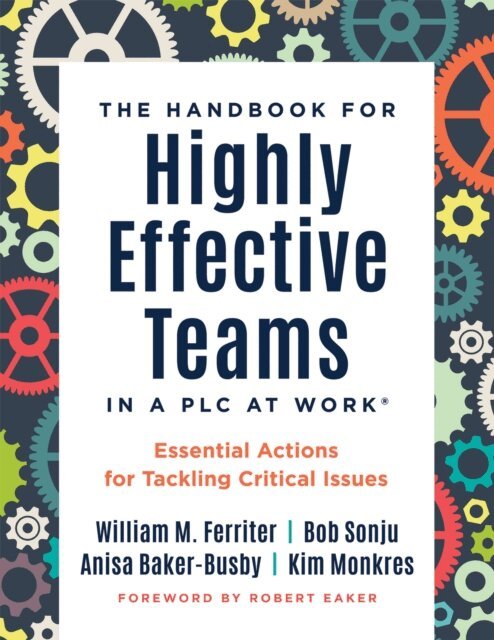
Transform your teacher teams into the driving force of student success and collaboration with this practical, action-driven guide. A companion to Learning by Doing, this handbook delivers 15 essential actions that highly effective teams use to strengthen collaboration, clarify student learning goals, use assessments as powerful learning tools, and ensure every student gets the time and support they need to learn at high levels. This easy-to-read, conversational book provides the tools, strategies, and real-world insights teams need to boost student achievement.
Perfect for K–12 administrators, teachers, and instructional coaches, this book will help you: Build high-impact teams with 15 critical actions that drive student learningEstablish clear success criteria and assessment protocols to measure progressAccess practical tools and resources for every foundational aspect of collaborationStructure lessons effectively to support struggling students while challenging high achieversContinuously refine instructional practices using student results and team analysisContents:Introduction: The Promise of Highly Effective TeamsPart 1: Highly Effective Teams Have a Common FoundationChapter 1: Essential Action—Identify Team Roles, Norms, and ProtocolsChapter 2: Essential Action—Outline a Process for Addressing Personality Interference With TeamworkChapter 3: Essential Action—Analyze Achievement Data and Establish SMART GoalsChapter 4: Essential Action—Formally Evaluate the Team’s Effectiveness at Least Twice YearlyPart 2: Highly Effective Teams Focus on Learning for All StudentsChapter 5: Essential Action—Ensure Clarity on the Knowledge, Skills, and Dispositions Students Will AcquireChapter 6: Essential Action—Collectively Study Essential Learning and Clearly Define MasteryChapter 7: Essential Action—Establish Clear Criteria for Student Work and Continually Apply Those for ConsistencyChapter 8: Essential Action—Identify Prerequisite Knowledge and Skills Needed to Master Essential LearningChapter 9: Essential Action—Teach Students the Criteria We Use in Judging Their WorkChapter 10: Essential Action—Make Visible a Set of Exemplars for StudentsChapter 11: Essential Action—Use Short-Term Goal SettingChapter 12: Essential Action—Identify Course Content and Topics We Can Eliminate to Devote More Time to Essential CurriculumChapter 13: Essential Action—Agree How to Sequence Content and Pace the CourseChapter 14: Essential Action—Use Materials and Professional Expertise to Identify Instructional StrategiesPart 3: Highly Effective Teams Effectively Use Assessments and DataChapter 15: Essential Action—Use Team-Created Pretests to Assess Prerequisite Knowledge and SkillsChapter 16: Essential Action—Develop Common Formative Assessments for Frequent AdministrationChapter 17: Essential Action—Administer Common Formative Assessments Throughout a UnitChapter 18: Essential Action—Use Standardized Testing Data and District Benchmarks to Assess Strengths and WeaknessesChapter 19: Essential Action—Use Team Assessment Results to Identify Students in Need of Additional Time and SupportChapter 20: Essential Action—Use Assessment Results to Identify Strategies That Help More Students Master EssentialsPart 4: Highly Effective Teams Provide Extra Time and Support for LearningChapter 21: Essential Action—Develop Strategies and Systems to Help Students Acquire Prerequisite Knowledge and SkillsChapter 22: Essential Action—Create Flexible Time During Units to Provide Extra SupportChapter 23: Essential Action—Provide Regular Extensions to Students Working Beyond Grade LevelEpilogueReferences and ResourcesIndex