Bonnie A. Lucero - Böcker
Visar alla böcker från författaren Bonnie A. Lucero. Handla med fri frakt och snabb leverans.
6 produkter
6 produkter
602 kr
Skickas inom 7-10 vardagar
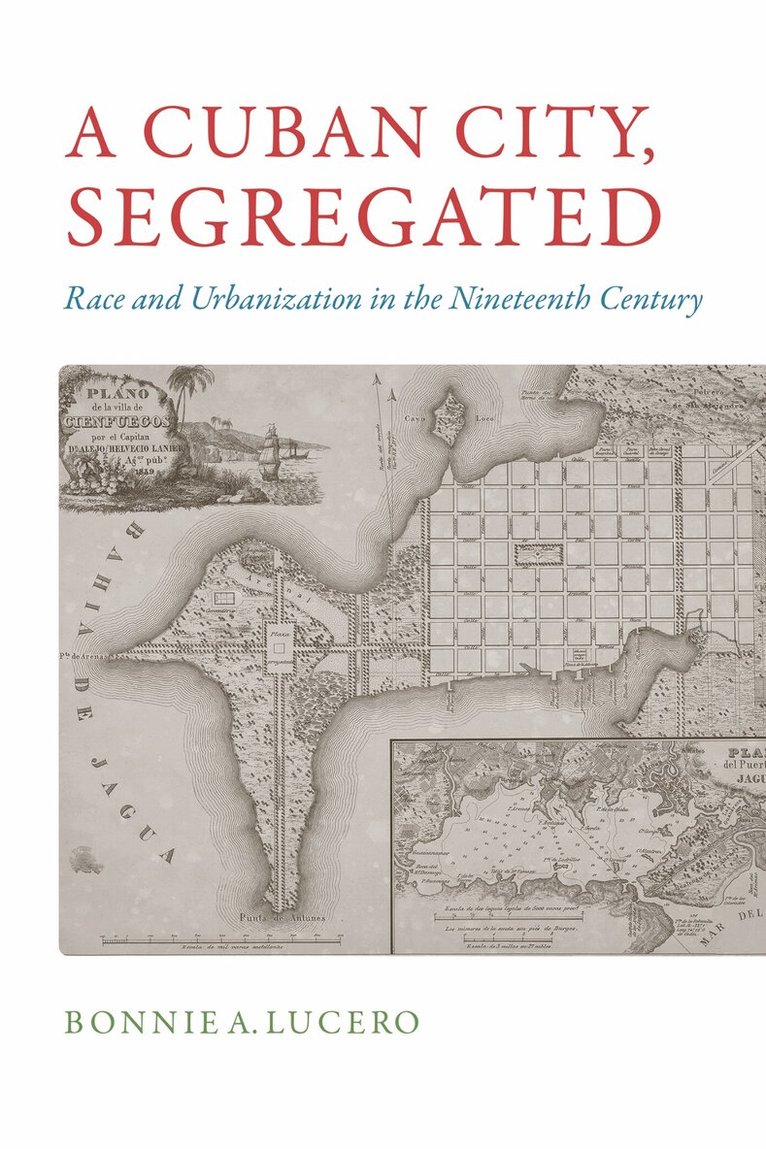
A microhistory of racial segregation in Cienfuegos, a central Cuban port city.Founded as a white colony in 1819, Cienfuegos quickly became home to people of African descent, both free and enslaved, and later a small community of Chinese and other immigrants. Despite the racial, ethnic, and cultural diversity defining the city's population, the urban landscape was characterized by distinctive racial boundaries, separating the white city center from the heterogeneous peripheries. A Cuban City, Segregated: Race and Urbanization in the Nineteenth Century explores how the de facto racial segregation was constructed and perpetuated in a society devoid of explicitly racial laws. Drawing on the insights of intersectional feminism, Bonnie A. Lucero shows that the key to understanding racial segregation in Cuba is recognizing the often unspoken ways specifically classed notions and practices of gender shaped the historical production of race and racial inequality. In the context of nineteenth-century Cienfuegos, gender, race, and class converged in the concept of urban order, a complex and historically contingent nexus of ideas about the appropriate and desired social hierarchy among urban residents, often embodied spatially in particular relationships to the urban landscape. As Cienfuegos evolved subtly over time, the internal logic of urban order was driven by the construction and defense of a legible, developed, aesthetically pleasing, and, most importantly, white city center. Local authorities produced policies that reduced access to the city center along class and gendered lines, for example, by imposing expensive building codes on centric lands, criminalizing poor peoples' leisure activities, regulating prostitution, and quashing organized labor. Although none of these policies mentioned race outright, this new scholarship demonstrates that the policies were instrumental in producing and perpetuating the geographic marginality and discursive erasure of people of color from the historic center of Cienfuegos during its first century of existence.
2 040 kr
Skickas inom 3-6 vardagar
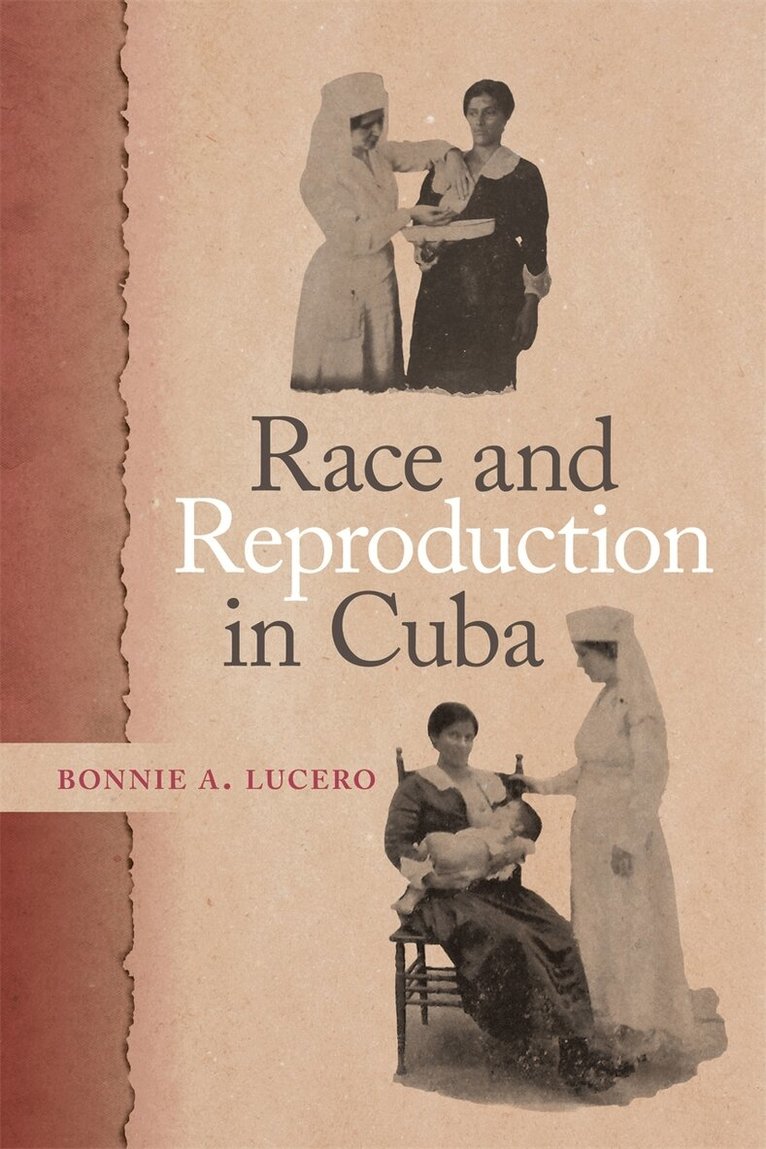
Women’s reproduction, including conception, pregnancy, childbirth, breastfeeding, and other physical acts of motherhood (as well as the rejection of those roles), played a critical role in the evolution and management of Cuba’s population. While existing scholarship has approached Cuba’s demographic history through the lens of migration, both forced and voluntary, Race and Reproduction in Cuba challenges this male-normative perspective by centering women in the first book-length history of reproduction in Cuba.Bonnie A. Lucero traces women’s reproductive lives, as well as key medical, legal, and institutional interventions influencing them, over four centuries. Her study begins in the early colonial period with the emergence of the island’s first charitable institutions dedicated to relieving poor women and abandoned white infants. The book’s centerpiece is the long nineteenth century, when elite interventions in women’s reproduction hinged not only on race but also legal status. It ends in 1965 when Cuba’s nascent revolutionary government shifted away from enforcing antiabortion laws that had historically targeted impoverished women of color.Questioning how elite demographic desires—specifically white population growth and nonwhite population management—shaped women’s reproduction, Lucero argues that elite men, including judges, physicians, philanthropists, and public officials, intervened in women’s reproductive lives in racially specific ways. Lucero examines how white supremacy shaped tangible differences in the treatment of women and their infants across racial lines and outlines how those reproductive outcomes were crucial in sustaining racial hierarchies through moments of tremendous political, economic, and social change.
746 kr
Skickas inom 3-6 vardagar
Women’s reproduction, including conception, pregnancy, childbirth, breastfeeding, and other physical acts of motherhood (as well as the rejection of those roles), played a critical role in the evolution and management of Cuba’s population. While existing scholarship has approached Cuba’s demographic history through the lens of migration, both forced and voluntary, Race and Reproduction in Cuba challenges this male-normative perspective by centering women in the first book-length history of reproduction in Cuba.Bonnie A. Lucero traces women’s reproductive lives, as well as key medical, legal, and institutional interventions influencing them, over four centuries. Her study begins in the early colonial period with the emergence of the island’s first charitable institutions dedicated to relieving poor women and abandoned white infants. The book’s centerpiece is the long nineteenth century, when elite interventions in women’s reproduction hinged not only on race but also legal status. It ends in 1965 when Cuba’s nascent revolutionary government shifted away from enforcing antiabortion laws that had historically targeted impoverished women of color.Questioning how elite demographic desires—specifically white population growth and nonwhite population management—shaped women’s reproduction, Lucero argues that elite men, including judges, physicians, philanthropists, and public officials, intervened in women’s reproductive lives in racially specific ways. Lucero examines how white supremacy shaped tangible differences in the treatment of women and their infants across racial lines and outlines how those reproductive outcomes were crucial in sustaining racial hierarchies through moments of tremendous political, economic, and social change.
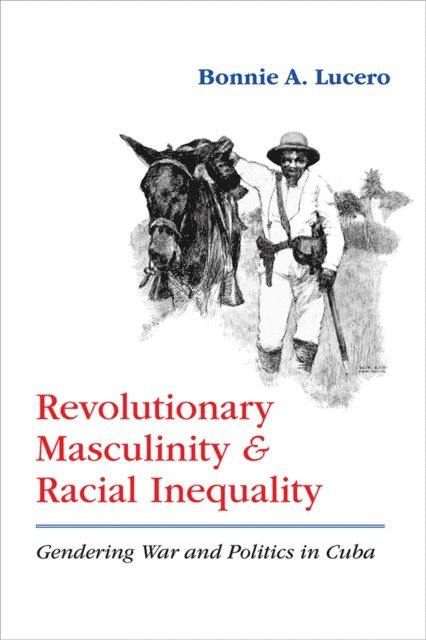
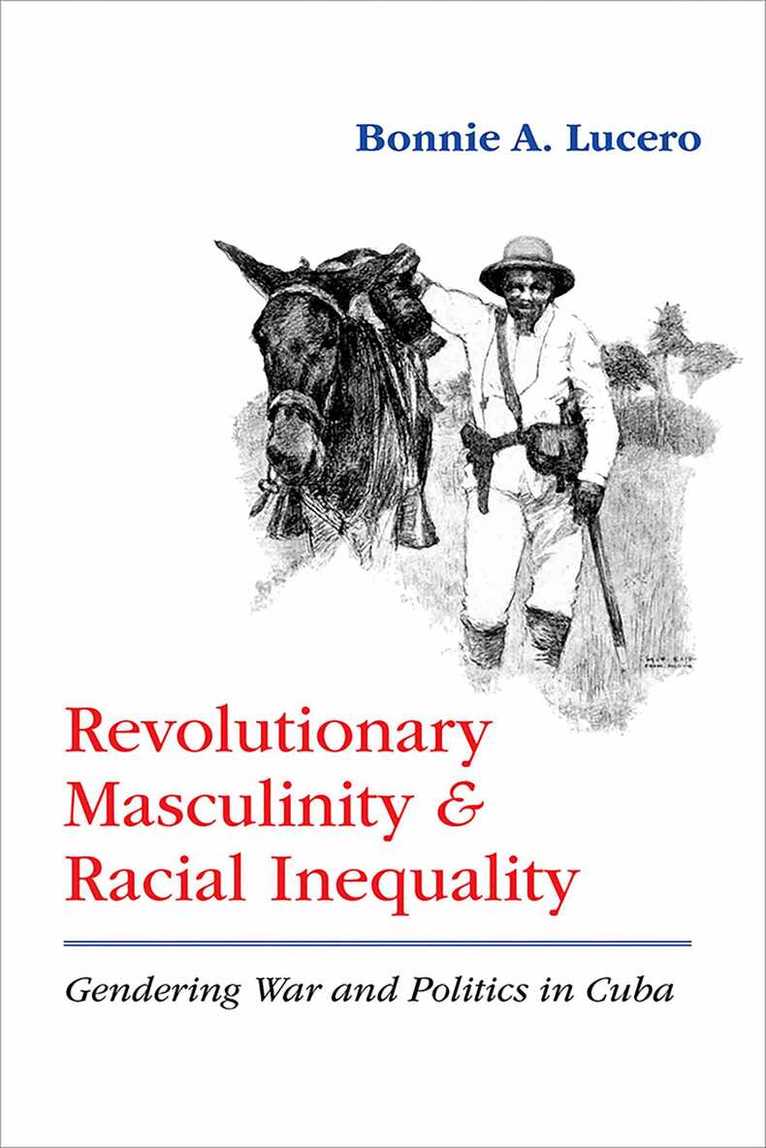
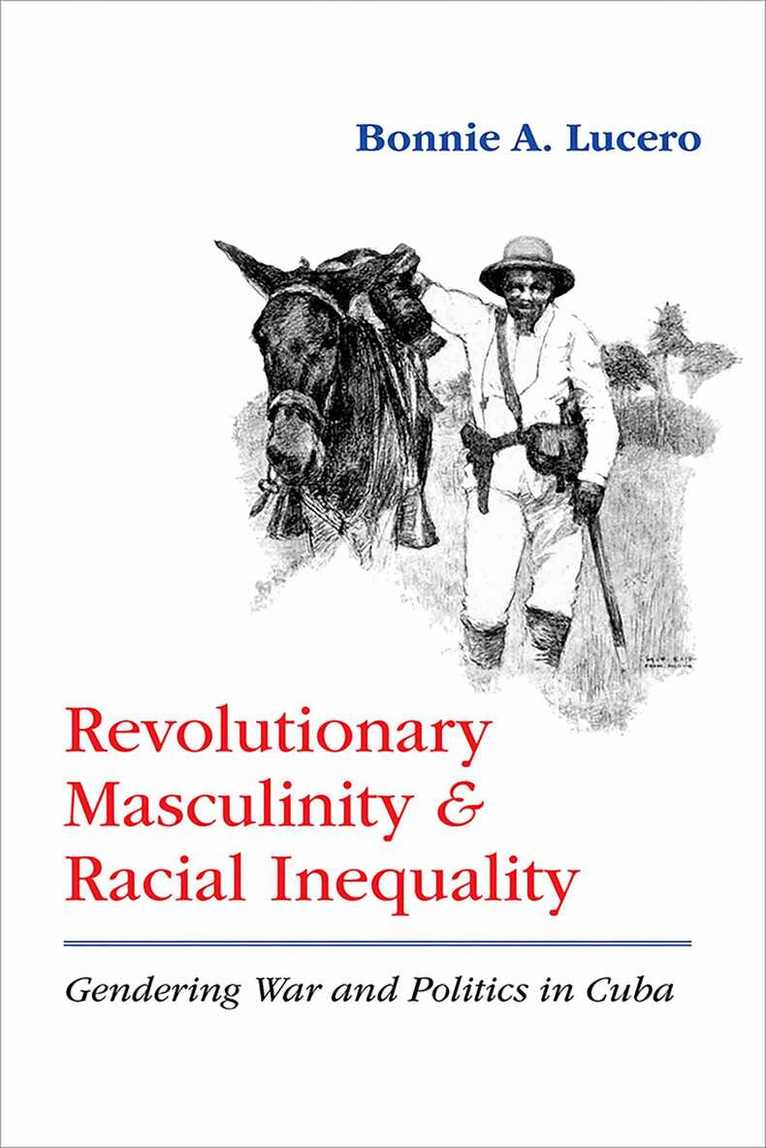
Revolutionary Masculinity and Racial Inequality
Gendering War and Politics in Cuba
Häftad, Engelska, 2021
609 kr
Skickas inom 3-6 vardagar
One of the most paradoxical aspects of Cuban history is the coexistence of national myths of racial harmony with lived experiences of racial inequality. Here a historian addresses this issue by examining the ways soldiers and politicians coded their discussions of race in ideas of masculinity during Cuba's transition from colony to republic. Cuban insurgents, the author shows, rarely mentioned race outright. Instead, they often expressed their attitudes toward racial hierarchy through distinctly gendered language--revolutionary masculinity.By examining the relationship between historical experiences of race and discourses of masculinity, Lucero advances understandings about how racial exclusion functioned in a supposedly raceless society. Revolutionary masculinity, she shows, outwardly reinforced the centrality of color blindness to Cuban ideals of manhood at the same time as it perpetuated exclusion of Cubans of African descent from positions of authority.
2 372 kr
Kommande
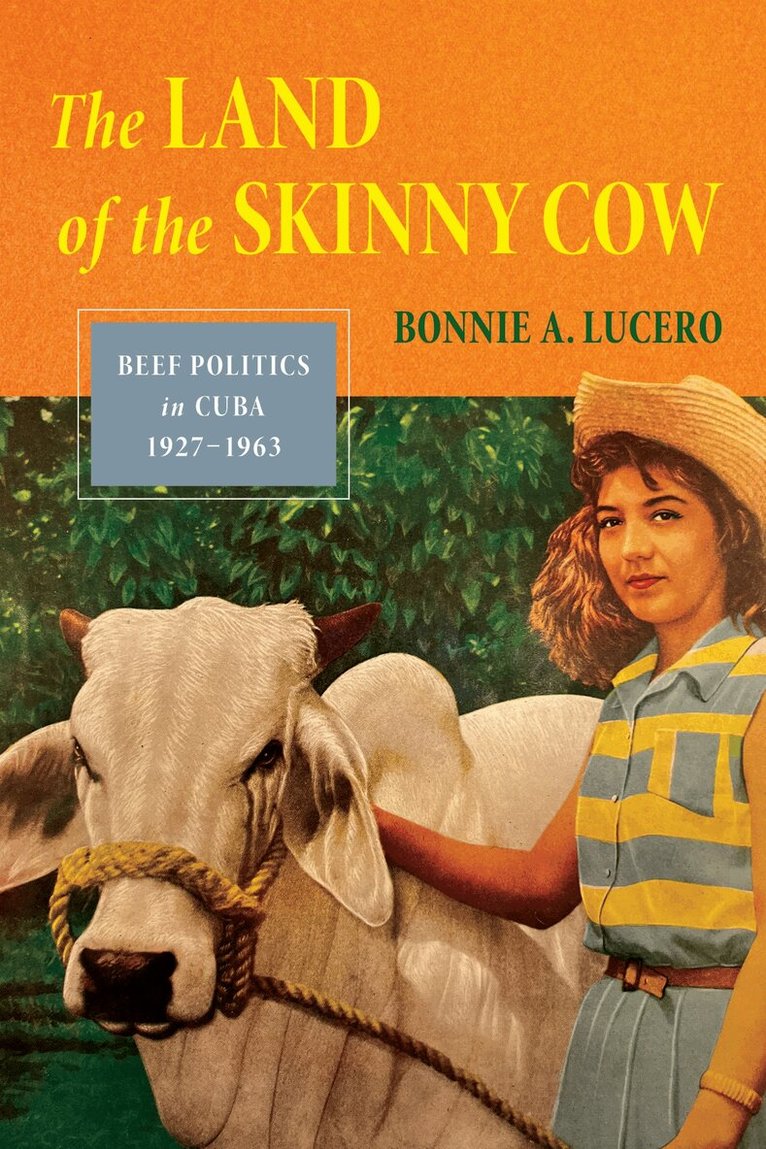
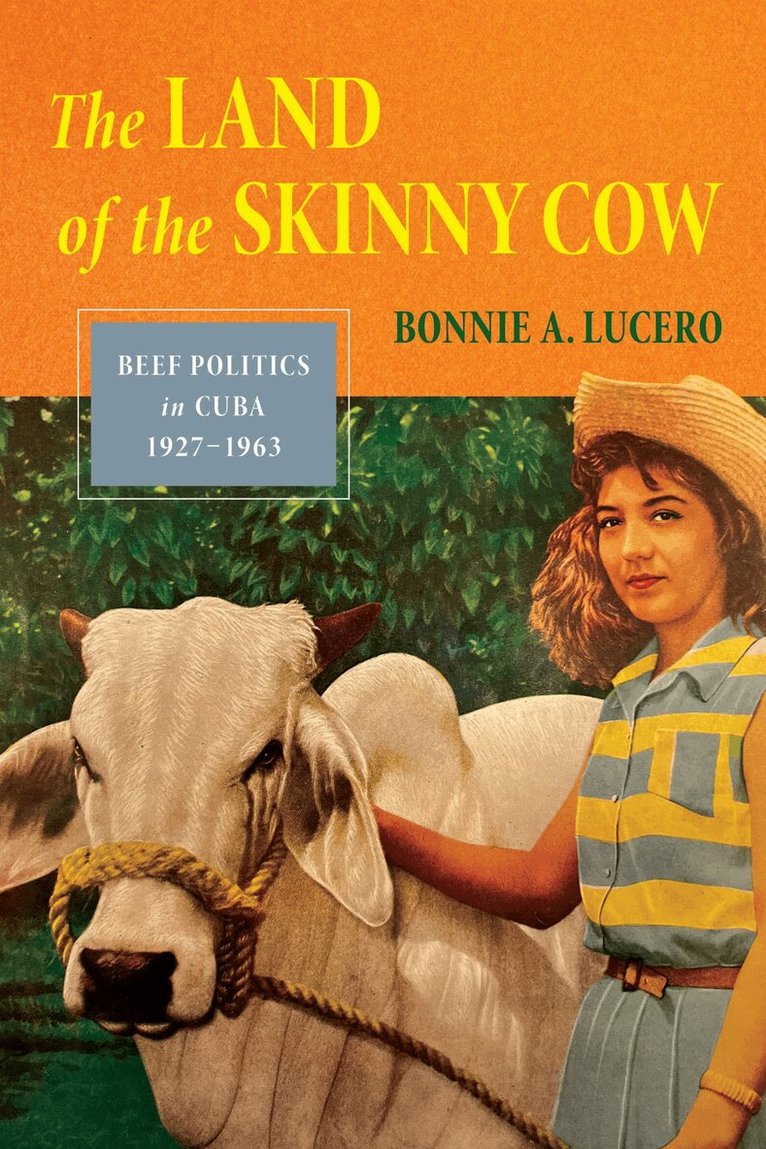
Beef looms large in Cuban history. Today, it is one of the most coveted food items, and so scarce that most ordinary Cubans cannot hope to consume it without a doctor's prescription. In this book, Bonnie A. Lucero challenges popular narratives that attribute beef scarcity to the failures of the Cuban Revolution. Analyzing Cuba's expansive print culture and original manuscripts from archives in five countries, Lucero exposes the complex array of factors, both natural and artificial, that plagued Cuba's cattle industry from the onset of protectionism in 1927 through the implementation of the 1959 Agrarian Reform. In doing so, she traces the political reverberations of Cuba's cultural taste for beef, and offers a new lens on the logics of freedom, prosperity, and democracy.Lucero reveals that Cuba's beef and cattle industries were mired in deep conflict for decades preceding the Cuban Revolution. Beginning in the 1920s, she shows how power struggles between ranchers, industrialists, workers, retailers, and government magnified environmental limitations to provoke a series of crises in these industries, resulting in recurring beef shortages. Simultaneously, she examines how beef politics during the republican period contributed to grassroots militancy: political elites courted popular support by positioning themselves as guarantors of access to beef, but repeated failures to deliver on this promise ultimately alienated their constituencies. Revising the misconceptions surrounding beef scarcity and exposing surprising continuities before and after the Revolution, this book offers a transformative contribution to Cuban economic, political, and agricultural history, as well as wider histories of food, meat, and their politics.
626 kr
Kommande
Beef looms large in Cuban history. Today, it is one of the most coveted food items, and so scarce that most ordinary Cubans cannot hope to consume it without a doctor's prescription. In this book, Bonnie A. Lucero challenges popular narratives that attribute beef scarcity to the failures of the Cuban Revolution. Analyzing Cuba's expansive print culture and original manuscripts from archives in five countries, Lucero exposes the complex array of factors, both natural and artificial, that plagued Cuba's cattle industry from the onset of protectionism in 1927 through the implementation of the 1959 Agrarian Reform. In doing so, she traces the political reverberations of Cuba's cultural taste for beef, and offers a new lens on the logics of freedom, prosperity, and democracy.Lucero reveals that Cuba's beef and cattle industries were mired in deep conflict for decades preceding the Cuban Revolution. Beginning in the 1920s, she shows how power struggles between ranchers, industrialists, workers, retailers, and government magnified environmental limitations to provoke a series of crises in these industries, resulting in recurring beef shortages. Simultaneously, she examines how beef politics during the republican period contributed to grassroots militancy: political elites courted popular support by positioning themselves as guarantors of access to beef, but repeated failures to deliver on this promise ultimately alienated their constituencies. Revising the misconceptions surrounding beef scarcity and exposing surprising continuities before and after the Revolution, this book offers a transformative contribution to Cuban economic, political, and agricultural history, as well as wider histories of food, meat, and their politics.