Bram Van Oostveldt – författare
Visar alla böcker från författaren Bram Van Oostveldt. Handla med fri frakt och snabb leverans.
7 produkter
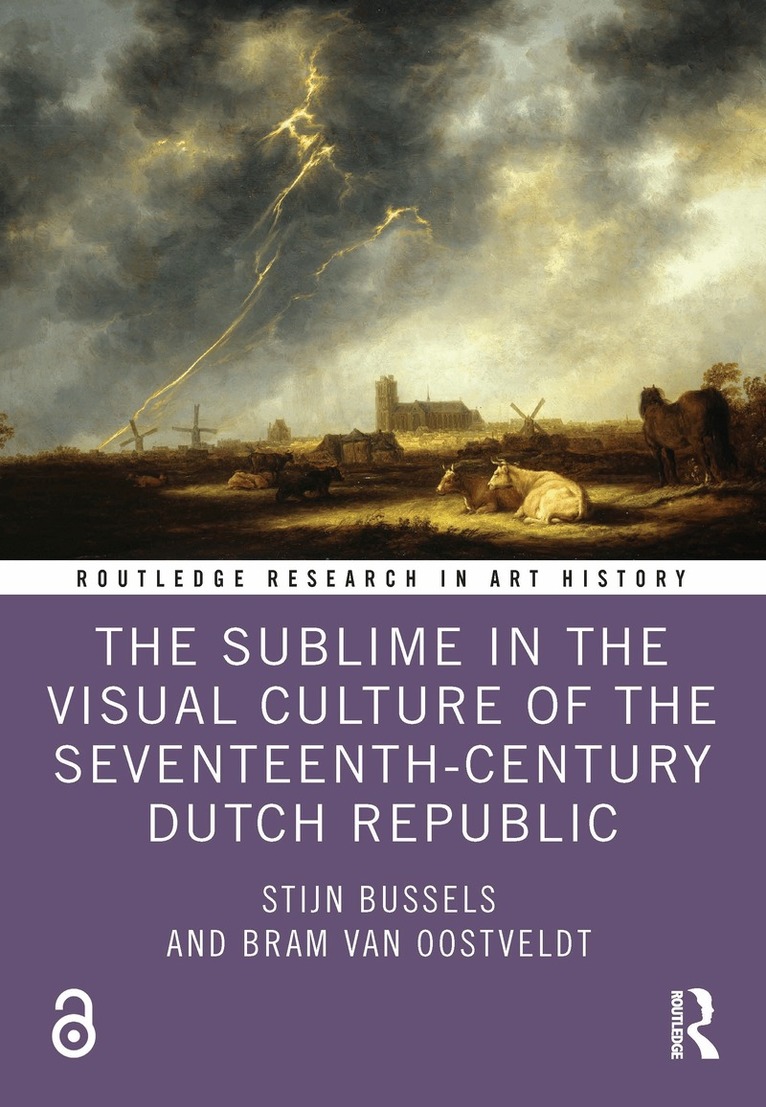
Sublime in the Visual Culture of the Seventeenth-Century Dutch Republic
Av Stijn Bussels, Bram Van Oostveldt
Inbunden, 2023
2504 kr
Lägg i varukorg
Contrary to what Kant believed about the Dutch (and their visual culture) as “being of an orderly and diligent position” and thus having no feeling for the sublime, this book argues that the sublime played an important role in seventeenth-century Dutch visual culture.By looking at different …
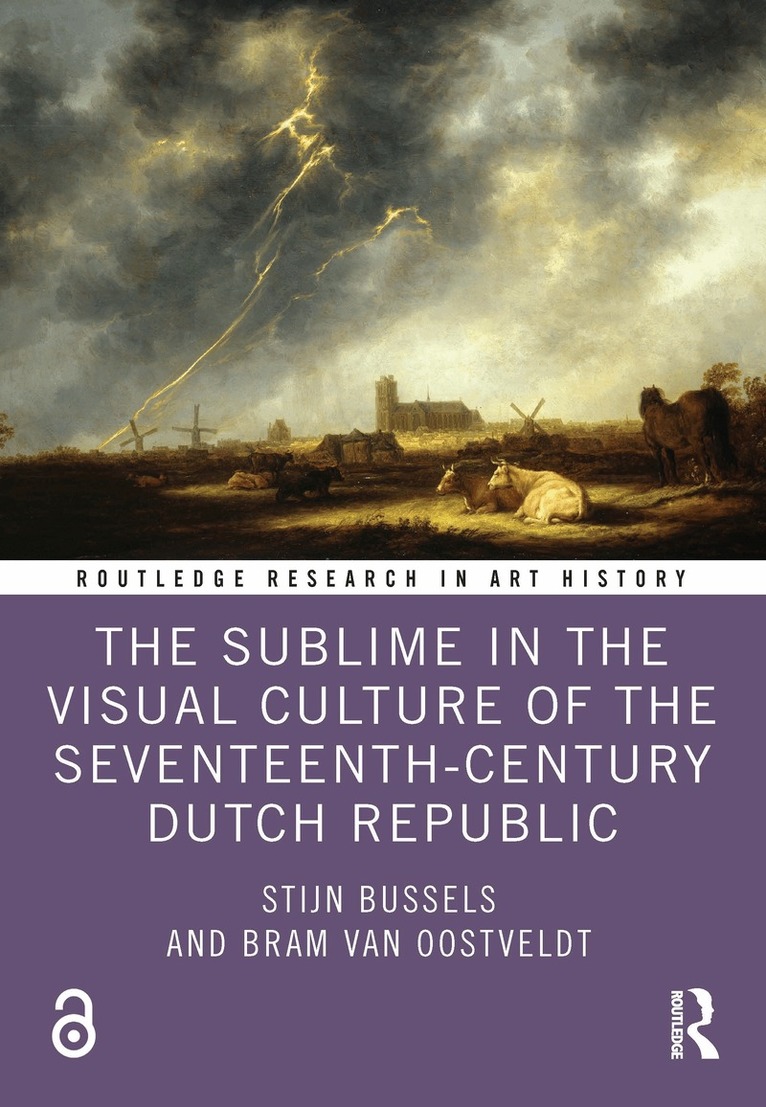
Sublime in the Visual Culture of the Seventeenth-Century Dutch Republic
Av Stijn Bussels, Bram Van Oostveldt
Häftad, 2025
725 kr
Lägg i varukorg
Contrary to what Kant believed about the Dutch (and their visual culture) as “being of an orderly and diligent position” and thus having no feeling for the sublime, this book argues that the sublime played an important role in seventeenth-century Dutch visual culture.By looking at different …
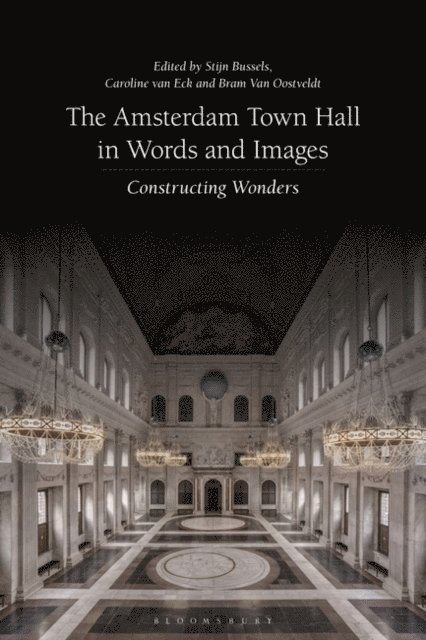
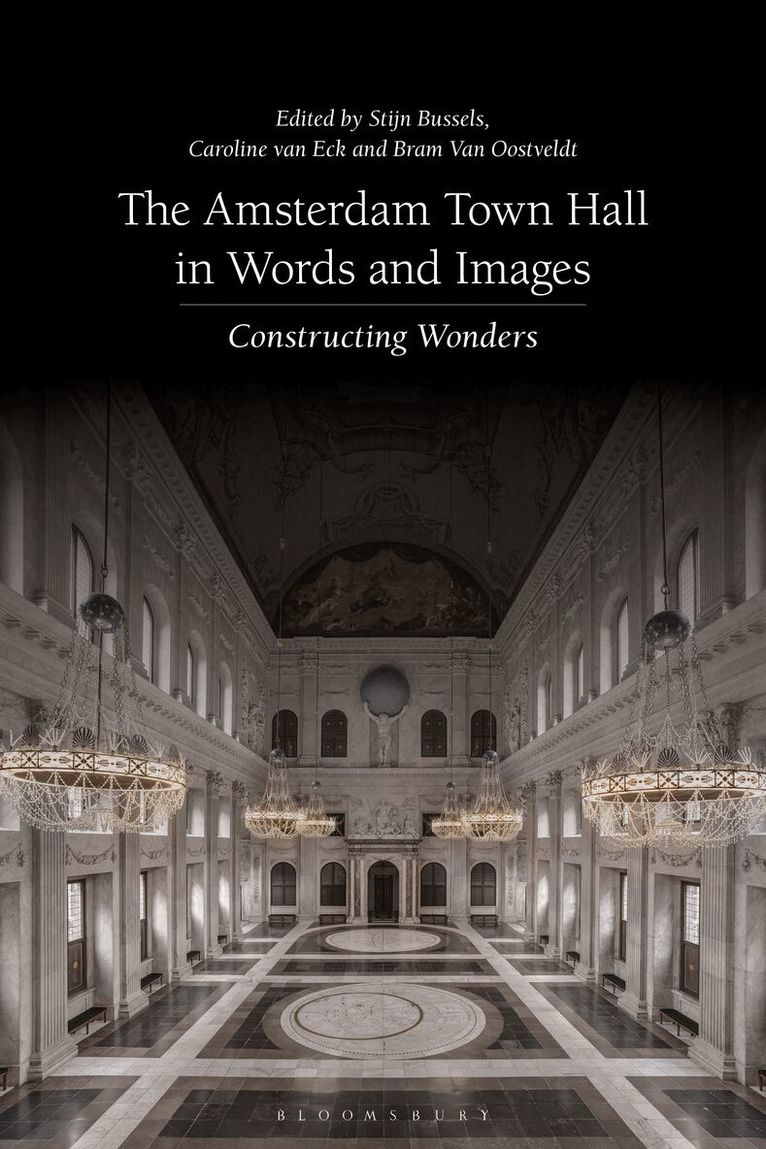
Amsterdam Town Hall in Words and Images
Constructing Wonders
Av Stijn Bussels, Caroline Van Eck m. fl.
E-bok, 2021
482 kr
Lägg i varukorg
The most famous monument of the Dutch Golden Age is undoubtedly the Amsterdam Town Hall by architect Jacob van Campen inaugurated in 1655. Today we stand in awe confronted with the grand Classicist façade, the delightful horror of the sculptures in the Tribunal, and the magnificence of the huge …
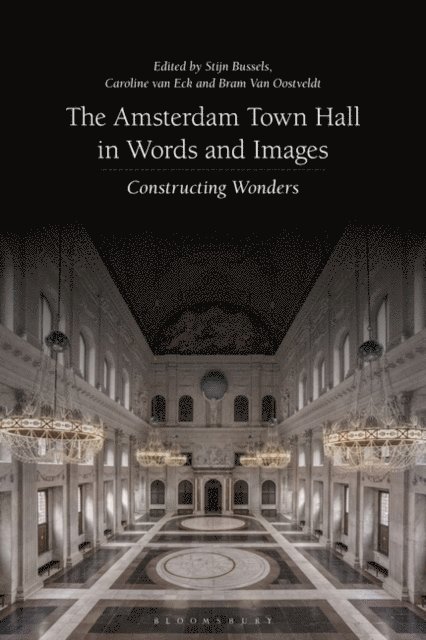
Amsterdam Town Hall in Words and Images
Constructing Wonders
Av Stijn Bussels, Caroline Van Eck m. fl.
E-bok, 2021
466 kr
Lägg i varukorg
The most famous monument of the Dutch Golden Age is undoubtedly the Amsterdam Town Hall by architect Jacob van Campen inaugurated in 1655. Today we stand in awe confronted with the grand Classicist façade, the delightful horror of the sculptures in the Tribunal, and the magnificence of the huge …
Amsterdam Town Hall in Words and Images
Constructing Wonders
Av Stijn Bussels, Caroline Van Eck m. fl.
Häftad, 2022
442 kr
Lägg i varukorg
The most famous monument of the Dutch Golden Age is undoubtedly the Amsterdam Town Hall by architect Jacob van Campen inaugurated in 1655. Today we stand in awe confronted with the grand Classicist façade, the delightful horror of the sculptures in the Tribunal, and the magnificence of the huge …
Antoine Wiertz (1806-65) and the Quest for Modern Genius
The Reverse of the Sublime
Av Bram Van Oostveldt, Stijn Bussels m. fl.
Inbunden, 2025
1527 kr
Lägg i varukorg
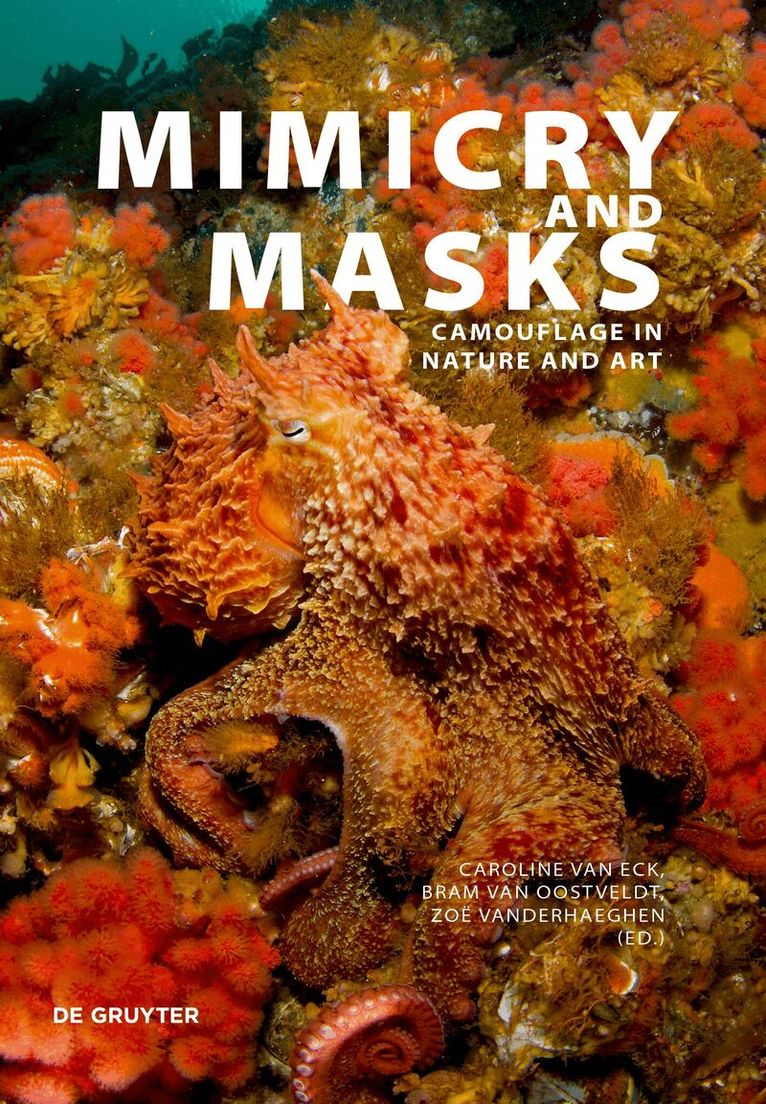
Mimicry and Masks
Camouflage in Nature and Art
Av Caroline van Eck, Bram van Oostveldt m. fl.
Inbunden, 2026
687 kr
Kommande
This book is the first to contribute to the pre-history of camouflage, that is its history before its codification in Evolution Theory in the 1860s and 70s, and military use in World War I. Its history is in fact much older, going back to the zoological writings of Aristotle and observations of …