Caroline van Eck – författare
Visar alla böcker från författaren Caroline van Eck. Handla med fri frakt och snabb leverans.
25 produkter
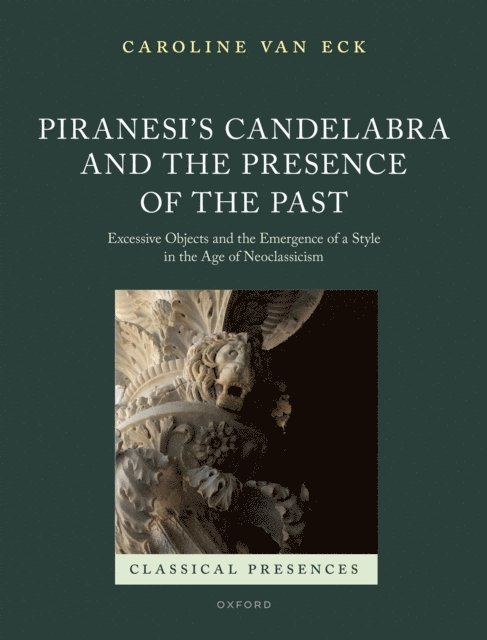
Piranesi's Candelabra and the Presence of the Past
Excessive Objects and the Emergence of a Style in the Age of Neoclassicism
E-bok, 2023
1227 kr
Lägg i varukorg
Near the end of his life, Giovanni Battista Piranesi (1720-78) created three colossal candelabra mainly from fragments of sculpture excavated near the Villa Hadriana in Tivoli, two of which are now in the Ashmolean Museum, and one in the Louvre. Although they were among the most sought-after and …
Piranesi's Candelabra and the Presence of the Past
Excessive Objects and the Emergence of a Style in the Age of Neoclassicism
E-bok, 2023
1227 kr
Lägg i varukorg
Near the end of his life, Giovanni Battista Piranesi (1720-78) created three colossal candelabra mainly from fragments of sculpture excavated near the Villa Hadriana in Tivoli, two of which are now in the Ashmolean Museum, and one in the Louvre. Although they were among the most sought-after and …
Piranesi's Candelabra and the Presence of the Past
Excessive Objects and the Emergence of a Style in the Age of Neoclassicism
Inbunden, 2023
1373 kr
Lägg i varukorg
Near the end of his life, Giovanni Battista Piranesi (1720-78) created three colossal candelabra mainly from fragments of sculpture excavated near the Villa Hadriana in Tivoli, two of which are now in the Ashmolean Museum, and one in the Louvre. Although they were among the most sought-after and …
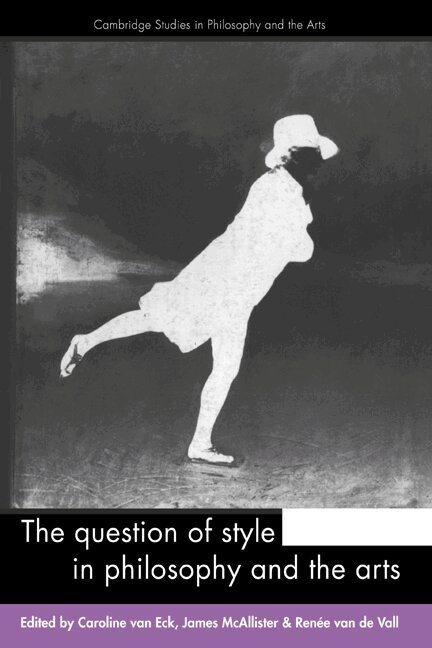
The Question of Style in Philosophy and the Arts
Av Caroline van Eck, James McAllister m. fl.
Häftad, 2010
618 kr
Lägg i varukorg
The eighteenth and nineteenth centuries witnessed a change in the perception of the arts and of philosophy. In the arts this transition occurred around 1800, with, for instance, the breakdown of Vitruvianism in architecture, while in philosophy the foundationalism of which Descartes and Spinoza …
The Question of Style in Philosophy and the Arts
Av Caroline van Eck, James McAllister m. fl.
Inbunden, 1995
1970 kr
Lägg i varukorg
The eighteenth and nineteenth centuries witnessed a change in the perception of the arts and of philosophy. In the arts this transition occurred around 1800, with, for instance, the breakdown of Vitruvianism in architecture, while in philosophy the foundationalism of which Descartes and Spinoza …
Dealing with the Visual
Art History, Aesthetics and Visual Culture
Av Caroline van Eck, Edward Winters
Inbunden, 2017
2586 kr
Lägg i varukorg
One of the issues underlying current debates between practitioners of art history, visual culture and aesthetics is whether the visual is a unique, irreducible category, or whether it can be assimilated with the textual or verbal without any significant loss. Can paintings, buildings or …
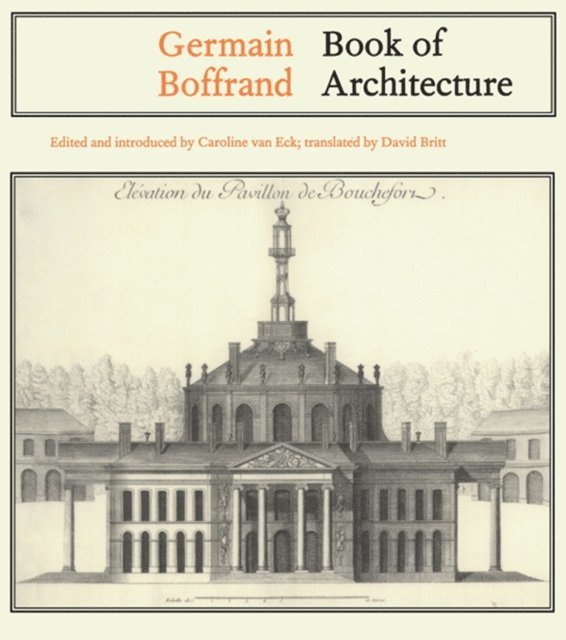
Germain Boffrand
Book of Architecture
Av Caroline van Eck, Caroline van Eck
Häftad, 2026
487 kr
Lägg i varukorg
This title was first published in 2002. Germain Boffrand was one of the great French architects of the early eighteenth century. His work encompassed not only the design of town and country houses for the wealthy but also mines, bridges and hospitals. His Livre d’Architecture is one of the most …
Dealing with the Visual
Art History, Aesthetics and Visual Culture
Av Caroline van Eck, Edward Winters
Häftad, 2022
547 kr
Lägg i varukorg
One of the issues underlying current debates between practitioners of art history, visual culture and aesthetics is whether the visual is a unique, irreducible category, or whether it can be assimilated with the textual or verbal without any significant loss. Can paintings, buildings or …
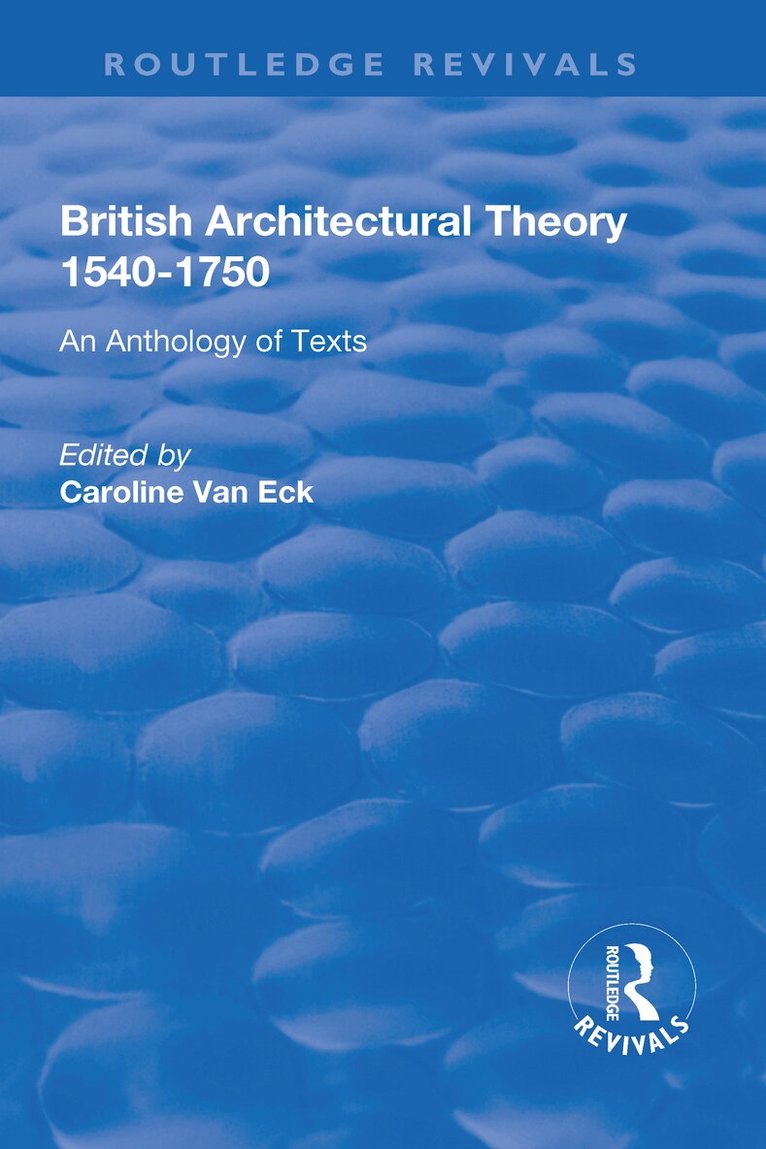
British Architectural Theory 1540-1750
An Anthology of Texts
Häftad, 2019
560 kr
Lägg i varukorg
This book was published in 2003. Although it is often assumed that British writing on architectural theory really started in the 18th century, there is in fact a large corpus of writing on architecture pre-dating the introduction of Palladianism by Lord Burlington. Some of it, such as the English …
British Architectural Theory 1540-1750
An Anthology of Texts
Inbunden, 2017
1521 kr
Lägg i varukorg
This book was published in 2003.Although it is often assumed that British writing on architectural theory really started in the 18th century, there is in fact a large corpus of writing on architecture pre-dating the introduction of Palladianism by Lord Burlington. Some of it, such as the English …
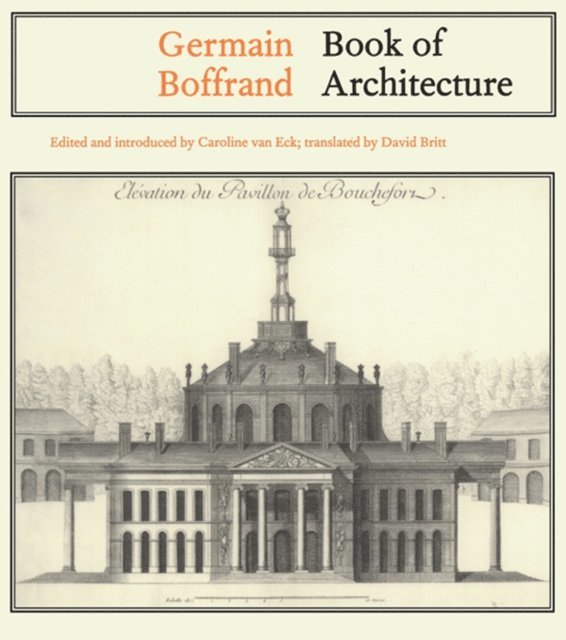
Germain Boffrand
Book of Architecture
Av Caroline van Eck, Caroline van Eck
Inbunden, 2025
1567 kr
Lägg i varukorg
This title was first published in 2002. Germain Boffrand was one of the great French architects of the early eighteenth century. His work encompassed not only the design of town and country houses for the wealthy but also mines, bridges and hospitals. His Livre d’Architecture is one of the most …
Amsterdam Town Hall in Words and Images
Constructing Wonders
Av Stijn Bussels, Caroline Van Eck m. fl.
E-bok, 2021
482 kr
Lägg i varukorg
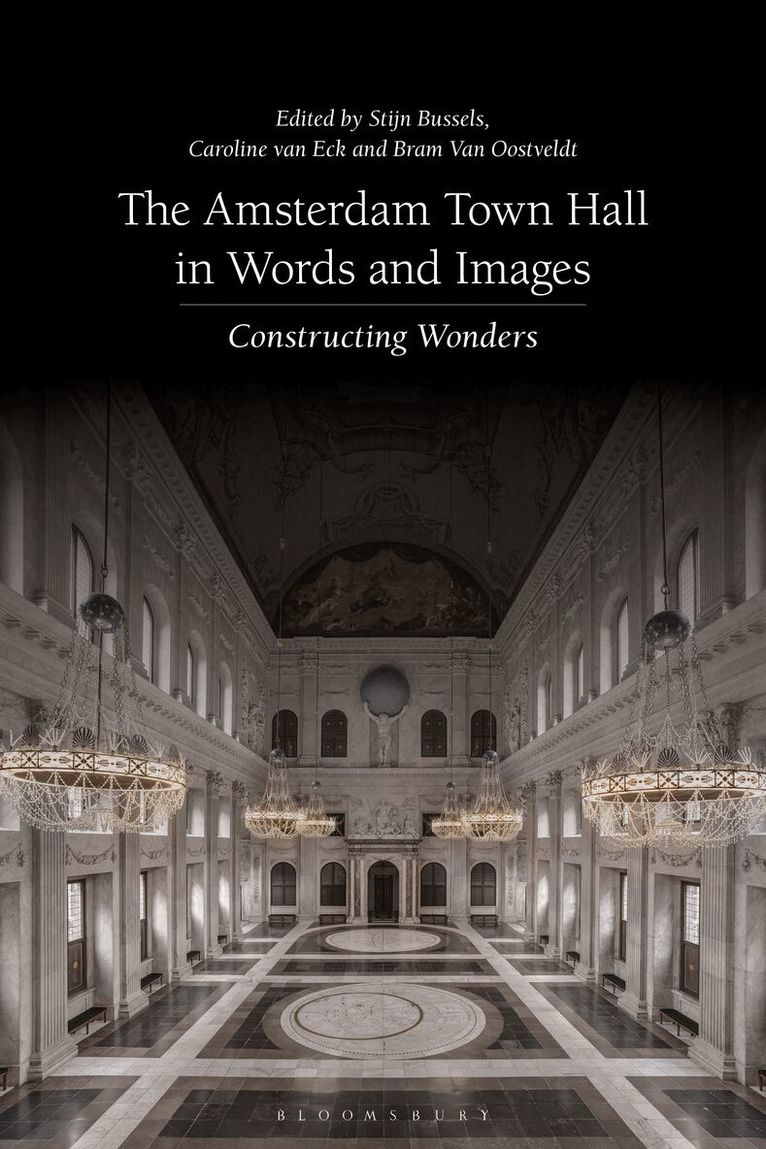
The most famous monument of the Dutch Golden Age is undoubtedly the Amsterdam Town Hall by architect Jacob van Campen inaugurated in 1655. Today we stand in awe confronted with the grand Classicist façade, the delightful horror of the sculptures in the Tribunal, and the magnificence of the huge …
Amsterdam Town Hall in Words and Images
Constructing Wonders
Av Stijn Bussels, Caroline Van Eck m. fl.
E-bok, 2021
466 kr
Lägg i varukorg
The most famous monument of the Dutch Golden Age is undoubtedly the Amsterdam Town Hall by architect Jacob van Campen inaugurated in 1655. Today we stand in awe confronted with the grand Classicist façade, the delightful horror of the sculptures in the Tribunal, and the magnificence of the huge …
Amsterdam Town Hall in Words and Images
Constructing Wonders
Av Stijn Bussels, Caroline Van Eck m. fl.
Häftad, 2022
444 kr
Lägg i varukorg
The most famous monument of the Dutch Golden Age is undoubtedly the Amsterdam Town Hall by architect Jacob van Campen inaugurated in 1655. Today we stand in awe confronted with the grand Classicist façade, the delightful horror of the sculptures in the Tribunal, and the magnificence of the huge …
Dealing with the Visual
Art History, Aesthetics and Visual Culture
Av Edward Winters, Caroline van Eck
E-bok, 2017
624 kr
Lägg i varukorg
One of the issues underlying current debates between practitioners of art history, visual culture and aesthetics is whether the visual is a unique, irreducible category, or whether it can be assimilated with the textual or verbal without any significant loss. Can paintings, buildings or …
Dealing with the Visual
Art History, Aesthetics and Visual Culture
Av Edward Winters, Caroline van Eck
E-bok, 2017
610 kr
Lägg i varukorg
One of the issues underlying current debates between practitioners of art history, visual culture and aesthetics is whether the visual is a unique, irreducible category, or whether it can be assimilated with the textual or verbal without any significant loss. Can paintings, buildings or …
Germain Boffrand
Book of Architecture Containing the General Principles of the Art and the Plans, Elevations and Sections of some of the Edifices Built in France and in Foreign Countries
Av Caroline van Eck, Caroline van Eck
E-bok, 2017
559 kr
Lägg i varukorg
This title was first published in 2003. Germain Boffrand was one of the great French architects of the early eighteenth century. His work encompassed not only the design of town and country houses for the wealthy but also mines, bridges and hospitals. His Livre d’Architecture is one of the most …
Germain Boffrand
Book of Architecture Containing the General Principles of the Art and the Plans, Elevations and Sections of some of the Edifices Built in France and in Foreign Countries
Av Caroline van Eck, Caroline van Eck
E-bok, 2017
571 kr
Lägg i varukorg
This title was first published in 2003. Germain Boffrand was one of the great French architects of the early eighteenth century. His work encompassed not only the design of town and country houses for the wealthy but also mines, bridges and hospitals. His Livre d’Architecture is one of the most …
British Architectural Theory 1540-1750
An Anthology of Texts
E-bok, 2018
260 kr
Lägg i varukorg
This title was published in 2003.Although it is often assumed that British writing on architectural theory really started in the 18th century, there is in fact a large corpus of writing on architecture pre-dating the introduction of Palladianism by Lord Burlington. Some of it, such as the English …
British Architectural Theory 1540-1750
An Anthology of Texts
E-bok, 2018
260 kr
Lägg i varukorg
This title was published in 2003.Although it is often assumed that British writing on architectural theory really started in the 18th century, there is in fact a large corpus of writing on architecture pre-dating the introduction of Palladianism by Lord Burlington. Some of it, such as the English …
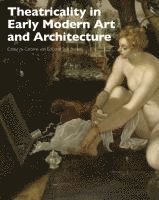
Theatricality in Early Modern Art and Architecture
Av Caroline van Eck, Stijn Bussels
Häftad, 2011
354 kr
Lägg i varukorg
Theatricality in Early Modern Art and Architecture offers the first systematic investigation of exchanges between the arts, architecture and the theatre.The authors present many new instances of the interaction between the arts, providing a theoretical and historiographical context for these …
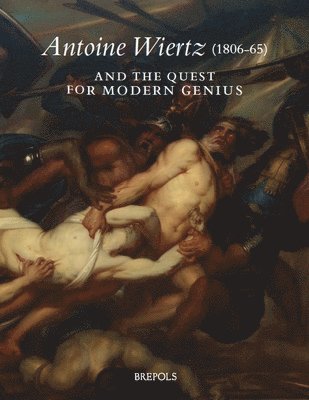
Antoine Wiertz (1806-65) and the Quest for Modern Genius
The Reverse of the Sublime
Av Bram Van Oostveldt, Stijn Bussels m. fl.
Inbunden, 2025
1527 kr
Lägg i varukorg
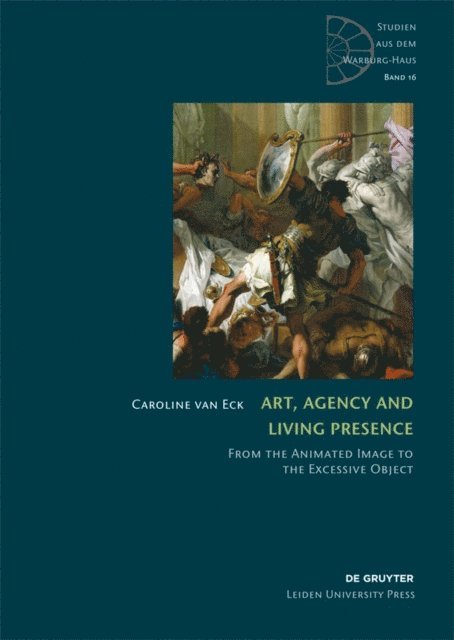
Art, Agency and Living Presence
From the Animated Image to the Excessive Object
E-bok, 2015
1166 kr
Lägg i varukorg
Throughout history, and all over the world, viewers have treated works of art as if they are living beings: speaking to them, falling in love with them, kissing or beating them. Although over the past 20 years the catalogue of individual cases of such behavior towards art has increased immensely, …
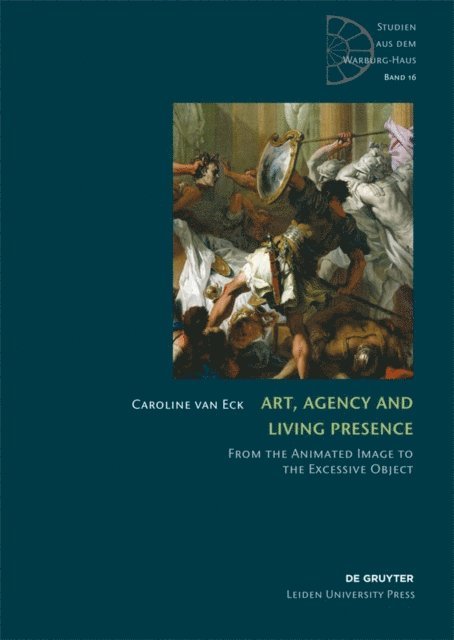
Art, Agency and Living Presence
From the Animated Image to the Excessive Object
E-bok, 2015
1205 kr
Lägg i varukorg
Throughout history, and all over the world, viewers have treated works of art as if they are living beings: speaking to them, falling in love with them, kissing or beating them. Although over the past 20 years the catalogue of individual cases of such behavior towards art has increased immensely, …
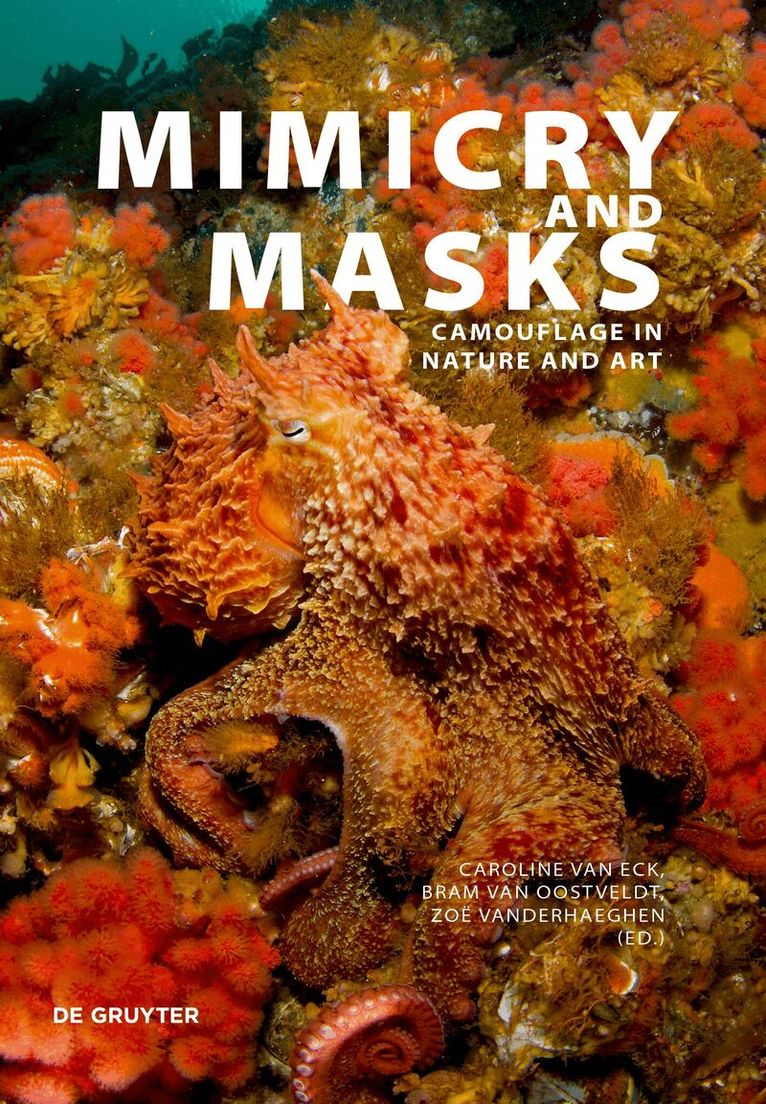
Mimicry and Masks
Camouflage in Nature and Art
Av Caroline van Eck, Bram van Oostveldt m. fl.
Inbunden, 2026
687 kr
Kommande
This book is the first to contribute to the pre-history of camouflage, that is its history before its codification in Evolution Theory in the 1860s and 70s, and military use in World War I. Its history is in fact much older, going back to the zoological writings of Aristotle and observations of …