• Fri frakt över 249 kr
  • •
  • Snabba leveranser
  • •
  • Billiga böcker
Kundservice

Du är på sajten för privatpersoner.

Företag, bibliotek eller offentlig verksamhet?

Du handlar på classic.bokus.com, där alla dina funktioner finns intakta.
Till classic.bokus.com
Bokus logotyp. Gå till startsidan.
  • Erbjudanden
  • Nyheter
  • Student
  • Topplistor
  • Barn & ungdom
  • Bokus Play
  • E-böcker
  • Pocketböcker
  • Spel & pussel

10% studentrabatt med kod TERM26

Sidfot

Mina sidor

    Hjälp

    • Kundservice
    • Vanliga frågor och svar
    • Frakt och leverans
    • Retur vid ångerrätt
    • Reklamera vara
    • Betalning
    • Köpvillkor
    • Allmänna villkor
    • Information om webbplatsens tillgänglighet

    Om Bokus

    • Om oss
    • Pressrum
    • För studenter
    • För företag
    • För bibliotek och offentlig verksamhet
    • För leverantörer
    • Hållbarhet

    Populärt

    • Aktuella erbjudanden
    • Presentkort
    • Studentlitteratur
    • Nya böcker
    • Topplistor
    • Signerade böcker
    • Engelska böcker

    Inspiration

    • Boktips
    • BookTok
    • Populära bokserier
    • Barnbokskaraktärer
    • Populära författare
    Logotyp för Bokus
    Följ oss på Facebook (extern länk)Följ oss på Instagram (extern länk)Följ oss på YouTube (extern länk)Följ oss på TikTok (extern länk)
    bokus @ CookiesAnpassa cookiesIntegritetspolicyKöpvillkor
    Till Citymail hemsida (extern länk)Till Budbee hemsida (extern länk)Till Postnord hemsida (extern länk)Till Schenker hemsida (extern länk)Till Early Bird hemsida (extern länk)Till Walleys hemsida (extern länk)
    1. Kultur
    2. Konstböcker
    3. Konsthistoria

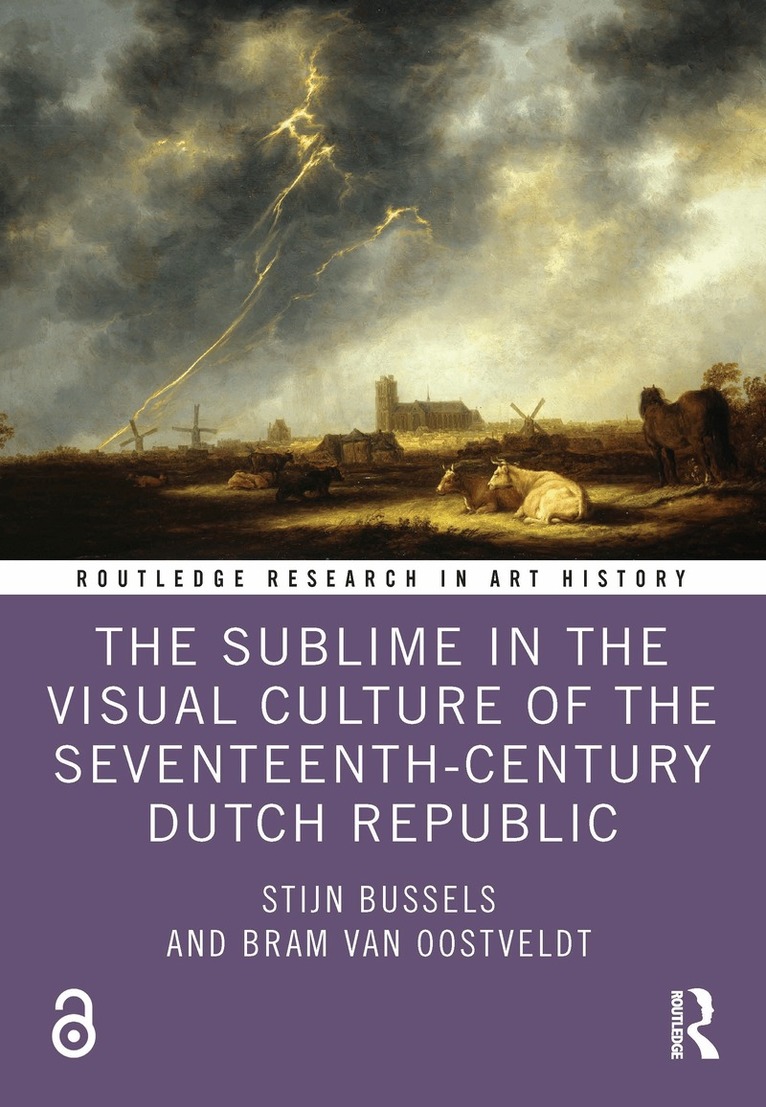
    Sublime in the Visual Culture of the Seventeenth-Century Dutch Republic

    AvStijn Bussels,Bram Van Oostveldt

    Häftad, Engelska, 2025

    Del i serien Routledge Research in Art History

    705 kr

    Beställningsvara. Skickas inom 10-15 vardagar. Fri frakt över 249 kr.

    Fler format och utgåvor

    Inbunden

    2 434 kr

    Beskrivning

    Contrary to what Kant believed about the Dutch (and their visual culture) as “being of an orderly and diligent position” and thus having no feeling for the sublime, this book argues that the sublime played an important role in seventeenth-century Dutch visual culture.By looking at different visualizations of exceptional heights, divine presence, political grandeur, extreme violence, and extraordinary artifacts, the authors demonstrate how viewers were confronted with the sublime, which evoked in them a combination of contrasting feelings of awe and fear, attraction and repulsion. In studying seventeenth-century Dutch visual culture through the lens of notions of the sublime, we can move beyond the traditional and still widespread views on Dutch art as the ultimate representation of everyday life and the expression of a prosperous society in terms of calmness, neatness, and order.The book will be of interest to scholars working in art history, visual culture, architectural history, and cultural history.The Open Access version of this book, available at www.taylorfrancis.com, has been made available under a Creative Commons Attribution-Non Commercial-No Derivatives (CC-BY-NC-ND 4.0) 4.0 International license. Funded by Ghent University.

    Produktinformation

    • Utgivningsdatum:2025-07-30
    • Mått:174 x 246 x undefined mm
    • Vikt:380 g
    • Format:Häftad
    • Språk:Engelska
    • Serie:Routledge Research in Art History
    • Antal sidor:208
    • Förlag:Taylor & Francis Ltd
    • ISBN:9781032375885

    Utforska kategorier

    • Konsthistoria inom Kultur
    • Europas historia inom Historia och arkeologi

    Mer om författaren

    Stijn P.M. Bussels is Professor of Art History and Head of the Department of Art History at Leiden University Centre of the Arts in Society.Bram Van Oostveldt is Associate Professor at the Department of Art, Music and Theatre Studies at Ghent University.

    Recensioner i media

    "Bussels and Van Oostveldt convincingly characterize how the sublime could manifest in the Dutch Republic, providing a real or imagined visual experience for their viewers. The authors provide a strong case for adding the sublime into the lexicon for analyzing Dutch visual culture."-- Renaissance Quarterly"“[This book] consider[s] how viewers regard art works, both visually and through haptic experience; and how viewers respond, intellectually, emotionally, and spiritually, through related ideas."-- Religion and the Arts (v.28), Brill.com"[W]hether engaging with the tension between the sublime and religion (particularly the fear instilled by contact with the divine), or magnificence in architecture or the landscape, the authors carefully establish an analytical framework that relies on transmediality and consider a wide range of textual sources in order to generate new perspectives on the sublime."-- Similious (v. 46)

    Innehållsförteckning

    • Introduction Part 1 1. Hupsos: Franciscus Junius and the Reception of On the Sublime 2. Sublimis and le merveilleux: Dramatizing, Performing, and Picturing Phaethon’s Fall Part 2 3. Vreese Godts: The Sublime and the Disappearance of God 4. Sublime Landscapes and Seascapes Part 3 5. Magnificence: The Politics of Architecture 6. The Medusean Gaze: Terror and the Sublime 7. Wonder by Touch Conclusion