Brian D. Hodges – författare
Visar alla böcker från författaren Brian D. Hodges. Handla med fri frakt och snabb leverans.
11 produkter
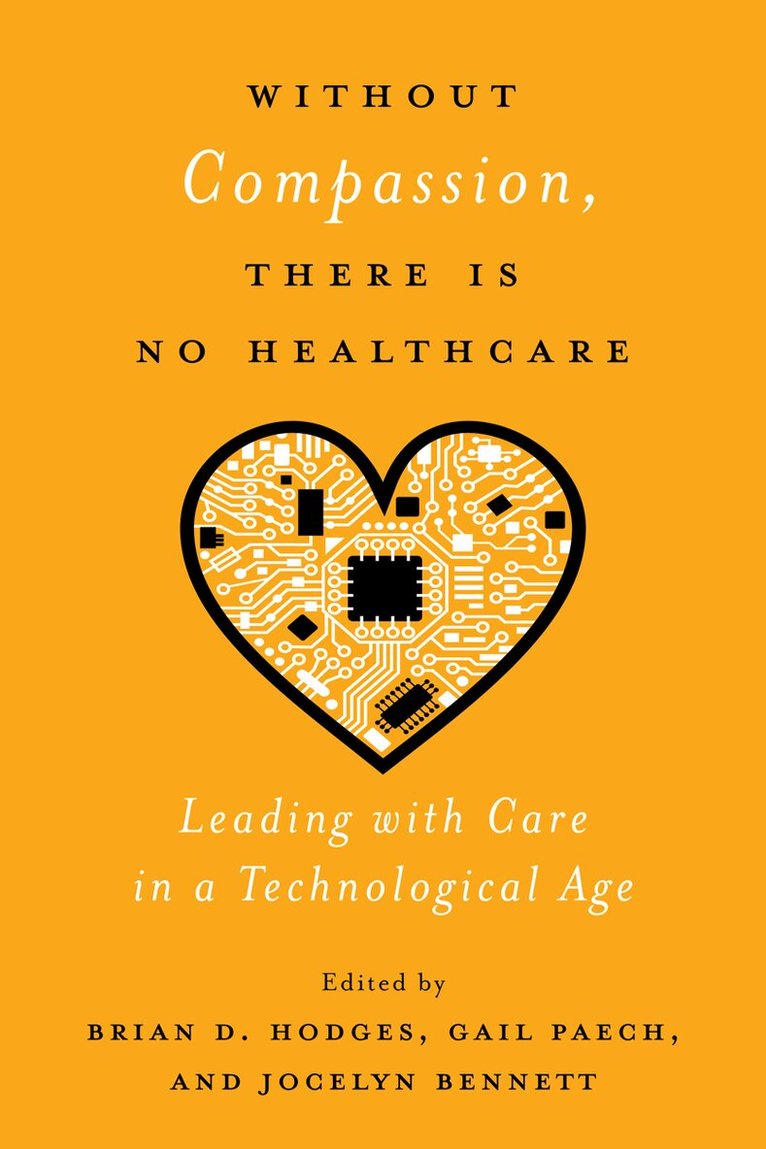
Without Compassion, There Is No Healthcare
Leading with Care in a Technological Age
Av Brian D. Hodges, Gail Paech m. fl.
Häftad, 2020
396 kr
Lägg i varukorg
New technologies are transforming healthcare work and changing how patients interact with healthcare providers. As artificial intelligence systems, robotics, and data analytics become more sophisticated, some clinical tasks will become obsolete and others will be reconfigured. While it is not …
Without Compassion, There Is No Healthcare
Leading with Care in a Technological Age
Av Jocelyn Bennett, Gail Paech m. fl.
E-bok, 2020
397 kr
Lägg i varukorg
New technologies are transforming healthcare work and changing how patients interact with healthcare providers. As artificial intelligence systems, robotics, and data analytics become more sophisticated, some clinical tasks will become obsolete and others will be reconfigured. While it is not …
Without Compassion, There Is No Healthcare
Leading with Care in a Technological Age
Av Jocelyn Bennett, Gail Paech m. fl.
E-bok, 2020
397 kr
Lägg i varukorg
New technologies are transforming healthcare work and changing how patients interact with healthcare providers. As artificial intelligence systems, robotics, and data analytics become more sophisticated, some clinical tasks will become obsolete and others will be reconfigured. While it is not …
Examined
How Tests Shape What We Learn and Who We Are
Av Brian D. Hodges, Sarah Whyte
Häftad, 2027
406 kr
Kommande
Examinations influence not only what we know but who we become as individuals and societies. Yet examination technologies are often fundamentally misaligned with learning, instead prioritizing measurement and quality control – outcomes that artificial intelligence tools are poised to powerfully …
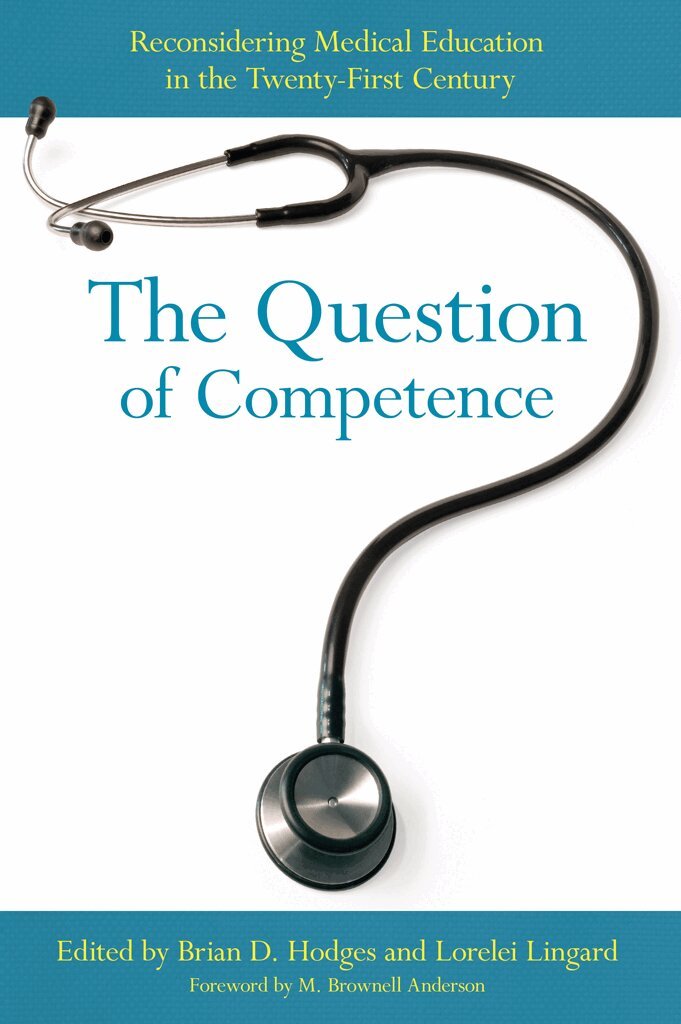
Question of Competence
Reconsidering Medical Education in the Twenty-First Century
Av Brian D. Hodges, Lorelei Lingard
Inbunden, 2012
734 kr
Lägg i varukorg
Medical competence is a hot topic surrounded by much controversy about how to define competency, how to teach it, and how to measure it. While some debate the pros and cons of competence-based medical education and others explain how to achieve various competencies, the authors of the seven …
Creating the Health Care Team of the Future
The Toronto Model for Interprofessional Education and Practice
Av Sioban Nelson, Maria Tassone m. fl.
Inbunden, 2014
1694 kr
Lägg i varukorg
One way to significantly improve the delivery of health care is to teach the health professionals who provide care to work together, to communicate with each other across professional boundaries, and to start to think and act like a team that has the patient at its center. The team-based care …
Creating the Health Care Team of the Future
The Toronto Model for Interprofessional Education and Practice
Av Sioban Nelson, Maria Tassone m. fl.
Häftad, 2014
487 kr
Lägg i varukorg
One way to significantly improve the delivery of health care is to teach the health professionals who provide care to work together, to communicate with each other across professional boundaries, and to start to think and act like a team that has the patient at its center. The team-based care …
Question of Competence
Reconsidering Medical Education in the Twenty-First Century
Av Brian D. Hodges, Lorelei Lingard
Häftad, 2014
460 kr
Lägg i varukorg
Medical competence is a hot topic surrounded by much controversy about how to define competency, how to teach it, and how to measure it. While some debate the pros and cons of competence-based medical education and others explain how to achieve various competencies, the authors of the seven …
Without Compassion, There Is No Healthcare
Leading with Care in a Technological Age
Av Brian D. Hodges, Gail Paech m. fl.
Inbunden, 2020
1447 kr
Tillfälligt slut
New technologies are transforming healthcare work and changing how patients interact with healthcare providers. As artificial intelligence systems, robotics, and data analytics become more sophisticated, some clinical tasks will become obsolete and others will be reconfigured. While it is not …