Bruce Graver – författare
Visar alla böcker från författaren Bruce Graver. Handla med fri frakt och snabb leverans.
3 produkter
3 produkter
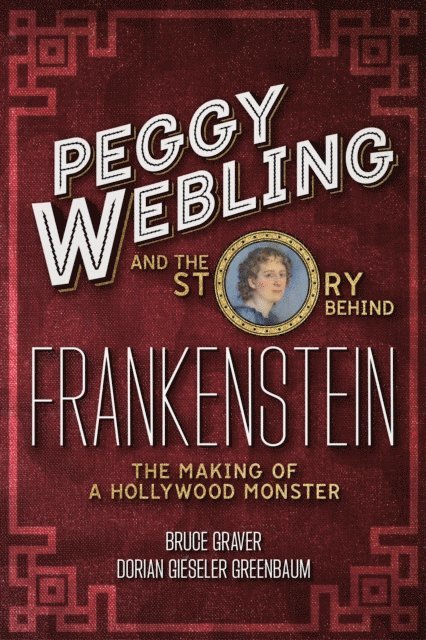
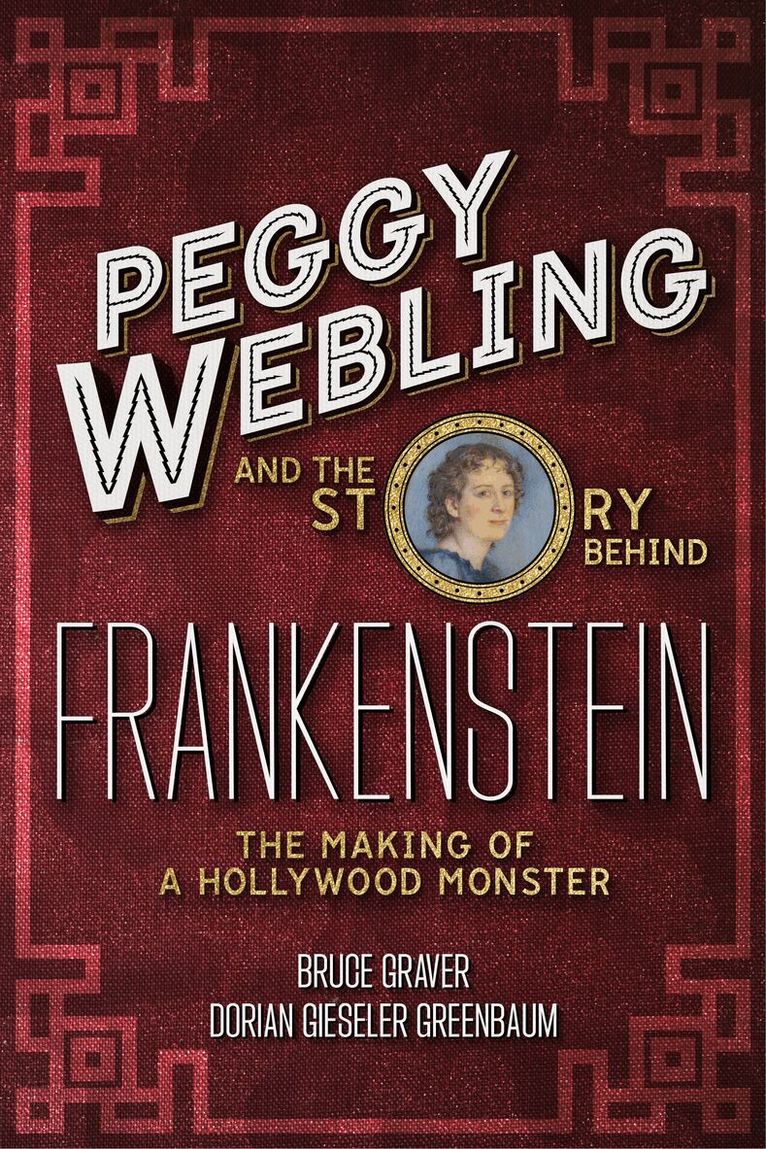
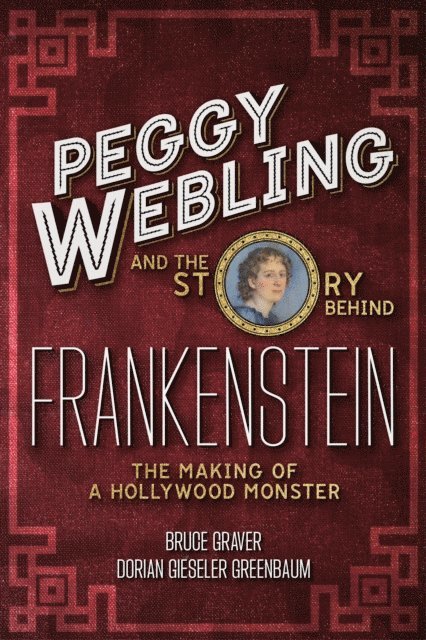
Peggy Webling and the Story behind Frankenstein
The Making of a Hollywood Monster
Inbunden, Engelska, 2024
1 083 kr
Skickas inom 10-15 vardagar
The 1931 Universal Pictures film adaptation of Frankenstein directed by James Whale and starring Boris Karloff as the now iconic Monster claims in its credits to be ‘Adapted from the play by Peggy Webling’. Webling’s play sought to humanize the creature, was the first stage adaptation to position Frankenstein and his creation as doppelgängers, and offered a feminist perspective on scientific efforts to create life without women, ideas that suffuse today’s perceptions of Frankenstein’s monster. The original play script exists in several different versions, only two of which have ever been consulted by scholars; no version has ever been published. Nor have scholars had access to Webling’s private papers and correspondence, preserved in a family archive, so that the evolution of Frankenstein from book to stage to screen has never been fully charted.In Peggy Webling and the Story behind Frankenstein, Dorian Gieseler Greenbaum (Webling’s great grandniece) and Bruce Graver present the full texts of Webling’s unpublished play for the first time. A vital critical edition, this book includes:- the 1927 British Library Frankenstein script used for the first production of the play in Preston, Lancashire- the 1928 Frankenstein script in the Library of Congress, used for productions in UK provincial theatres from autumn 1928 till 1930- the 1930 Frankenstein Prompt Script for the London production and later provincial performances, held by the Westminster Archive, London- Webling’s private correspondence including negotiations with theatre managers and Universal Pictures, family letters about the writing and production process, and selected contracts- Text of the chapter ‘Frankenstein’ from Webling’s unpublished literary memoir, The Story of a Pen for additional context- Biography of Webling that bears directly on the sensibilities and skills she brought to the writing of her play- History of how the play came to be written and produced- The relationship of Webling’s play to earlier stage and film adaptations- An exploration of playwright and screenwriter John L. Balderston’s changes to Webling’s play and Whale’s borrowings from it in the 1931 filmOffering a new perspective on the genesis of the Frankenstein movie, this critical exploration makes available a unique and necessary ‘missing link’ in the novel’s otherwise well-documented transmedia cultural history.
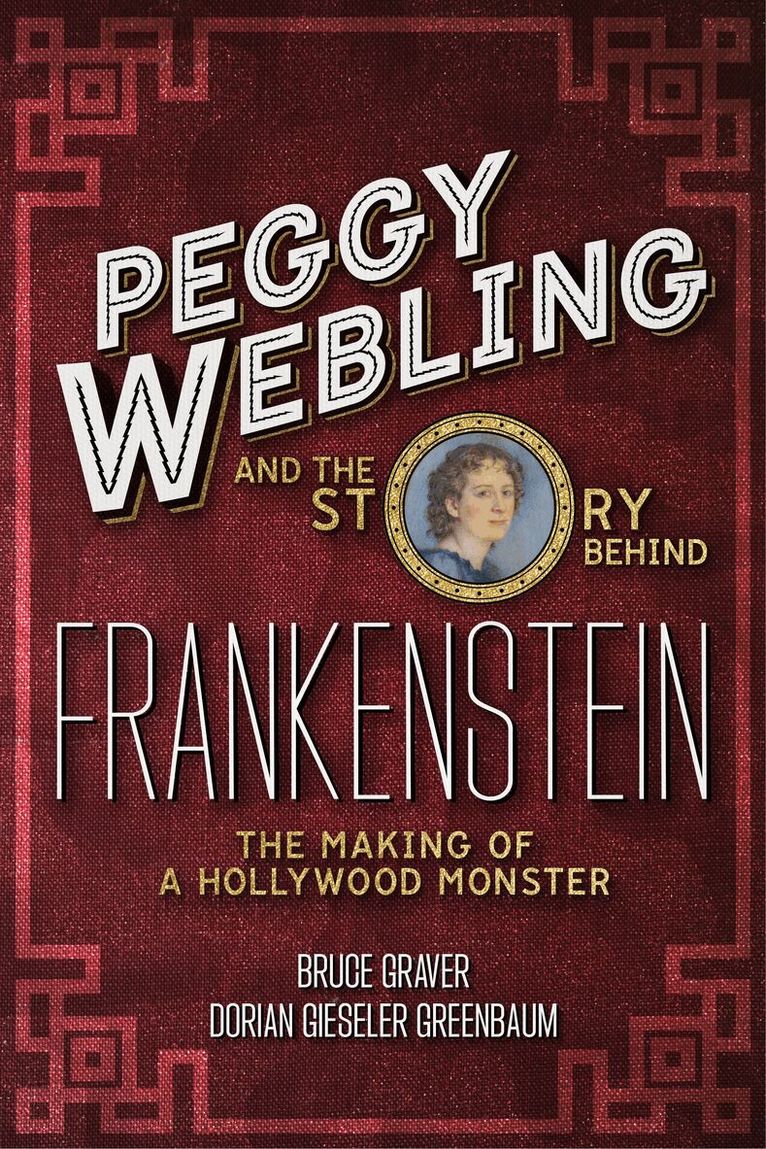
Peggy Webling and the Story behind Frankenstein
The Making of a Hollywood Monster
Häftad, Engelska, 2024
357 kr
Skickas inom 7-10 vardagar
The 1931 Universal Pictures film adaptation of Frankenstein directed by James Whale and starring Boris Karloff as the now iconic Monster claims in its credits to be ‘Adapted from the play by Peggy Webling’. Webling’s play sought to humanize the creature, was the first stage adaptation to position Frankenstein and his creation as doppelgängers, and offered a feminist perspective on scientific efforts to create life without women, ideas that suffuse today’s perceptions of Frankenstein’s monster. The original play script exists in several different versions, only two of which have ever been consulted by scholars; no version has ever been published. Nor have scholars had access to Webling’s private papers and correspondence, preserved in a family archive, so that the evolution of Frankenstein from book to stage to screen has never been fully charted.In Peggy Webling and the Story behind Frankenstein, Dorian Gieseler Greenbaum (Webling’s great grandniece) and Bruce Graver present the full texts of Webling’s unpublished play for the first time. A vital critical edition, this book includes:- the 1927 British Library Frankenstein script used for the first production of the play in Preston, Lancashire- the 1928 Frankenstein script in the Library of Congress, used for productions in UK provincial theatres from autumn 1928 till 1930- the 1930 Frankenstein Prompt Script for the London production and later provincial performances, held by the Westminster Archive, London- Webling’s private correspondence including negotiations with theatre managers and Universal Pictures, family letters about the writing and production process, and selected contracts- Text of the chapter ‘Frankenstein’ from Webling’s unpublished literary memoir, The Story of a Pen for additional context- Biography of Webling that bears directly on the sensibilities and skills she brought to the writing of her play- History of how the play came to be written and produced- The relationship of Webling’s play to earlier stage and film adaptations- An exploration of playwright and screenwriter John L. Balderston’s changes to Webling’s play and Whale’s borrowings from it in the 1931 filmOffering a new perspective on the genesis of the Frankenstein movie, this critical exploration makes available a unique and necessary ‘missing link’ in the novel’s otherwise well-documented transmedia cultural history.
Del 23 - Romantic Reconfigurations: Studies in Literature and Culture 1780-1850
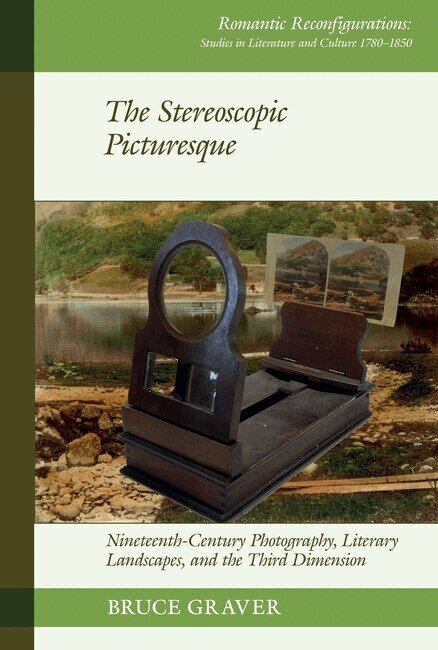
Stereoscopic Picturesque
Nineteenth-Century Photography, Literary Landscapes, and the Third Dimension
Inbunden, Engelska, 2025
2 247 kr
Skickas inom 7-10 vardagar
The Stereoscopic Picturesque is an interdisciplinary study of nineteenth-century 3D photography and its relation to the picturesque tradition in art, literature, and tourism. The study focuses on the invention of the stereoscope, originally a laboratory device for demonstrating the nature of three-dimensional vision, and the simultaneous invention of photography, in order to show how early stereo photographers used the optics of the stereoscope to extend the possibilities of picturesque representation. Their images also made “virtual travel” possible for an international mass audience, allowing millions of people to explore places and natural wonders that they would otherwise never have seen. Many of these places had deep literary associations – Wordsworth’s Lake District, for instance, or Scott’s Trossachs – and the stereography of these regions constitutes an important, yet largely unexplored, chapter in the reception history of these authors. Many of the photographs were deliberate attempts to encourage the preservation of environmentally sensitive sites, something the realism of photography and the 3D presentation of the stereoscope made especially effective. The Stereoscopic Picturesque combines fields of study that have rarely been brought into such close contiguity: the history of science, art history, the history of photography, literature, and environmentalism. The result is an unprecedented look at Victorian popular culture and the way stereo photography shaped their ways of seeing the world.