Catherine Pearson - Böcker
Visar alla böcker från författaren Catherine Pearson. Handla med fri frakt och snabb leverans.
3 produkter
3 produkter
652 kr
Skickas inom 10-15 vardagar
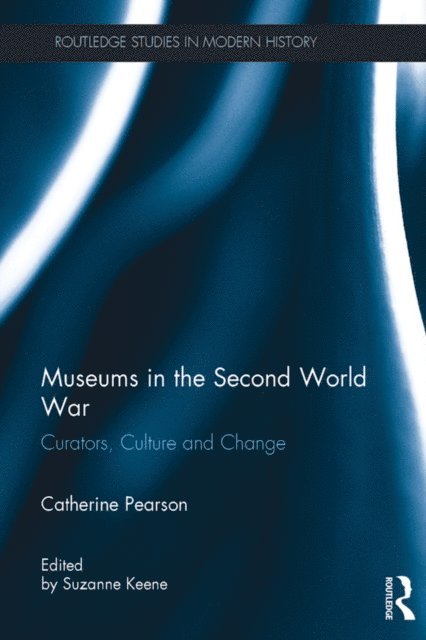
Exploring the role of museums, galleries and curators during the upheaval of the Second World War, this book challenges the accepted view of a hiatus in museum services during the conflict and its immediate aftermath. Instead it argues that new thinking in the 1930s was realised in a number of promising initiatives during the war only to fail during the fragmented post-war recovery. Based on new research including interviews with retired museum staff, letters, diaries, museum archives and government records, this study reveals a complex picture of both innovation and inertia. At the outbreak of war precious objects were stored away and staff numbers reduced, but although many museums were closed, others successfully campaigned to remain open. By providing innovative modern exhibitions and education initiatives they became popular and valued venues for the public. After the war, however, museums returned to their more traditional, collections-centred approach and failed to negotiate the public funding needed for reconstruction based on this narrower view of their role. Hence, in the longer term, the destruction and economic and social consequences of the conflict served to delay aspirations for reconstruction until the 1960s. Through this lens, the history of the museum in the mid-twentieth century appears as one shaped by the effects of war but equally determined by the input of curators, audiences and the state. The museum thus emerges not as an isolated institution concerned only with presenting the past but as a product of the changing conflicts and cultures within society.
180 kr
Skickas inom 11-20 vardagar
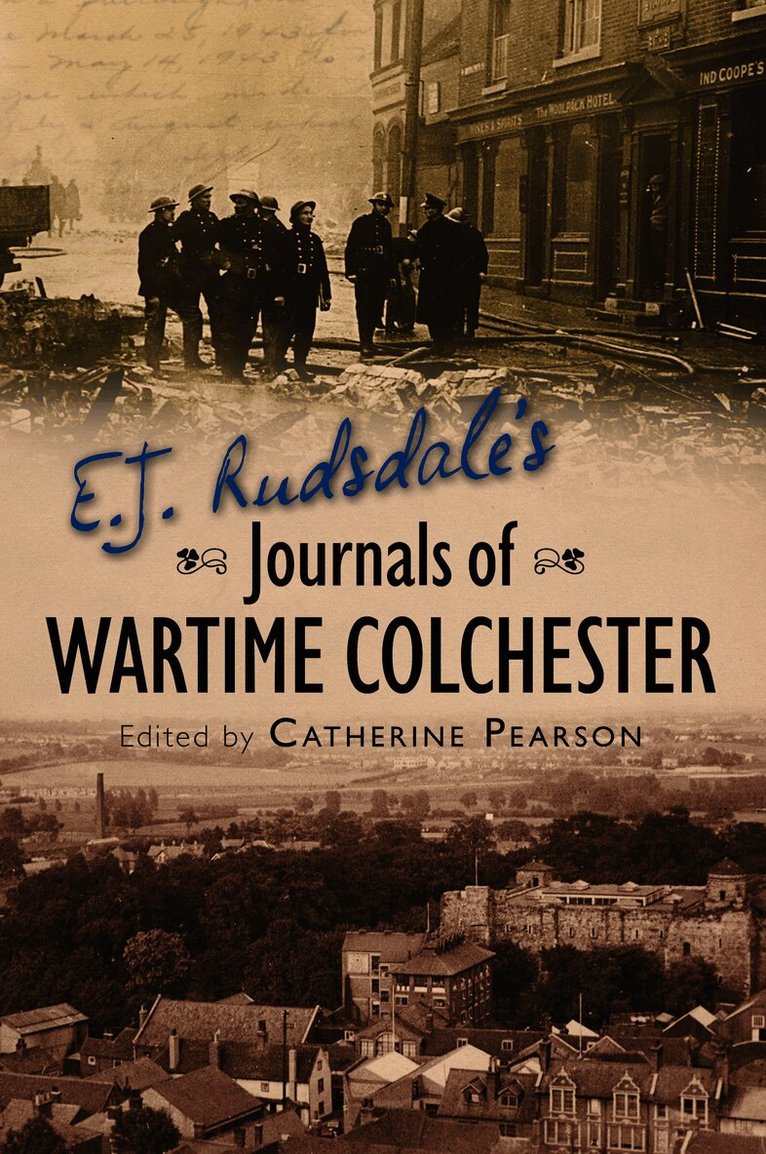
E.J. Rudsdale’s role as a museum curator and air-raid shelter superintendent at Colchester Castle during the Second World War gave him the perfect opportunity to record life on the Home Front in his journals. Seventy years later, the selected extracts gathered here provide a remarkable insight into wartime life. Rudsdale’s writing is characterised throughout by his wry observations of wartime officialdom and his lack of conformity with the prevailing views of the time. He was a pacifist, which gives his journals an unusual perspective. However, even as a civilian he could not escape the conflict, living in a garrison town threatened by invasion and regular bombing raids. His journals, therefore, record anxious and tragic events, but throughout it all his sense of humour is never diminished.This absorbing collection demonstrates Rudsdale’s ability to bring a scene vividly to life and each account highlights the daily pressures that people endured as they valiantly tried to carry on with normal life in spite of the war.
2 160 kr
Skickas inom 10-15 vardagar
Exploring the role of museums, galleries and curators during the upheaval of the Second World War, this book challenges the accepted view of a hiatus in museum services during the conflict and its immediate aftermath. Instead it argues that new thinking in the 1930s was realised in a number of promising initiatives during the war only to fail during the fragmented post-war recovery. Based on new research including interviews with retired museum staff, letters, diaries, museum archives and government records, this study reveals a complex picture of both innovation and inertia. At the outbreak of war precious objects were stored away and staff numbers reduced, but although many museums were closed, others successfully campaigned to remain open. By providing innovative modern exhibitions and education initiatives they became popular and valued venues for the public. After the war, however, museums returned to their more traditional, collections-centred approach and failed to negotiate the public funding needed for reconstruction based on this narrower view of their role. Hence, in the longer term, the destruction and economic and social consequences of the conflict served to delay aspirations for reconstruction until the 1960s. Through this lens, the history of the museum in the mid-twentieth century appears as one shaped by the effects of war but equally determined by the input of curators, audiences and the state. The museum thus emerges not as an isolated institution concerned only with presenting the past but as a product of the changing conflicts and cultures within society.