Suzanne Keene - Böcker
Visar alla böcker från författaren Suzanne Keene. Handla med fri frakt och snabb leverans.
12 produkter
12 produkter
654 kr
Skickas inom 10-15 vardagar
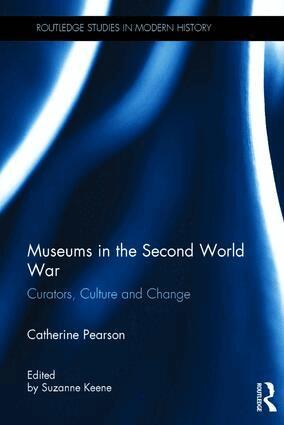
Exploring the role of museums, galleries and curators during the upheaval of the Second World War, this book challenges the accepted view of a hiatus in museum services during the conflict and its immediate aftermath. Instead it argues that new thinking in the 1930s was realised in a number of promising initiatives during the war only to fail during the fragmented post-war recovery. Based on new research including interviews with retired museum staff, letters, diaries, museum archives and government records, this study reveals a complex picture of both innovation and inertia. At the outbreak of war precious objects were stored away and staff numbers reduced, but although many museums were closed, others successfully campaigned to remain open. By providing innovative modern exhibitions and education initiatives they became popular and valued venues for the public. After the war, however, museums returned to their more traditional, collections-centred approach and failed to negotiate the public funding needed for reconstruction based on this narrower view of their role. Hence, in the longer term, the destruction and economic and social consequences of the conflict served to delay aspirations for reconstruction until the 1960s. Through this lens, the history of the museum in the mid-twentieth century appears as one shaped by the effects of war but equally determined by the input of curators, audiences and the state. The museum thus emerges not as an isolated institution concerned only with presenting the past but as a product of the changing conflicts and cultures within society.
1 343 kr
Skickas inom 10-15 vardagar
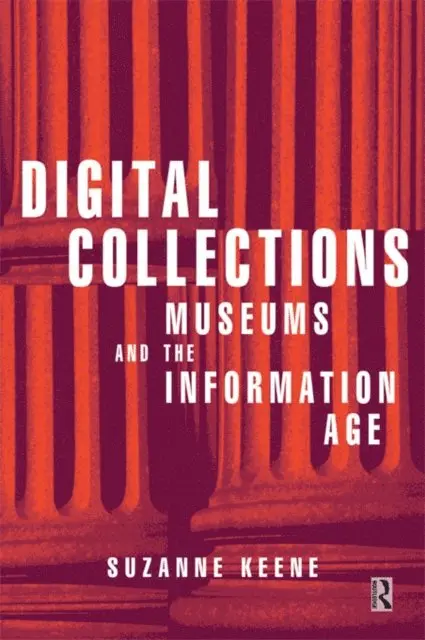
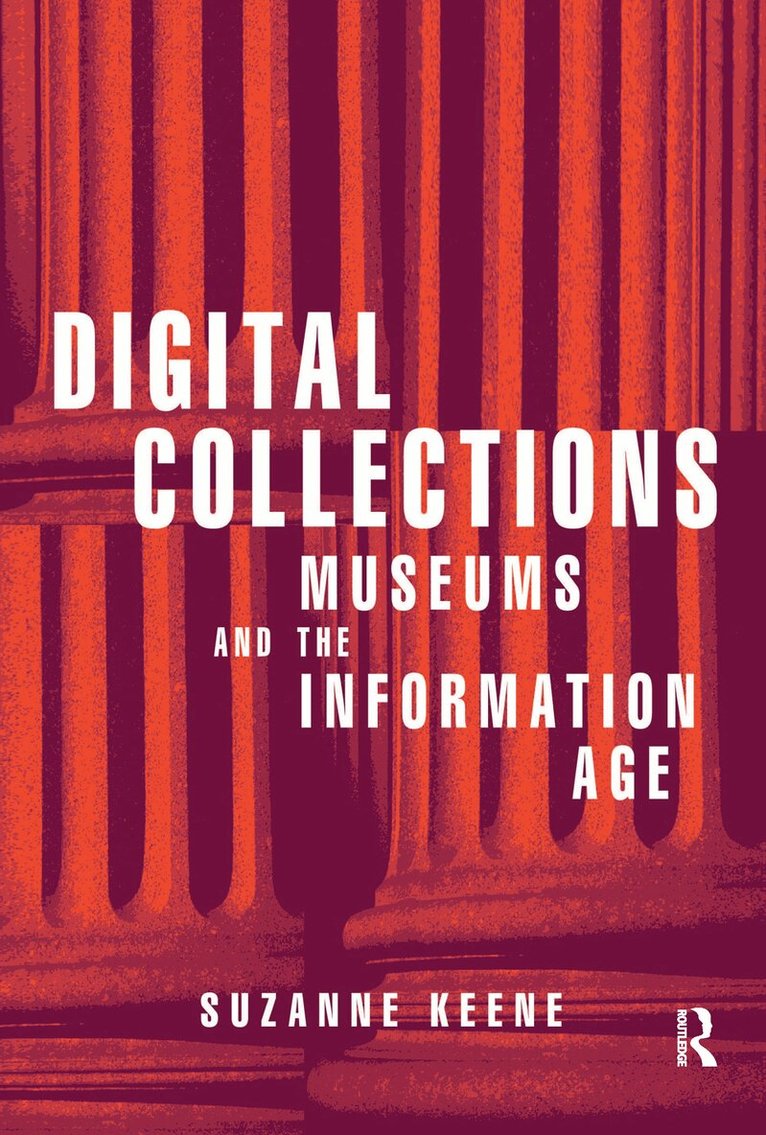
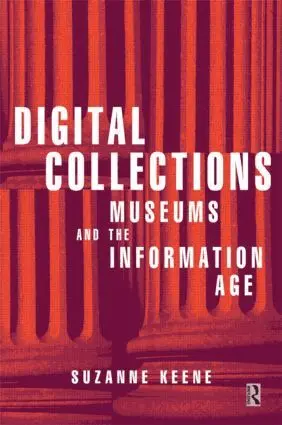
Suzanne Keene's pioneering book shows how museums and other cultural organizations fit into the new world of information and electronic communications and, most importantly, how they can take advantage of what it has to offer.By using new technology museums can build knowledge bases around information about collections. A collection object can be the central link for information about past and present, places, people and concepts, technologies, ways of working and evidence of the natural world. 'Digital Collections' explains how this vision can be realized. Sound, video and animations can be digitized and developed as a central resource that can be drawn on for many varied access routes: via the World Wide Web; CD ROMs; through on-gallery screens, and other future products still in development.These technological capabilities raise many compelling issues that need to be understood in order to successfully develop information collections. In this book Suzanne Keene reviews these issues clearly and comprehensively. Her accompanying Click-Through Guide provides the latest news and links to Internet information:http://www.users.dircon.co.uk/~s-keene/infoage/infoage.htmSuzanne Keene is a senior manager of museum collections and information at the Science Museum, London. She led the UK LASSI project to select a collections information system for UK museums. This, with her experience in directing information technology and multimedia projects, means that she is accustomed to translating the highly technical concepts of information technology into high level issues for senior and strategic management.
851 kr
Skickas inom 10-15 vardagar
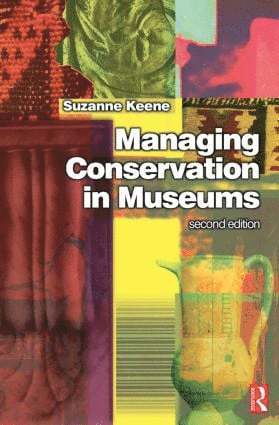
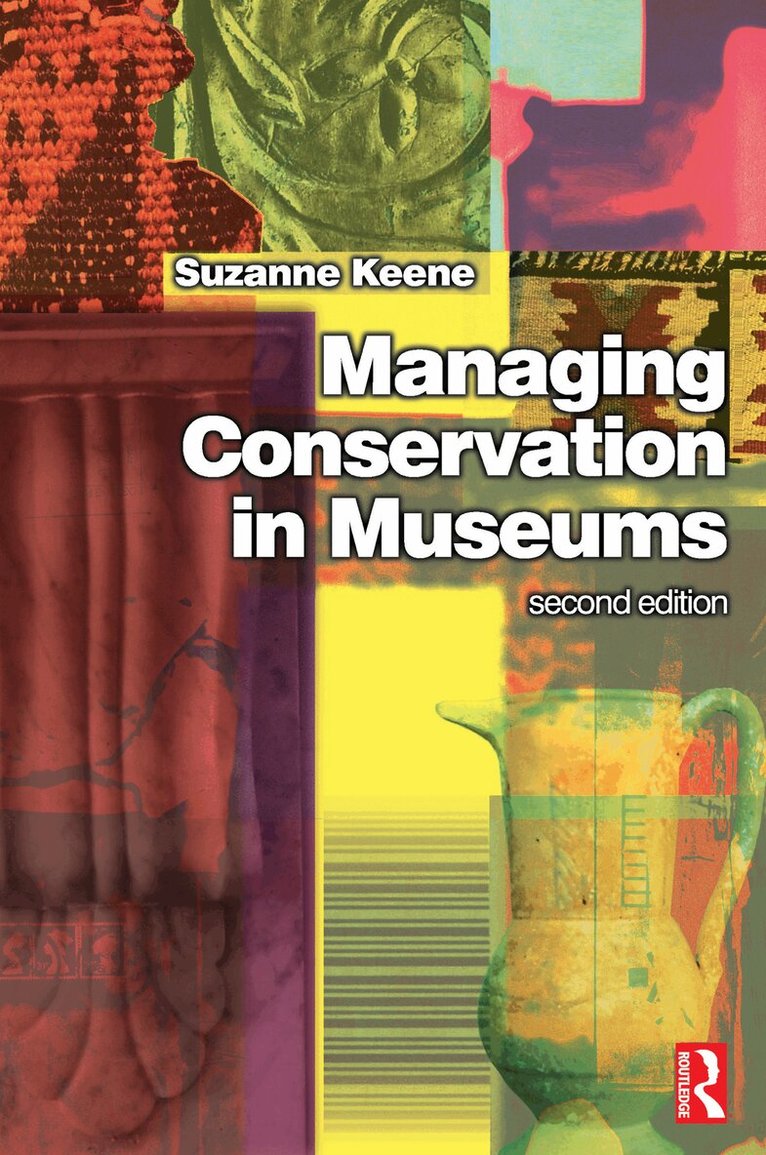
Explaining and critically reviewing management procedures such as performance indicators and strategic planning, this book shows how techniques from mainstream management can be used to facilitate a holistic and professional approach to the business of conservation and collection preservation. It offers practical guidance on strategy, quantitative planning and condition surveying, and presents many solutions to the challenges faced by museum staff and conservation specialists.This new edition takes into account changes such as the arrival of the Heritage Lottery Fund, policies for access and the growing convergence of museums, libraries and archives. It also highlights the advent of digital collections and the use of information and communications technology.
758 kr
Skickas inom 10-15 vardagar
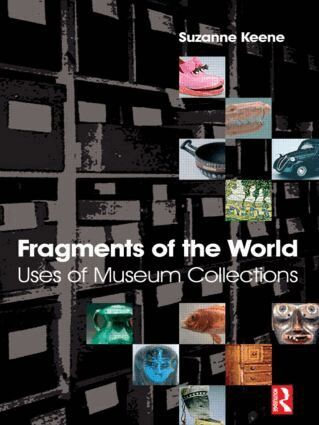
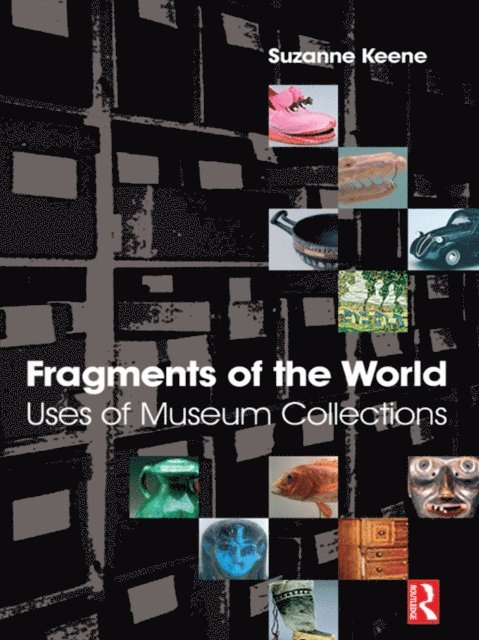
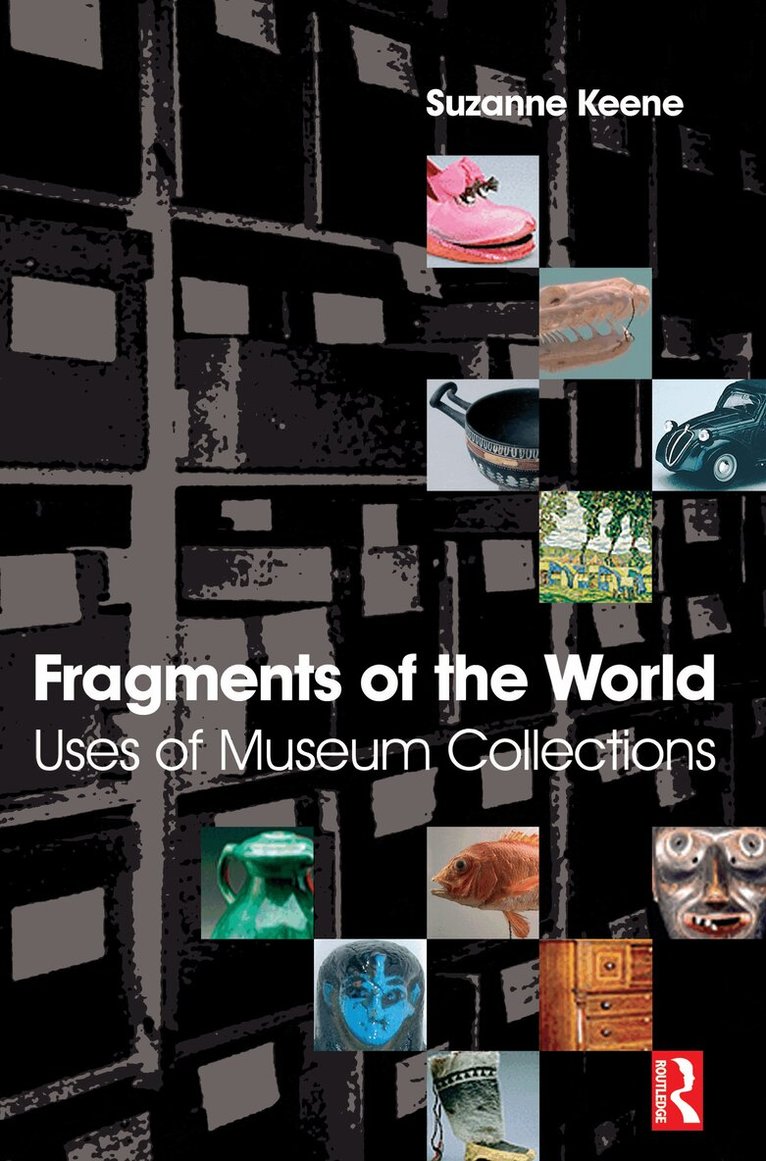
During the past decade a number of individual museums have found imaginative ways of using their collections and of making them accessible. However, museum collections as a whole are enormous in size and quantity and the question of how can they can be put to best use is ever present. When conventional exhibitions can only ever utilise a tiny proportion of them, what other uses of the collections are possible? Will their exploitation and use now destroy their value for future generations? Should they simply be kept safely and as economically as possible as a resource for the future?Fragments of the World examines these questions, first reviewing the history of collecting and of collections, then discussing the ways in which the collections themselves are being used today. Case studies of leading examples from around the world illustrate the discussion. Bringing together the thinking about museum collections with case studies of the ways in which different types of collection are used, the book provides a roadmap for museums to make better use of this wonderful resource.
559 kr
Skickas inom 10-15 vardagar
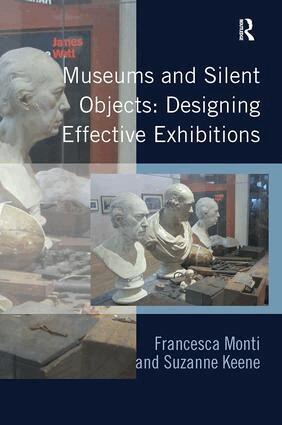
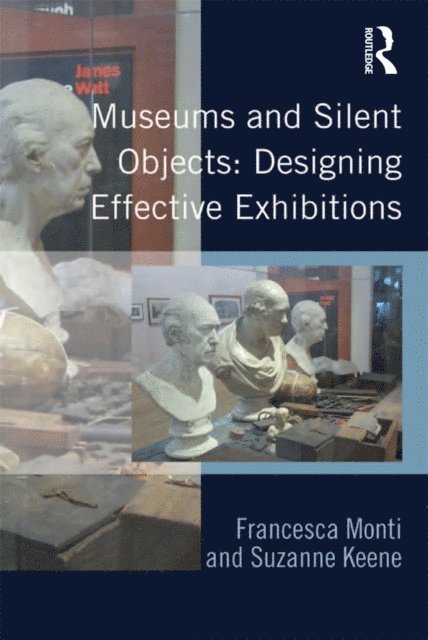
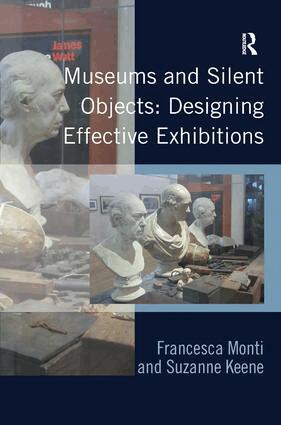
In a society where split-second decisions about the value of things are grounded on how they look, museum visitors are often drawn to visually striking or iconic objects. This book investigates the question of the treatment of items on display in museums which are less conspicuous but potentially just as important as the striking objects, arguing that it is important to show that all objects illustrate potentially interesting cultural contexts and content. The authors explore the disciplines of architecture, design, cognitive science and museology and offer a methodology by which the quality of museum exhibitions can be judged from a visitor-centred perspective. They provide new insights into the visitor-object encounter and the relationship between visitors, objects and museums. In addition the book offers a set of useful practical tools for museum professionals - for audience research, evaluating museum displays, and for designing new galleries and striking exhibitions. Richly illustrated with photos and diagrams, and based on studies of famous galleries in world-renowned museums, the book will be essential reading for all those concerned with creating effective exhibitions in museum.
2 166 kr
Skickas inom 10-15 vardagar
Explaining and critically reviewing management procedures such as performance indicators and strategic planning, this book shows how techniques from mainstream management can be used to facilitate a holistic and professional approach to the business of conservation and collection preservation. It offers practical guidance on strategy, quantitative planning and condition surveying, and presents many solutions to the challenges faced by museum staff and conservation specialists.This new edition takes into account changes such as the arrival of the Heritage Lottery Fund, policies for access and the growing convergence of museums, libraries and archives. It also highlights the advent of digital collections and the use of information and communications technology.
2 166 kr
Skickas inom 10-15 vardagar
During the past decade a number of individual museums have found imaginative ways of using their collections and of making them accessible. However, museum collections as a whole are enormous in size and quantity and the question of how can they can be put to best use is ever present. When conventional exhibitions can only ever utilise a tiny proportion of them, what other uses of the collections are possible? Will their exploitation and use now destroy their value for future generations? Should they simply be kept safely and as economically as possible as a resource for the future?Fragments of the World examines these questions, first reviewing the history of collecting and of collections, then discussing the ways in which the collections themselves are being used today. Case studies of leading examples from around the world illustrate the discussion. Bringing together the thinking about museum collections with case studies of the ways in which different types of collection are used, the book provides a roadmap for museums to make better use of this wonderful resource.
2 166 kr
Skickas inom 10-15 vardagar
Suzanne Keene's pioneering book shows how museums and other cultural organizations fit into the new world of information and electronic communications and, most importantly, how they can take advantage of what it has to offer.By using new technology museums can build knowledge bases around information about collections. A collection object can be the central link for information about past and present, places, people and concepts, technologies, ways of working and evidence of the natural world. 'Digital Collections' explains how this vision can be realized. Sound, video and animations can be digitized and developed as a central resource that can be drawn on for many varied access routes: via the World Wide Web; CD ROMs; through on-gallery screens, and other future products still in development.These technological capabilities raise many compelling issues that need to be understood in order to successfully develop information collections. In this book Suzanne Keene reviews these issues clearly and comprehensively.Suzanne Keene is a senior manager of museum collections and information at the Science Museum, London. She led the UK LASSI project to select a collections information system for UK museums. This, with her experience in directing information technology and multimedia projects, means that she is accustomed to translating the highly technical concepts of information technology into high level issues for senior and strategic management.
2 340 kr
Skickas inom 10-15 vardagar
In a society where split-second decisions about the value of things are grounded on how they look, museum visitors are often drawn to visually striking or iconic objects. This book investigates the question of the treatment of items on display in museums which are less conspicuous but potentially just as important as the striking objects, arguing that it is important to show that all objects illustrate potentially interesting cultural contexts and content. The authors explore the disciplines of architecture, design, cognitive science and museology and offer a methodology by which the quality of museum exhibitions can be judged from a visitor-centred perspective. They provide new insights into the visitor-object encounter and the relationship between visitors, objects and museums. In addition the book offers a set of useful practical tools for museum professionals - for audience research, evaluating museum displays, and for designing new galleries and striking exhibitions. Richly illustrated with photos and diagrams, and based on studies of famous galleries in world-renowned museums, the book will be essential reading for all those concerned with creating effective exhibitions in museum.
1 590 kr
Skickas inom 10-15 vardagar
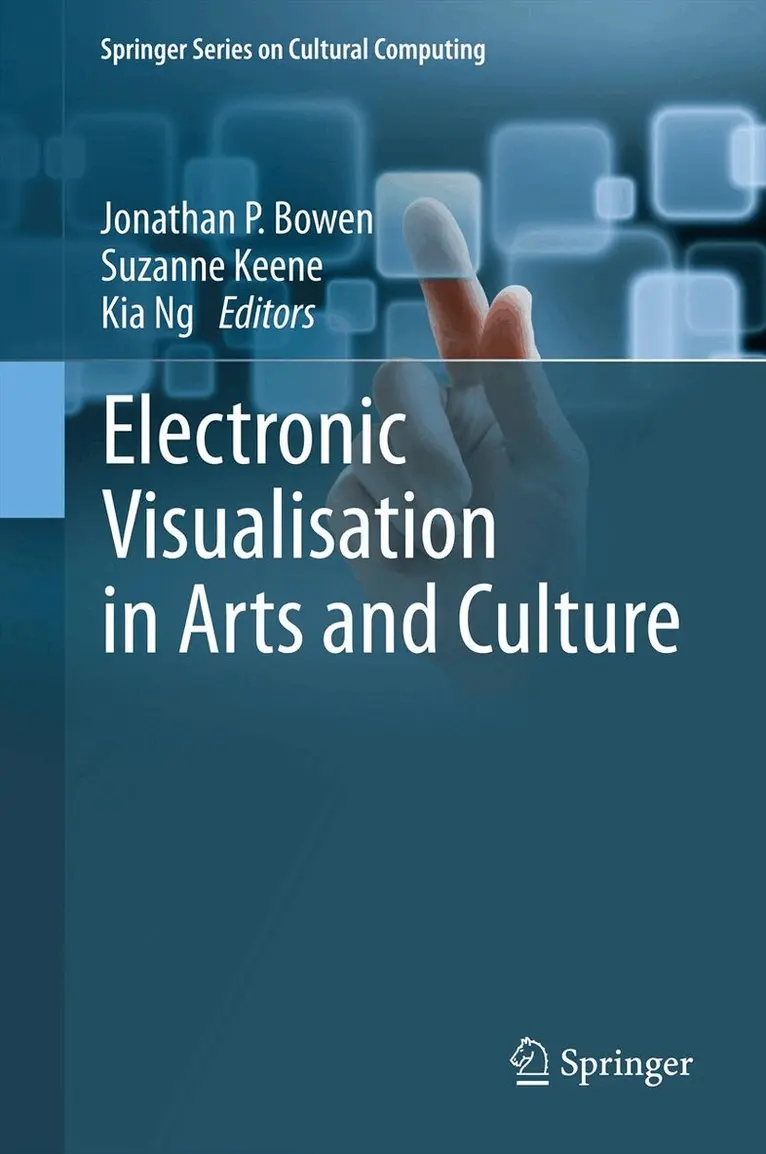
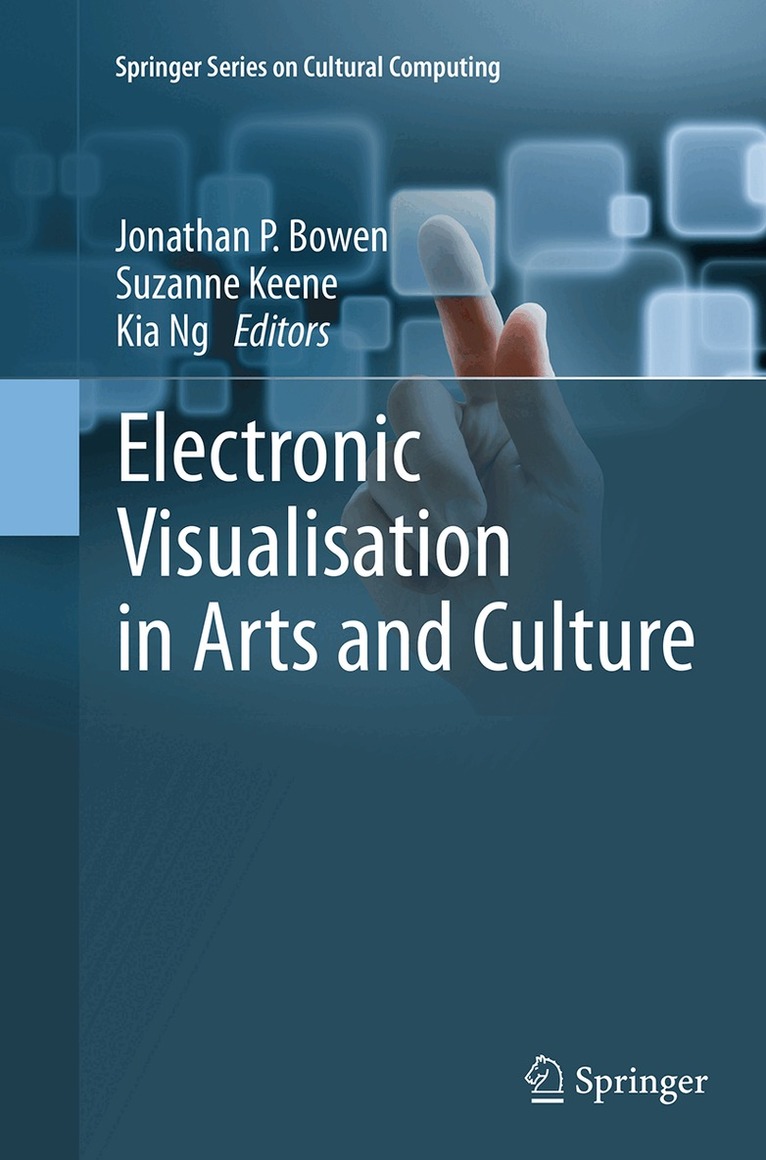
Presenting the latest technological developments in arts and culture, this volume demonstrates the advantages of a union between art and science. Electronic Visualisation in Arts and Culture is presented in five parts:Imaging and CultureNew Art PracticeSeeing MotionInteraction and Interfaces Visualising HeritageElectronic Visualisation in Arts and Culture explores a variety of new theory and technologies, including devices and techniques for motion capture for music and performance, advanced photographic techniques, computer generated images derived from different sources, game engine software, airflow to capture the motions of bird flight and low-altitude imagery from airborne devices.The international authors of this book are practising experts from universities, art practices and organisations, research centres and independent research. They describe electronic visualisation used for such diverse aspects of culture as airborne imagery, computer generated art based on the autoimmune system, motion capture for music and for sign language, the visualisation of time and the long term preservation of these materials. Selected from the EVA London conferences from 2009-2012, held in association with the Computer Arts Society of the British Computer Society, the authors have reviewed, extended and fully updated their work for this state-of-the-art volume.
1 590 kr
Skickas inom 10-15 vardagar
Presenting the latest technological developments in arts and culture, this volume demonstrates the advantages of a union between art and science. Electronic Visualisation in Arts and Culture is presented in five parts:Imaging and CultureNew Art PracticeSeeing MotionInteraction and Interfaces Visualising HeritageElectronic Visualisation in Arts and Culture explores a variety of new theory and technologies, including devices and techniques for motion capture for music and performance, advanced photographic techniques, computer generated images derived from different sources, game engine software, airflow to capture the motions of bird flight and low-altitude imagery from airborne devices.The international authors of this book are practising experts from universities, art practices and organisations, research centres and independent research. They describe electronic visualisation used for such diverse aspects of culture as airborne imagery, computer generated art based on the autoimmune system, motion capture for music and for sign language, the visualisation of time and the long term preservation of these materials. Selected from the EVA London conferences from 2009-2012, held in association with the Computer Arts Society of the British Computer Society, the authors have reviewed, extended and fully updated their work for this state-of-the-art volume.
2 166 kr
Skickas inom 10-15 vardagar
Exploring the role of museums, galleries and curators during the upheaval of the Second World War, this book challenges the accepted view of a hiatus in museum services during the conflict and its immediate aftermath. Instead it argues that new thinking in the 1930s was realised in a number of promising initiatives during the war only to fail during the fragmented post-war recovery. Based on new research including interviews with retired museum staff, letters, diaries, museum archives and government records, this study reveals a complex picture of both innovation and inertia. At the outbreak of war precious objects were stored away and staff numbers reduced, but although many museums were closed, others successfully campaigned to remain open. By providing innovative modern exhibitions and education initiatives they became popular and valued venues for the public. After the war, however, museums returned to their more traditional, collections-centred approach and failed to negotiate the public funding needed for reconstruction based on this narrower view of their role. Hence, in the longer term, the destruction and economic and social consequences of the conflict served to delay aspirations for reconstruction until the 1960s. Through this lens, the history of the museum in the mid-twentieth century appears as one shaped by the effects of war but equally determined by the input of curators, audiences and the state. The museum thus emerges not as an isolated institution concerned only with presenting the past but as a product of the changing conflicts and cultures within society.