Charlotte D. Pevny - Böcker
Visar alla böcker från författaren Charlotte D. Pevny. Handla med fri frakt och snabb leverans.
3 produkter
3 produkter
426 kr
Skickas inom 7-10 vardagar
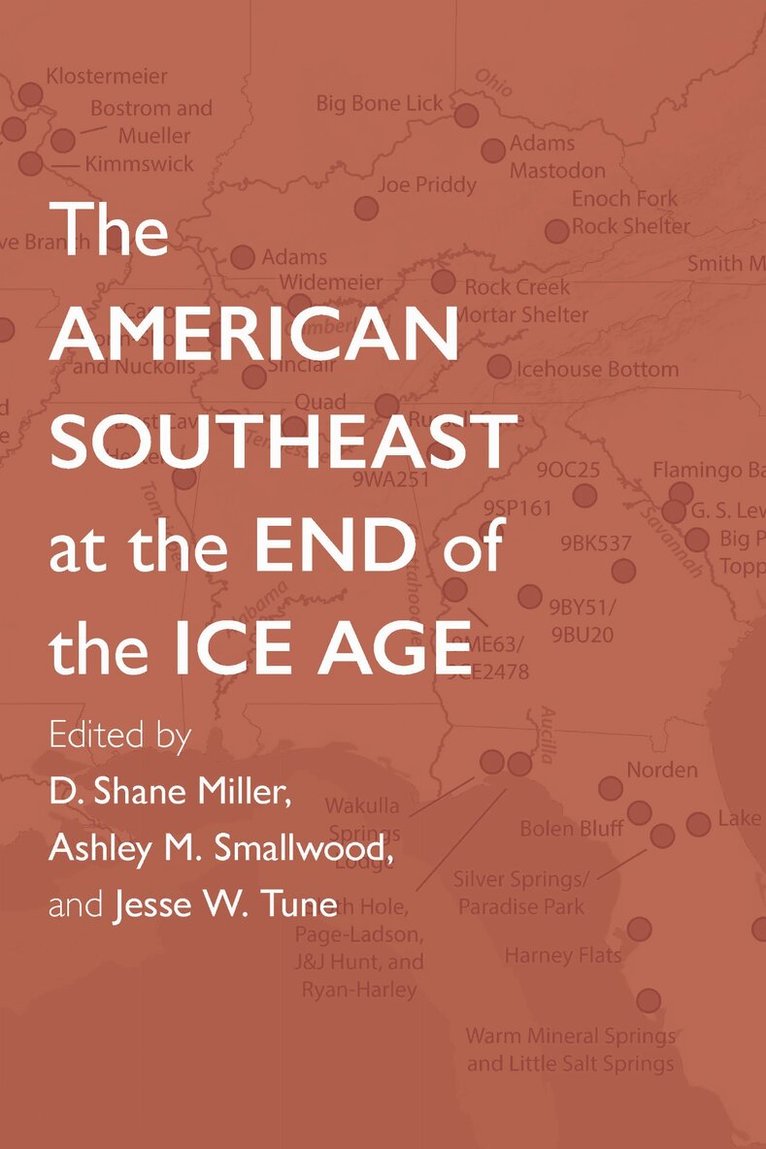
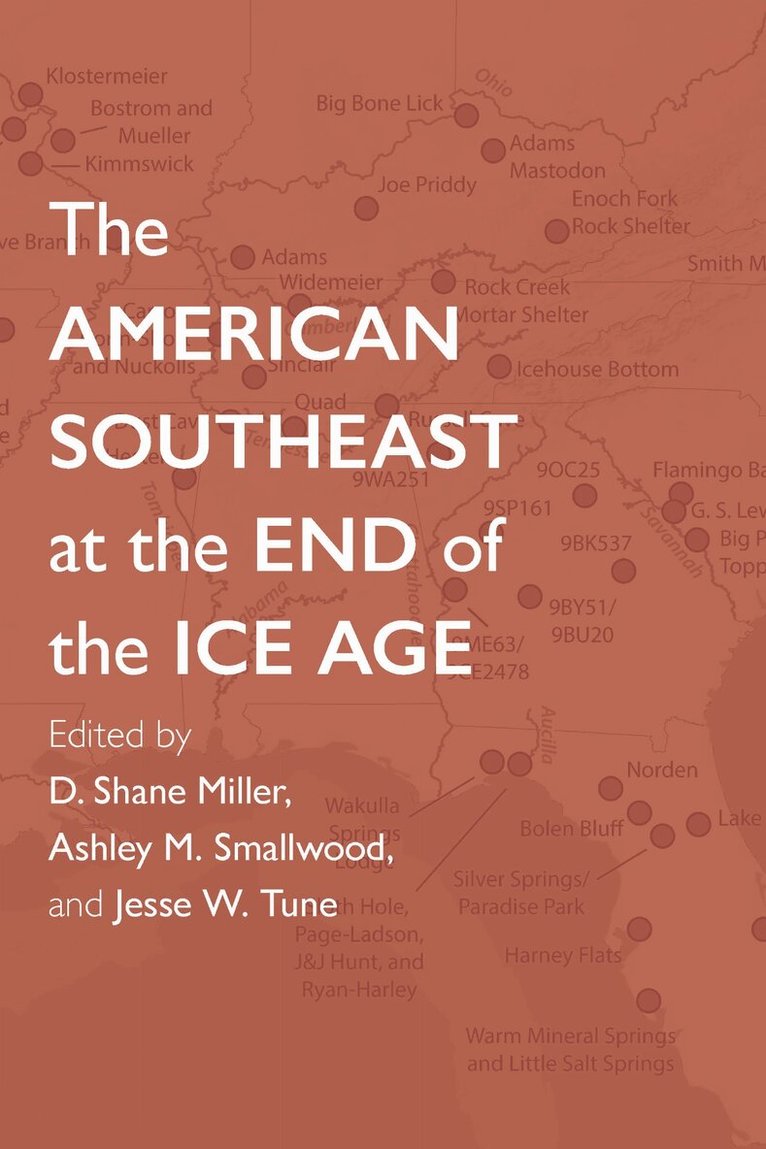
The definitive book on what is known about the Late Pleistocene and Early Holocene archaeological record in the SoutheastThe 1996 benchmark volume The Paleoindian and Early Archaic Southeast, edited by David G. Anderson and Kenneth E. Sassaman, was the first study to summarize what was known of the peoples who lived in the Southeast when ice sheets covered the northern part of the continent and mammals such as mammoths, saber-toothed cats, and ground sloths roamed the landscape.The American Southeast at the End of the Ice Age provides an updated, definitive synthesis of current archaeological research gleaned from an array of experts in the region. It is organized in three parts: state records, the regional perspective, and reflections and future directions. Chapters survey a diversity of topics including the distribution of the earliest archaeological sites in the region, chipped-stone tool technology, the expanding role of submerged archaeology, hunter-gatherer lifeways, past climate changes and the extinction of megafauna on the transitional landscape, and evidence of demographic changes at the end of the Ice Age. Discussion of the ethical responsibilities regarding the use of private collections and the relationship of archaeologists and the avocational community, insight from outside the Southeast, and considerations for future research round out the volume.
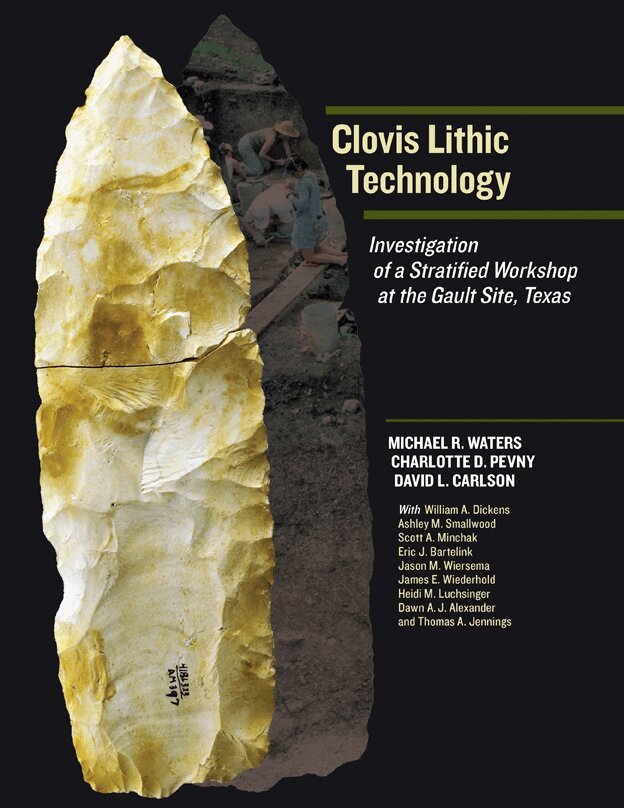
Clovis Lithic Technology
Investigation of a Stratified Workshop at the Gault Site, Texas
Inbunden, Engelska, 2011
538 kr
Skickas inom 11-20 vardagar
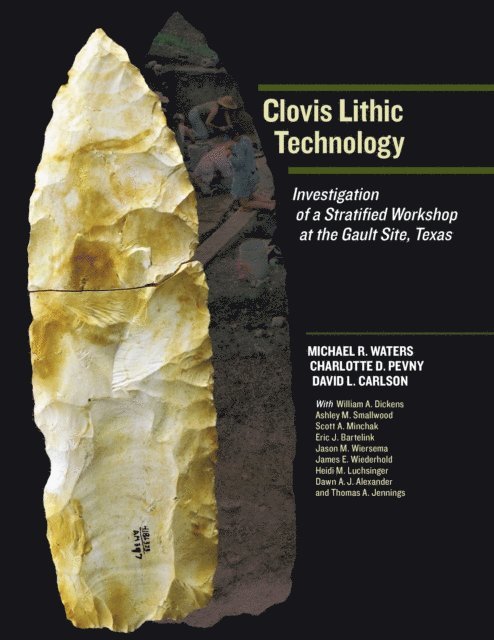
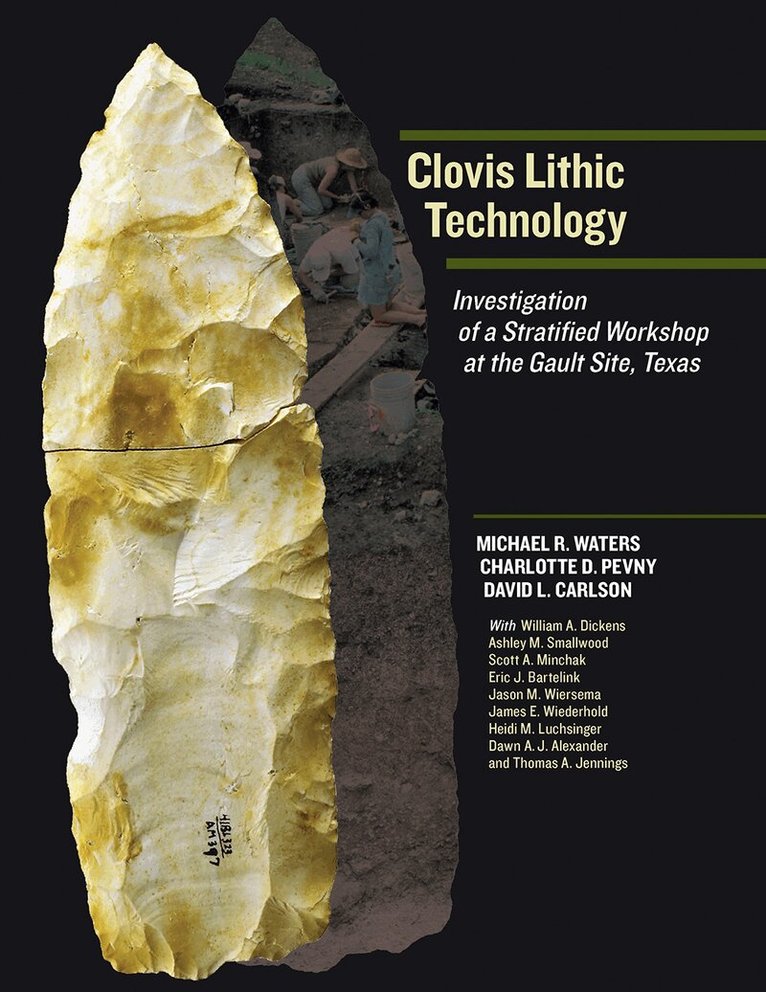
Some 13,000 years ago, humans were drawn repeatedly to a small valley in what is now Central Texas, near the banks of Buttermilk Creek. These early hunter-gatherers camped, collected stone, and shaped it into a variety of tools they needed to hunt game, process food, and subsist in the Texas wilderness. Their toolkit included bifaces, blades, and deadly spear points. Where they worked, they left thousands of pieces of debris, which have allowed archaeologists to reconstruct their methods of tool production. Along with the faunal material that was also discarded in their prehistoric campsite, these stone, or lithic, artifacts afford a glimpse of human life at the end of the last ice age during an era referred to as Clovis.The area where these people roamed and camped, called the Gault site, is one of the most important Clovis sites in North America. A decade ago a team from Texas A&M University excavated a single area of the site - formally named Excavation Area 8, but informally dubbed the Lindsey Pit - which features the densest concentration of Clovis artifacts and the clearest stratigraphy at the Gault site. Some 67,000 lithic artifacts were recovered during fieldwork, along with 5,700 pieces of faunal material.In a thorough synthesis of the evidence from this prehistoric 'workshop,' Michael R. Waters and his coauthors provide the technical data needed to interpret and compare this site with other sites from the same period, illuminating the story of Clovis people in the Buttermilk Creek Valley.
Clovis Lithic Technology
Investigation of a Stratified Workshop at the Gault Site, Texas
Häftad, Engelska, 2026
529 kr
Skickas inom 10-15 vardagar
Some 13,000 years ago, humans were drawn repeatedly to a small valley in what is now Central Texas, near the banks of Buttermilk Creek. These early hunter-gatherers camped, collected stone, and shaped it into a variety of tools they needed to hunt game, process food, and subsist in the Texas wilderness. Their toolkit included bifaces, blades, and deadly spear points. Where they worked, they left thousands of pieces of debris, which have allowed archaeologists to reconstruct their methods of tool production. Along with the faunal material that was also discarded in their prehistoric campsite, these stone, or lithic, artifacts afford a glimpse of human life at the end of the last ice age during an era referred to as Clovis. The area where these people roamed and camped, called the Gault site, is one of the most important Clovis sites in North America. A decade ago a team from Texas A&M University excavated a single area of the site—formally named Excavation Area 8, but informally dubbed the Lindsey Pit—which features the densest concentration of Clovis artifacts and the clearest stratigraphy at the Gault site. Some 67,000 lithic artifacts were recovered during fieldwork, along with 5,700 pieces of faunal material. In a thorough synthesis of the evidence from this prehistoric “workshop,” Michael R. Waters and his coauthors provide the technical data needed to interpret and compare this site with other sites from the same period, illuminating the story of Clovis people in the Buttermilk Creek Valley.