Christiane Schönfeld - Böcker
Visar alla böcker från författaren Christiane Schönfeld. Handla med fri frakt och snabb leverans.
6 produkter
6 produkter
453 kr
Skickas inom 10-15 vardagar
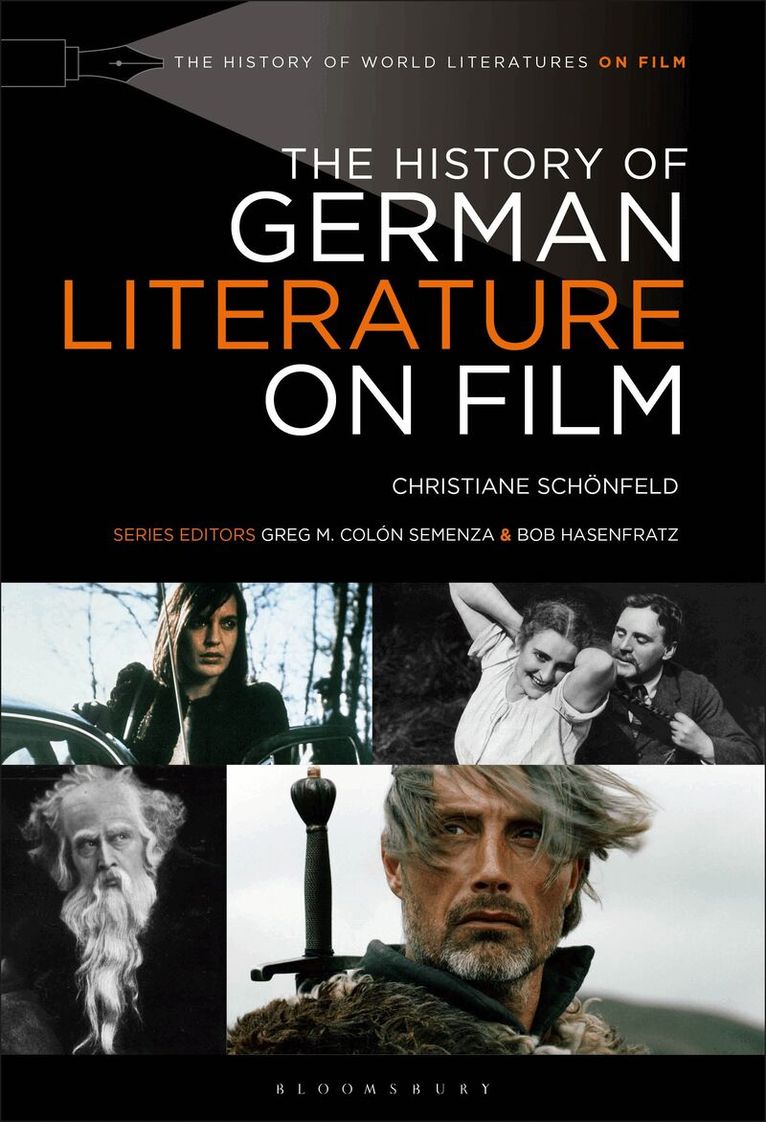
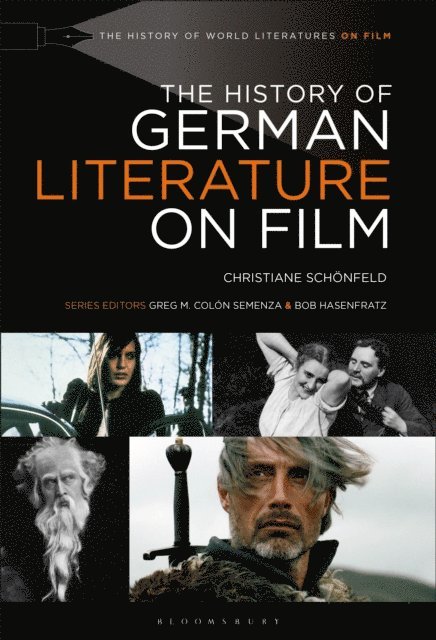
A 2024 CHOICE OUTSTANDING ACADEMIC TITLEThis book tells the story of German-language literature on film, beginning with pioneering motion picture adaptations of Faust in 1897 and early debates focused on high art as mass culture. It explores, analyzes and contextualizes the so-called ‘golden age’ of silent cinema in the 1920s, the impact of sound on adaptation practices, the abuse of literary heritage by Nazi filmmakers, and traces the role of German-language literature in exile and postwar films, across ideological boundaries in divided Germany, in New German Cinema, and in remakes and movies for cinema as well as television and streaming services in the 21st century. Having provided the narrative core to thousands of films since the late 19th century, many of German cinema’s most influential masterpieces were inspired by canonical texts, popular plays, and even children’s literature. Not being restricted to German adaptations, however, this book also traces the role of literature originally written in German in international film productions, which sheds light on the interrelation between cinema and key historical events. It outlines how processes of adaptation are shaped by global catastrophes and the emergence of nations, by materialist conditions, liberal economies and capitalist imperatives, political agendas, the mobility of individuals, and sometimes by the desire to create reflective surfaces and, perhaps, even art. Commercial cinema’s adaptation practices have foregrounded economic interest, but numerous filmmakers throughout cinema history have turned to German-language literature not simply to entertain, but as a creative contribution to the public sphere, marking adaptation practice, at least potentially, as a form of active citizenship.
348 kr
Skickas
Del 1 - Studies in German Literature Linguistics and Culture
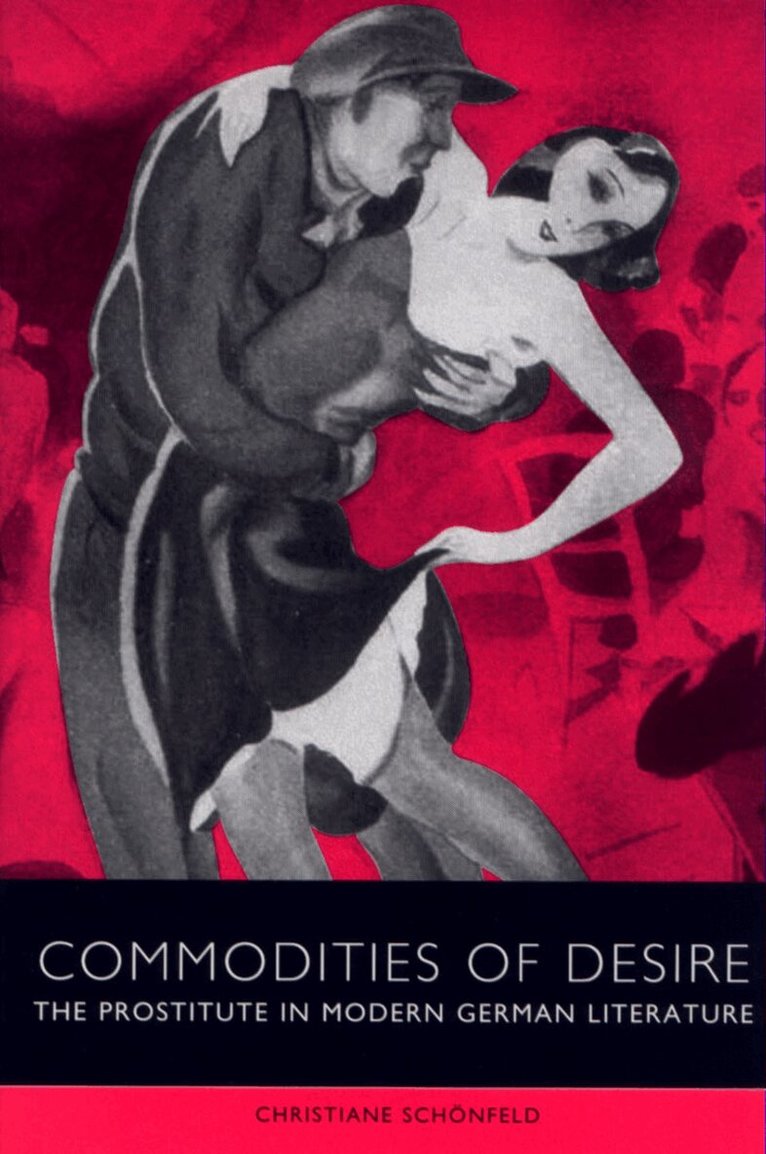
Commodities of Desire
The Prostitute in Modern German Literature
Inbunden, Engelska, 2001
1 353 kr
Skickas inom 10-15 vardagar
The first collection of essays treating exclusively the figure of the prostitute in modern German literature.Unlike her counterpart in French literature, and despite her importance in drama, poetry, and prose, the figure of the prostitute in modern German literature has been a largely neglected phenomenon. Commodities of Desire addresses this omission: it is the first collection of essays to exclusively investigate this colorful and multi-faceted figure in its many forms and mutations. The book pursues this goal by analyzing a number of key texts -- from the Wilhelmine Empire to the Weimar Republic -- and by providing the social, legal, and cultural contexts necessary for their interpretation. While the 'sex-worker' has been a presence in literature for centuries, the prostitute was never more popular in German literature than between the late 1880s and the early 1930s. It was then -- during a time when prostitution had become one of the most pressing social problems of urban Germany -- that the streetwalker became a symbol of the destructive and fertile forces of the metropolis, an allegorization of the political and social crisis, and a vehicle for biting social criticism. This book focuses on prostitutes as literary figures and prostitution as a topic in works by well-known and lesser-known writers. It thus clarifies the iconography of the prostitute and aids the reader in understanding her significance in the development of modern German literature.Christiane Schönfeld teaches German at the University of Galway, Ireland.
Del 132 - Studies in German Literature Linguistics and Culture
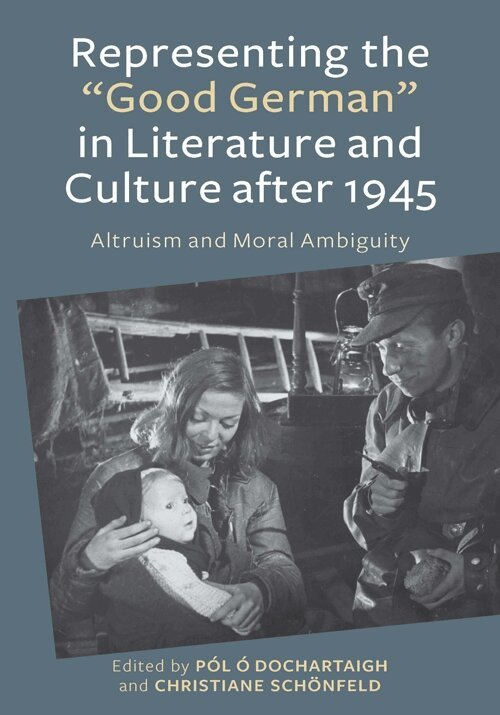
Representing the "Good German" in Literature and Culture after 1945
Altruism and Moral Ambiguity
Inbunden, Engelska, 2013
1 353 kr
Skickas inom 10-15 vardagar
Essays analyzing postwar literary, cultural, and historical representations of "good Germans" during the Second World War and the Nazi period.In the aftermath of the Second World War, both the allied occupying powers and the nascent German authorities sought Germans whose record during the war and the Nazi period could serve as a counterpoint to the notion of Germans asevil. That search has never really stopped. In the past few years, we have witnessed a burgeoning of cultural representations of this "other" kind of Third Reich citizen - the "good German" - as opposed to the committed Nazi or genocidal maniac. Such representations have highlighted individuals' choices in favor of dissenting behavior, moral truth, or at the very least civil disobedience. The "good German's" counterhegemonic practice cannot negate or contradict the barbaric reality of Hitler's Germany, but reflects a value system based on humanity and an "other" ideal community.This volume of new essays explores postwar and recent representations of "good Germans" during the Third Reich, analyzing the logic of moral behavior, cultural and moral relativism, and social conformity found in them. It thus draws together discussions of the function and reception of "Good Germans" in Germany and abroad.Contributors: Eoin Bourke, Manuel Bragança, Maeve Cooke, Kevin De Ornellas, Sabine Egger, Joachim Fischer, Coman Hamilton, Jon Hughes, Karina von Lindeiner-Strásky, Alexandra Ludewig, Pól O Dochartaigh, Christiane Schönfeld, Matthias Uecker.Pól O Dochartaigh is Professor of German and Dean of the Faculty of Arts at the University of Ulster, Northern Ireland. Christiane Schönfeld is Senior Lecturer in German and Head of the Department of German Studies at Mary Immaculate College, University of Limerick.
2 333 kr
Skickas inom 10-15 vardagar
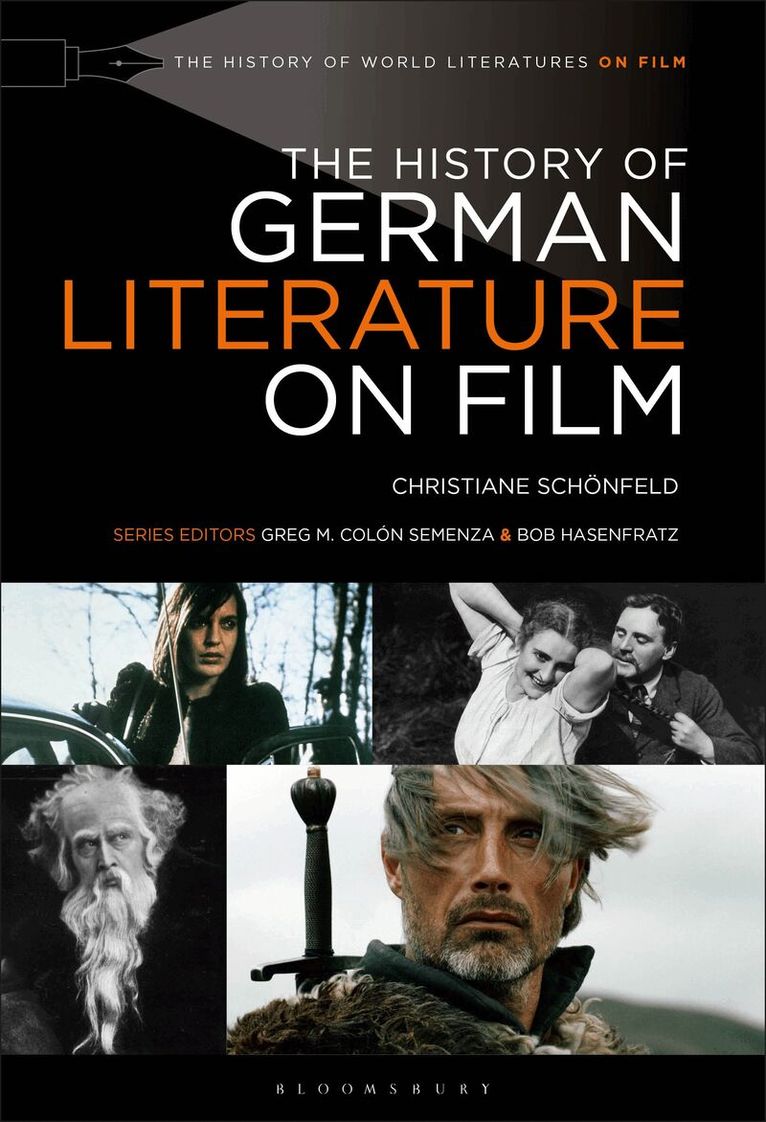
A 2024 CHOICE OUTSTANDING ACADEMIC TITLEThis book tells the story of German-language literature on film, beginning with pioneering motion picture adaptations of Faust in 1897 and early debates focused on high art as mass culture. It explores, analyzes and contextualizes the so-called ‘golden age’ of silent cinema in the 1920s, the impact of sound on adaptation practices, the abuse of literary heritage by Nazi filmmakers, and traces the role of German-language literature in exile and postwar films, across ideological boundaries in divided Germany, in New German Cinema, and in remakes and movies for cinema as well as television and streaming services in the 21st century. Having provided the narrative core to thousands of films since the late 19th century, many of German cinema’s most influential masterpieces were inspired by canonical texts, popular plays, and even children’s literature. Not being restricted to German adaptations, however, this book also traces the role of literature originally written in German in international film productions, which sheds light on the interrelation between cinema and key historical events. It outlines how processes of adaptation are shaped by global catastrophes and the emergence of nations, by materialist conditions, liberal economies and capitalist imperatives, political agendas, the mobility of individuals, and sometimes by the desire to create reflective surfaces and, perhaps, even art. Commercial cinema’s adaptation practices have foregrounded economic interest, but numerous filmmakers throughout cinema history have turned to German-language literature not simply to entertain, but as a creative contribution to the public sphere, marking adaptation practice, at least potentially, as a form of active citizenship.
100 kr
Skickas inom 3-6 vardagar