Greg M. Colón Semenza - Böcker
Visar alla böcker från författaren Greg M. Colón Semenza. Handla med fri frakt och snabb leverans.
12 produkter
12 produkter
732 kr
Skickas
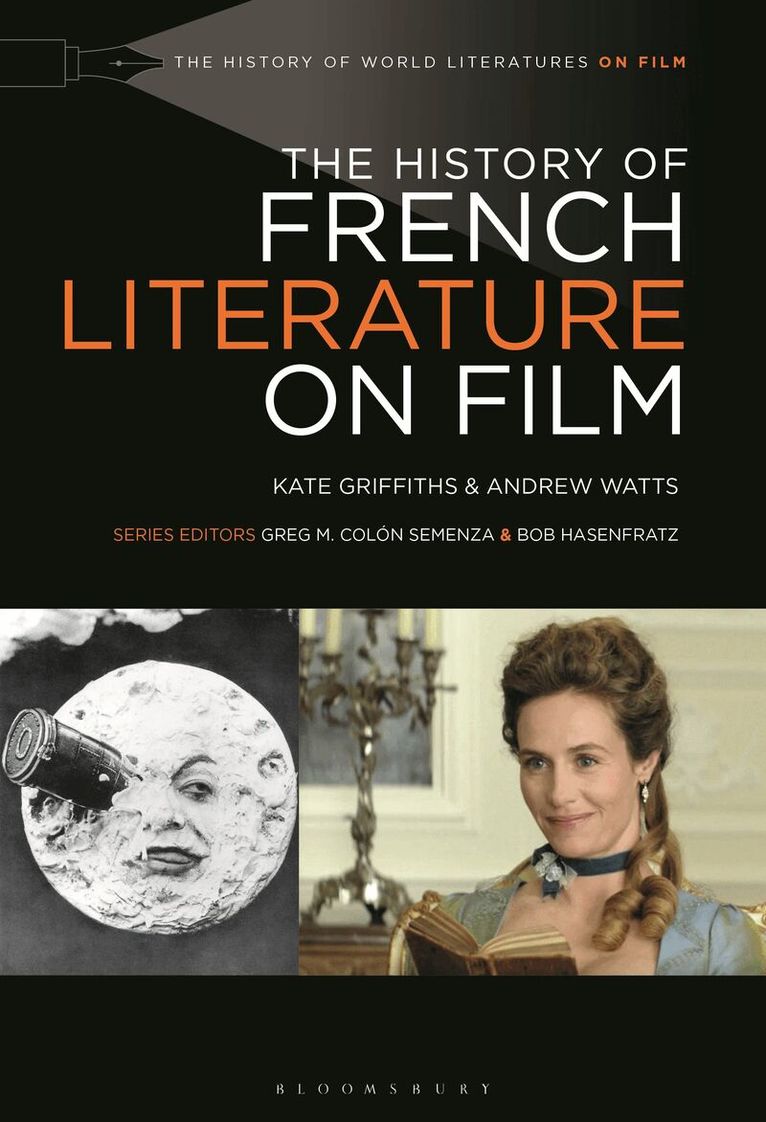
French novels, plays, poems and short stories, however temporally or culturally distant from us, continue to be incarnated and reincarnated on cinema screens across the world. From the silent films of Georges Méliès to the Hollywood production of Gustave Flaubert’s Madame Bovary directed by Sophie Barthes, The History of French Literature on Film explores the key films, directors, and movements that have shaped the adaptation of works by French authors since the end of the 19th century. Across six chapters, Griffiths and Watts examine the factors that have driven this vibrant adaptive industry, as filmmakers have turned to literature in search of commercial profits, cultural legitimacy, and stories rich in dramatic potential. The volume also explains how the work of theorists from a variety of disciplines (literary theory, translation theory, adaptation theory), can help to deepen both our understanding and our appreciation of literary adaptation as a creative practice. Finally, this volume seeks to make clear that adaptation is never a simple transcription of an earlier literary work. It is always simultaneously an adaptation of the society and era for which it is created. Adaptations of French literature are thus not only valuable artistic artefacts in their own right, so too are they important historical documents which testify to the values and tastes of their own time.
2 108 kr
Skickas inom 10-15 vardagar
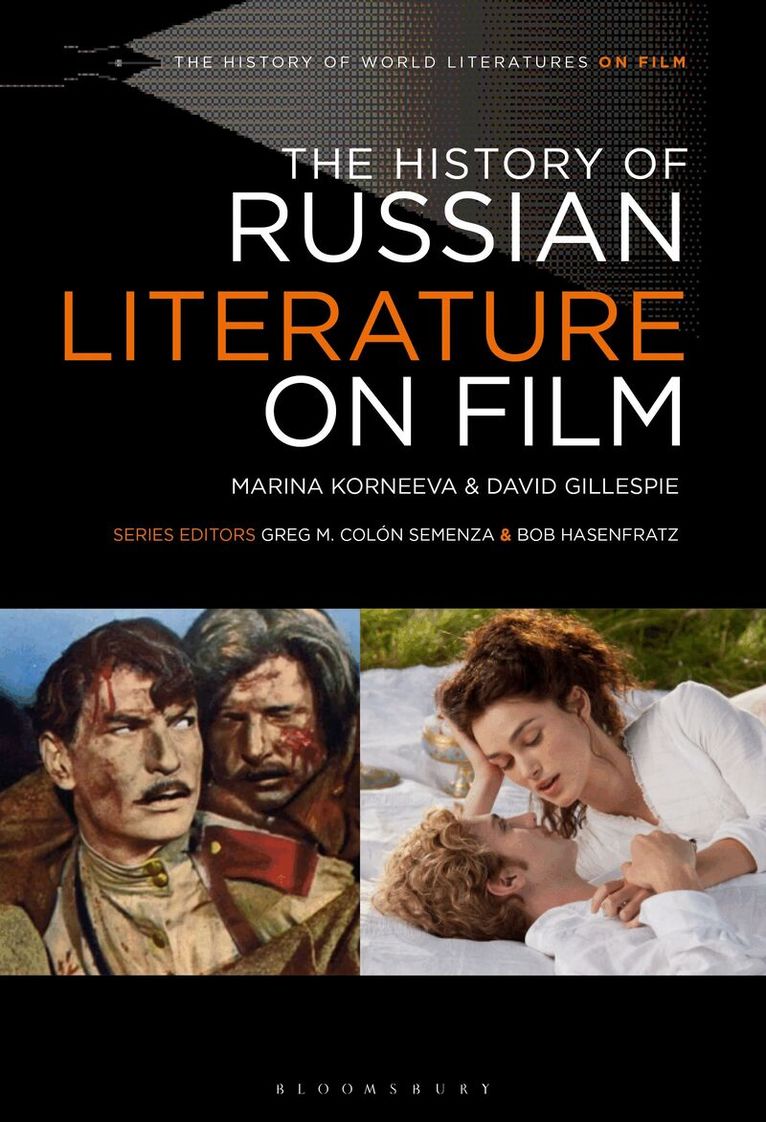
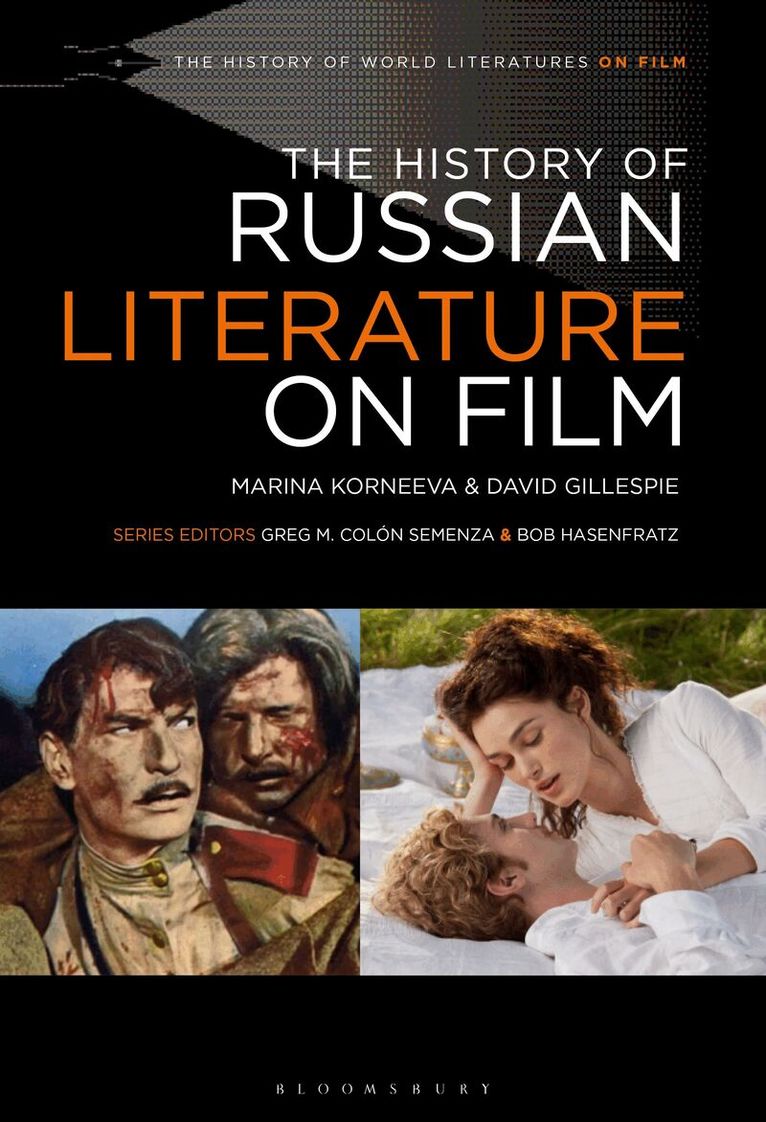
Unlike most previous studies of literature and film, which tend to privilege particular authors, texts, or literary periods, David Gillespie and Marina Korneeva consider the multiple functions of filmed Russian literature as a cinematic subject in its own right—one reflecting the specific political and aesthetic priorities of different national and historical cinemas. In this first and only comprehensive study of cinema’s various engagements of Russian literature focusing on the large period 1895-2015, The History of Russian Literature on Film highlights the ways these adaptations emerged from and continue to shape the social, artistic, and commercial aspects of film history.
607 kr
Skickas inom 10-15 vardagar
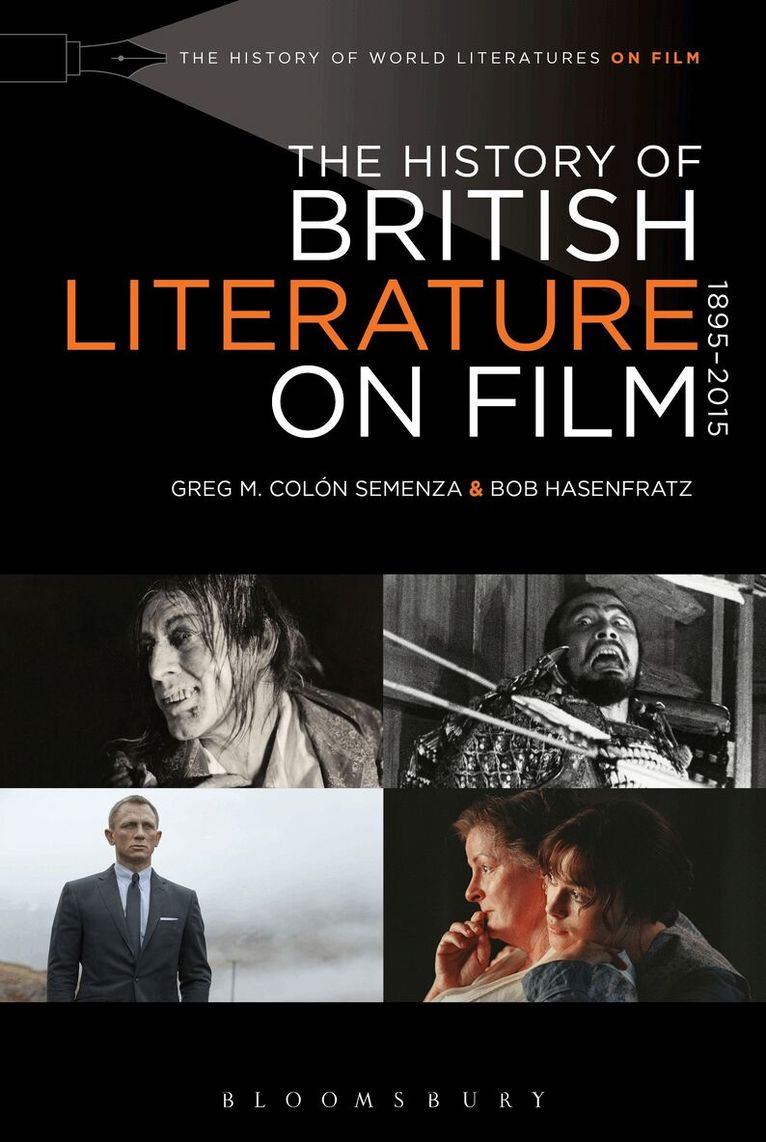
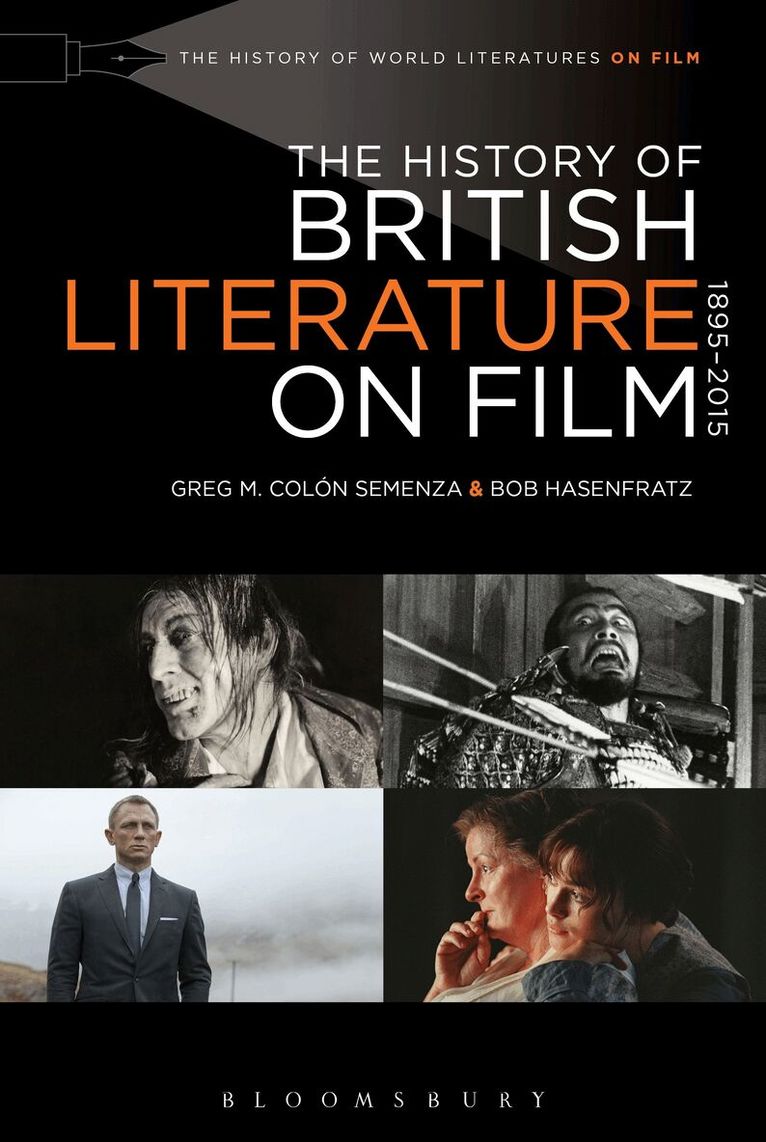
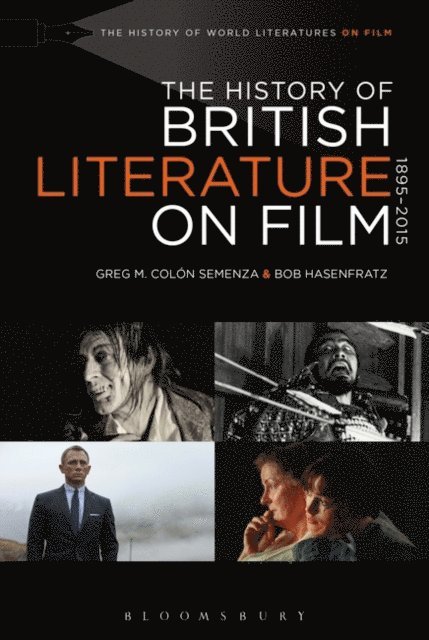
From The Death of Nancy Sykes (1897) to The Hobbit: The Battle of the Five Armies (2014) and beyond, cinematic adaptations of British literature participate in a complex and fascinating history. The History of British Literature on Film, 1895-2015 is the only comprehensive narration of cinema's 100-year-old love affair with British literature. Unlike previous studies of literature and film, which tend to privilege particular authors such as Shakespeare and Jane Austen, or particular texts such as Frankenstein, or particular literary periods such as Medieval, this volume considers the multiple functions of filmed British literature as a cinematic subject in its own right—one reflecting the specific political and aesthetic priorities of different national and historical cinemas. In what ways has the British literary canon authorized and influenced the history and aesthetics of film, and in what ways has filmed British literature both affirmed and challenged the very idea of literary canonicity? Seeking to answer these and other key questions, this indispensable study shows how these adaptations emerged from and continue to shape the social, artistic, and commercial aspects of film history.
499 kr
Skickas inom 10-15 vardagar
French novels, plays, poems and short stories, however temporally or culturally distant from us, continue to be incarnated and reincarnated on cinema screens across the world. From the silent films of Georges Méliès to the Hollywood production of Gustave Flaubert’s Madame Bovary directed by Sophie Barthes, The History of French Literature on Film explores the key films, directors, and movements that have shaped the adaptation of works by French authors since the end of the 19th century. Across six chapters, Griffiths and Watts examine the factors that have driven this vibrant adaptive industry, as filmmakers have turned to literature in search of commercial profits, cultural legitimacy, and stories rich in dramatic potential. The volume also explains how the work of theorists from a variety of disciplines (literary theory, translation theory, adaptation theory), can help to deepen both our understanding and our appreciation of literary adaptation as a creative practice. Finally, this volume seeks to make clear that adaptation is never a simple transcription of an earlier literary work. It is always simultaneously an adaptation of the society and era for which it is created. Adaptations of French literature are thus not only valuable artistic artefacts in their own right, so too are they important historical documents which testify to the values and tastes of their own time.
499 kr
Skickas inom 10-15 vardagar
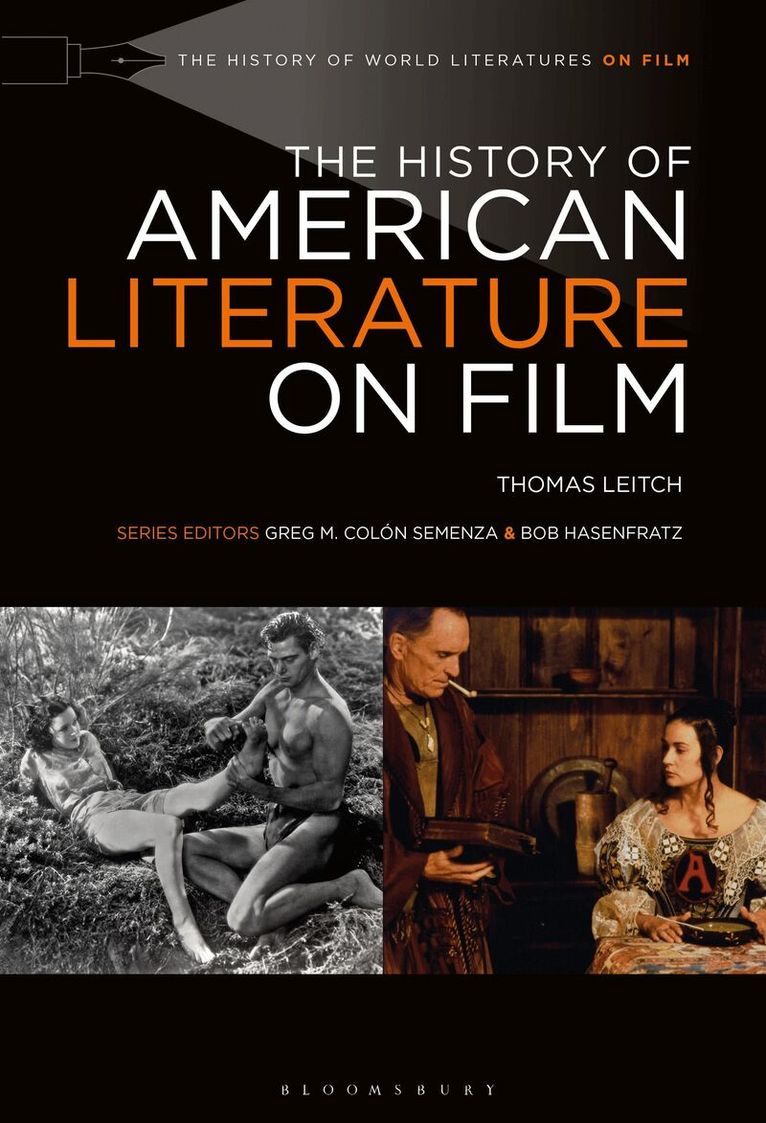
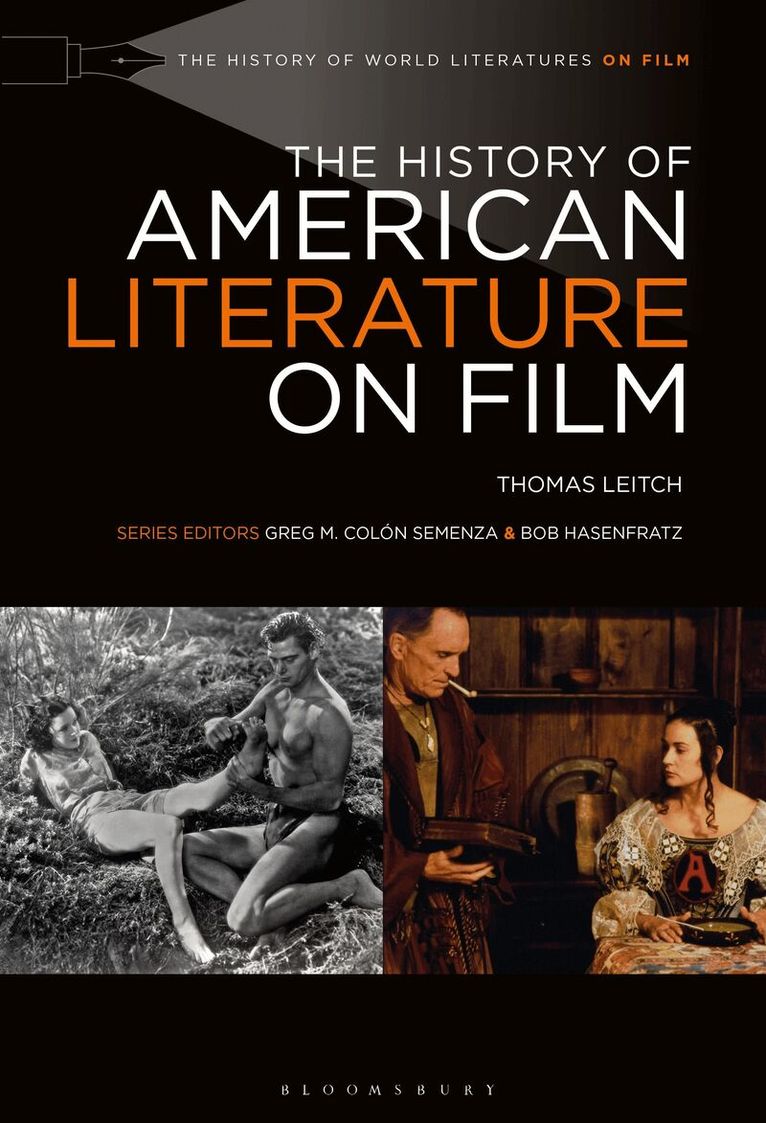
From William Dickson’s Rip Van Winkle films (1896) to Baz Luhrmann’s big-budget production of The Great Gatsby (2013) and beyond, cinematic adaptations of American literature participate in a rich and fascinating history. Unlike previous studies of American literature and film, which emphasize particular authors like Edith Wharton and Nathaniel Hawthorne, particular texts like Moby-Dick, particular literary periods like the American Renaissance, or particular genres like the novel, this volume considers the multiple functions of filmed American literature as a cinematic genre in its own right—one that reflects the specific political and aesthetic priorities of different national and historical cinemas even as it plays a decisive role in defining American literature for a global audience.
453 kr
Skickas inom 10-15 vardagar
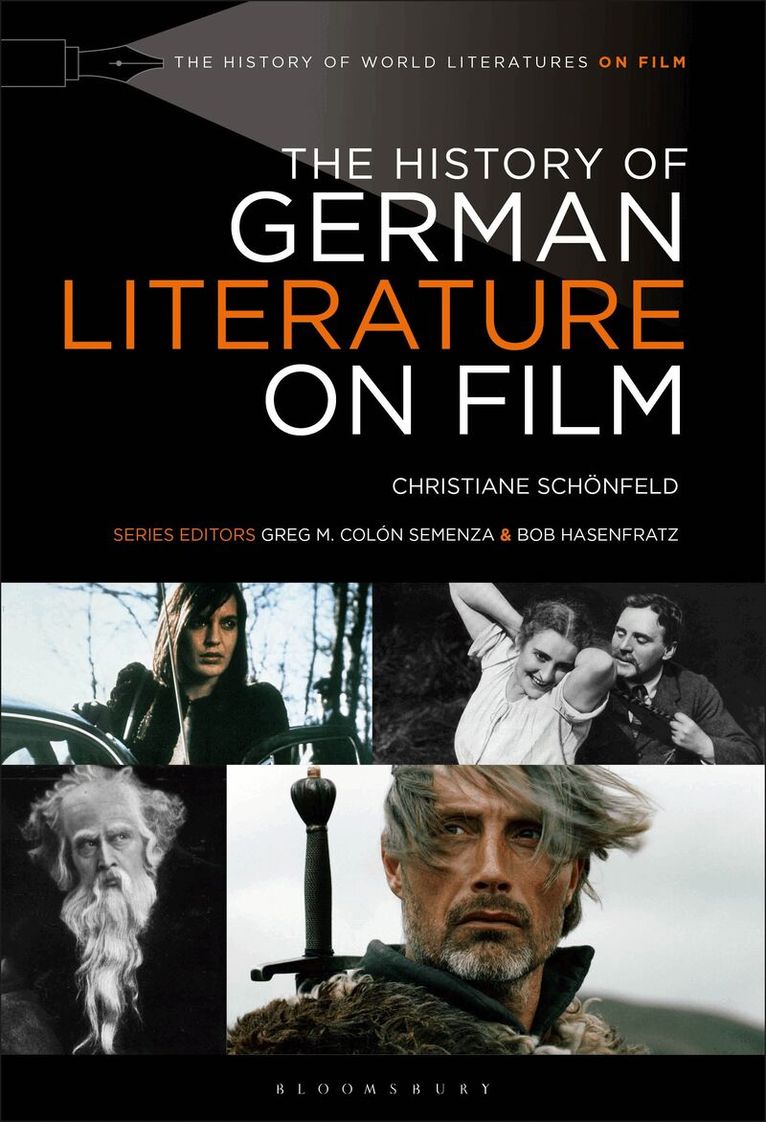
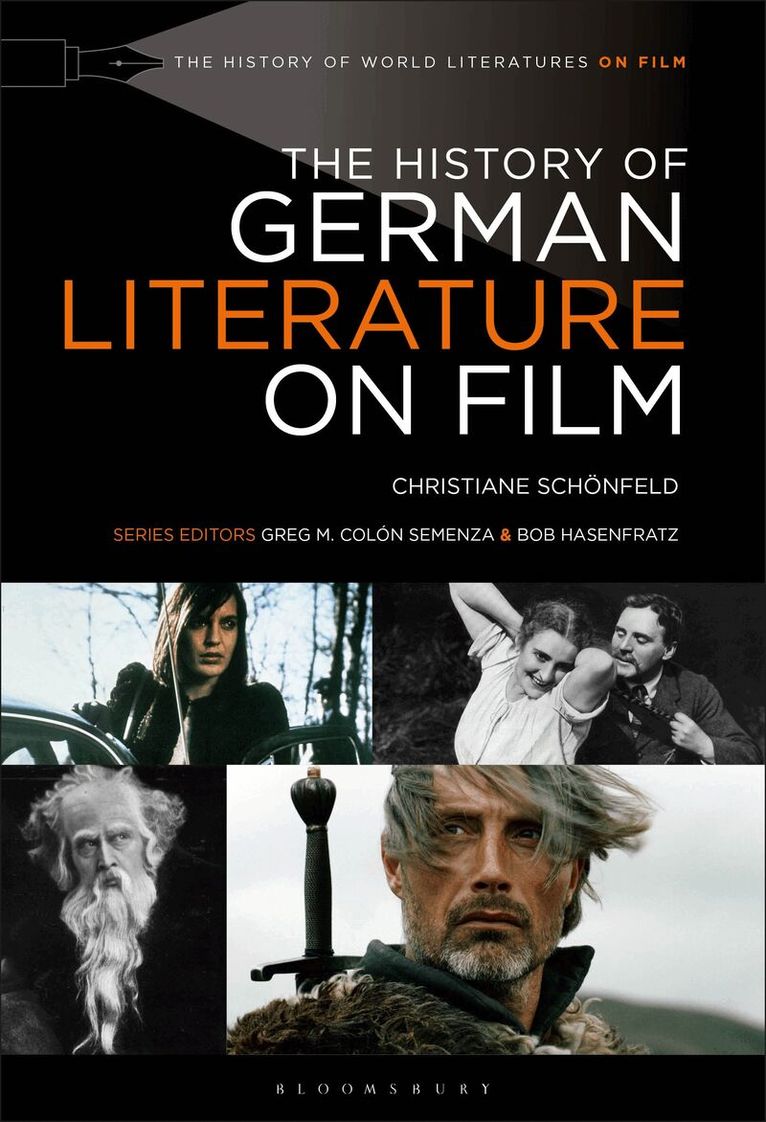
A 2024 CHOICE OUTSTANDING ACADEMIC TITLEThis book tells the story of German-language literature on film, beginning with pioneering motion picture adaptations of Faust in 1897 and early debates focused on high art as mass culture. It explores, analyzes and contextualizes the so-called ‘golden age’ of silent cinema in the 1920s, the impact of sound on adaptation practices, the abuse of literary heritage by Nazi filmmakers, and traces the role of German-language literature in exile and postwar films, across ideological boundaries in divided Germany, in New German Cinema, and in remakes and movies for cinema as well as television and streaming services in the 21st century. Having provided the narrative core to thousands of films since the late 19th century, many of German cinema’s most influential masterpieces were inspired by canonical texts, popular plays, and even children’s literature. Not being restricted to German adaptations, however, this book also traces the role of literature originally written in German in international film productions, which sheds light on the interrelation between cinema and key historical events. It outlines how processes of adaptation are shaped by global catastrophes and the emergence of nations, by materialist conditions, liberal economies and capitalist imperatives, political agendas, the mobility of individuals, and sometimes by the desire to create reflective surfaces and, perhaps, even art. Commercial cinema’s adaptation practices have foregrounded economic interest, but numerous filmmakers throughout cinema history have turned to German-language literature not simply to entertain, but as a creative contribution to the public sphere, marking adaptation practice, at least potentially, as a form of active citizenship.
2 500 kr
Skickas inom 10-15 vardagar
From The Death of Nancy Sykes (1897) to The Hobbit: The Battle of the Five Armies (2014) and beyond, cinematic adaptations of British literature participate in a complex and fascinating history. The History of British Literature on Film, 1895-2015 is the only comprehensive narration of cinema's 100-year-old love affair with British literature. Unlike previous studies of literature and film, which tend to privilege particular authors such as Shakespeare and Jane Austen, or particular texts such as Frankenstein, or particular literary periods such as Medieval, this volume considers the multiple functions of filmed British literature as a cinematic subject in its own right—one reflecting the specific political and aesthetic priorities of different national and historical cinemas. In what ways has the British literary canon authorized and influenced the history and aesthetics of film, and in what ways has filmed British literature both affirmed and challenged the very idea of literary canonicity? Seeking to answer these and other key questions, this indispensable study shows how these adaptations emerged from and continue to shape the social, artistic, and commercial aspects of film history.
2 558 kr
Skickas inom 10-15 vardagar
From William Dickson’s Rip Van Winkle films (1896) to Baz Luhrmann’s big-budget production of The Great Gatsby (2013) and beyond, cinematic adaptations of American literature participate in a rich and fascinating history. Unlike previous studies of American literature and film, which emphasize particular authors like Edith Wharton and Nathaniel Hawthorne, particular texts like Moby-Dick, particular literary periods like the American Renaissance, or particular genres like the novel, this volume considers the multiple functions of filmed American literature as a cinematic genre in its own right—one that reflects the specific political and aesthetic priorities of different national and historical cinemas even as it plays a decisive role in defining American literature for a global audience.
2 333 kr
Skickas inom 10-15 vardagar
A 2024 CHOICE OUTSTANDING ACADEMIC TITLEThis book tells the story of German-language literature on film, beginning with pioneering motion picture adaptations of Faust in 1897 and early debates focused on high art as mass culture. It explores, analyzes and contextualizes the so-called ‘golden age’ of silent cinema in the 1920s, the impact of sound on adaptation practices, the abuse of literary heritage by Nazi filmmakers, and traces the role of German-language literature in exile and postwar films, across ideological boundaries in divided Germany, in New German Cinema, and in remakes and movies for cinema as well as television and streaming services in the 21st century. Having provided the narrative core to thousands of films since the late 19th century, many of German cinema’s most influential masterpieces were inspired by canonical texts, popular plays, and even children’s literature. Not being restricted to German adaptations, however, this book also traces the role of literature originally written in German in international film productions, which sheds light on the interrelation between cinema and key historical events. It outlines how processes of adaptation are shaped by global catastrophes and the emergence of nations, by materialist conditions, liberal economies and capitalist imperatives, political agendas, the mobility of individuals, and sometimes by the desire to create reflective surfaces and, perhaps, even art. Commercial cinema’s adaptation practices have foregrounded economic interest, but numerous filmmakers throughout cinema history have turned to German-language literature not simply to entertain, but as a creative contribution to the public sphere, marking adaptation practice, at least potentially, as a form of active citizenship.
1 314 kr
Skickas inom 10-15 vardagar
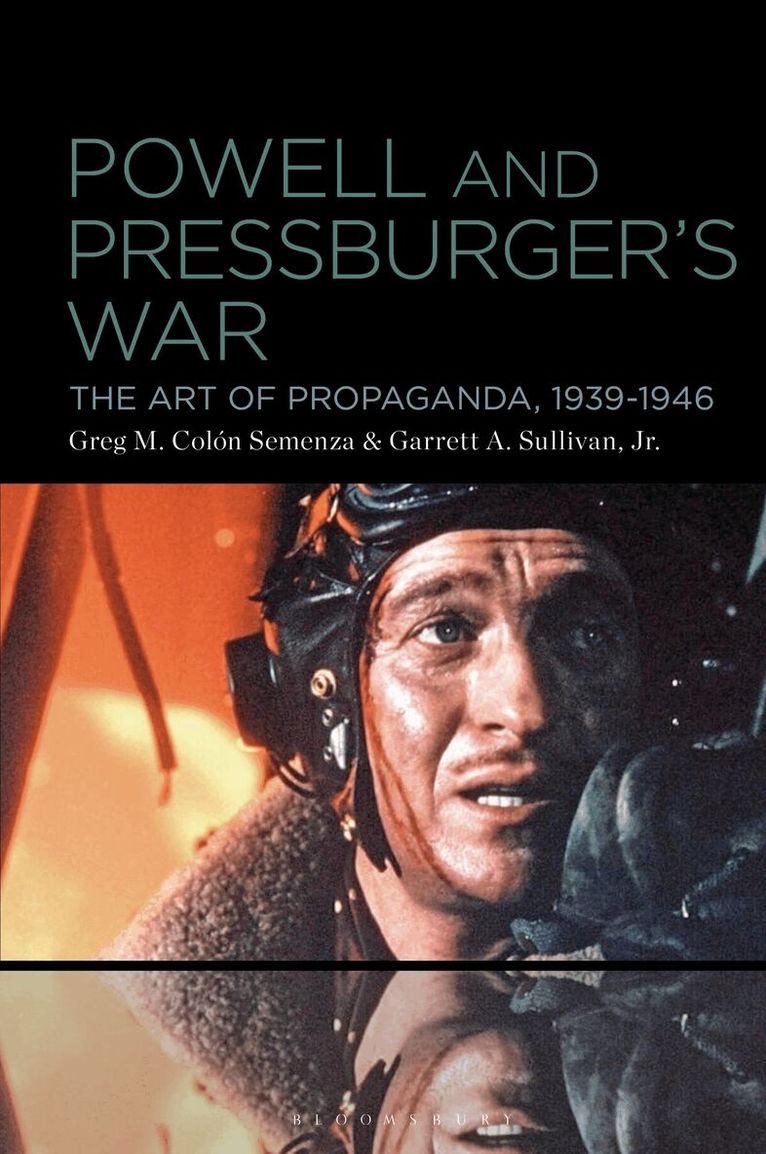
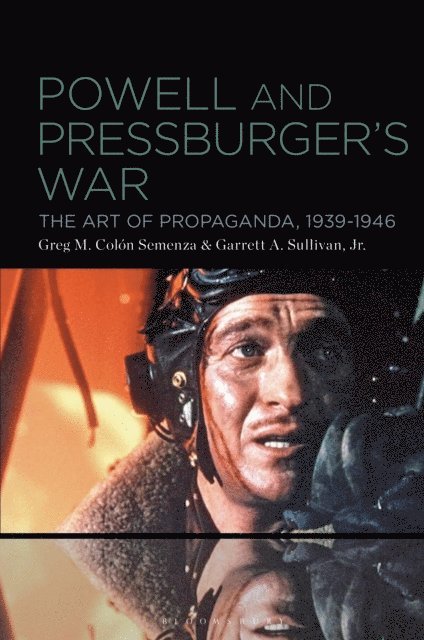
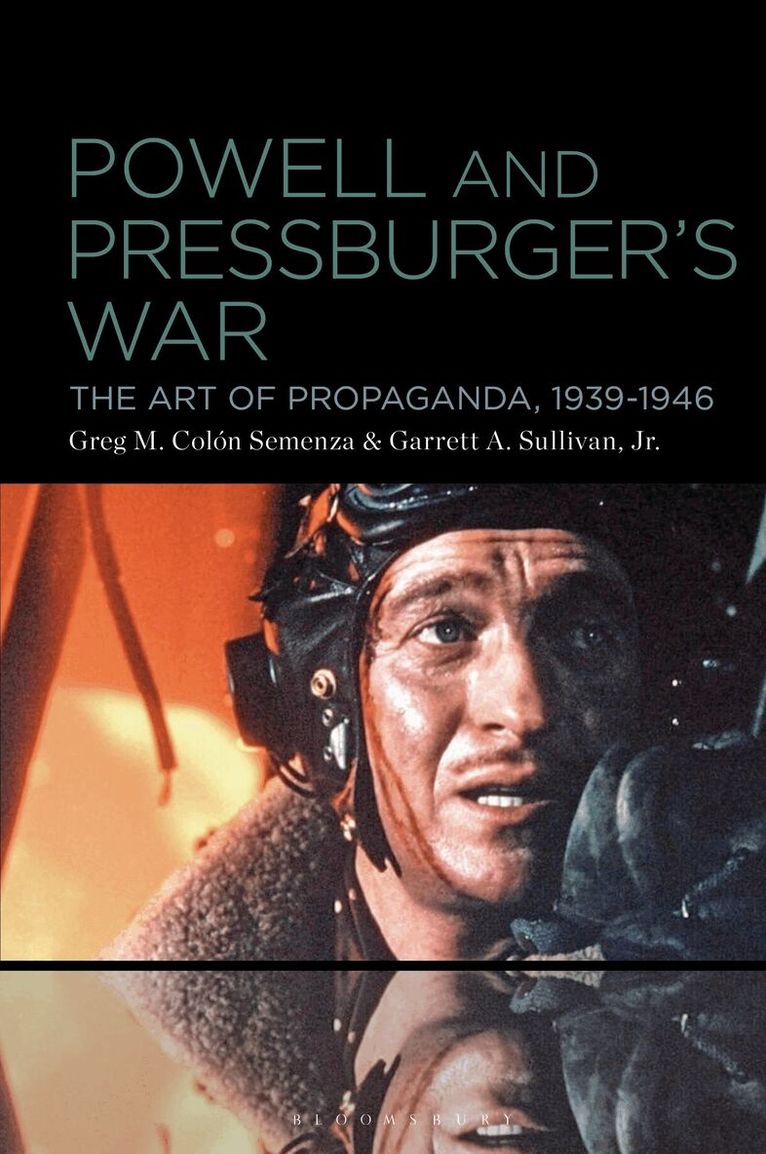
A focused study on Michael Powell and Emeric Pressburger’s cinematic contributions to the war effort, arguing for the centrality of propaganda to their work as film artists.Michael Powell and Emeric Pressburger are widely hailed as two of the greatest filmmakers in British cinema history. The release of their first movie, The Spy in Black, barely preceded the beginning of World War Two, and a number of their early masterworks, including The Life and Death of Colonel Blimp, A Canterbury Tale, and A Matter of Life and Death, were produced in the service of the war effort. Through exploring the relationship between art and propaganda, this book shows that Powell and Pressburger saw no contradiction between their aesthetic ambitions and their cinematic war work: propaganda imperatives were highly conducive to their objectives as both commercial cinema practitioners and artists.Drawing on production materials from the archives of the British Film Institute, this book charts three phases in Powell and Pressburger’s wartime career: from first-time collaborators who strive to reconcile popular cinematic forms with developing notions of what constitutes effective propaganda; to accomplished, and sometimes controversial, propagandists whose movies center upon Britain’s relations with its enemies and allies; to filmmakers whose responsiveness to the propaganda requirements of the late war is matched by a focus, shared by the Ministry of Information, on what the post-war future would bring.
420 kr
Skickas inom 10-15 vardagar
A focused study on Michael Powell and Emeric Pressburger’s cinematic contributions to the war effort, arguing for the centrality of propaganda to their work as film artists.Michael Powell and Emeric Pressburger are widely hailed as two of the greatest filmmakers in British cinema history. The release of their first movie, The Spy in Black, barely preceded the beginning of World War Two, and a number of their early masterworks, including The Life and Death of Colonel Blimp, A Canterbury Tale, and A Matter of Life and Death, were produced in the service of the war effort. Through exploring the relationship between art and propaganda, this book shows that Powell and Pressburger saw no contradiction between their aesthetic ambitions and their cinematic war work: propaganda imperatives were highly conducive to their objectives as both commercial cinema practitioners and artists.Drawing on production materials from the archives of the British Film Institute, this book charts three phases in Powell and Pressburger’s wartime career: from first-time collaborators who strive to reconcile popular cinematic forms with developing notions of what constitutes effective propaganda; to accomplished, and sometimes controversial, propagandists whose movies center upon Britain’s relations with its enemies and allies; to filmmakers whose responsiveness to the propaganda requirements of the late war is matched by a focus, shared by the Ministry of Information, on what the post-war future would bring.
593 kr
Skickas inom 10-15 vardagar
Unlike most previous studies of literature and film, which tend to privilege particular authors, texts, or literary periods, David Gillespie and Marina Korneeva consider the multiple functions of filmed Russian literature as a cinematic subject in its own right—one reflecting the specific political and aesthetic priorities of different national and historical cinemas. In this first and only comprehensive study of cinema’s various engagements of Russian literature focusing on the large period 1895-2015, The History of Russian Literature on Film highlights the ways these adaptations emerged from and continue to shape the social, artistic, and commercial aspects of film history.