Christopher B. Patterson - Böcker
Visar alla böcker från författaren Christopher B. Patterson. Handla med fri frakt och snabb leverans.
10 produkter
10 produkter
1 739 kr
Skickas inom 3-6 vardagar
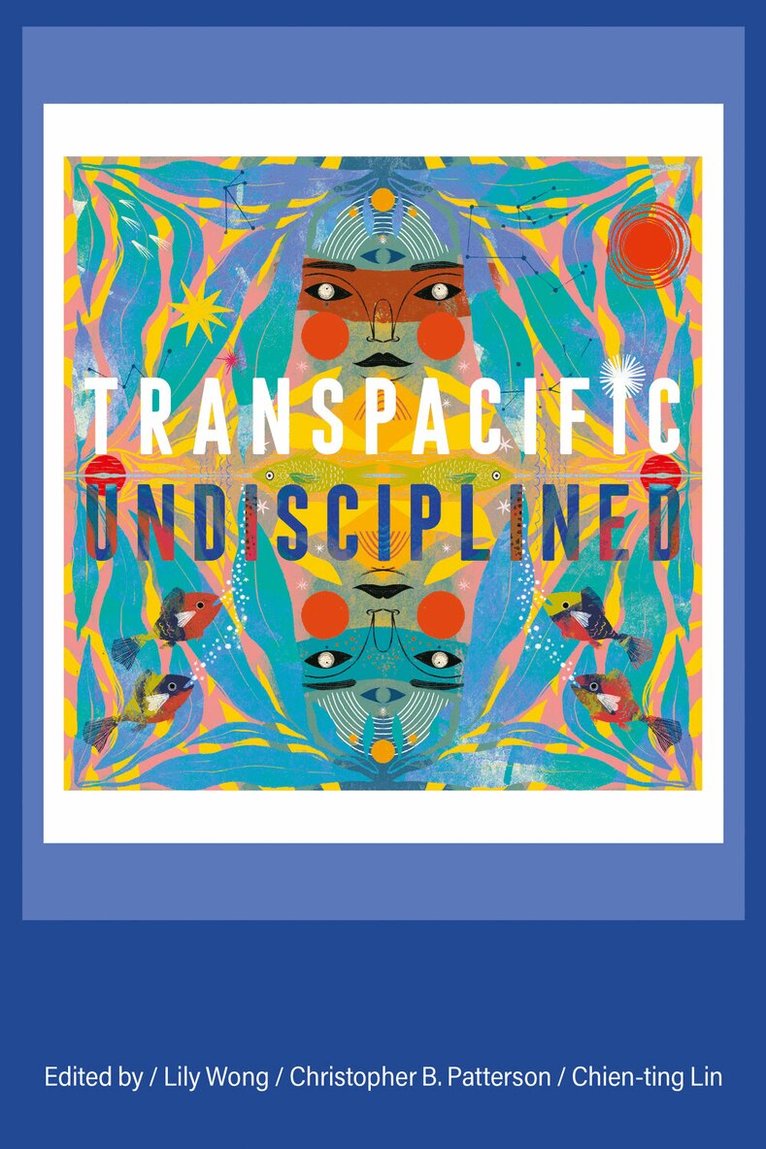
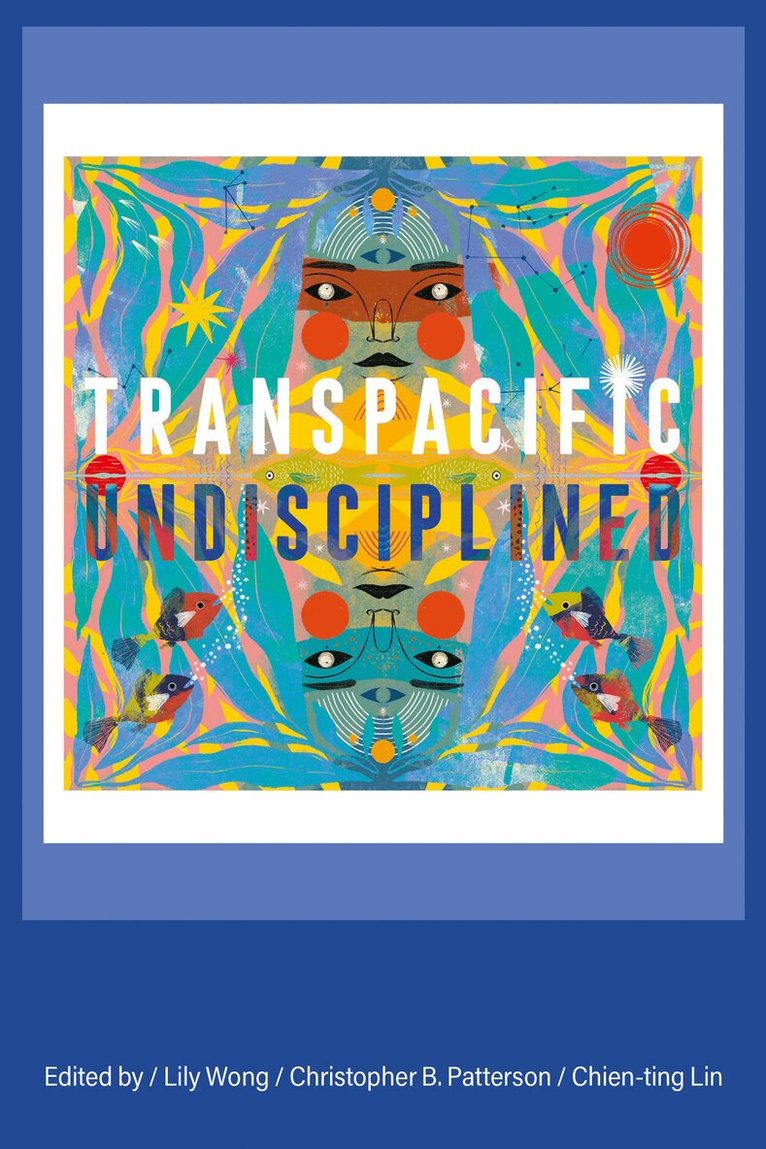
Remaps the scope and methods of the transpacific approachAntinuclear coalitions centering Native survivance from Okinawa to the Dakotas to Micronesia, refugee figures and automated empathy in virtual reality, cross-strait erotic intimacy in Taiwanese teahouses, art illuminating everyday convergences between migrant workers in Hawai‘i’s hospitality industry. By foregrounding such complex entanglements within, across, and beyond the Pacific, Transpacific, Undisciplined activates generative, if obscured, connections against fixed national and methodological boundaries and reveals how an undisciplined approach can reconfigure itself in relation to unequal exchanges among Asia, the Pacific, and the Americas.With lucid contributions and a rich theoretical framework, this groundbreaking book resists geopolitical binaries to emphasize relations between peoples and populations who have long navigated imperial binds. In mobilizing the dynamic energy of the transpacific as an analytic, it brings together seemingly unrelated intellectual fields to trace across empires, local struggles, and inter-imperial intimacies. The book not only unsettles prominent discourses, it also invites discussion about unseen possibilities and new wayward histories, methods, and relations.
444 kr
Skickas inom 7-10 vardagar
Remaps the scope and methods of the transpacific approachAntinuclear coalitions centering Native survivance from Okinawa to the Dakotas to Micronesia, refugee figures and automated empathy in virtual reality, cross-strait erotic intimacy in Taiwanese teahouses, art illuminating everyday convergences between migrant workers in Hawai‘i’s hospitality industry. By foregrounding such complex entanglements within, across, and beyond the Pacific, Transpacific, Undisciplined activates generative, if obscured, connections against fixed national and methodological boundaries and reveals how an undisciplined approach can reconfigure itself in relation to unequal exchanges among Asia, the Pacific, and the Americas.With lucid contributions and a rich theoretical framework, this groundbreaking book resists geopolitical binaries to emphasize relations between peoples and populations who have long navigated imperial binds. In mobilizing the dynamic energy of the transpacific as an analytic, it brings together seemingly unrelated intellectual fields to trace across empires, local struggles, and inter-imperial intimacies. The book not only unsettles prominent discourses, it also invites discussion about unseen possibilities and new wayward histories, methods, and relations.
499 kr
Skickas inom 10-15 vardagar
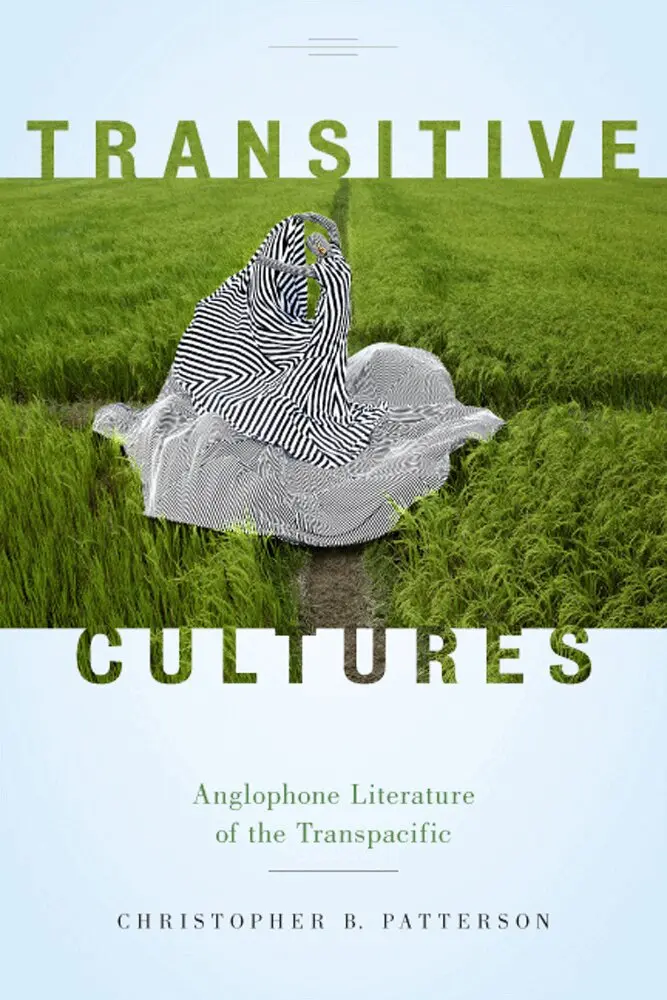
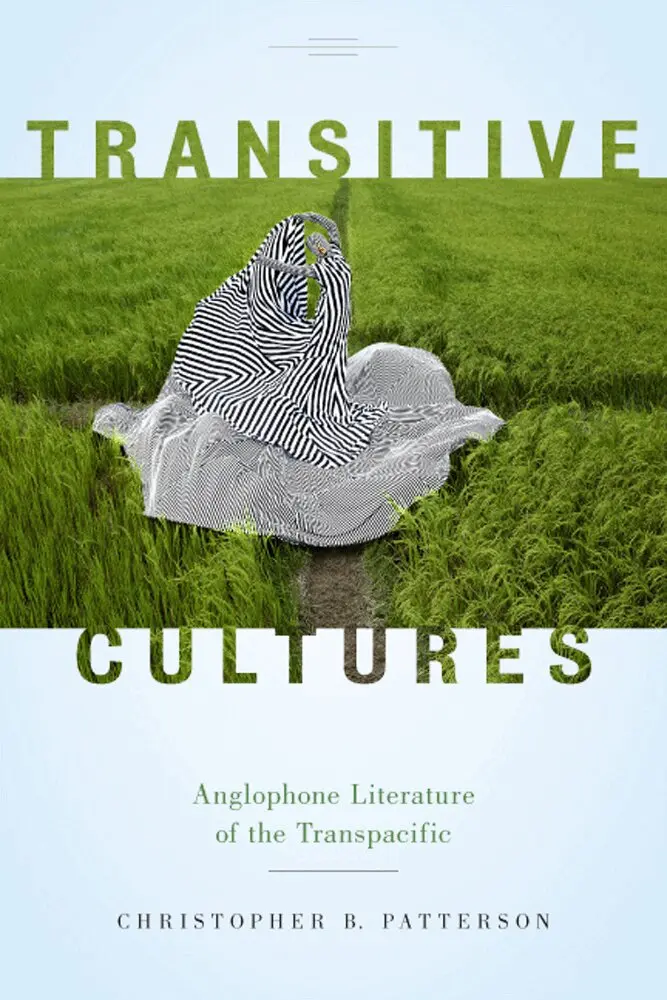
Winner of the 2020 Shelley Fisher Fishkin Prize from the American Studies AssociationTexts written by Southeast Asian migrants have often been read, taught, and studied under the label of multicultural literature. But what if the ideology of multiculturalism-with its emphasis on authenticity and identifiable cultural difference-is precisely what this literature resists? Transitive Cultures offers a new perspective on transpacific Anglophone literature, revealing how these chameleonic writers enact a variety of hybrid, transnational identities and intimacies. Examining literature from Malaysia, Singapore, and the Philippines, as well as from Southeast Asian migrants in Canada, Hawaii, and the U.S. mainland, this book considers how these authors use English strategically, as a means for building interethnic alliances and critiquing ruling power structures in both Southeast Asia and North America. Uncovering a wealth of texts from queer migrants, those who resist ethnic stereotypes, and those who feel few ties to their ostensible homelands, Transitive Cultures challenges conventional expectations regarding diaspora and minority writers.
1 805 kr
Skickas inom 10-15 vardagar
Winner of the 2020 Shelley Fisher Fishkin Prize from the American Studies AssociationTexts written by Southeast Asian migrants have often been read, taught, and studied under the label of multicultural literature. But what if the ideology of multiculturalism-with its emphasis on authenticity and identifiable cultural difference-is precisely what this literature resists? Transitive Cultures offers a new perspective on transpacific Anglophone literature, revealing how these chameleonic writers enact a variety of hybrid, transnational identities and intimacies. Examining literature from Malaysia, Singapore, and the Philippines, as well as from Southeast Asian migrants in Canada, Hawaii, and the U.S. mainland, this book considers how these authors use English strategically, as a means for building interethnic alliances and critiquing ruling power structures in both Southeast Asia and North America. Uncovering a wealth of texts from queer migrants, those who resist ethnic stereotypes, and those who feel few ties to their ostensible homelands, Transitive Cultures challenges conventional expectations regarding diaspora and minority writers.
1 253 kr
Skickas inom 7-10 vardagar
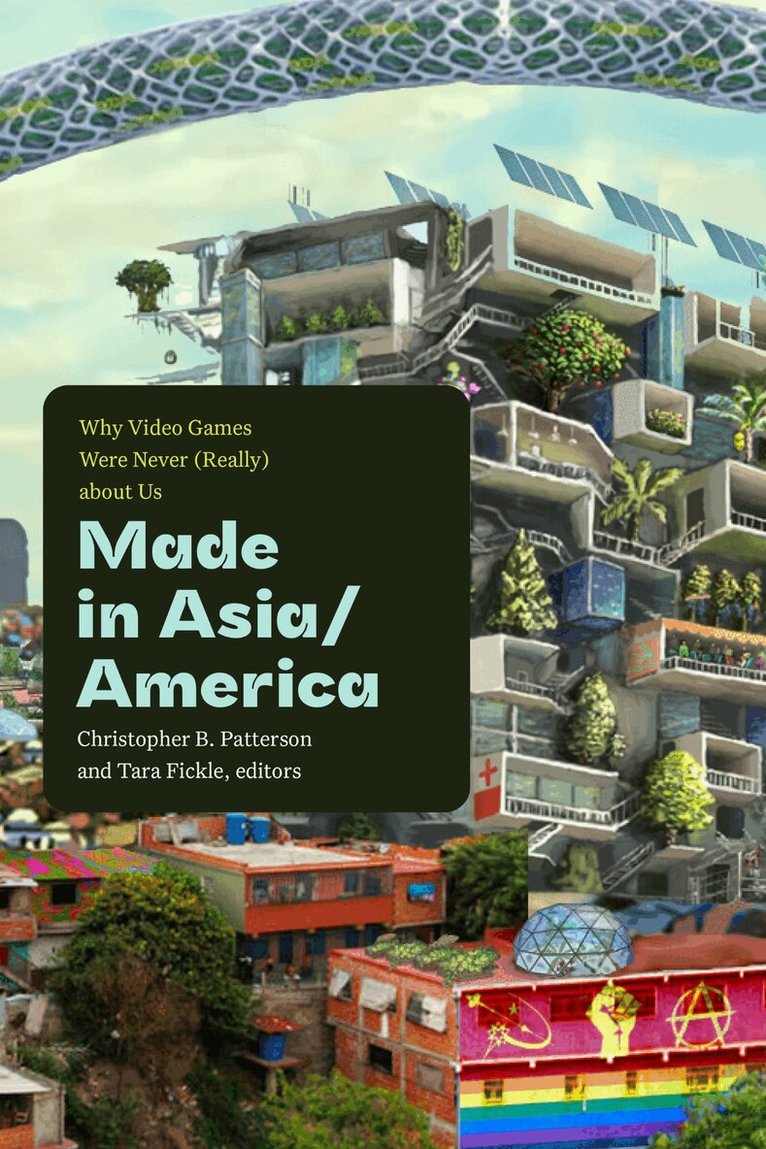
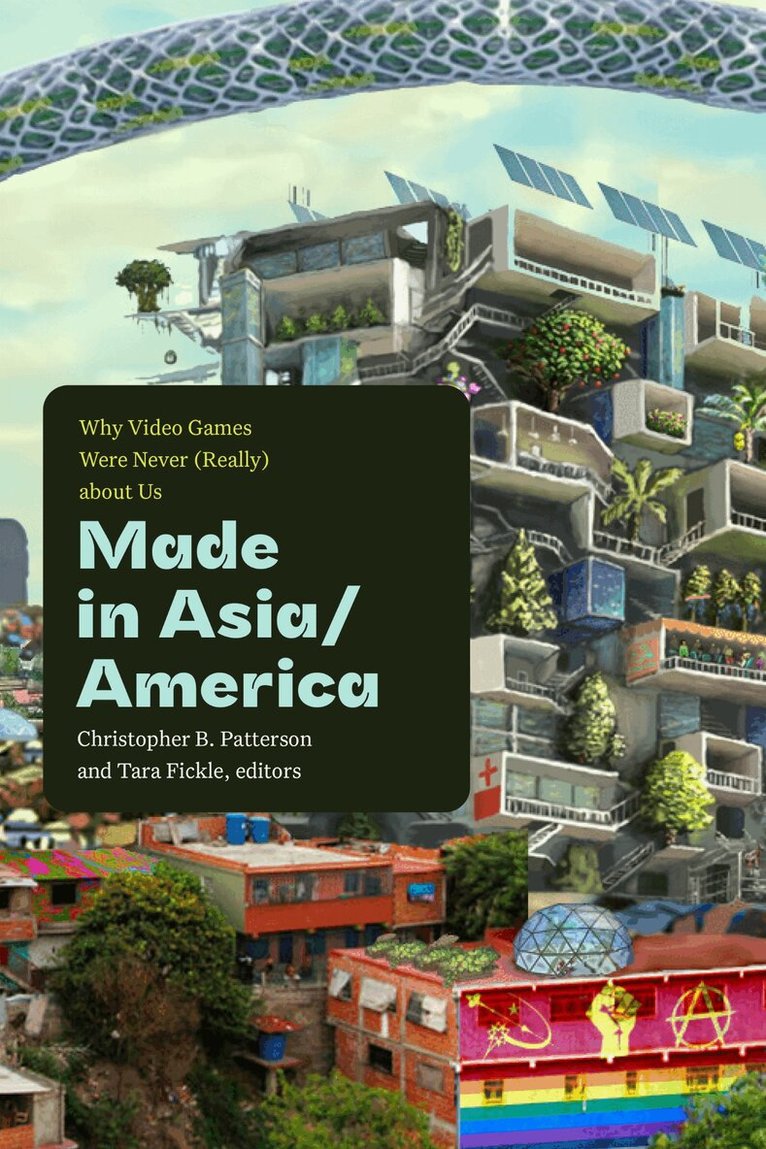
Made in Asia/America explores the key role video games play within the race makings of Asia/America. Its fourteen critical essays on games, ranging from Death Stranding to Animal Crossing, and five roundtables with twenty Asian/American game makers examine the historical entanglements of games, Asia, and America, and reveal the ways games offer new modes of imagining imperial violence, racial difference, and coalition. Shifting away from Eurocentric, white, masculinist takes on gaming, the contributors focus on minority and queer experiences, practices, and innovative scholarly methods to better account for the imperial circulation of games. Encouraging ambiguous and contextual ways of understanding games, the editors offer an “interactive” editorial method, a genre-expanding approach that encourages hybrid works of autotheory, queer of color theory, and conversation among game makers and scholars to generate divergent meanings of games, play, and “Asian America.”Contributors. Matthew Seiji Burns, Edmond Y. Chang, Naomi Clark, Miyoko Conley, Toby Đỗ, Anthony Dominguez, Tara Fickle, Sarah Christina Ganzon, Yuxin Gao, Domini Gee, Melos Han-Tani, Huan He, Matthew Jungsuk Howard, Rachael Hutchinson, Paraluman (Luna) Javier, Sisi Jiang, Marina Ayano Kittaka, Minh Le, Haneul Lee, Rachel Li, Christian Kealoha Miller, Patrick Miller, Keita C. Moore, Souvik Mukherjee, Christopher B. Patterson, Pamela (Pam) Punzalan, Takeo Rivera, Yasheng She, D. Squinkifer, Lien B. Tran, Prabhash Ranjan Tripathy, Emperatriz Ung, Gerald Voorhees, Yizhou (Joe) Xu, Robert Yang, Mike Ren Yi
1 269 kr
Skickas inom 7-10 vardagar
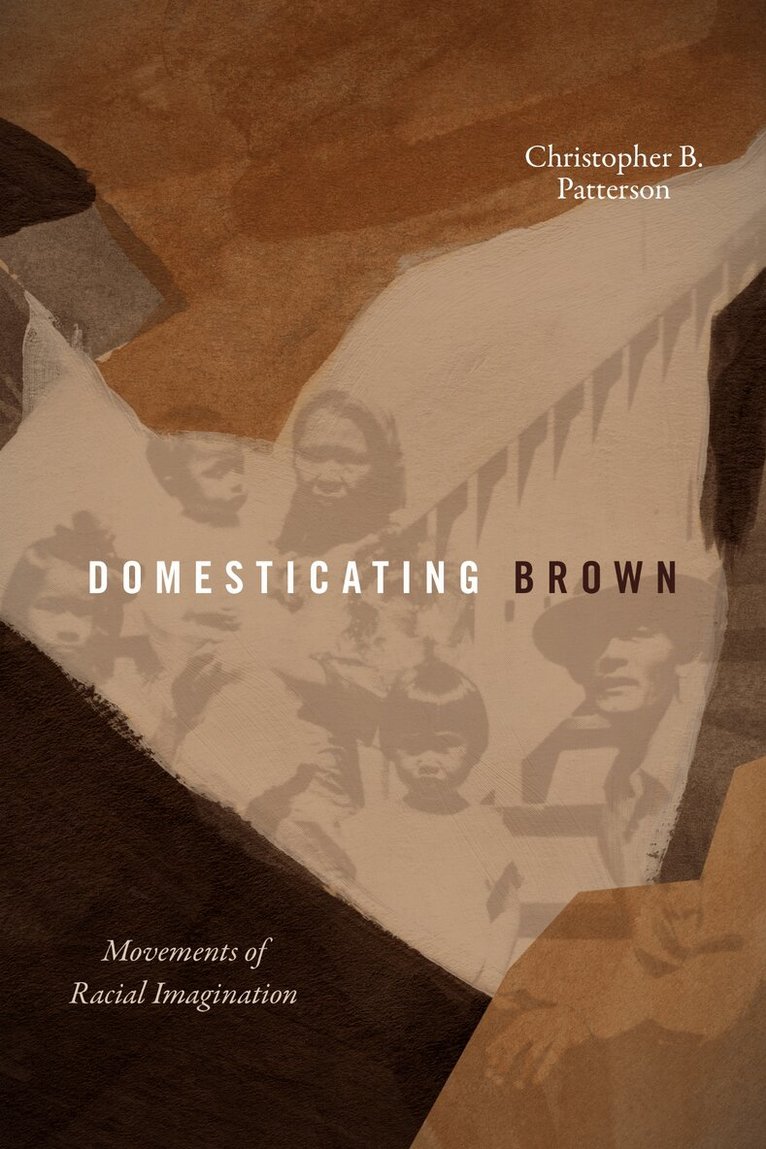
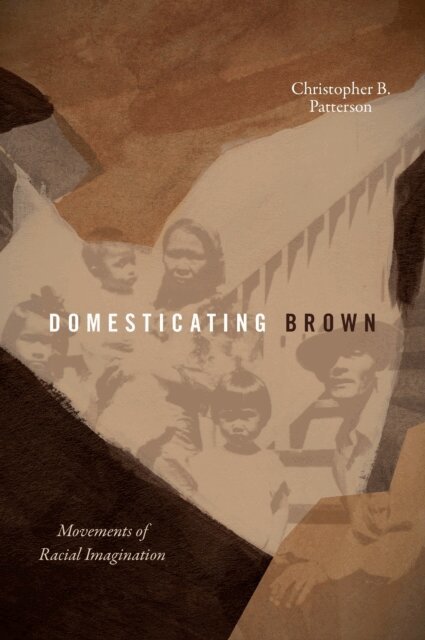
Domesticating Brown interrogates the slippery senses that brownness as a racial form has manifested over time, charting its transitions across historical colonial contexts and into the transpacific dynamics of contemporary empire. Christopher B. Patterson rethinks universalist definitions of race to consider the constant movements in racial contexts, meanings, and practices that “brownness” reveals: as a site for the ungovernable brown mass, as peoples marked for domestication through strategies of colonial containment, and as the complex shades that reveal troubling genealogies and shameful intimacies. Tracing the emergences and transformations of brownness in various contexts of transpacific encounter—from the Mongol Empire to Filipino plantation migration in Hawaiʻi, from the imperial management of Hong Kong to contemporary brown authorship—Domesticating Brown explores how colonial subjects and other marginalized peoples have strategized ways of resisting and reversing dominating notions of brownness through art, story, and embodied difference.
318 kr
Skickas
Made in Asia/America explores the key role video games play within the race makings of Asia/America. Its fourteen critical essays on games, ranging from Death Stranding to Animal Crossing, and five roundtables with twenty Asian/American game makers examine the historical entanglements of games, Asia, and America, and reveal the ways games offer new modes of imagining imperial violence, racial difference, and coalition. Shifting away from Eurocentric, white, masculinist takes on gaming, the contributors focus on minority and queer experiences, practices, and innovative scholarly methods to better account for the imperial circulation of games. Encouraging ambiguous and contextual ways of understanding games, the editors offer an “interactive” editorial method, a genre-expanding approach that encourages hybrid works of autotheory, queer of color theory, and conversation among game makers and scholars to generate divergent meanings of games, play, and “Asian America.”Contributors. Matthew Seiji Burns, Edmond Y. Chang, Naomi Clark, Miyoko Conley, Toby Đỗ, Anthony Dominguez, Tara Fickle, Sarah Christina Ganzon, Yuxin Gao, Domini Gee, Melos Han-Tani, Huan He, Matthew Jungsuk Howard, Rachael Hutchinson, Paraluman (Luna) Javier, Sisi Jiang, Marina Ayano Kittaka, Minh Le, Haneul Lee, Rachel Li, Christian Kealoha Miller, Patrick Miller, Keita C. Moore, Souvik Mukherjee, Christopher B. Patterson, Pamela (Pam) Punzalan, Takeo Rivera, Yasheng She, D. Squinkifer, Lien B. Tran, Prabhash Ranjan Tripathy, Emperatriz Ung, Gerald Voorhees, Yizhou (Joe) Xu, Robert Yang, Mike Ren Yi
309 kr
Skickas inom 7-10 vardagar
Domesticating Brown interrogates the slippery senses that brownness as a racial form has manifested over time, charting its transitions across historical colonial contexts and into the transpacific dynamics of contemporary empire. Christopher B. Patterson rethinks universalist definitions of race to consider the constant movements in racial contexts, meanings, and practices that “brownness” reveals: as a site for the ungovernable brown mass, as peoples marked for domestication through strategies of colonial containment, and as the complex shades that reveal troubling genealogies and shameful intimacies. Tracing the emergences and transformations of brownness in various contexts of transpacific encounter – from the Mongol Empire to Filipino plantation migration in Hawai’i, from the imperial management of Hong Kong to contemporary brown authorship – Domesticating Brown explores how colonial subjects and other marginalized peoples have strategized ways of resisting and reversing dominating notions of brownness through art, story, and embodied difference.
783 kr
Skickas
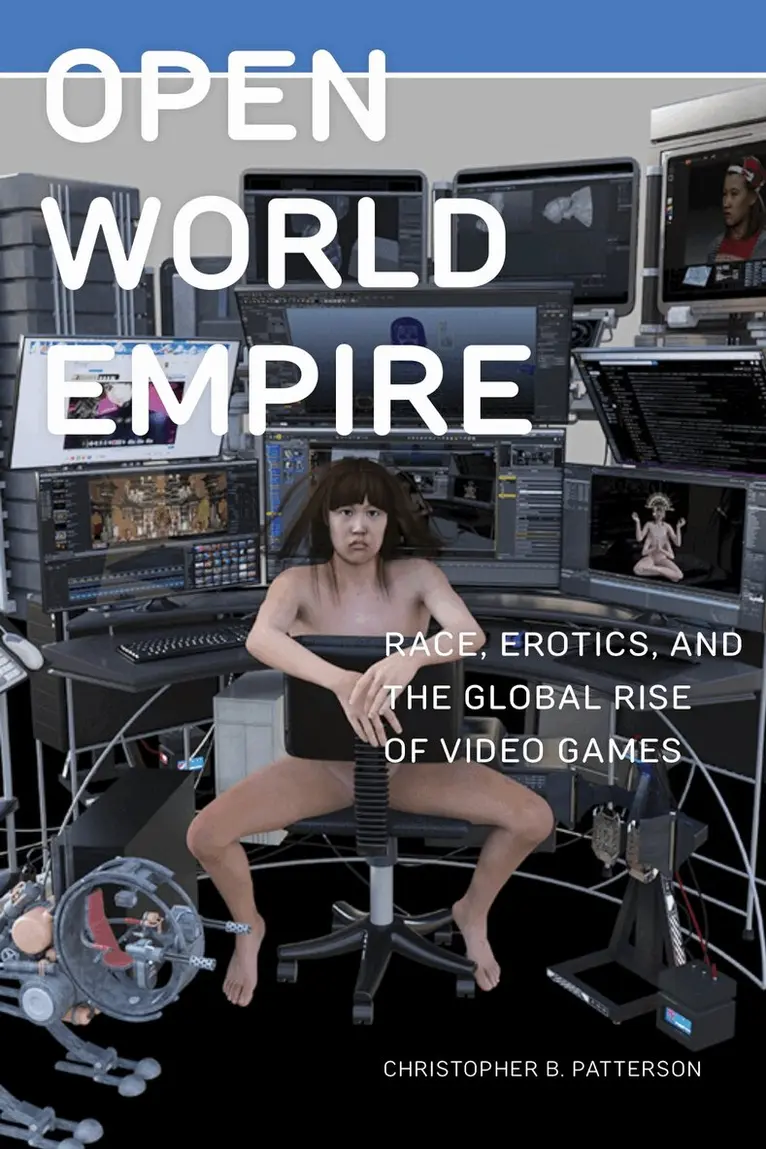
Finalist, 2021 John Hope Franklin Prize, given by the American Studies AssociationSeeking ways to understand video games beyond their imperial logics, Patterson turns to erotics to re-invigorate the potential passions and pleasures of playVideo games vastly outpace all other mediums of entertainment in revenue and in global reach. On the surface, games do not appear ideological, nor are they categorized as national products. Instead, they seem to reflect the open and uncontaminated reputation of information technology. Video games are undeniably imperial products. Their very existence has been conditioned upon the spread of militarized technology, the exploitation of already-existing labor and racial hierarchies in their manufacture, and the utopian promises of digital technology. Like literature and film before it, video games have become the main artistic expression of empire today: the open world empire, formed through the routes of information technology and the violences of drone combat, unending war, and overseas massacres that occur with little scandal or protest.Though often presented as purely technological feats, video games are also artistic projects, and as such, they allow us an understanding of how war and imperial violence proceed under signs of openness, transparency, and digital utopia. But the video game, as Christopher B. Patterson argues, is also an inherently Asian commodity: its hardware is assembled in Asia; its most talented e-sports players are of Asian origin; Nintendo, Sony, and Sega have defined and dominated the genre. Games draw on established discourses of Asia to provide an "Asiatic" space, a playful sphere of racial otherness that straddles notions of the queer, the exotic, the bizarre, and the erotic. Thinking through games like Overwatch, Call of Duty 4: Modern Warfare, Shenmue II, and Alien: Isolation, Patterson reads against empire by playing games erotically, as players do—seeing games as Asiatic playthings that afford new passions, pleasures, desires, and attachments.
375 kr
Skickas inom 7-10 vardagar
Finalist, 2021 John Hope Franklin Prize, given by the American Studies AssociationSeeking ways to understand video games beyond their imperial logics, Patterson turns to erotics to re-invigorate the potential passions and pleasures of playVideo games vastly outpace all other mediums of entertainment in revenue and in global reach. On the surface, games do not appear ideological, nor are they categorized as national products. Instead, they seem to reflect the open and uncontaminated reputation of information technology. Video games are undeniably imperial products. Their very existence has been conditioned upon the spread of militarized technology, the exploitation of already-existing labor and racial hierarchies in their manufacture, and the utopian promises of digital technology. Like literature and film before it, video games have become the main artistic expression of empire today: the open world empire, formed through the routes of information technology and the violences of drone combat, unending war, and overseas massacres that occur with little scandal or protest.Though often presented as purely technological feats, video games are also artistic projects, and as such, they allow us an understanding of how war and imperial violence proceed under signs of openness, transparency, and digital utopia. But the video game, as Christopher B. Patterson argues, is also an inherently Asian commodity: its hardware is assembled in Asia; its most talented e-sports players are of Asian origin; Nintendo, Sony, and Sega have defined and dominated the genre. Games draw on established discourses of Asia to provide an "Asiatic" space, a playful sphere of racial otherness that straddles notions of the queer, the exotic, the bizarre, and the erotic. Thinking through games like Overwatch, Call of Duty 4: Modern Warfare, Shenmue II, and Alien: Isolation, Patterson reads against empire by playing games erotically, as players do—seeing games as Asiatic playthings that afford new passions, pleasures, desires, and attachments.